

You rely on precise and stable power when you use 3D scanning equipment in demanding fields. Lithium Battery Requirements shape how well your devices perform, especially when you need high energy density and dependable operation. Advanced battery chemistries such as LiFePO4 or NMC, along with smart battery management systems, give you the edge in complex environments. You can achieve longer run times and safer workflows by understanding these innovations.
Key Takeaways
Choose the right lithium battery chemistry based on your application. LiFePO4 is ideal for medical and industrial use due to its long cycle life, while NMC suits robotics and security for its high energy density.
Understand the importance of voltage and capacity. Match these specifications to your 3D scanning equipment to ensure efficient operation and longer run times.
Prioritize battery management systems (BMS) for safety. A good BMS monitors voltage and temperature, preventing overcharging and ensuring reliable performance.
Consider size and weight when selecting batteries. A high power-to-weight ratio enhances portability, making it easier to use 3D scanners in various environments.
Regular maintenance extends battery life. Keep charge levels between 50% and 80%, avoid extreme temperatures, and perform routine checks to ensure optimal performance.
Part1: Lithium Battery Requirements for 3D Scanning Equipment
When you select a battery for 3D scanning equipment, you must consider several core specifications. These include voltage, capacity, discharge rate, and physical constraints. Each factor plays a key role in how your device performs in real-world scenarios, whether you work in medical imaging, robotics, security systems, or industrial automation.
1.1 Voltage and Capacity Essentials
You need to match the battery’s platform voltage and capacity to your device’s requirements. The platform voltage determines how efficiently your 3D scanner operates. Capacity, measured in ampere-hours (Ah), affects how long your equipment can run before needing a recharge. Different lithium chemistries offer unique advantages for various sectors:
Chemistry | Platform Voltage (V) | Energy Density (Wh/kg) | Cycle Life (cycles) | Typical Applications |
|---|---|---|---|---|
LiFePO4 | 3.2 | 90–120 | 2000–4000 | Medical, Industrial, Infrastructure |
NMC | 3.6–3.7 | 150–220 | 1000–2000 | Robotics, Security, Consumer Electronics |
LCO | 3.7 | 150–200 | 500–1000 | Consumer Electronics |
LMO | 3.7–4.2 | 100–150 | 300–700 | Power Tools, Industrial |
Tip: For industrial applications, you may prefer LiFePO4 for its long cycle life and stable voltage. If you need higher energy density for portable scanners in robotics or security, NMC batteries often provide the best balance.
1.2 Discharge Rate and Power Output
Your 3D scanning equipment often demands bursts of high power, especially during rapid data acquisition or when operating multiple sensors. The discharge rate, measured in C-rate or amperes per gram, shows how quickly a battery can deliver energy without losing performance. Advanced lithium batteries, such as those using a 3D Carbon Framework, support ultrafast charge and discharge rates. For example, these batteries can reach up to 10 V per second and maintain low internal resistance, even at high discharge rates like 100 A per gram. This means your scanner can achieve over 77% of its maximum output in less than a second, which is crucial for high-speed scanning in robotics or security systems.
High discharge rates prevent voltage drops during peak loads.
Low internal resistance ensures stable operation and reduces heat.
Fast response times support continuous, high-resolution scanning.
If you work in industrial or infrastructure settings, you need batteries that can handle frequent power surges. In consumer electronics, a moderate discharge rate may suffice, but for professional-grade 3D scanners, always check the rated discharge specifications.
1.3 Size and Weight Factors
You must also consider the size and weight of your battery pack. A high power-to-weight ratio allows you to design lighter, more portable 3D scanning devices. This is especially important for handheld scanners used in fieldwork or mobile robotics. Energy density, measured in watt-hours per kilogram, tells you how much energy you get for each unit of weight. Higher energy density means longer operation without adding bulk.
In medical imaging, compact batteries reduce device footprint and improve ergonomics.
In security and industrial sectors, lighter batteries make it easier to deploy scanners in remote or hard-to-reach locations.
For consumer electronics, slim battery packs enhance user comfort and device aesthetics.
Note: Always balance energy density with safety and operational stability. Some high-density chemistries may require advanced battery management systems to prevent overheating or degradation.
When you understand these Lithium Battery Requirements, you can choose the right battery pack for your 3D scanning equipment. This ensures reliable performance, longer run times, and safer operation across all application scenarios.
Part2: Power Density Optimization
2.1 High-Energy Cell Selection
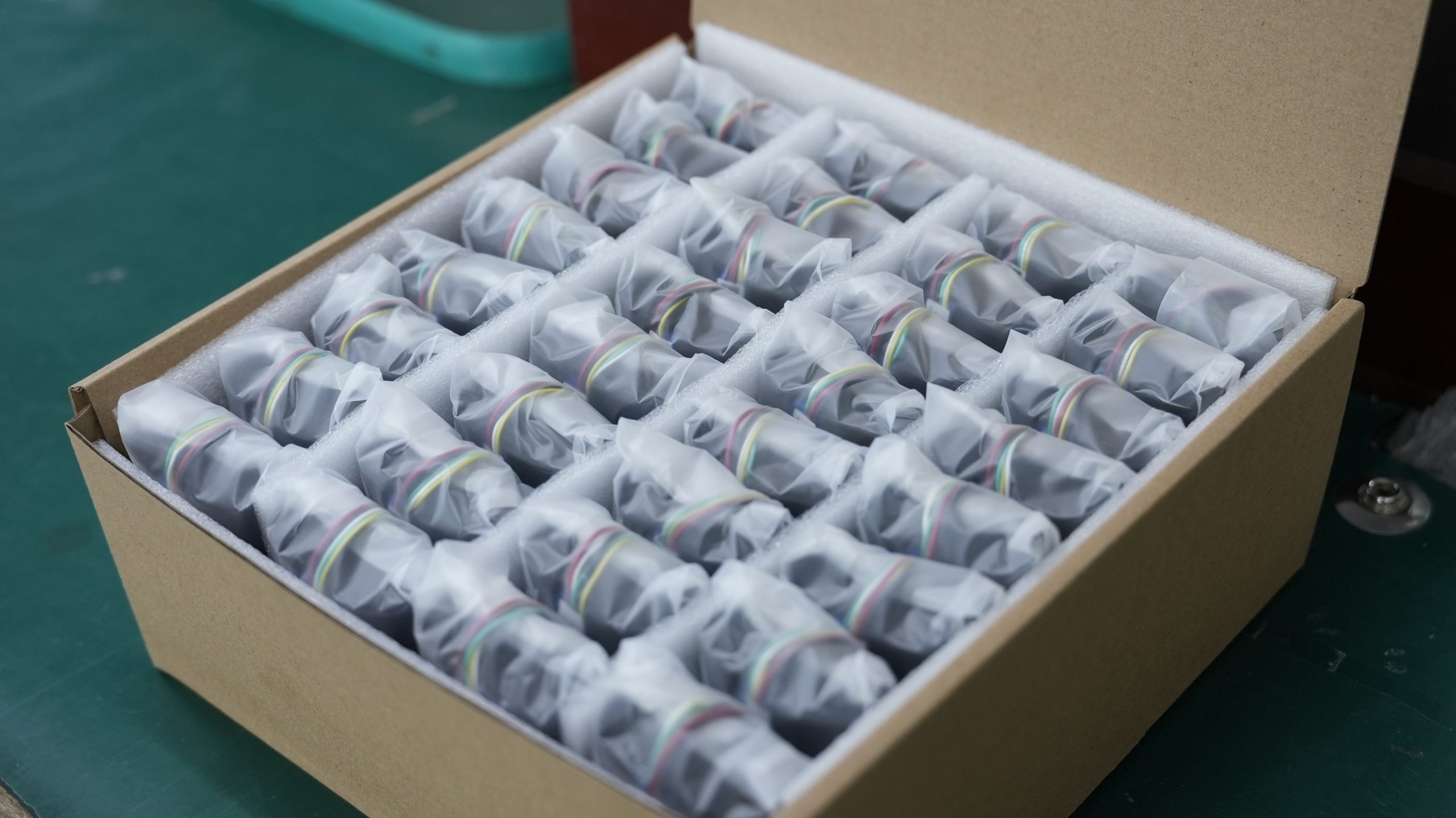
You need to select high-energy cells to maximize the performance of your 3D scanning equipment. Recent advances in battery manufacturing, such as 3D-printed electrodes and silicon-based microbatteries, have transformed how you approach Lithium Battery Requirements. These innovations boost both energy and power density, which means your devices can run longer and deliver more power during demanding tasks.
3D-printed battery architectures improve electrolyte flow among active materials. This design increases the surface-to-volume ratio and shortens the path for lithium ions, so your batteries charge and discharge faster.
Additive manufacturing lets you create complex electrode shapes, like mesh or lattice structures. These shapes help lithium ions move quickly, especially when your scanner needs rapid bursts of energy.
High-aspect-ratio, multilayered electrodes allow micro lithium-ion batteries to store more energy in a smaller space.
These features are especially valuable in medical imaging, robotics, and security systems, where you need both high output and compact form factors.
2.2 Balancing Capacity and Portability
You must balance battery capacity with device portability. Larger batteries can provide longer run times, but they also add weight. This extra weight can improve stability and performance, but it may cause user fatigue and limit your ability to use the scanner in tight spaces.
In field conditions, battery life is critical. Swappable batteries let you keep your equipment running without interruption.
Lighter, portable scanners are easier to carry and use, but may require more frequent battery changes.
Wireless connectivity adds convenience, but wired connections often deliver more reliable performance for precision scanning.
When you choose a battery, consider how your team will use the device in real-world scenarios, such as industrial inspections or mobile robotics.
2.3 Impact on Scanning Performance
Optimizing power density directly impacts your scanning performance. High-energy batteries support longer operational times, so you can complete large-scale scans without frequent recharging. Fast-charging capabilities reduce downtime, which is essential in sectors like infrastructure and industrial automation.
Note: Always match your battery choice to your application’s power demands. High-density batteries improve efficiency, but you must ensure they meet safety and operational stability standards.
By understanding these factors, you can make informed decisions about Lithium Battery Requirements and achieve the best balance between performance, portability, and reliability.
Part3: Operational Stability and Safety
3.1 Advanced Battery Management Systems
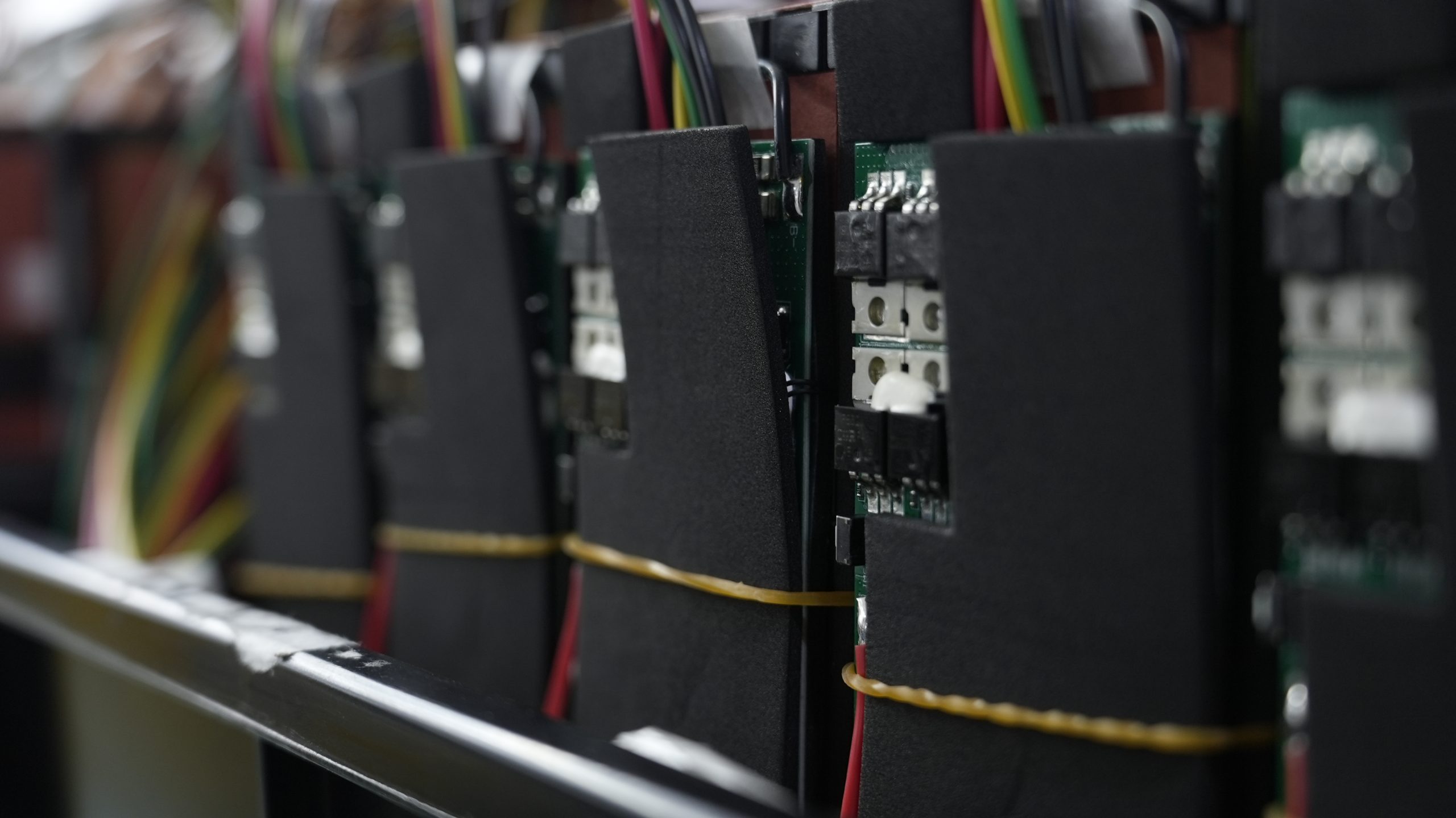
You need a reliable Battery Management System (BMS) to keep your lithium battery packs safe and efficient. A BMS acts as the control center for your battery, especially in demanding fields like medical imaging, robotics, and security systems. It monitors each cell’s voltage, current, and temperature. This system prevents overcharging and deep discharge, which can damage batteries or cause safety risks. You can expect the following from a well-designed BMS:
It tracks the state of charge and state of health for every cell.
It balances charging and discharging across all cells, which extends battery life.
It initiates safety actions if it detects abnormal voltage, current, or temperature.
A smart BMS helps you meet strict Lithium Battery Requirements for continuous operation and safety. For more details, see our BMS and PCM page.
3.2 Thermal Control and Predictive Maintenance
You must control battery temperature to ensure stable operation. High-performance 3D scanning equipment often runs for long periods, which can cause batteries to heat up. If you do not manage heat, you risk reduced efficiency or even battery failure. Many advanced systems use thermal sensors and cooling solutions to keep batteries within safe limits. Predictive maintenance tools analyze battery data to warn you before problems occur. This approach helps you avoid unexpected downtime in industrial, infrastructure, or medical settings.
Tip: Schedule regular battery checks and use monitoring software to spot early signs of overheating or wear.
3.3 Cycle Life and Reliability
You want your battery packs to last through many charge and discharge cycles. Cycle life measures how many times you can use and recharge a battery before its capacity drops below a set level. Chemistries like LiFePO4 offer long cycle life, making them ideal for industrial and medical applications. NMC batteries provide a good balance of energy density and lifespan for robotics and security systems. Always match your battery choice to your device’s duty cycle and environment. Reliable batteries reduce maintenance costs and keep your 3D scanning equipment running smoothly.
By focusing on operational stability and safety, you ensure your devices meet the highest standards for performance and reliability across all sectors.
Part4: Practical Battery Selection and Maintenance
4.1 Selection Best Practices
You need to match your battery pack to your 3D scanning equipment’s power and operational needs. Start by reviewing the voltage, capacity, and discharge rate requirements for your device. For example, LiFePO4 batteries work well in medical and industrial settings because they offer stable voltage and long cycle life. NMC batteries provide high energy density, which suits robotics and security systems that need lightweight, portable power. Use the table below to compare common chemistries:
Chemistry | Platform Voltage (V) | Energy Density (Wh/kg) | Cycle Life (cycles) | Best Use Cases |
|---|---|---|---|---|
LiFePO4 | 3.2 | 90–120 | 2000–4000 | Medical, Industrial, Infrastructure |
NMC | 3.6–3.7 | 150–220 | 1000–2000 | Robotics, Security, Consumer Electronics |
LCO | 3.7 | 150–200 | 500–1000 | Consumer Electronics |
LMO | 3.7–4.2 | 100–150 | 300–700 | Power Tools, Industrial |
Tip: Always check the manufacturer’s specifications for compatibility. Choose a battery with a built-in BMS for added safety and reliability.
4.2 Maintenance Tips
You can extend the life of your lithium battery packs by following a few simple routines:
Keep the battery charge level between 50% and 80% to reduce stress and minimize Depth of Discharge (DoD).
Avoid letting the battery drain completely before recharging.
Minimize use of the operation panel to lower battery strain.
Store your device with about 50% charge if you will not use it for a long time.
Keep the device away from extreme temperatures.
These habits help you maintain stable performance in all sectors, from industrial inspections to mobile medical imaging.
4.3 Common Pitfalls
Many users make mistakes that shorten battery life or cause device failures. You should avoid these common pitfalls:
Ignoring the recommended charge range. Overcharging or deep discharging can damage cells.
Using batteries in environments with high heat or cold. Extreme temperatures reduce cycle life and may cause safety risks.
Selecting batteries based only on price. Low-cost packs may lack proper BMS or use lower-quality cells.
Failing to check compatibility with your 3D scanning equipment.
Note: Reliable battery selection and regular maintenance protect your investment and ensure your 3D scanning equipment performs at its best.
You play a key role in choosing lithium batteries for 3D scanning equipment. Focus on power density, operational stability, and advanced battery technologies to boost device performance.
Understanding lithium transport pathways and grain structure helps you select batteries with better energy density and longer life.
New manufacturing methods, like 3D printing, improve battery capacity and reliability for medical, robotics, and industrial use.
Innovation | Benefit for 3D Scanning Equipment |
|---|---|
Complex electrode design | Higher capacity and faster ion movement |
Unified battery structure | Greater energy and power density |
Stay informed about battery advances to keep your equipment efficient and reliable.
FAQ
What lithium battery chemistry works best for portable 3D scanners?
You should choose NMC batteries for portable 3D scanners. NMC offers high energy density and moderate weight. This chemistry fits robotics, security, and consumer electronics. It balances long run time and portability.
How do I compare battery chemistries for my application?
Chemistry | Energy Density (Wh/kg) | Cycle Life (cycles) | Best Use Case |
|---|---|---|---|
LiFePO4 | 90–120 | 2000–4000 | Medical, Industrial |
NMC | 150–220 | 1000–2000 | Robotics, Security |
LCO | 150–200 | 500–1000 | Consumer Electronics |
LMO | 100–150 | 300–700 | Power Tools, Industrial |
Why does my 3D scanning equipment need a Battery Management System (BMS)?
You need a BMS to monitor voltage, current, and temperature. A BMS prevents overcharging, deep discharge, and overheating. This system keeps your lithium battery pack safe and reliable in industrial applications.
How can I extend the life of my lithium battery pack?
You should keep the charge between 50% and 80%. Avoid full discharges. Store batteries at moderate temperatures. Regular maintenance helps you get the most cycles from LiFePO4, NMC, LCO, or LMO packs.
What safety risks should I watch for with lithium batteries?
You must watch for overheating, swelling, or rapid capacity loss. These signs can mean battery failure. Always use batteries with a BMS and follow manufacturer guidelines for safe operation in all sectors.


