

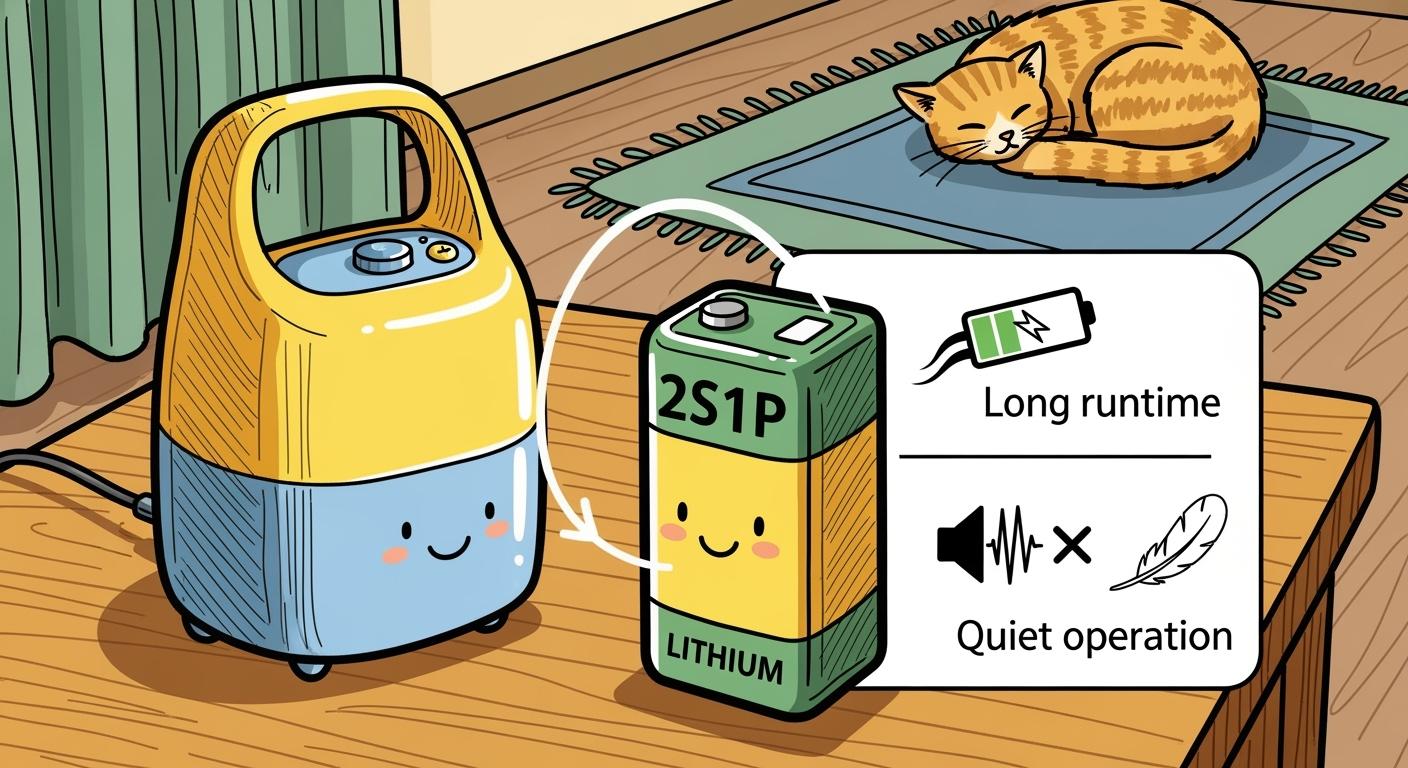
Lithium battery selection shapes the performance of home suction devices in industrial, consumer electronics, and medical sectors. When you choose lithium-ion or lithium-ion polymer batteries, you gain longer run times and quieter operation. Recent advancements allow integration of high-torque brushless motors, improving efficiency and reducing noise. The right lithium battery selection, especially in a 2S1P configuration, supports compact design and rapid recharge cycles.
Aspect | Impact on Home Suction Devices |
|---|---|
Battery Chemistry | Enables longer run times, consistent power |
Noise Level | Improved chemistry supports quieter operation |
Recharge Cycles | Faster cycles increase device uptime |
Key Takeaways
Choose lithium-ion batteries for longer run times and quieter operation in home suction devices.
Match battery voltage and capacity to your vacuum cleaner’s specifications for optimal performance.
Follow best charging practices to extend battery life and maintain device reliability.
Part 1: Lithium Battery Selection Criteria
1.1 Voltage & Capacity for Vacuum Cleaner Batteries
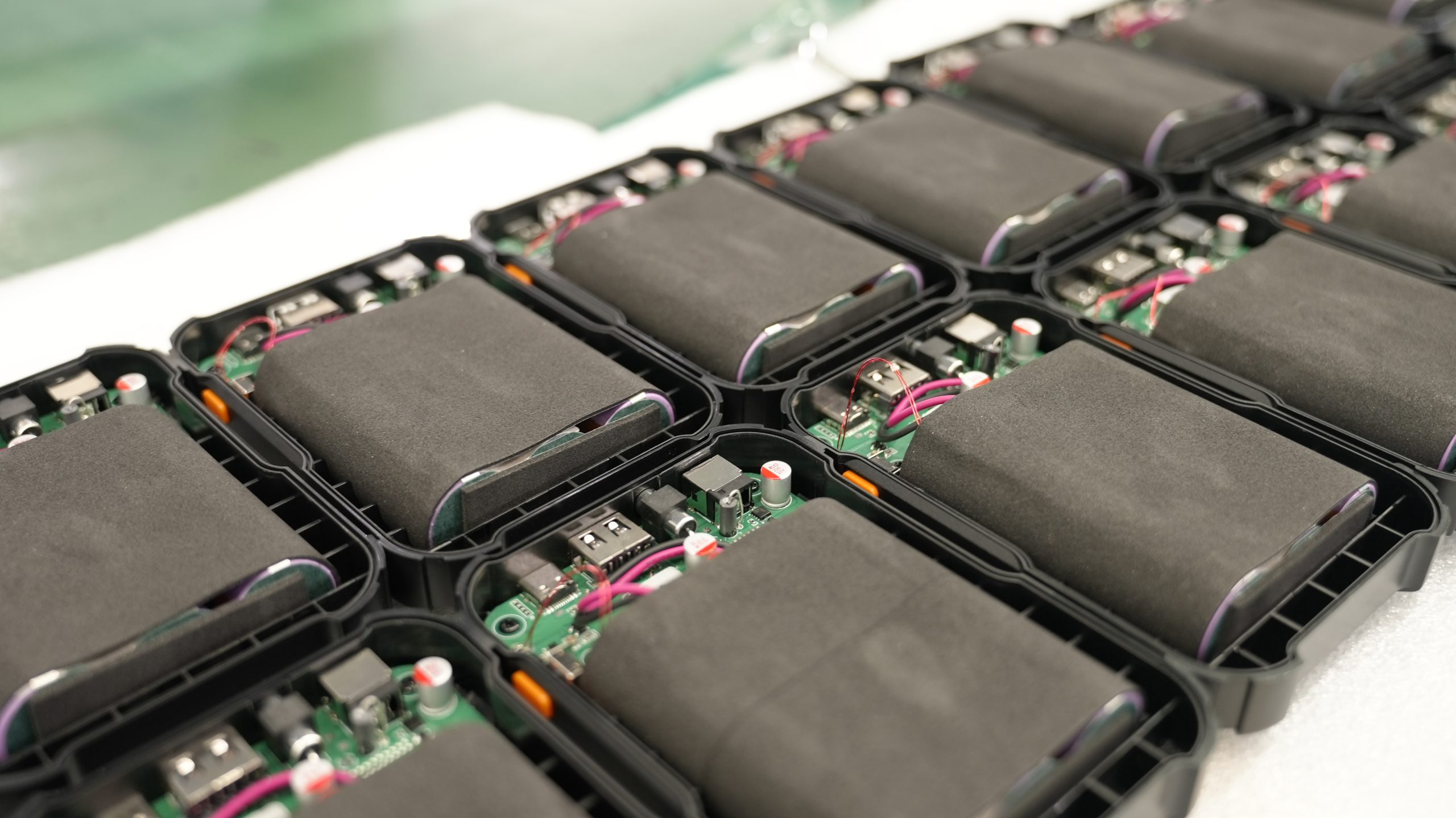
Selecting the right voltage and capacity for vacuum cleaner batteries is essential for achieving optimal performance in home suction devices. You must match the battery voltage to the device’s motor requirements to maintain consistent suction power and efficiency. For example, a pump operating at 12V requires a battery that delivers a stable 12V output. If you choose a battery with incompatible voltage, you risk reduced suction power and operational issues.
Vacuum cleaner batteries typically use lithium-ion batteries due to their lightweight design and consistent power delivery. These batteries provide 20-30 minutes of runtime, which suits most cleaning tasks. They do not suffer from the memory effect, so you can recharge them flexibly without waiting for a full discharge.
Tip: Calculate battery capacity based on your device’s operating current and expected usage duration. For instance, a vacuum cleaner running at 0.4A for one hour daily needs at least 0.4Ah, but selecting a battery with 1-2Ah capacity ensures extended runtime and handles peak currents.
Key voltage and capacity considerations for vacuum cleaner batteries:
Voltage must match device requirements for efficient operation.
Capacity determines runtime and should account for peak loads.
Lithium-ion batteries offer high energy density and longer charge retention.
Battery Capacity (Ah) | Expected Runtime |
|---|---|
2 | Ideal for home cleaning tasks |
1.2 Lithium-Ion vs. Other Chemistries
You must evaluate battery chemistry options to maximize performance, safety, and longevity in vacuum cleaner batteries. Lithium-ion batteries dominate the market due to superior energy density and consistent performance. Lithium-ion polymer batteries excel in space utilization and safety, making them suitable for compact suction devices.
Feature | Lithium-Ion (Li-ion) | Lithium Polymer (Li-Po) |
|---|---|---|
Electrolyte Type | Liquid electrolyte | Polymer-based or gel-like electrolyte |
Physical Structure | Cylindrical or prismatic metal casings | Aluminum-plastic pouch enclosures |
Shape and Size Flexibility | Standardized sizes and formats | Custom-designed shapes and dimensions |
Energy Density and Capacity | Consistent and predictable energy density | Comparable energy density, excels in space utilization |
Safety Performance | Risk of leakage and thermal runaway | Improved safety, reduced leakage risk |
Cycle Life | Typically 500 cycles or more | 300 to 500 cycles |
Cost Considerations | Lower costs due to mature manufacturing | Higher costs due to custom manufacturing |
You may also consider advanced chemistries such as lithium iron phosphate (LiFePO4) and nickel manganese cobalt (NMC) for vacuum cleaner batteries.
Feature | LiFePO4 (LFP) | NMC |
|---|---|---|
Cycle Life | More than 3000 cycles | About 800 cycles |
Service Life | At least 3000 cycles (up to 10 years) | 2-3 years (800 cycles) |
Safety | Higher thermal runaway temperature (518°F) | Lower thermal runaway temperature (410°F) |
Lithium iron phosphate batteries offer enhanced safety and longer cycle life, making them suitable for medical, robotics, and industrial suction devices. NMC batteries provide high energy density and are common in consumer electronics and security systems.
Other chemistries such as lithium cobalt oxide (LCO), lithium manganese oxide (LMO), lithium titanate (LTO), solid-state, and lithium metal batteries are also available. Each chemistry presents unique advantages in terms of energy density, cycle life, and safety.
1.3 Runtime & Noise Considerations
You must prioritize runtime and noise levels when selecting vacuum cleaner batteries. Lithium-ion batteries deliver extended runtime and consistent power output, which supports longer cleaning sessions and superior performance. High energy capacity ensures that suction devices operate efficiently without frequent recharging.
Lithium-ion batteries are lightweight and provide high energy capacity.
They retain charge longer and maintain consistent power output.
Ideal for applications requiring both duration and efficiency.
Noise reduction depends on stable voltage and reliable battery chemistry. Lithium-ion batteries enable quieter operation by supporting high-torque brushless motors, which minimize vibration and mechanical noise. You achieve extended runtime and low noise by choosing batteries with optimal voltage and capacity.
Note: Top manufacturers hold about 60% of the vacuum cleaner batteries market, with lithium-ion leading due to its superior performance and reliability.
Part 2: Compatibility & Safety for Lithium-Ion Batteries
2.1 Device Compatibility & Fit
You must ensure that lithium-ion batteries fit both physically and electrically within your home suction device. The right battery for your vacuum cleaner depends on matching voltage, capacity, and discharge rate to the device’s specifications. This is especially critical for medical suction, industrial, and consumer electronics applications, where reliability and performance are paramount.
Requirement | Description |
|---|---|
Voltage (V) | Match the battery voltage to your vacuum cleaner’s requirements. Common voltages for cordless vacuums range from 18V to 36V |
Capacity (Ah) | Higher capacity provides longer runtimes between charges. |
Discharge Rate (C-rating) | A higher C-rating allows for greater current draw, supporting stronger suction and power-hungry features. |
Chemistry | Li-ion batteries are the standard for cordless vacuums due to their high energy density, lightweight design, and long lifespan. |
Cycle Life | Choose a battery with a long cycle life to reduce the need for frequent replacements. |
Vacuum Model and Power Requirements | Different vacuum models have varying voltage and power needs. Check your vacuum cleaner’s specifications or user manual for compatibility. |
Weight and Ergonomics | Consider the weight and size of the battery pack, especially for handheld vacuums, to ensure comfortable and balanced use. |
You should always verify the battery’s connector type and physical dimensions. A mismatch can lead to unreliable contact or even device failure. For medical suction devices, compatibility is not just about performance but also about meeting strict regulatory standards.
2.2 Safety Features & BMS
Safety is a top priority when integrating lithium-ion batteries into home suction devices. Battery Management Systems (BMS) play a crucial role in protecting batteries from unsafe conditions. You will find BMS technology in medical, robotics, and security system applications, where uninterrupted operation and user safety are essential.
Safety Feature | Description |
|---|---|
Primary Protection Circuit | Protects against unsafe conditions like overcurrent, over/under voltage, and over/under temperature. |
Secondary Protection Circuits | Provides redundant protection, primarily from overvoltage, and can disable the battery pack permanently. |
Alarm and Safety Features | Notifies users of potential battery issues, such as overcharging or overheating, enhancing safety. |
Electrical Management Protection | Monitors current and voltage to prevent operation outside of safe limits. |
Thermal Management Protection | Controls battery temperature to maintain performance and prevent capacity loss at low temperatures. |
A smart charger acts as your safety guardian. It uses a microprocessor to constantly monitor the charging process. EBL’s PROCYCO technology incorporates several key protective features:
Overcharge Protection: The instant your battery reaches full capacity, a smart charger stops the current. This is the single most effective way to prevent charging-related damage.
Temperature Monitoring: EBL smart chargers can detect if a battery is getting too hot during charging and will cut power to prevent overheating.
Short-Circuit and Reverse-Polarity Protection: If you accidentally insert a battery backward or use a damaged cell, the charger will detect the error and refuse to send power, preventing a dangerous situation.
Most modern vacuum cleaners include built-in overcharge protection. You should avoid leaving batteries charging for extended periods, as overcharging can lead to overheating and reduced lifespan. For medical suction devices, advanced BMS and redundant safety circuits are mandatory to meet regulatory requirements and ensure patient safety.
2.3 Selecting the Right Battery for Your Vacuum Cleaner
Selecting the right battery for your vacuum cleaner requires a careful balance of safety, performance, and cost. You must consider voltage compatibility, capacity, built-in BMS, physical fit, and value. For medical, industrial, and consumer electronics sectors, rigorous safety certifications are essential.
Criterion | Recommendation |
|---|---|
Voltage Compatibility | Match your vacuum’s rating (e.g., 18 V vs. 21.6 V) |
Capacity (mAh/Ah) | 2 000–4 000 mAh for average use; 5 000 mAh+ for extended sessions |
Built-in BMS | Ensure over-charge, over-discharge, short-circuit, and thermal protections |
Size & Connector | Slide-on footprint and latch must align perfectly for reliable contact |
Value ($/Wh) | Aim for $0.20–$0.30 per Wh; premium brands up to $0.40/Wh |
Certification | Description |
|---|---|
UN38.3 | Ensures safe transport of lithium batteries. |
IEC 62133 | Tests for safety and performance in consumer products. |
UL | Provides assurance of rigorous risk management. |
PSE | Ensures compliance with Japanese safety standards. |
Compliance with safety regulations enhances consumer confidence.
Rigorous testing mitigates risks of battery failures.
Certifications facilitate market access for manufacturers.
Demonstrating compliance with safety standards is essential for protecting consumers and maintaining a brand’s reputation. This is especially important for lithium-ion batteries used in medical suction devices, where reliability and safety are non-negotiable.
Common causes of lithium-ion battery failure include overcharging, insufficient thermal protection, quality variability, and frequent charging cycles. You should avoid charging the device with an incorrect charger, charging after the battery is fully charged, and improper storage such as in direct sunlight or hot vehicles.
When you select the right battery for your vacuum cleaner, you ensure optimal performance, safety, and longevity. This is critical for medical, industrial, and consumer electronics applications, where device uptime and user safety drive business success.
Part 3: Maintenance & Longevity of Vacuum Cleaner Batteries
3.1 Charging Practices for Lithium-Ion Batteries
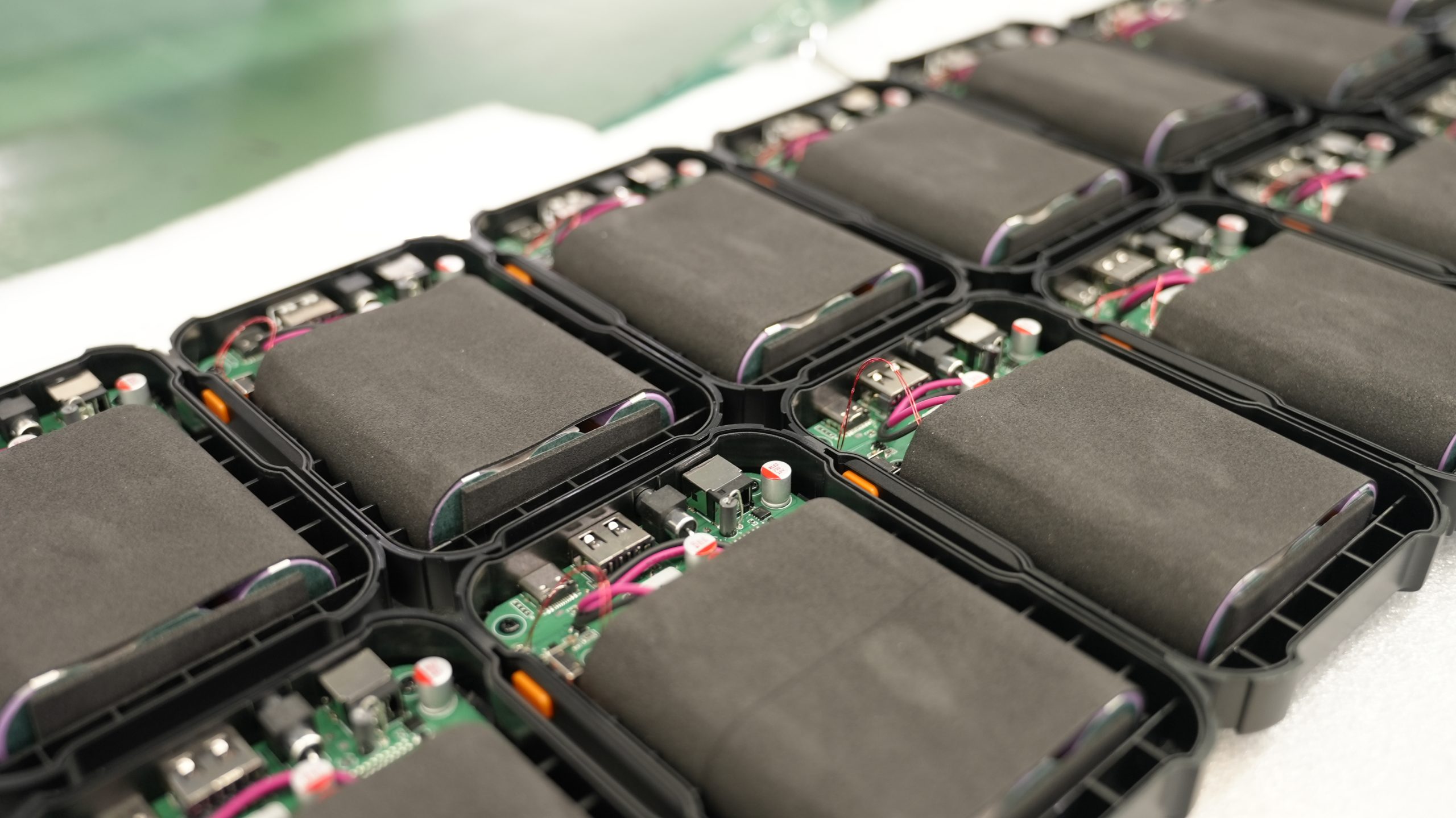
You must follow best practices to maximize the longevity of lithium-ion batteries in vacuum cleaner applications. Proper charging routines help maintain battery health and performance across Medical, Robotics, Security System, and Industrial sectors.
Use the manufacturer’s charger to prevent damage and ensure optimal charging time.
Avoid letting batteries discharge to 0%. Recharge before reaching low levels to reduce stress.
Keep batteries between 20% and 80% charge for daily use.
Unplug the charger once batteries reach full capacity to prevent overcharging and heat buildup.
Allow batteries to cool for 30 minutes after use before charging.
Store batteries at about 50% charge if not used for extended periods.
Avoid fast charging, which increases heat and accelerates degradation.
Charge at room temperature; extreme temperatures can cause rapid capacity loss and voltage drop.
Monthly calibration—fully discharge and recharge batteries once a month—keeps indicators accurate.
High temperatures, such as 70°C, can triple the rate of capacity degradation. At 100°C, batteries lose nearly 39% capacity in just two cycles. Fast charging and high temperatures cause electrolyte decomposition and increase impedance, reducing overall battery longevity.
Routine inspection and cleaning of battery contact points support reliable operation and extend service life.
3.2 Signs of Battery Wear & Replacement Timing
You must monitor lithium-ion batteries for signs of wear to maintain device reliability. The following table summarizes common indicators:
Sign of Battery Wear | Description |
|---|---|
Runtime Reduction | If runtime drops from 90 minutes to 30 minutes, batteries show significant wear. |
Overheating | Excessive heat during charging or operation signals possible damage. |
Decline in Suction Power | Reduced suction performance indicates battery energy loss. |
Manufacturers recommend replacing batteries if runtime decreases by more than 50% from original performance. Immediate replacement is necessary if you observe swelling.
Regular maintenance, such as avoiding deep discharging and overcharging, storing batteries in cool, dry environments, and removing them from chargers during long storage, preserves battery longevity.
Keeping vacuum cleaner motors clean also reduces strain on batteries, supporting longer service life.
For organizations focused on sustainability, proper battery maintenance aligns with environmental goals.
You optimize device performance by selecting lithium-ion batteries that match chemistry, voltage, and capacity requirements.
Choose lithium-ion batteries for high energy density and long cycle life.
Match voltage to device specifications for stable operation.
Select higher capacity for extended runtime, considering weight and cost.
Battery Chemistry | Energy Density (Wh/kg) | Cycle Life | Application Scenario |
|---|---|---|---|
Lithium-Ion | 150–250 | 500+ | Medical, Robotics, Security System, Industrial |
Lithium-ion battery packs deliver powerful suction, fast charging, and reliable safety for B2B clients.
FAQ
What factors should you consider when selecting lithium battery packs for emergency medical suction?
You should evaluate platform voltage, cycle life, and energy density. Large Power offers custom battery consultation for medical devices.
How do lithium battery packs support preparedness in hospital disaster preparation and portable suction unit deployment?
Lithium battery-powered devices deliver power-packed efficiency and reliability. You enhance disaster preparedness equipment for hospital disaster preparation and portable suction unit use.
What are the main differences between lithium-ion and LiFePO4 chemistries for suction for ems professionals?
Chemistry | Platform Voltage | Energy Density (Wh/kg) | Cycle Life | Application Scenario |
|---|---|---|---|---|
Lithium-ion | 3.7 V | 150–250 | 500+ | Medical, Robotics, Security System |
LiFePO4 | 3.2 V | 90–160 | 3000+ | Industrial, Infrastructure, suction for ems professionals |
For tailored solutions, contact Large Power for a custom battery consultation.


