

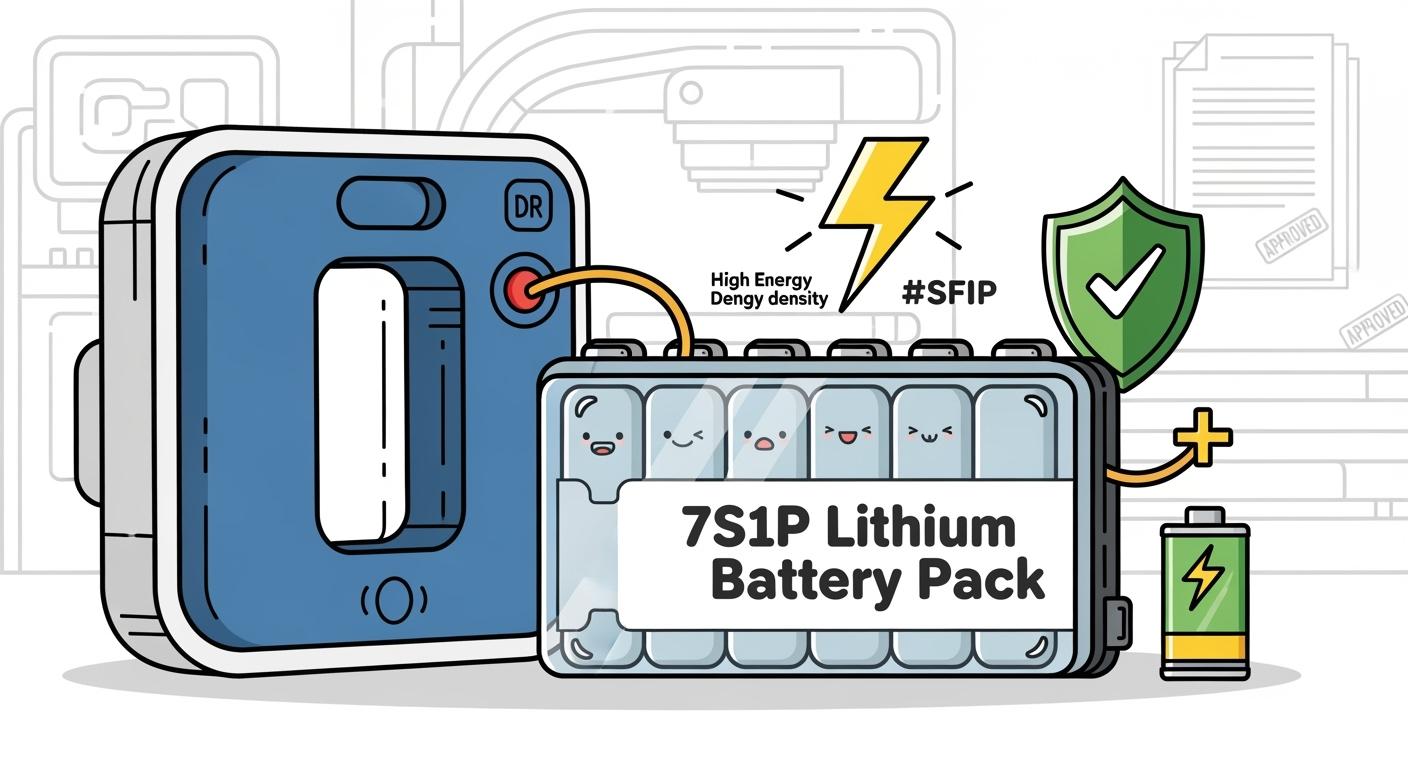
You demand a lithium battery solution that delivers outstanding energy density and lightweight portability for mobile DR detectors. Manufacturers in the medical sector rely on batteries with energy densities from 200 to 300 Wh/kg, as shown below:
Year | Energy Density (Wh/kg) |
|---|---|
Today | 200-300 |
Compliance with standards such as ANSI/AAMI ES 60601-1 and IEC 62133 ensures reliable and safe operation in clinical environments.
Key Takeaways
The 7S1P lithium battery solution offers high energy density, enabling smaller and lighter mobile DR detectors. This enhances portability and ease of use in clinical settings.
Compliance with key regulations like ANSI/AAMI ES 60601-1 and IEC 62133 ensures safety and reliability in medical applications. Staying updated on these regulations is crucial for manufacturers.
Advanced Battery Management Systems (BMS) enhance safety by monitoring battery health and preventing failures. This technology is essential for maintaining reliable operation in critical medical environments.
Part 1: Lithium Battery Solution Energy Density
1.1 Energy Density Overview
You need a battery that delivers high energy density for your mobile DR detector systems. Energy density measures how much energy a battery stores relative to its weight. This factor plays a critical role in the design and performance of medical imaging equipment. High energy density allows you to create smaller, lighter devices that are easier to transport and operate in clinical settings.
Higher energy density enables the development of smaller medical devices.
Miniaturization enhances portability, which is crucial for mobile applications.
Improved energy density supports minimally invasive procedures, increasing patient comfort and outcomes.
The most common lithium battery chemistries used in medical imaging include Lithium Cobalt Oxide (LCO), Lithium Nickel Manganese Cobalt Oxide (NMC), and Lithium Iron Phosphate (LiFePO4). You can see their typical energy density values below:
Chemistry | Nominal Voltage (V) | Energy Density (Wh/kg) | Typical Cycle Life (cycles) |
|---|---|---|---|
Lithium Cobalt Oxide (LCO) | 3.7 | 180-230 | 500-1,000 |
Lithium Nickel Manganese Cobalt Oxide (NMC) | 3.6-3.7 | 160-270 | 1,000-2,000 |
Lithium Iron Phosphate (LiFePO4) | 3.2 | 100-180 | 2,000-5,000 |
You will find that Lithium-ion batteries now provide up to 270 Wh/kg, making them ideal for high-performance medical imaging equipment. As of 2025, lithium-ion batteries power 70% of newly manufactured medical devices, reflecting their widespread adoption in the medical sector.
1.2 7S1P Configuration Benefits
The 7S1P configuration stands out as a leading lithium battery solution for mobile DR detectors. This design uses seven cells in series and one in parallel, delivering a nominal voltage of 25.2 V. The configuration leverages NMC cell technology, specifically the SK Innovation E603A cell, to achieve high capacity and current output.
Feature | Description |
|---|---|
Configuration | 7S1P (7 cells in series, 1 parallel) |
Nominal Voltage | 25.2 V |
Cell Type | Li-NMC (SK Innovation E603A) |
Capacity | 60,300 mAh |
Peak Discharge Current | Up to 60.3 A |
Application | Energy-intensive systems |
You benefit from several advantages with this lithium battery solution:
High energy density supports longer operational time and reduces device weight.
Lightweight portability improves workflow for medical staff and enhances patient care.
Long cycle life lowers maintenance costs and extends the total cost of ownership for your mobile DR detector systems.
Reliable power ensures continuous data collection, which is essential in critical medical environments.
1.3 Performance Comparison
When you compare the 7S1P lithium battery solution to other configurations, you see clear performance advantages. The 7S1P setup, especially when combined with metal foam phase change composite (MF-PCM) technology, manages heat effectively during high discharge rates. This thermal management prevents hotspots and maintains stable performance, which is crucial for operational time during rapid discharges.
The 7S1P configuration with MF-PCM demonstrates effective thermal management during high discharge rates.
This setup maintains performance by controlling temperature and eliminating hotspots, which is crucial for operational time during rapid discharges.
Other battery chemistries, such as Lithium Polymer and Lithium Iron Phosphate (LiFePO4), offer unique benefits. Lithium polymer batteries provide a flexible form factor, making them suitable for compact consumer electronics and medical devices. LiFePO4 batteries are known for their safety and durability, lasting up to 10 years or more, which is valuable in infrastructure and industrial applications.
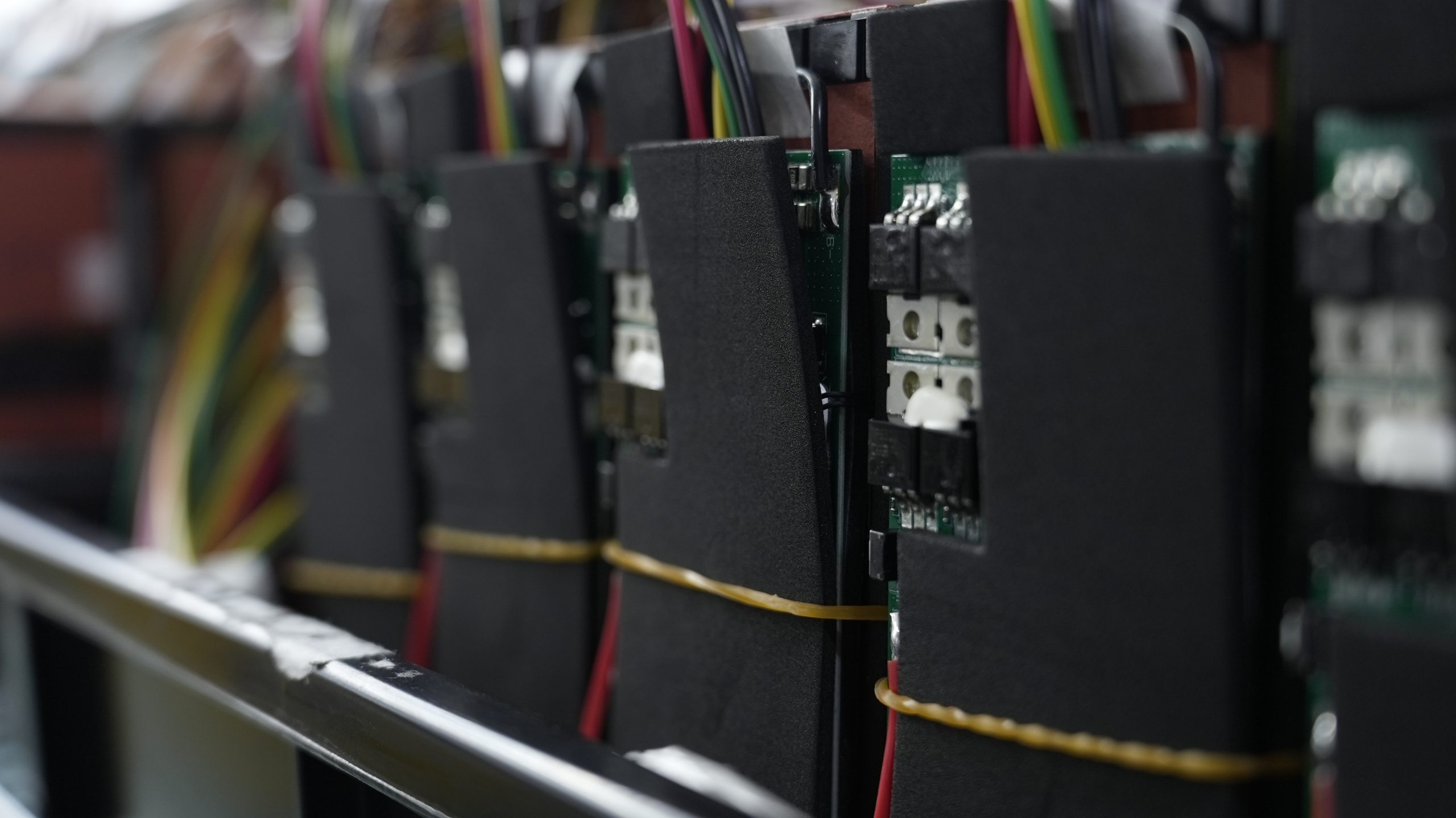
You should also consider the role of a robust Battery Management System (BMS) in maximizing performance and safety. A high-quality BMS ensures optimal charging, discharging, and cell balancing, which further enhances the reliability of your lithium battery solution.
Part 2: Regulatory Compliance for Lithium Battery Solution

2.1 Key Regulations
You must navigate a complex regulatory landscape when selecting lithium batteries for mobile DR detectors. International standards ensure that your devices meet strict safety, performance, and transport requirements. The following table summarizes the most critical regulations for lithium batteries in medical applications:
Standard | Description |
|---|---|
ANSI/AAMI ES 60601-1 | Comprehensive reference for medical electrical equipment standards, including risk management and safety assessments. |
IEC 62133 | Safety requirements for secondary cells and batteries containing alkaline or other non-acid electrolytes. |
UL 1642 | Guidelines for lithium batteries in medical devices, including limits on lithium content. |
UN 38.3 | Mandates transportation testing for lithium batteries, critical for global supply chains. |
You also need to consider the EU Battery Regulation (Regulation (EU) 2023/1542), which will apply directly in all EU member states by August 2025. This regulation replaces the previous Battery Directive and ensures consistent compliance across Europe. In the United States, the FDA requires batteries to meet standards such as IEC 62133, UL 2054, ISO 13485, and IEC 60601-1. Each region has unique requirements for documentation, labeling, and transport, as shown below:
Region | Regulatory Body | Key Requirements |
|---|---|---|
US | PHMSA | Special permits for certain shipments, detailed documentation required |
EU | ADR | Compliance with ADR rules for road transport, specific paperwork and labeling |
Asia | N/A | Must comply with both IATA and IMDG rules for air and ocean transport |
Tip: Staying current with evolving regulations is essential. Regulatory changes can drive innovation and encourage investment in safer, more sustainable battery technologies. For more on sustainability, see Our Approach to Sustainability.
2.2 Compliance and Certification
You must ensure that your lithium battery solution meets all relevant certification and testing requirements. Certification processes often involve multiple steps, including rigorous safety and performance testing. For example, IEC 62133 outlines safety requirements and testing procedures, such as thermal abuse tests to prevent thermal runaway. UN 38.3 mandates a series of transport safety tests, including altitude simulation, thermal cycling, vibration, shock, external short circuit, impact, overcharge, and forced discharge.
UL standards require testing for overdischarge, short circuit, crush, impact, and temperature cycling.
Hazardous Materials Regulations (HMR) necessitate UN 38.3 testing for all lithium batteries shipped by air, sea, or land.
16 CFR Part 1263 mandates performance and construction tests for batteries in consumer and medical devices.
You may face challenges in achieving compliance, such as navigating complex certification processes for different global markets, compiling technical documentation, and ensuring access to certified laboratories. Effective document management and comprehensive employee training are essential for maintaining compliance and avoiding costly recalls. You must also prepare for notified body assessments and ensure your products carry the necessary CE marking or Declaration of Conformity for the EU market.
Requirement | Description |
|---|---|
FDA General Safety and Performance | Batteries must meet IEC 62133, UL 2054, ISO 13485, and IEC 60601-1. |
Biocompatibility | Batteries must be safe for use in or near the human body. |
Safety Features | Include overcharge protection, thermal shutdown, and short-circuit protection. |
Authentication and Serialization | Batteries must be traceable and protected against counterfeiting. |
Transportation | Compliance with all shipping regulations is mandatory. |
Note: The use of responsibly sourced materials is increasingly important. For your supply chain, review the Conflict Minerals Statement.
2.3 Safety and Transport
You must address significant safety risks when transporting lithium batteries for medical devices. These risks include fumes, blasts, fires, and leaks. Off-gassing from lithium-ion batteries can release combustible hydrocarbons and toxic chemicals, which may require hospital evacuations. Explosions from thermal runaway can cause severe damage, especially to individuals with implantable medical devices. Fires and leaks can result in serious injuries, including burns and blindness.
Safety Risk | Description |
|---|---|
Fumes | Off-gassing can release combustible and toxic chemicals, leading to potential evacuations. |
Blasts | Explosions from thermal runaway can cause severe damage to people and property. |
Fires | Uncontrolled heat and pressure can ignite medical devices. |
Leaks | Corrosive chemicals can cause burns, blindness, or even death in concentrated amounts. |
You can mitigate these risks by selecting batteries that comply with UN 38.3 and IEC 62133. These standards require rigorous testing to ensure battery integrity during transport and operation. Advanced Battery Management Systems (BMS) monitor cell health, prevent failures, and provide stable voltage output. Regular testing and maintenance of battery backup systems minimize downtime and ensure equipment readiness.
Lithium battery packs offer high reliability due to stable chemistry and advanced BMS.
BMS technology monitors cell health and prevents failures, which is essential for medical devices.
Compliance with international safety standards protects patient safety and enhances device reliability.
Lithium batteries provide high energy density and long runtime, ensuring reliable operation during critical moments.
Medical devices must meet rigorous safety and performance criteria for battery packs.
You support patient safety by choosing compliant lithium battery solutions. These batteries feature enhanced safety requirements tailored for healthcare, including short-circuit protection and advanced thermal management. Strict adherence to medical standards and regulations protects both patients and healthcare professionals. In mobile DR detector applications, reliable battery performance ensures uninterrupted operation during diagnostic procedures, supporting better outcomes for both patients and providers.
You gain reliable, long-lasting power and advanced safety features by choosing the 7S1P lithium battery solution for mobile DR detectors. This solution supports regulatory compliance, fast charging, and consistent output.
FAQ
What advantages does the 7S1P lithium battery solution offer for mobile DR detectors?
You gain high energy density, lightweight design, and long cycle life. This configuration ensures reliable operation for medical imaging and other professional applications.
How does Large Power ensure regulatory compliance for lithium battery packs?
Large Power tests all battery packs to IEC 62133, UN 38.3, and ANSI/AAMI ES 60601-1 standards. You receive certified solutions ready for global deployment.
Can you request a custom lithium battery solution for your industry?
Yes. You can request a custom battery pack for medical, robotics, security, infrastructure, or industrial applications.


