

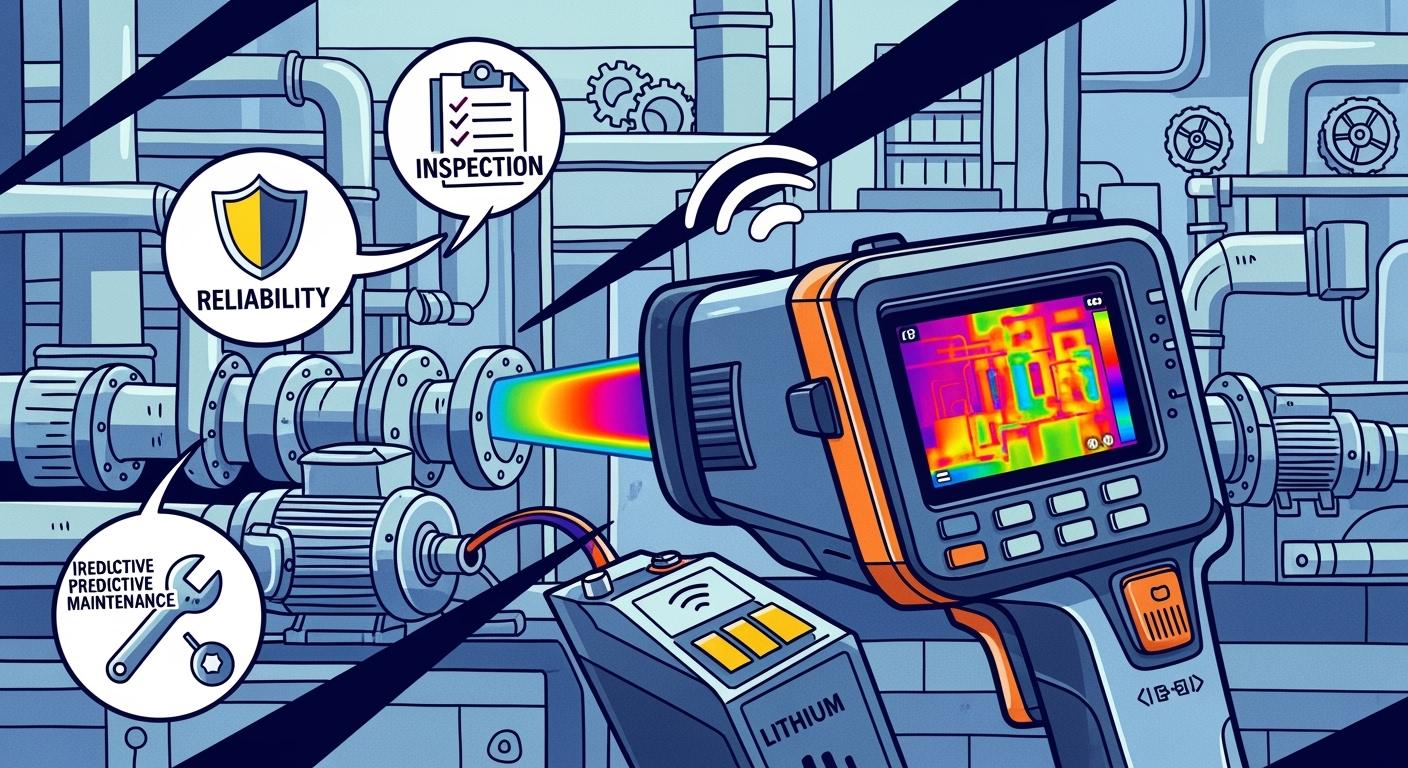
You need reliable power for your industrial thermal imaging cameras during inspection and predictive maintenance. Lithium Battery Solutions deliver extended runtime and lightweight design, which help you work longer without interruption. Modern features like USB-C charging improve safety and convenience on the job. In tough industrial environments, consistent power and strong safety standards matter. Whether you use LiFePO4 Lithium battery packs in robotics or security systems, these solutions support your equipment’s performance every day.
Key Takeaways
Lithium batteries provide extended runtime and lightweight design, making them ideal for industrial thermal imaging cameras.
Choose the right battery type based on your application needs; LiFePO4 is best for safety and longevity.
Modern lithium batteries support USB-C charging, offering convenient and safe recharging options in the field.
Regular maintenance practices, like monitoring battery health and avoiding deep discharges, can extend battery life significantly.
Using thermal imaging technology helps monitor battery temperatures, preventing overheating and enhancing safety.
Part1: Lithium Battery Solutions for Thermal Imaging Cameras
1.1 Battery Technology Overview
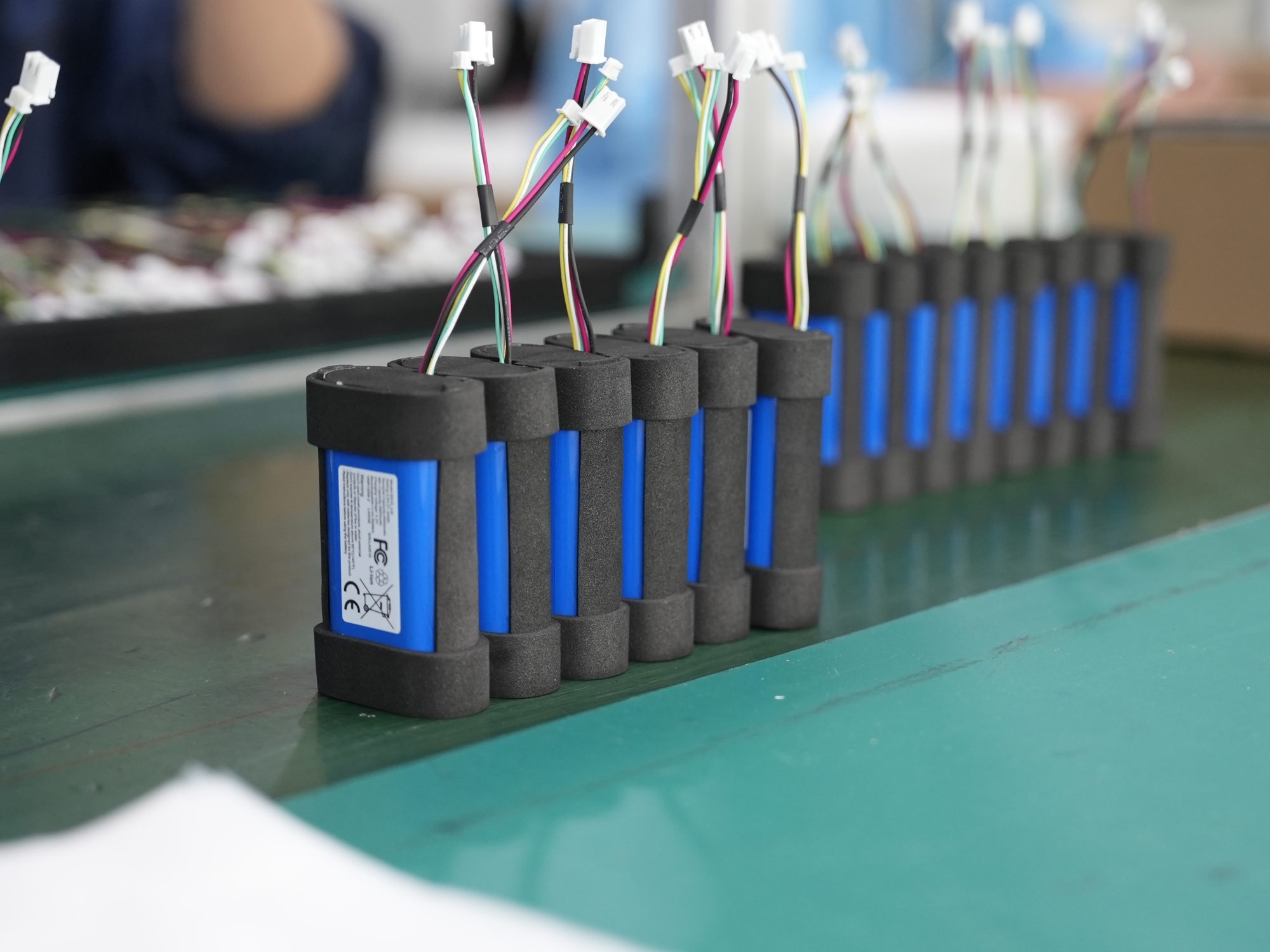
You need to understand the main types of lithium battery technologies that power industrial thermal imaging cameras. Each chemistry offers unique benefits for different application scenarios, such as robotics, security systems, infrastructure inspection, and medical diagnostics. The table below summarizes the most common lithium battery types you will encounter in industrial thermal imaging cameras:
Battery Type | Key Characteristics | Applications |
|---|---|---|
Lithium-Ion Batteries | High energy density (150-200 Wh/kg), lightweight, rechargeable, extended runtime | Professional-grade cameras, infrastructure, medical, robotics |
Lithium-Polymer Batteries | Ultra-thin, lightweight, design flexibility | Compact cameras, IoT, consumer electronics, security systems |
Lithium Iron Phosphate (LiFePO4) | Excellent safety, thermal stability, long cycle life (up to 5,000 cycles) | Stationary tracking, industrial-grade cameras, robotics, infrastructure |
You will find that Lithium-Ion batteries deliver high energy density and long runtime, which is essential for professional-grade thermal imaging cameras used in industrial and medical settings. Lithium-Polymer batteries offer a lightweight and flexible design, making them suitable for compact cameras and IoT devices in security and consumer electronics. LiFePO4 Lithium battery packs stand out for their safety and long cycle life, which is critical for stationary tracking systems and industrial-grade cameras that require reliable, continuous operation.
Tip: When selecting Lithium Battery Solutions for your thermal imaging cameras, always match the battery chemistry to your specific application needs. For example, choose LiFePO4 Lithium battery packs for environments where safety and longevity matter most, such as in robotics or infrastructure monitoring.
You should also consider the differences in energy density and safety among lithium chemistries:
LFP (LiFePO4): Lower energy density but high safety and long cycle life, ideal for industrial applications.
NMC (NMC Lithium battery): High energy density and power, suitable for electric vehicles and energy storage, but with moderate safety.
LCO (LCO Lithium battery): High energy density but lower thermal safety, mainly used in consumer electronics.
1.2 Compatibility with Industrial Camera Needs
Industrial thermal imaging cameras demand batteries that provide consistent power, lightweight design, and flexible charging options. Leading brands like UNI-T and FLIR have developed proprietary lithium battery packs to meet these requirements. The table below highlights some examples:
Camera Model | Battery Type | Operating Time |
|---|---|---|
FLIR T1020-45-NIST | Rechargeable Li-ion | Approximately 2.5 hours at 77°F (25°C) |
FLIR T1020-28-NIST | Rechargeable Li-ion | Approximately 2.5 hours at 77°F (25°C) |
You benefit from Lithium Battery Solutions because they offer high power capacity and a lightweight form factor. The 18650 rechargeable battery, often used in these devices, allows you to carry spare batteries and swap them quickly. This feature minimizes downtime during long inspection or maintenance tasks in industrial, infrastructure, or security environments.
Modern lithium battery packs also support USB-C charging, which gives you safe and convenient recharging options. This is especially important when you work in the field and need to recharge your equipment using standard power sources.
You should choose lithium batteries over other types because they provide:
Extended runtime for uninterrupted inspections.
Lightweight design for easy handling during long shifts.
Flexible charging options, including USB-C, for on-site convenience.
Removable and replaceable packs for quick battery swaps.
Lithium Battery Solutions help you maintain operational efficiency in demanding environments, whether you work in robotics, medical diagnostics, security systems, or infrastructure inspection. These solutions ensure your thermal imaging cameras stay powered and ready for critical predictive maintenance tasks.
Part2: Power and Safety Requirements
2.1 Continuous Operation and Energy Density
You rely on uninterrupted operation when using industrial thermal imaging cameras for inspection and predictive maintenance. Lithium Battery Solutions provide the high energy density and long runtime you need in demanding environments such as robotics, medical diagnostics, security systems, and infrastructure inspection.
Typical lithium batteries in industrial thermal imaging cameras deliver over 4 hours of continuous runtime at ambient temperature (22°C / 72°F).
Lithium-ion batteries offer an energy density between 100-300 Wh/kg, while NiMH batteries only reach 55-110 Wh/kg.
This significant difference means lithium batteries allow you to use lighter, more compact equipment without sacrificing performance.
Note: High energy density is especially important for field technicians who must carry equipment for extended periods. You can complete more inspections with fewer battery changes, increasing your efficiency.
You should also consider the chemistry of your battery pack. For example, LiFePO4 Lithium battery packs provide excellent safety and long cycle life, making them ideal for stationary industrial applications. NMC Lithium battery packs offer higher energy density, which suits mobile devices in robotics or medical imaging. LCO Lithium battery packs are common in consumer electronics but have lower thermal safety.
Thermal imaging technology plays a crucial role in battery safety. You can use thermal cameras to monitor lithium-ion batteries for early signs of overheating. This technology captures infrared radiation and provides real-time alerts if temperatures exceed safe levels. It helps you identify hot spots or uneven temperature distribution, which can signal risks like thermal runaway. Non-contact temperature monitoring ensures precise measurements during critical charging and discharging phases.
Thermal imaging is essential for monitoring battery temperatures in electric vehicles and industrial systems.
It allows you to respond quickly to potential hazards, preventing overheating and fires.
2.2 Safety Features and Certifications
You must prioritize safety when selecting lithium battery packs for industrial thermal imaging cameras. Manufacturers integrate advanced safety features to protect both equipment and personnel.
Thermal imaging cameras are often built into lithium battery packs to detect heat signatures from the onset of thermal runaway, long before visible flames or smoke appear. This continuous surveillance enables you to take preemptive action, reducing the risk of fire. Some systems can even activate suppression mechanisms automatically, improving response times and overall safety.
Battery management systems (BMS) add another layer of protection by monitoring voltage, current, and temperature.
When you select lithium battery packs for industrial use, always check for international certifications:
MSDS (Material Safety Data Sheet): This document details the chemical composition, hazards, handling instructions, and emergency measures for lithium-ion batteries.
UN38.3 Certification: This set of tests proves that a battery can withstand the stresses of transportation. Without UN38.3 certification, a battery cannot be legally shipped by air, sea, or ground.
Tip: Always verify that your lithium battery packs meet MSDS and UN38.3 standards before deploying them in industrial, robotics, or medical environments.
Thermal imaging also supports safety in battery recycling plants. Active thermography enhances quality control by identifying defects and contaminants in battery components. This process helps you maintain battery performance and prevent safety hazards. You can use active thermography to evaluate welds during cell creation and battery packing, ensuring the highest quality standards.
Active thermography is vital for battery recycling plant safety.
It helps you detect issues early, reducing the risk of accidents and improving operational reliability.
By focusing on continuous operation, high energy density, and robust safety features, you ensure your industrial thermal imaging cameras remain reliable and safe in every application.
Part3: Battery Performance and Maintenance
3.1 Longevity and Charge Cycles
You depend on lithium battery packs to keep your industrial thermal imaging cameras running in critical environments like medical diagnostics, robotics, security systems, and infrastructure inspection. Understanding battery longevity helps you plan for reliable operations and reduce downtime.
The average lifespan of lithium-ion batteries ranges from 300 to 500 charge cycles.
With proper management, you can extend battery life up to 10–15 years.
Charging habits, temperature control, and battery quality all influence how long your battery will last.
LiFePO4 Lithium battery packs offer excellent cycle life and thermal stability, making them ideal for stationary or high-use applications. NMC Lithium battery packs provide higher energy density, which suits mobile devices in robotics or medical imaging. You should always match the battery chemistry to your application for the best results.
3.2 Maintenance Best Practices
You can maximize the lifespan and safety of your lithium battery packs by following proven maintenance practices:
Lower the C rate when discharging. High discharge rates increase internal resistance and cause faster aging.
Favor a partial depth of discharge (DoD). Keep the charge between 100% and 50% DoD to reduce stress and extend battery life.
Ensure periodic balancing if your battery pack contains multiple cells. This prevents imbalances and voltage loss.
Monitor the State of Health (SoH) of your battery. Tracking SoH helps you anticipate when replacement is needed.
Improper maintenance can lead to serious safety risks, including fires, explosions, and chemical leaks. You should store batteries in temperature-controlled, well-ventilated areas. Handle battery packs carefully to avoid physical damage. Regular inspections help you catch potential failures early. Always use manufacturer-approved chargers and compatible equipment to prevent overloading or overheating.
A Battery Management System (BMS) plays a key role in battery safety and performance.
Tip: Consistent maintenance and monitoring protect your investment and ensure your thermal imaging cameras deliver reliable performance in every industrial application.
Part4: Applications in Predictive Maintenance
4.1 Field Inspection Benefits
You gain significant advantages when you use lithium battery-powered thermal imaging cameras for predictive maintenance in industrial environments. These cameras help you detect early signs of battery cell failure by identifying unusual thermal signatures. This ability allows you to address issues before they become critical, reducing unplanned downtime.
Thermal imaging cameras can spot temperature differences that signal potential battery problems.
Fixed thermal cameras in UPS battery rooms can send automated alerts when temperatures rise above safe levels, enabling you to act quickly.
Lithium Battery Solutions reduce maintenance needs, so your team can focus on core operations instead of frequent battery checks.
You benefit from improved safety, as these batteries eliminate many risks found in older battery types.
Enhanced operational efficiency supports high-demand environments, such as material handling or robotics.
Thermal imaging can also warn you of thermal runaway in lithium-ion batteries up to 10–20 minutes before venting occurs. This early warning gives you time to take proactive measures, improving the efficiency and safety of your maintenance operations.
4.2 Real-World Use Cases
You can see the impact of lithium battery-powered thermal imaging cameras across many industrial applications. The table below highlights several documented use cases where these solutions have improved maintenance outcomes:
Use Case | Description |
|---|---|
Machinery and motor overheating detection | Detects early signs of overheating in motors, preventing unplanned downtime and enhancing safety. |
Steam system efficiency | Identifies leaks and blockages in steam systems, improving efficiency and preventing equipment failures. |
Conveyor system monitoring | Detects overheating in conveyor components, indicating potential mechanical failures or lubrication issues. |
Electrical control panel inspections | Identifies abnormal temperature patterns in control panels, indicating potential electrical issues. |
Kiln system maintenance | Detects hotspots and blockages in kilns, ensuring temperature uniformity and product quality. |
Electrical installations and equipment connections | Identifies hotspots in electrical components, preventing costly downtime and safety hazards. |
You can apply these solutions in medical diagnostics, robotics, security systems, and infrastructure inspection. Lithium Battery Solutions provide the reliable power and safety you need to keep your operations running smoothly.
Part5: Comparing Power Solutions
5.1 Lithium vs. Other Battery Types
You face several choices when selecting a power source for industrial thermal imaging cameras. Lithium battery solutions, such as LiFePO4 Lithium battery, NMC Lithium battery, and LCO Lithium battery, offer clear advantages over traditional options like nickel-metal hydride (NiMH) or lead-acid batteries.
Lithium batteries deliver higher energy density, lighter weight, and longer cycle life. For example, LiFePO4 Lithium battery packs provide up to 5,000 cycles and excellent thermal stability. NMC Lithium battery packs offer high energy density, making them suitable for mobile applications in robotics or medical diagnostics. LCO Lithium battery packs, common in consumer electronics, provide high energy density but lower thermal safety.
Battery Type | Energy Density (Wh/kg) | Cycle Life (cycles) | Weight | Typical Applications |
|---|---|---|---|---|
LiFePO4 Lithium | 90–120 | 2,000–5,000 | Light | Industrial, robotics, infrastructure |
NMC Lithium | 150–220 | 1,000–2,000 | Light | Medical, robotics, mobile devices |
LCO Lithium | 150–200 | 300–500 | Light | Consumer electronics |
NiMH | 55–110 | 500–1,000 | Moderate | Legacy industrial, backup systems |
Lead-Acid | 30–50 | 200–500 | Heavy | Stationary, backup power |
Lithium batteries also perform better in harsh environments. You can rely on them in outdoor, industrial, or on-the-move scenarios where temperature and vibration challenge other chemistries.
Note: Thermal cameras help you monitor lithium battery packs for early signs of overheating, which is critical for safety in industrial and medical settings.
5.2 Selection Tips
You should consider several factors when choosing a lithium battery solution for your industrial thermal imaging camera. The following table summarizes key points:
Factor | Description |
|---|---|
Run Time | The duration a battery can power the device before needing a recharge, influenced by capacity and consumption. |
Charging Methods | Options available for charging, such as USB or wall chargers, affecting convenience and accessibility. |
Durability | The battery’s ability to withstand harsh conditions, ensuring long-term reliability and performance. |
Compatibility | Ensures the battery works seamlessly with the thermal imaging device, requiring checks against specifications. |
You must also check for certifications. Look for UN38.3, UL1642, and MSDS documentation to ensure safety and compliance, especially if you operate in environments with temperature extremes or require air shipment.
Indoor (climate-controlled): Most lithium batteries perform well.
Outdoor (non-insulated): Choose batteries rated for extreme weather.
Industrial/on-the-move: Select batteries designed to handle vibration and temperature changes.
Tip: Always match the battery chemistry and features to your specific application, whether you work in medical diagnostics, robotics, security systems, or infrastructure inspection. This approach ensures reliable performance and safety for your thermal imaging cameras.
You gain reliable, safe, and high-performing power when you choose lithium battery solutions for industrial thermal imaging cameras. These batteries support long inspections in robotics, medical, and infrastructure settings. You meet rising industry standards by using systems that connect hardware, analytics, and safety platforms:
Layer | Description |
|---|---|
Hardware Layer | Infrared cameras monitor thermal conditions in harsh environments. |
Platform Layer | Data analytics platforms provide real-time visualization and trend analysis. |
Integration Layer | Systems connect with safety protocols for automated actions and compliance. |
You improve operational efficiency and safety.
You meet regulatory requirements for battery monitoring.
You see long-term ROI from low maintenance and process optimization.
Choose lithium battery solutions to keep your inspections accurate and your operations safe.
FAQ
What makes LiFePO4 Lithium battery packs ideal for industrial thermal imaging cameras?
LiFePO4 Lithium battery packs are ideal for industrial thermal imaging cameras because they offer excellent thermal stability, long cycle life, and high safety. You can use them for continuous inspections in robotics, infrastructure, and security systems where stable power matters. Need a safer pack for harsh inspection work? Contact Large Power for a custom thermal imaging camera battery solution.
How does energy density impact camera performance in field inspections?
Higher energy density in NMC Lithium battery packs helps reduce camera weight while extending runtime. This improves efficiency during industrial inspections, mobile robotics, and portable diagnostic applications. If your device needs longer runtime in a compact size, explore Large Power’s custom lithium battery solutions.
Which certifications should you check for lithium battery packs in industrial environments?
You should verify MSDS and UN38.3 certifications for lithium battery packs used in industrial environments. These documents confirm safer transport, handling, and compliance for battery packs used in medical, security, and infrastructure applications. Large Power can support certified battery pack design for demanding industrial equipment.
Can you safely charge lithium battery packs on-site?
Yes. You can charge lithium battery packs safely on-site using USB-C or manufacturer-approved chargers. A properly designed Battery Management System helps control overcharge, over-discharge, and thermal risks. For field inspection devices, ask Large Power to design charging protection around your actual operating conditions.
What maintenance practices extend lithium battery pack lifespan?
You should monitor battery health, balance cells, and avoid deep discharges. These practices help maximize cycle life and maintain performance in robotics, infrastructure, and industrial applications. For a battery pack matched to your camera’s runtime, voltage, and safety needs, request a custom battery pack from Large Power.


