

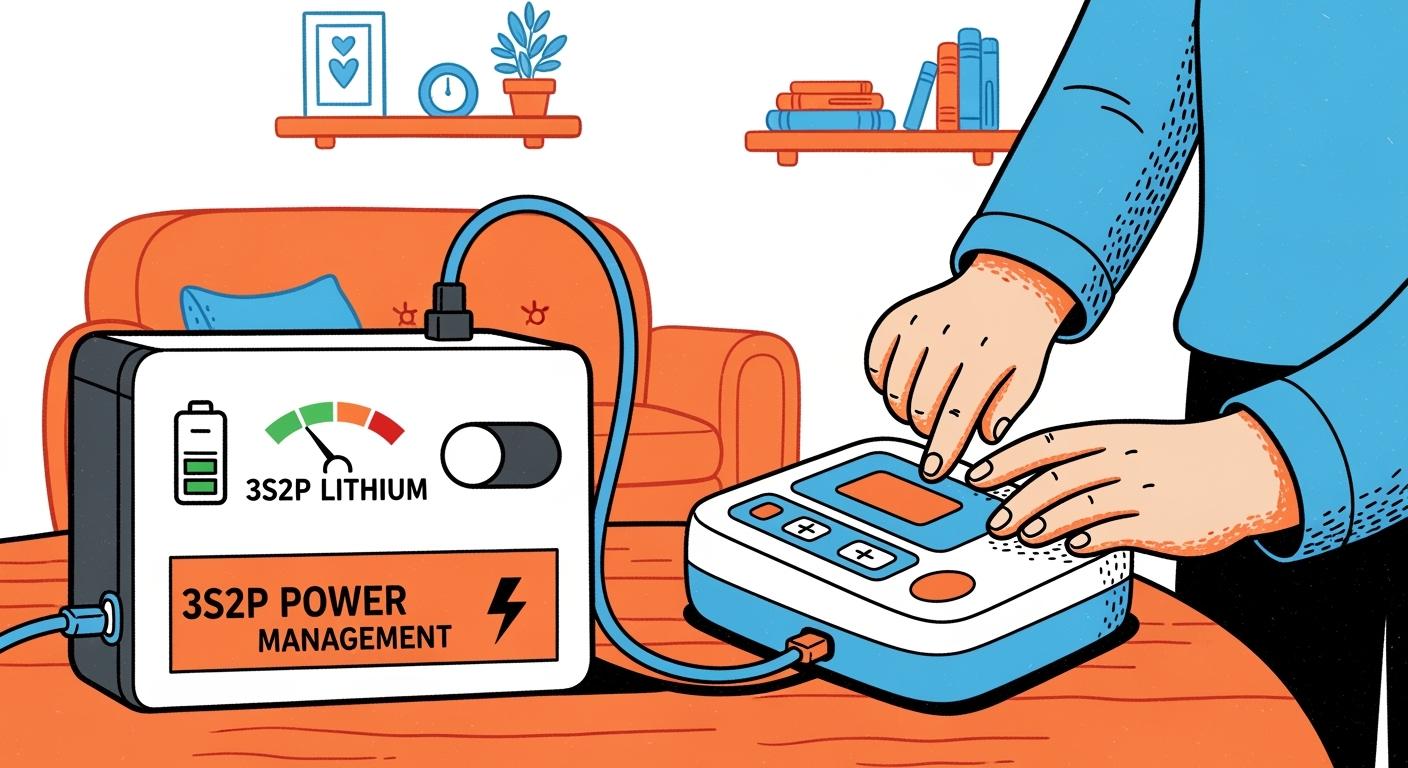
Effective power management in your Lithium Battery Pack ensures stable performance for home rehabilitation therapy devices. You must prioritize safe charging, monitor cell balancing, and rely on a robust Battery Management System.
Tip: Maintain optimal storage conditions and schedule regular maintenance to maximize reliability and patient safety.
Key Takeaways
Understand the 3S2P configuration for lithium battery packs. This setup provides higher voltage and capacity, ensuring your therapy devices run smoothly and safely.
Follow safe charging practices to prevent overheating and damage. Always use the correct voltage and current limits to protect your battery and device.
Regularly check cell balancing and use a Battery Management System (BMS). This ensures each cell operates efficiently, extending battery life and maintaining reliable power.
Part 1: 3S2P Lithium Battery Pack Basics
1.1 Configuration and Benefits
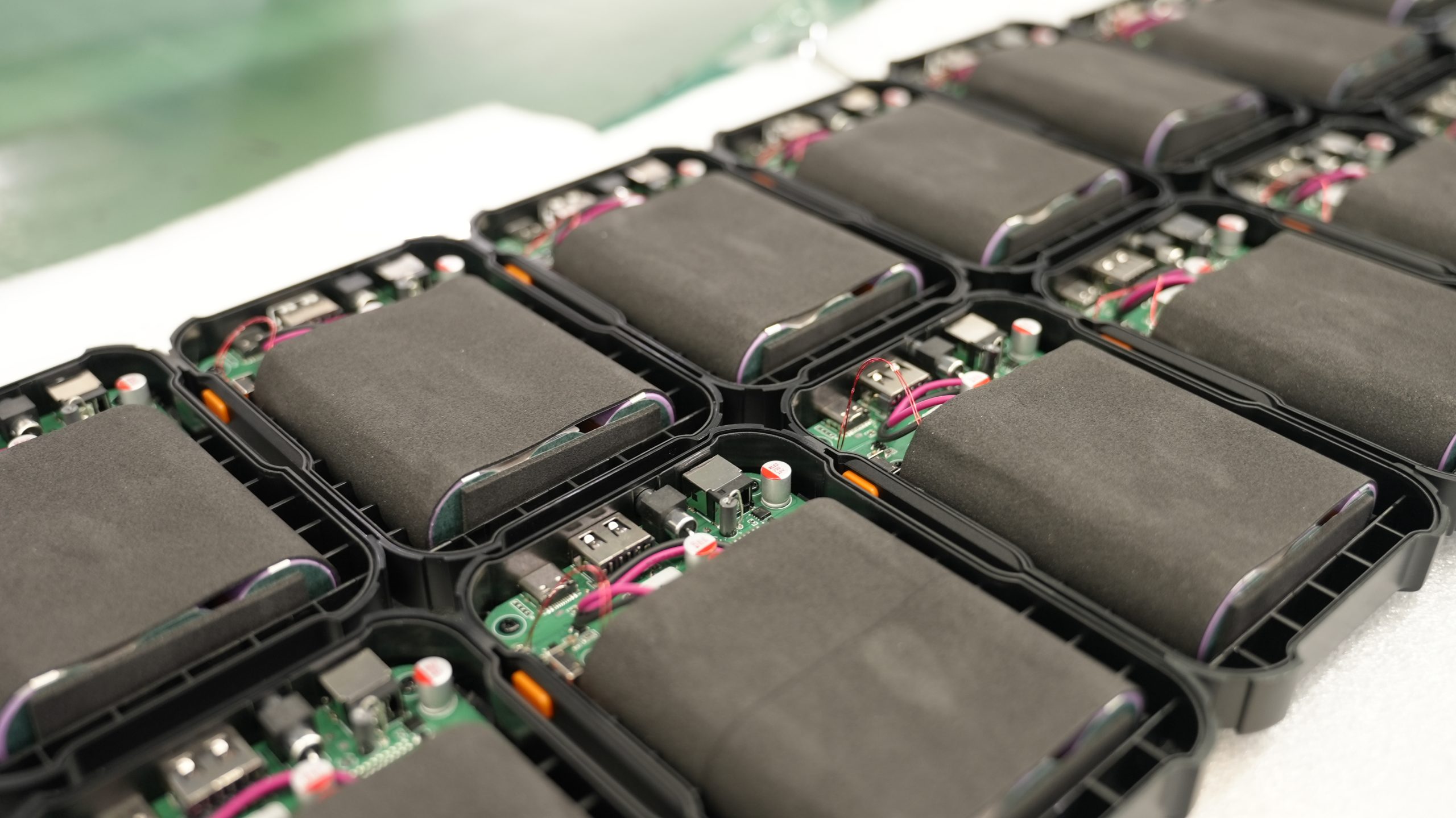
You often see the term “3S2P” when selecting a lithium battery pack for medical devices. This configuration means you connect three cells in series and two in parallel. The series connection increases the voltage, while the parallel connection boosts the capacity. For home rehabilitation therapy devices, you need a reliable source of power that delivers consistent performance.
Here is a quick overview of what you get with a 3S2P lithium battery pack:
Configuration | Voltage | Capacity |
|---|---|---|
3S2P | 11.1V | 6.4Ah (6400mAh) |
You benefit from higher voltage, which supports motors and control systems in therapy equipment. The increased capacity allows longer operating times, reducing the need for frequent charging. This setup ensures your device maintains stable power output, which is critical for patient safety and therapy effectiveness.
Note: The 3S2P configuration is widely used in medical, robotics, and industrial sectors because it balances voltage and capacity for demanding applications.
1.2 Power Needs for Therapy Devices
Home rehabilitation therapy devices require steady power to operate sensors, actuators, and control modules. You must choose a lithium battery pack that matches the device’s power requirements. The 3S2P design provides enough capacity to run therapy sessions without interruption. You avoid sudden drops in power, which can disrupt treatment and affect patient outcomes.
You should consider the total energy your device needs for each session. A lithium battery pack with 6.4Ah capacity delivers enough power for extended use. You also gain the flexibility to support advanced features, such as wireless connectivity and data logging, without sacrificing reliability.
Tip: Always verify the power rating and capacity of your lithium battery pack before integrating it into medical or industrial equipment.
Part 2: Managing Lithium-Ion Battery Power
2.1 Safe Charging Practices
You must follow strict charging protocols to maintain battery performance and ensure safety in home rehabilitation therapy devices. Charging a 3S2P lithium-ion battery pack requires you to set the correct voltage and current limits. The recommended charge voltage is 12.6V, with a charge current of either 2.6A (1C rate) or 5.2A (2C rate). The table below summarizes these parameters:
Charge Rate | Charge Current | Charge Voltage | Power Draw |
|---|---|---|---|
2C | 5.2A | 12.6V | 65.52W |
1C | 2.6A | 12.6V | 32.76W |
You should never exceed the fully charged voltage of 4.20V per cell. Overcharging a lithium-ion battery can cause excessive heat buildup, metallic lithium formation, and even fires. These risks threaten both device reliability and patient safety.
Alert: Overcharging leads to overheating, which can damage the battery and increase the risk of fire. Always use chargers designed for lithium-ion battery packs and follow manufacturer instructions.
2.2 Discharge and Cell Balancing
You need to monitor discharge rates and cell balancing to optimize power delivery and battery performance. In a series/parallel configuration, cell matching is crucial. Weak cells fill up or empty faster than stronger ones, which can result in overcharging or over-discharging. This imbalance reduces usable capacity, accelerates degradation, and shortens the overall lifespan of the battery pack.
Cell imbalance can cause:
Reduced usable capacity, leading to premature shutdowns.
Accelerated degradation due to increased stress on weak cells.
Shortened pack lifespan, as one failing cell affects the entire pack.
Safety risks, including thermal runaway or internal short circuits.
You should use integrated circuits to monitor voltage and current limits for each cell. Custom circuits may be necessary for larger packs. Monitoring ensures that each cell receives the correct amount of power during both charging and discharging cycles.
Tip: Regularly check cell voltages and use balancing circuits to prevent weak cells from compromising battery performance.
2.3 BMS Implementation
A Battery Management System (BMS) is essential for managing power and protecting your lithium-ion battery pack. The BMS monitors current, voltage, and temperature, ensuring safe operation. It balances the state of charge across all cells, maximizing battery performance and lifespan. The table below outlines key BMS functions:
Function | Description |
|---|---|
Electrical Protection | Prevents battery damage by monitoring current and voltage, ensuring operation within safe limits. |
Thermal Management | Controls battery temperature to prevent damage from extreme conditions, such as charging below 0 °C. |
Capacity Management | Balances state of charge across cells to maximize battery performance and lifespan. |
You should always integrate a BMS when designing or maintaining lithium-ion battery packs for medical, robotics, or industrial applications.
Note: A BMS is not optional. It is a critical component for safe and reliable power management in all lithium-ion battery applications.
2.4 Temperature and Storage Guidelines
You must store lithium-ion battery packs within recommended temperature and humidity ranges to preserve battery performance. The table below provides guidance for short-term and long-term storage:
Storage Type | Temperature Range | Humidity Condition |
|---|---|---|
Short-Term Storage | -20°C to +40°C | Below 85% |
Long-Term Storage | -20°C to +25°C | Below 75% |
You should store lithium-ion battery packs at approximately 50% charge. This practice prevents instability and reduces the risk of excessive heat or fire. Always follow manufacturer-specific charging instructions.
Best practices for storage:
Charge to 40%–50% before storing.
Avoid storing in high humidity or extreme temperatures.
Use climate-controlled environments for long-term storage.
Tip: Proper storage extends battery life and maintains reliable power delivery for your rehabilitation therapy devices.
For more information on lithium-ion battery technology, visit the lithium-ion battery page.
Part 3: Safety and Longevity for Lithium Battery Packs
3.1 Overcurrent and Short Circuit Protection
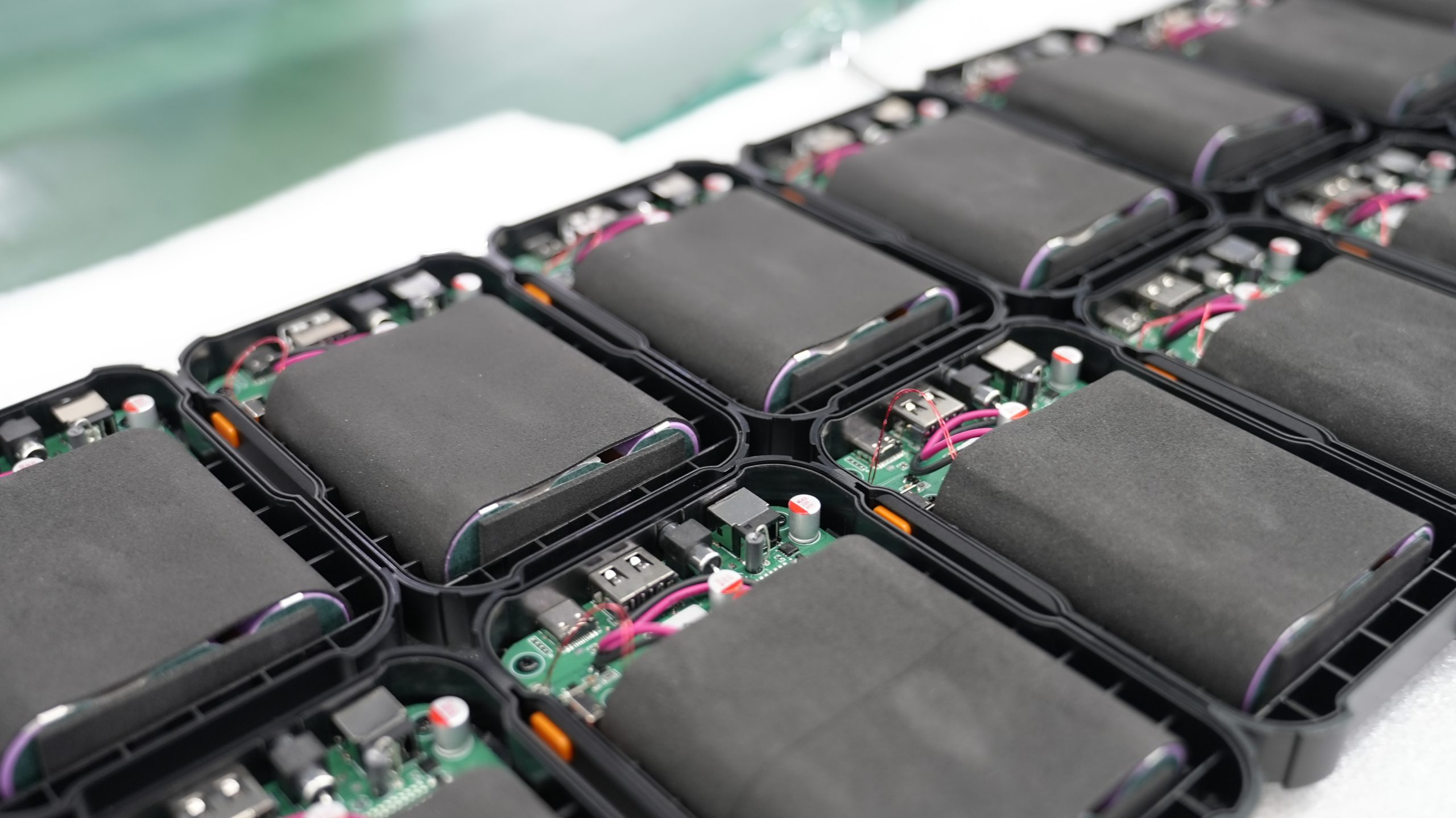
You must implement robust safety features to protect your lithium battery packs from overcurrent and short circuits. These risks can compromise device power and patient safety. Advanced protection systems monitor cell voltage and current, cutting off power when thresholds are exceeded. The table below outlines effective protection features for 3S2P lithium battery packs:
Feature | Details |
|---|---|
Model | LFP26650-3200 |
Protection System | Advanced Protection System |
Voltage Monitoring | Cell-level (3.90V overcharge / 2.00V over-discharge) |
Overcurrent Protection | 7-13A overcurrent and short circuit protection |
Short Circuit Detection | Exterior short circuit cut load, recover after charging |
Industry standards such as ANSI/AAMI ES 60601-1 and UL 1642 set requirements for medical device power safety. You should always select battery packs that comply with these standards to ensure reliable power delivery and minimize recall risks due to overheating or manufacturing defects.
Alert: Overcurrent and short circuit events can cause overheating, melting, or bursting. Always use certified protection systems to safeguard your device power.
3.2 Routine Inspection and Maintenance
You need to schedule regular inspections and maintenance to maximize battery pack longevity and power reliability. Common maintenance issues include temperature management, battery balance, and avoiding disassembly. Follow these steps to maintain optimal power performance:
Monitor battery temperature; move packs if temperatures exceed 60°C.
Check cell balance monthly to prevent uneven power distribution.
Never disassemble battery packs during maintenance.
Recharge batteries after each use; avoid leaving them uncharged for long periods.
Troubleshooting common power issues involves:
Avoiding deep discharge; recharge after each session.
Storing batteries at 50-70% charge when not in use.
Using only approved chargers to maintain power integrity.
Cleaning terminals with baking soda and water to prevent corrosion.
Testing voltage regularly; replace batteries if voltage drops below safe levels.
Tip: Consistent inspection and maintenance routines help you deliver reliable power for home rehabilitation therapy devices and extend battery life.
You maximize power reliability in home rehabilitation therapy devices by following best practices.
Safe charging prevents power loss and overheating.
Cell balancing maintains consistent power output.
BMS implementation protects power systems from faults.
Proper storage preserves power capacity.
Routine maintenance ensures stable power delivery.
Thermal management keeps power systems efficient.
Avoid overcharging to protect power integrity.
Use matched chargers for optimal power transfer.
Inspect connections to maintain power flow.
Adherence to guidelines extends power lifespan.
FAQ
What makes Large Power’s 3S2P lithium-ion battery packs suitable for medical and industrial devices?
You gain stable voltage and extended runtime. Large Power designs custom battery solutions for medical, robotics, and industrial applications.
How do you ensure safe operation of lithium-ion, LiFePO4, and lithium-polymer/LiPo packs in security and infrastructure systems?
You must use a Battery Management System. It monitors voltage, temperature, and current.
Can you request custom battery packs for consumer electronics or solid-state battery projects?
You can request tailored packs for consumer electronics and solid-state battery projects. Large Power offers solutions for diverse needs.


