

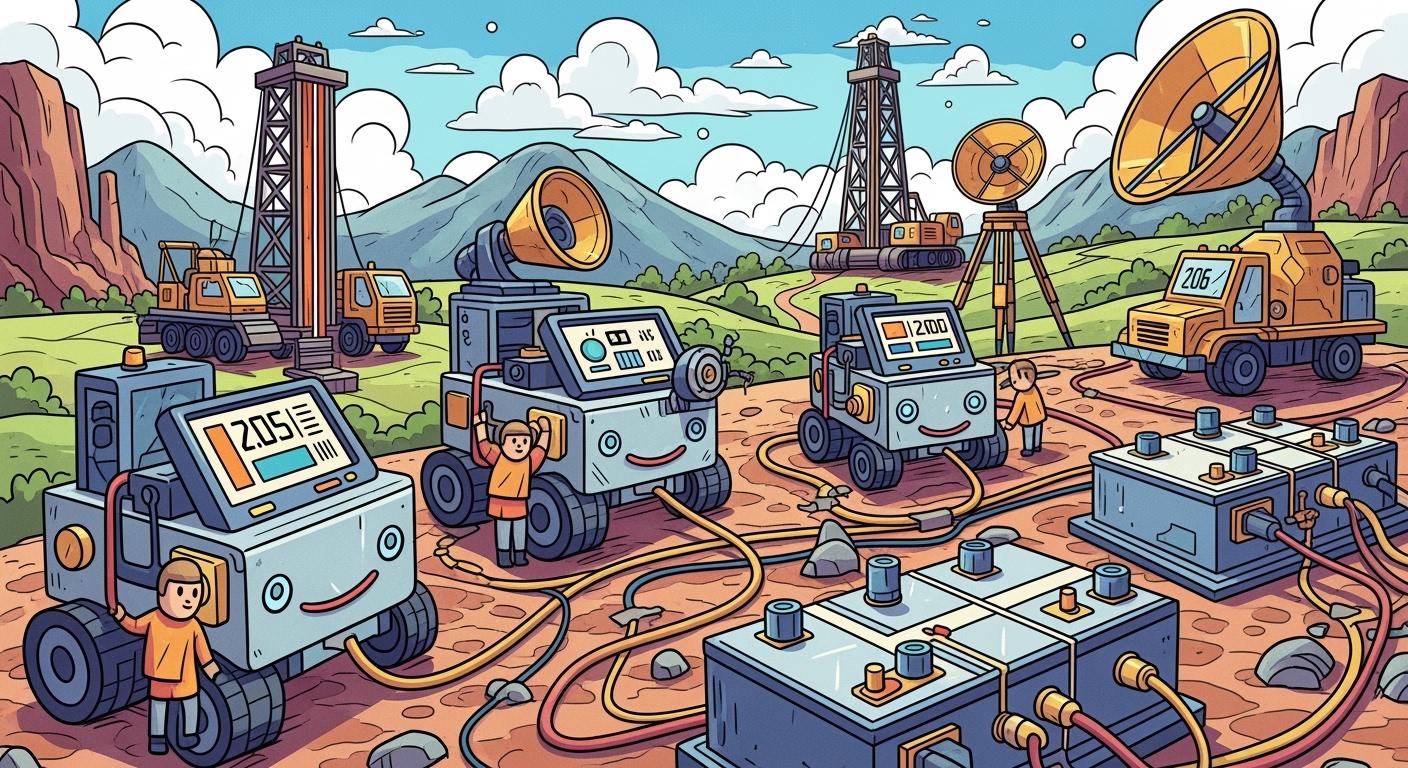
You face new demands in oil and gas exploration as seismic data acquisition systems move from analog, wired setups to digital, wireless, and portable solutions. This transformation depends on reliable battery power, especially lithium-ion, to keep equipment running in the field. Wireless seismic systems now allow you to deploy sensors in challenging terrains such as hills or rainforests, improving operational efficiency and reducing manpower. With low power consumption and real-time data transmission, these systems help you achieve safe, efficient, and flexible exploration.
Key Takeaways
Lithium-ion batteries are essential for powering modern seismic data systems, offering high energy density and long life for extended field operations.
Wireless seismic systems allow for easier deployment in challenging terrains, improving efficiency and reducing the need for large teams.
Choosing the right battery chemistry, like LiFePO4 or NMC, ensures reliable performance and safety in harsh environments.
Advanced battery management systems help monitor battery health, predict maintenance needs, and enhance operational safety.
Investing in innovative battery technologies can lead to significant cost savings and improved data quality in oil and gas exploration.
Part1: Seismic Systems in Oil and Gas Exploration
1.1 Evolution from Analog to Wireless
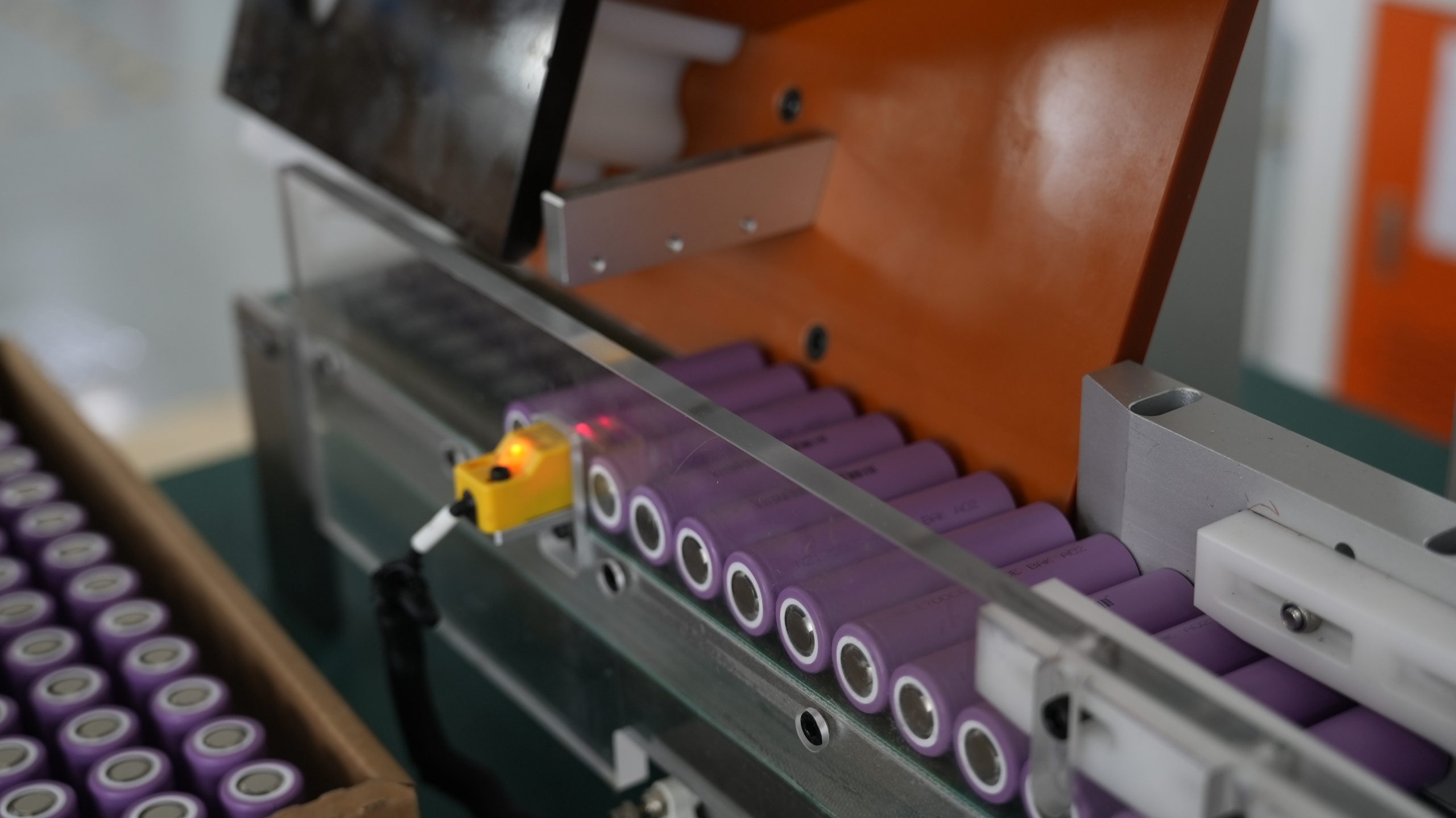
You have seen seismic data acquisition systems transform rapidly in recent years. In the past, analog and wired systems dominated Oil and Gas Exploration. These setups required extensive cabling, large teams, and significant time for deployment and retrieval. Today, digital and wireless seismic systems, such as STRYDE’s nodal solutions, have changed the landscape. You can now collect high-density seismic data with fewer personnel and shorter timelines. The elimination of cables and bulky batteries allows you to focus on data quality instead of hardware issues. This simplicity improves predictability and performance, which reduces delays and operational risks. Wireless systems also support efficient deployment in remote or challenging environments, helping you lower costs and minimize health, safety, and environmental risks.
Note: The shift to wireless seismic technology means you can deploy sensors in areas that were previously inaccessible, such as dense forests or rugged terrain. This flexibility gives you a competitive edge in Oil and Gas Exploration.
1.2 Power Needs for Modern Seismic Equipment
Modern seismic equipment relies on advanced electronics and real-time data transmission. You need reliable battery power to keep these systems running in the field. Lithium battery packs, especially those using chemistries like LiFePO4 and NMC, deliver the energy density and cycle life required for long deployments. Consistent power ensures that your sensors capture accurate data without interruption. If you use unreliable batteries, you risk losing valuable information and increasing maintenance costs. In wireless systems, battery performance directly impacts operational efficiency and safety. You must select battery solutions that withstand harsh conditions and support the demands of Oil and Gas Exploration.
Reliable battery power enables:
Extended field operations without frequent recharging
Reduced manpower for battery swaps
Lower risk of equipment failure in remote locations
You can achieve better data quality and operational efficiency by investing in the right battery technology for your seismic systems.
Part2: Battery Technologies for Exploration Equipment
2.1 Lithium-Ion Batteries in Seismic Systems
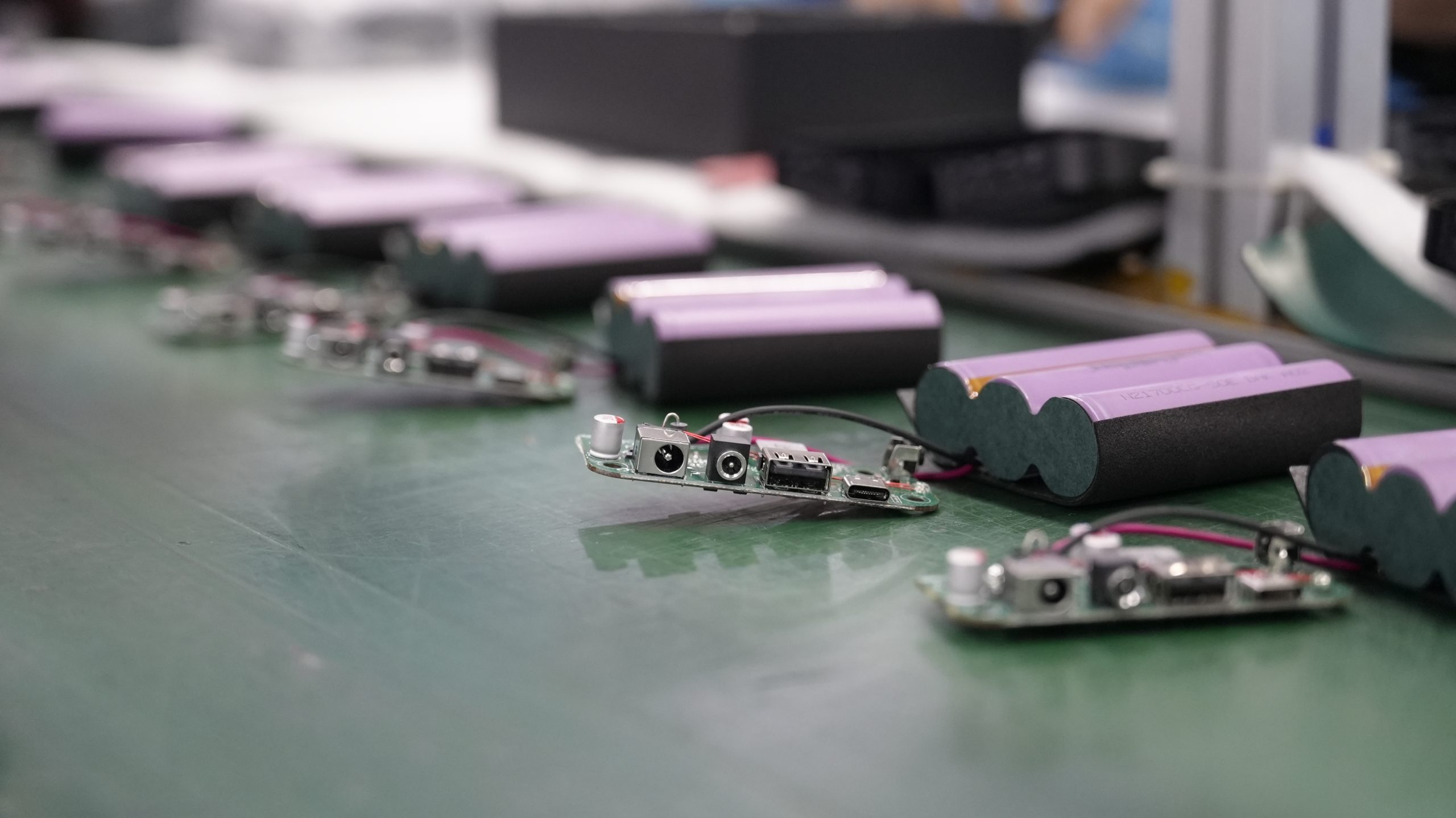
You rely on lithium-ion battery packs to power seismic data acquisition systems in Oil and Gas Exploration. These batteries deliver high energy density, long cycle life, and stable performance in harsh field conditions. You can deploy wireless seismic nodes for extended periods without frequent maintenance. Lithium-ion batteries also support smart battery management, which helps you monitor performance and optimize charging cycles.
When you compare lithium-ion batteries to other battery types, you see clear advantages. These batteries provide up to four times more energy efficiency and operate six times better in cold temperatures. You benefit from a cycle life that is eight times longer than alternatives. The compact size and light weight of lithium-ion battery packs make them easy to transport and install in remote locations. You also avoid outgassing during charging, which improves safety and reduces environmental risks.
Advantage | Lithium-Ion Batteries | Other Battery Types |
|---|---|---|
Energy Efficiency | 4 times more energy | Less efficient |
Performance in Cold Temperatures | 6 times more energy | Less effective |
Cycle Life | 8 times longer | Shorter lifespan |
Size and Weight | ¼ the size and weight | Heavier and bulkier |
Outgassing during Charge | No | Yes |
Battery Management | Smart management | Manual management |
You see lithium-ion battery packs used in many industries. Medical devices, robotics, security systems, infrastructure, and industrial automation all depend on these batteries for reliable power. In Oil and Gas Exploration, you gain the same benefits—long runtime, reduced downtime, and improved safety.
Comparison of Lithium Battery Chemistries
You must choose the right lithium battery chemistry for your seismic systems. Each chemistry offers unique strengths for different applications. The table below summarizes the main technical data for the most common lithium battery chemistries:
Chemistry | Nominal Voltage (V) | Energy Density (Wh/kg) | Cycle Life (cycles) | Key Application Scenarios |
|---|---|---|---|---|
LiFePO4 | 3.2 | 90–120 | 2000–4000 | Industrial, medical, infrastructure |
NMC | 3.6–3.7 | 150–220 | 1000–2000 | Robotics, security systems, seismic nodes |
LCO | 3.6–3.7 | 150–200 | 500–1000 | Consumer electronics, portable devices |
LMO | 3.7 | 100–150 | 300–700 | Power tools, backup systems |
Solid-State | 3.2–3.7 | 250–500 | 2000–5000 | Next-gen medical, aerospace, seismic research |
Lithium Metal | 3.4–3.6 | 300–500 | 500–1000 | Advanced sensors, high-density storage |
Tip: For seismic data acquisition, you often select LiFePO4 or NMC chemistries. These options balance energy density, safety, and long cycle life.
2.2 Other Battery Types and Their Applications
You may encounter other battery types in Oil and Gas Exploration, such as nickel-metal hydride (NiMH), alkaline, or lead-acid batteries. These options offer lower upfront costs but come with trade-offs. NiMH batteries provide moderate energy density and are common in backup power systems. Alkaline batteries suit low-drain, short-term applications. Lead-acid batteries deliver high surge currents but add significant weight and require frequent maintenance.
Recent innovations focus on scalable node management and hybrid power solutions. For example, some seismic systems use supercapacitors or hybrid battery packs to support rapid deployment and recovery. However, these alternatives rarely match the energy density, cycle life, or smart management features of lithium-ion battery packs.
You see other industries, such as infrastructure and security, using these battery types for legacy systems or cost-sensitive projects. In Oil and Gas Exploration, you achieve the best results with lithium-ion battery packs due to their superior performance and reliability.
2.3 Criteria for Battery Selection
You must evaluate several criteria when selecting batteries for seismic data acquisition systems:
Energy Density: Choose batteries that store more energy in less space. This feature allows you to deploy more sensors and cover larger areas.
Cycle Life: Select batteries with a high number of charge-discharge cycles. You reduce replacement costs and downtime.
Operating Temperature Range: Ensure batteries perform well in extreme heat or cold. Field conditions often change rapidly.
Weight and Size: Opt for compact, lightweight battery packs. You simplify transport and installation in remote locations.
Safety and Environmental Impact: Use batteries with stable chemistries and no outgassing. You protect personnel and minimize environmental risks.
Smart Management: Implement battery packs with integrated monitoring. You track performance and predict maintenance needs.
By focusing on these criteria, you ensure your seismic data acquisition systems deliver reliable performance throughout Oil and Gas Exploration projects.
Part3: Benefits of Battery Power in Oil and Gas Exploration
3.1 Portability and Flexibility
You gain unmatched portability and flexibility when you use lithium battery packs in seismic data acquisition. Battery-powered systems operate continuously in remote locations, even where electricity is unavailable. You can deploy lightweight nodes across rugged terrain, which allows you to conduct high-resolution surveys and process data immediately in the field. This approach streamlines your workflow and enables you to adapt quickly to changing project needs.
Feature | Benefit |
|---|---|
Continuous operation | Enables use in locations without electricity |
High-resolution data capture | Facilitates detailed seismic surveys |
Immediate data processing | Allows for real-time insights and analysis in the field |
You can scale your operations easily, whether you manage a small survey or a large exploration project. Lithium battery packs support rapid deployment and retrieval, which reduces downtime and increases productivity.
3.2 Reliability and Reduced Maintenance
You rely on battery-powered seismic systems for consistent performance in challenging environments. Lithium battery packs, such as those using LiFePO4 and NMC chemistries, deliver extended runtime and withstand extreme temperatures. For example, quantum nodes maintain 95% battery charge after four days of continuous recording and operate effectively at -30 degrees Celsius for up to 48 days. The rugged design of these systems simplifies deployment and reduces the risk of equipment failure.
Integrated self-testing and verification mechanisms ensure accuracy from deployment to retrieval.
You save time and labor by reducing the need for manual checks, especially in difficult terrain.
These features help you minimize maintenance requirements and maximize operational uptime during Oil and Gas Exploration.
3.3 Safety and Environmental Impact
You improve safety and reduce environmental impact by choosing advanced lithium battery technologies. Safe and reliable lithium battery solutions perform under extreme heat, pressure, shock, and vibration. High energy density products enable continuous operation in corrosive and harsh environments, ensuring successful data collection and enhanced operational efficiency.
You eliminate cables, which reduces tripping hazards and health risks for field teams.
Lightweight, unobtrusive equipment minimizes land disturbance and simplifies permitting.
You support sustainability goals by using battery systems that lower your environmental footprint.
For more on sustainable practices in seismic exploration, visit our approach to sustainability.
Part4: Challenges and Solutions in Battery Deployment
4.1 Harsh Environments and Battery Life
You encounter unique challenges when deploying lithium battery packs in Oil and Gas Exploration. Extreme temperatures, corrosive environments, and rugged terrain can degrade battery performance and shorten service life. Salt spray and chemical exposure require robust casing and sealing techniques to protect battery components. High power density and sustained energy supply present engineering challenges, especially for AGM technology. Safety standards must be met to prevent explosion risks in volatile environments. Maintenance and serviceability become critical, as batteries need easy access and extended intervals to minimize downtime. Compatibility with legacy systems and adaptability to new technologies ensure optimal performance.
A study from the University of California San Diego shows lithium-ion batteries retain 87.5% capacity at -40°C and 115.9% at 50°C. This resilience is essential for seismic surveys, where batteries face harsh conditions. If batteries cannot withstand high temperatures, performance degrades quickly. You must select temperature-resilient battery technology to maintain operational efficiency.
Tip: When sourcing materials for lithium battery packs, always verify compliance with conflict mineral regulations. For more information, review our conflict minerals statement.
4.2 Safety and Performance Management
You must prioritize safety and performance management when deploying batteries in seismic operations. Advanced battery management systems (BMS) help you mitigate risks and optimize battery health. These systems use sensors, diagnostic tools, and intelligent controls to monitor battery status and adjust parameters in real time. Narada’s AGM battery solution features reinforced casing, shock absorbers, flexible connectors, and vibration-resistant mounting. Intelligent BMS can detect seismic activity and prevent damage by adjusting battery settings.
Integration of AGM batteries requires special design to withstand seismic forces.
Sophisticated monitoring systems provide early warnings and actionable insights.
Intelligent BMS ensures batteries operate safely and efficiently.
4.3 Innovations: Wireless, Drones, and Node Charging
You benefit from recent innovations that streamline battery deployment and maintenance. Wireless seismic nodes eliminate cables, reducing hazards and simplifying installation. Drones now deliver battery packs to remote locations, speeding up deployment and retrieval. Automated node charging systems extend operational time and reduce manual labor. These advancements support scalable node management and enhance productivity in seismic surveys.
Innovation | Benefit |
|---|---|
Wireless nodes | Simplifies deployment, reduces risks |
Drone delivery | Speeds up battery swaps |
Automated charging | Extends runtime, lowers maintenance |
You can leverage these technologies to improve efficiency and safety in Oil and Gas Exploration projects.
Part5: Best Practices and Future Trends
5.1 Battery Monitoring and Management
You achieve optimal performance in seismic data acquisition by implementing advanced battery monitoring and management practices. Modern battery management systems continuously track cell voltage, temperature, current, and state of charge. Sophisticated algorithms analyze battery health, predict degradation, and optimize charging cycles. Real-time data collection and analysis of electrochemical parameters help you maintain reliability. Automated safety protocols prevent thermal runaway and other failure modes. You use temperature sensors and thermal imaging to monitor batteries, while automated cooling controls prevent overheating and maintain peak performance. Machine learning algorithms and predictive analytics analyze historical data, environmental conditions, and operational parameters. Early warning alerts and maintenance recommendations enable you to address issues before they impact operations.
5.2 Technological Advancements
You benefit from recent technological advancements that enhance battery performance in seismic systems. Smart batteries operate reliably in harsh conditions and provide self-contained solutions for modern surveys. Temperature compensation features in fuel gauges prevent charging at extreme temperatures, extending battery life. New hardware reduces power consumption by up to 50 percent, allowing you to deploy fewer batteries per crew and increase efficiency. Charging stations now optimize field operations, with one station capable of charging 80 batteries in 8 hours. Extended operation times mean a standard lithium battery can power a WRU for over 25 days, and two batteries can last more than 50 days. The table below highlights key features:
Feature | Description |
|---|---|
Smart Batteries | Self-contained, reliable in harsh environments |
Temperature Compensation | Prevents charging at extreme temperatures |
Reduced Power Consumption | Up to 50% less power needed |
Charging Efficiency | 80 batteries charged in 8 hours |
Extended Operation Time | Over 25 days per battery, 50+ days with two batteries |
5.3 Strategies for Reliable Field Operations
You ensure reliable field operations in Oil and Gas Exploration by adopting proven strategies. Modular battery architectures allow seamless integration and reconfiguration. Advanced safety features, including real-time monitoring of cell temperatures, voltages, and internal resistance, safeguard personnel and assets. Sophisticated fault detection and mitigation strategies interface with existing safety systems and comply with industry regulations. Remote monitoring and control capabilities, supported by robust communication protocols, provide real-time data to identify and mitigate safety risks. High-accuracy state-of-charge and state-of-health estimation ensures you detect potential issues early, maintaining power reliability and strengthening your safety management framework. You build a foundation for sustained performance and operational excellence by leveraging these best practices and innovations.
You have seen how lithium battery packs drive innovation in seismic data acquisition for Oil and Gas Exploration. These technologies improve operational efficiency, enhance safety, and support wireless systems and drone integration. You can achieve reliable performance by adopting best practices and leveraging advanced battery management. Stay ahead by investing in innovative solutions that ensure sustained field operations and future growth.
FAQ
What makes lithium battery packs ideal for seismic data acquisition in oil and gas exploration?
You benefit from lithium battery packs because they offer high energy density, long cycle life, and reliable performance in harsh environments. Chemistries like LiFePO4 and NMC support extended deployments and reduce maintenance needs in field operations.
How do you select the right lithium battery chemistry for seismic systems?
You evaluate energy density, cycle life, and safety. LiFePO4 offers stability and long life for industrial use. NMC provides higher energy density for compact nodes. Always match chemistry to your operational requirements and environmental conditions.
Can lithium battery packs operate in extreme temperatures?
Yes. You can deploy lithium battery packs, such as LiFePO4 and NMC, in temperatures ranging from -40°C to 50°C. These chemistries maintain capacity and performance, ensuring reliable data collection during seismic surveys in challenging climates.
What safety features should you look for in lithium battery packs?
You should choose battery packs with integrated battery management systems (BMS), thermal protection, and robust casing. These features help you prevent overheating, short circuits, and ensure safe operation in demanding oil and gas environments.
How do you monitor battery health in large-scale seismic deployments?
You use advanced battery management systems to track voltage, temperature, and state of charge. Real-time monitoring and predictive analytics help you schedule maintenance, reduce downtime, and optimize battery performance across all deployed nodes.


