

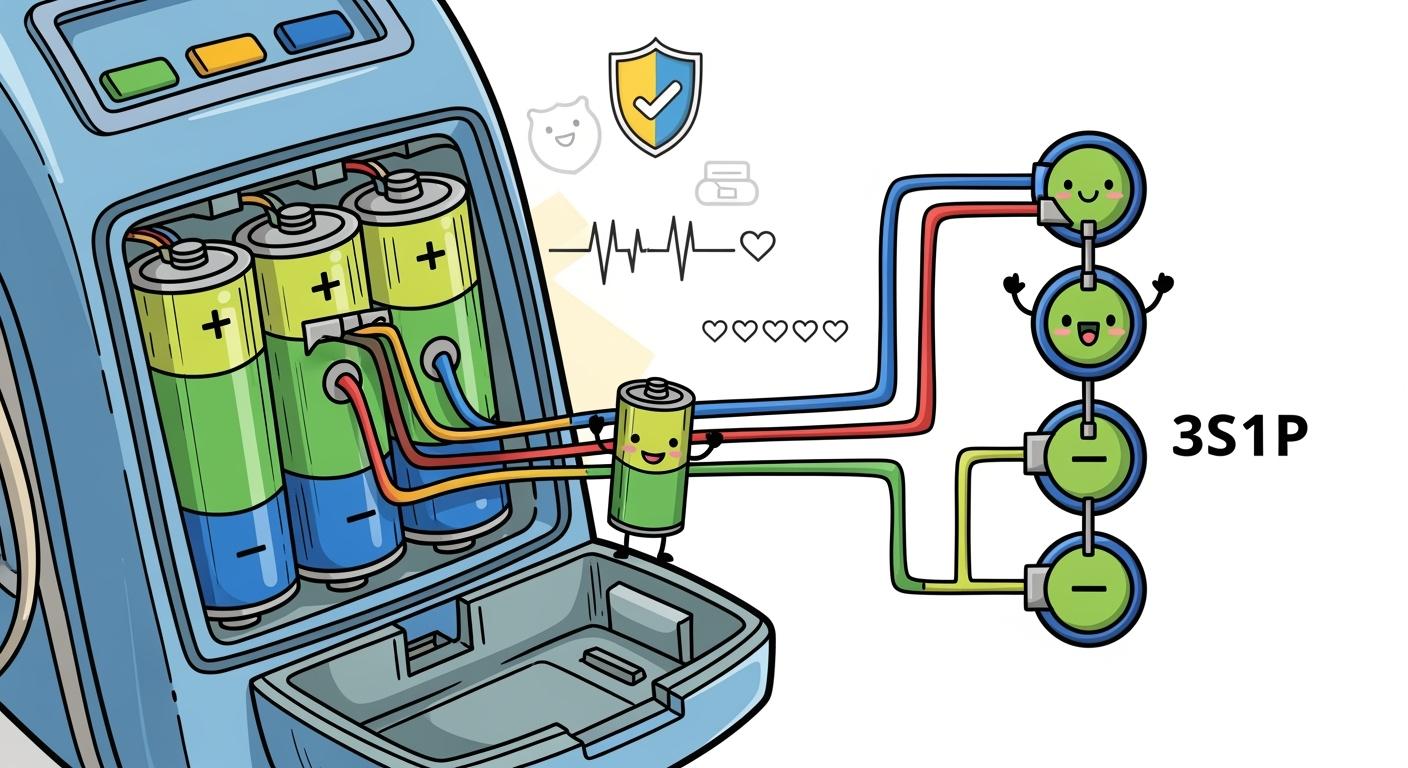
You depend on battery reliability for every medical infusion pump in your facility. Reliability analysis shows that unreliable or uncertified lithium battery packs create serious risks:
Power failure can stop therapy and erase data.
Incorrect voltage disrupts device communication.
Excessive discharge damages batteries and interrupts therapy.
Unexpected shutdowns cause therapy interruptions.
Reliability stays at the core of patient safety and device effectiveness. You find that the 3S1P configuration leads the industry because it offers unmatched reliability, safety, and consistent performance.
Key Takeaways
The 3S1P configuration offers unmatched reliability for medical infusion pumps, ensuring consistent power delivery and reducing therapy interruptions.
Safety features in 3S1P batteries, like advanced battery management systems, minimize risks of electrical failure and enhance patient safety.
Choosing 3S1P batteries supports long runtime and stable voltage, making them ideal for critical medical applications and reducing maintenance needs.
Part1: 3S1P Infusion Pump Battery Configuration
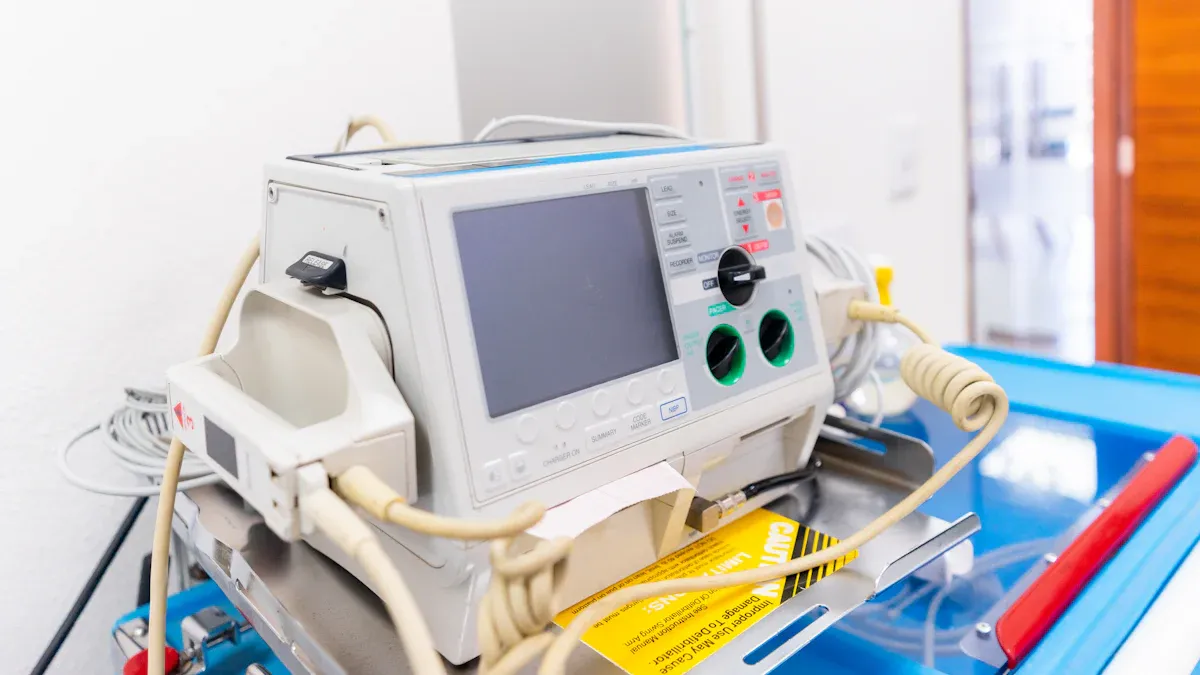
1.1 What Is 3S1P?
You often see the 3S1P configuration in medical infusion pumps. This setup means three lithium cells connect in series, forming one parallel group. The series connection increases the voltage, which matches the requirements of most infusion pump battery systems. The single parallel group ensures a compact design, which fits well inside medical equipment. You rely on this configuration because it balances energy output and size. In hospital environments, you need infusion pumps that deliver consistent power without adding bulk to your equipment. The 3S1P design supports reliability and safety, which are critical for every infusion pump battery.
1.2 Why 3S1P Suits Infusion Pumps
You demand high reliability from every infusion pump battery in your hospital. The 3S1P configuration meets the operational needs of medical equipment in several ways:
Reliable power supply ensures uninterrupted medication delivery and reduces the risk of therapy failure.
Continuous operation remains essential, especially during emergencies when errors or power failure can threaten patient safety.
Effective battery management systems in 3S1P setups help prevent unexpected failure and minimize errors.
Lithium battery packs offer high energy density and long lifespan, which supports the reliability and safety of infusion pumps.
Note: You must prioritize reliability and safety in every analysis of infusion pump battery performance. Consistent power delivery reduces the risk of errors and failure in critical hospital equipment. You can trust the 3S1P configuration to support the demanding requirements of medical infusion pumps, ensuring patient safety and minimizing the risk of equipment failure.
Part3: Why 3S1P Is Preferred for Reliability
3.1 Voltage and Runtime Advantages
You need infusion pumps that deliver stable voltage and long runtime in every hospital setting. The 3S1P configuration provides three lithium-ion cells in series, which increases voltage output. This matches the requirements of most medical equipment and supports continuous infusion therapy. You see that reliability analysis confirms the voltage stability of 3S1P setups. Pumps with this configuration maintain consistent performance, even during extended use.
You rely on lithium-ion batteries for their high energy density and efficient discharge rates. These batteries support infusion pumps in critical care, emergency rooms, and operating theaters. You avoid errors and failure by choosing a configuration that meets voltage and runtime demands. The 3S1P design ensures that your infusion pump battery delivers reliable power for long periods, reducing the risk of therapy interruptions.
Tip: When you evaluate battery life and cycle performance, always consider the voltage requirements of your equipment. The 3S1P setup offers a balance between runtime and compact design, making it a key consideration when choosing an infusion pump battery.
3.2 Safety and Redundancy Features
You prioritize safety and compliance in every reliability study. The 3S1P configuration supports the safety of infusion pumps by minimizing the risk of electrical failure and thermal runaway. Lithium-ion batteries in this setup include advanced battery management systems (BMS), which monitor cell voltage, temperature, and current. You use these systems to prevent errors and ensure safe operation in medical environments.
You know that redundancy features in 3S1P batteries protect against single-cell failure. If one cell experiences a fault, the BMS isolates the problem and maintains safe operation. This reduces the risk of equipment failure and supports continuous infusion therapy. You see that reliability analysis in hospital settings highlights the importance of safety and compliance. Pumps with 3S1P batteries meet ISO 13485 certification standards, which ensures high accuracy and reliability.
Note: You must conduct regular evaluation and monitoring of battery systems to maintain safety and compliance. The 3S1P configuration provides the redundancy and protection needed for medical, industrial, and security applications.
3.3 Consistent Performance Over Time
You demand consistent performance from every infusion pump battery. Reliability analysis shows that 3S1P lithium-ion batteries deliver stable output over hundreds of cycles. You avoid errors and failure by choosing high-cycle-life lithium-ion batteries for your pumps. These batteries maintain calibration and accuracy, which supports precise medication delivery in hospital and clinical settings.
You use reliability study data to evaluate battery degradation and cycle life. Pumps with 3S1P batteries show minimal performance loss over time, which reduces maintenance costs and downtime. You rely on lithium-ion batteries for their long lifespan and predictable discharge patterns. This consistency supports medical equipment, robotics, infrastructure, and consumer electronics applications.
You know that calibration and accuracy are key considerations when choosing an infusion pump battery. The 3S1P configuration ensures that your equipment delivers reliable performance, even after repeated use. You see that regular analysis and monitoring help you maintain high standards of safety and compliance.
Key Considerations When Choosing an Infusion Pump Battery | 3S1P Configuration Benefits |
|---|---|
Voltage Stability | High |
Runtime | Extended |
Safety and Compliance | Advanced BMS, ISO 13485 |
Redundancy | Cell-level protection |
Calibration and Accuracy | Maintained over cycles |
Reliability | Proven in reliability analysis |
Callout: You must choose rechargeable infusion pump battery solutions that meet the demands of hospital, industrial, and security system environments. The 3S1P configuration supports reliability, safety, and performance in every application.
You see that reliability analysis, evaluation, and monitoring are essential for maintaining the safety and compliance of infusion pumps. The 3S1P setup delivers the reliability, accuracy, and performance you need for medical equipment and beyond.
Part4: Comparing Infusion Pump Battery Configurations
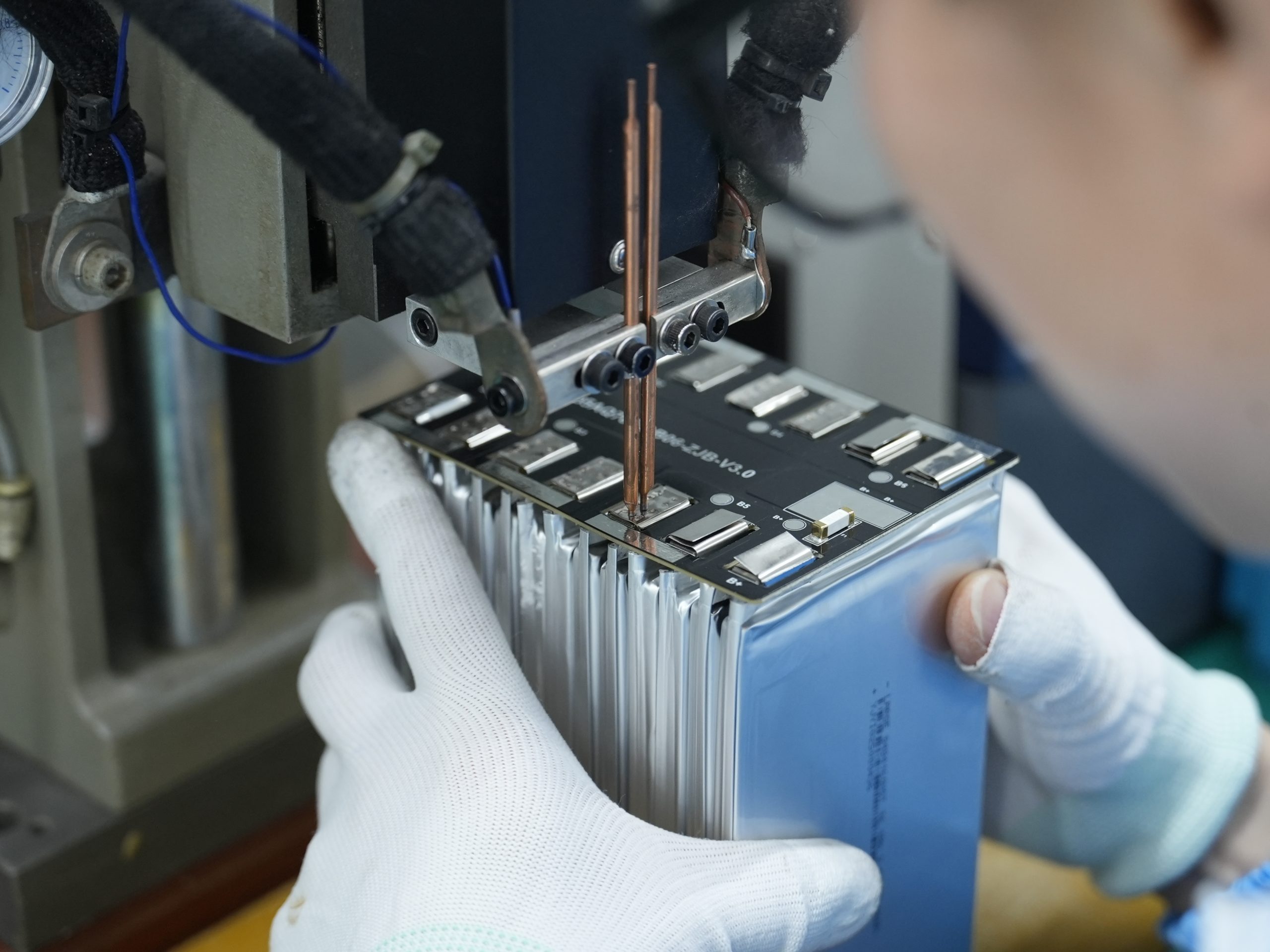
4.1 3S1P vs Other Setups
You face many choices when selecting an infusion pump battery for your hospital equipment. The 3S1P configuration stands out in reliability analysis, but you may wonder how it compares to other setups. You often see 2S1P, 4S1P, and parallel configurations in pumps for medical, robotics, security, and industrial applications. Each setup affects reliability, safety, and performance.
Configuration | Voltage (V) | Energy Density (Wh/kg) | Cycle Life | Size | Reliability | Common Use Cases |
|---|---|---|---|---|---|---|
3S1P | 10.8-12.6 | 180-250 | 500-1000 | Compact | High | |
2S1P | 7.2-8.4 | 180-250 | 500-1000 | Smaller | Moderate | Small pumps, consumer electronics |
4S1P | 14.4-16.8 | 180-250 | 500-1000 | Larger | Moderate | High-power industrial equipment, infrastructure |
Parallel | Varies | Varies | Varies | Bulky | Low | Backup systems |
Tip: You should match the battery configuration to your infusion pumps’ voltage and runtime needs. The 3S1P setup offers a balance of reliability, compact size, and safety for most hospital equipment.
4.2 Reliability and Safety Comparison
You rely on reliability analysis to guide your battery selection for infusion pumps. The 3S1P configuration delivers high reliability by reducing errors and minimizing failure risk. You see that pumps with 3S1P batteries maintain stable voltage, which prevents errors in medication delivery and device communication. Other setups, like 2S1P, may cause voltage drops, leading to equipment failure and therapy interruptions.
You know that safety is critical in hospital environments. The 3S1P infusion pump battery uses advanced battery management systems to monitor for errors and prevent thermal runaway. You avoid unexpected shutdowns and data loss by choosing a configuration with proven reliability. Reliability analysis shows that 3S1P batteries outperform others in cycle life and error prevention.
You must consider the impact of battery failure on patient safety and hospital operations. Pumps with 3S1P batteries reduce maintenance needs and lower the risk of errors. You ensure continuous infusion therapy and protect your equipment investment by prioritizing reliability in every analysis.
You gain reliability, safety, and strong performance by choosing 3S1P lithium-ion battery packs for infusion pumps. Certified batteries meet strict standards like ANSI/AAMI ES 60601-1 and IEC 62133, protecting patient safety. You see new trends shaping the future:
Trend | Description |
|---|---|
Miniaturization | Smaller, lighter batteries enhance portability and usability. |
Smart Battery Technologies | Integration of IoT for real-time monitoring and improved efficiency. |
Sustainable Materials | Increased focus on eco-friendly battery components for sustainability. |
Regulatory Push | Stricter regulations drive innovation for safety and performance standards. |
Consumer Demand | Users prefer batteries with longer lifespans and faster charging. |
FAQ
What makes 3S1P lithium battery packs ideal for medical infusion pumps?
You gain stable voltage, compact size, and high reliability with 3S1P lithium battery packs. These features support critical medical, robotics, and security camera applications.
How does Large Power support custom battery solutions for B2B clients?
You can request a tailored lithium battery pack for your industrial or infrastructure project.
Can you use 3S1P batteries in consumer electronics or other sectors?
Yes. You find 3S1P lithium-ion batteries in consumer electronics, medical devices, and security systems. These batteries deliver consistent performance and safety.


