

You rely on emergency medical devices to function without hesitation when every second counts. The low self-discharge advantage of a lithium-ion 2S2P pack ensures these devices maintain a ready state, even after long periods of storage. Reliable power directly supports patient safety and device performance. You minimize unexpected failures and reinforce trust in your critical equipment by choosing a battery solution designed for operational readiness.
Key Takeaways
Low self-discharge rates in lithium-ion batteries keep emergency medical devices ready for use, even after long periods of storage.
The 2S2P configuration balances voltage and capacity, ensuring reliable power for critical applications while reducing the need for frequent recharging.
Choosing a 2S2P lithium-ion pack can lead to significant cost savings by extending battery life and reducing maintenance needs.
Safety and compliance are enhanced with 2S2P packs, which meet strict industry standards and minimize risks associated with battery failures.
Proper storage and maintenance of 2S2P lithium-ion packs can maximize their lifespan and ensure dependable performance in emergencies.
Part1: Low Self-Discharge Advantage in Lithium-Ion Packs
1.1 What Is Low Self-Discharge?
Low self-discharge describes how slowly a battery loses its charge when not in use. You want a battery that holds its energy for long periods, especially in critical applications. Lithium-ion batteries stand out because they lose only about 0.5% to 3% of their charge each month. This slow rate means your emergency medical devices stay ready for action, even after months in storage.
Several factors can affect self-discharge:
Temperature: Higher temperatures can double the self-discharge rate for every 10°C increase.
State of Charge: Batteries stored at higher charge levels tend to lose energy faster.
Age and Condition: Older or damaged batteries self-discharge more quickly.
When you choose lithium-ion packs, you benefit from a chemistry that naturally resists energy loss. This feature supports the reliability you need in medical environments.
1.2 Why It Matters for Emergency Devices
You depend on emergency medical devices to work instantly, no matter how long they have been idle. The low self-discharge advantage ensures your equipment remains charged and operational, reducing the risk of failure during a crisis.
Consider these benefits:
Your devices deliver reliable performance, even after months without use.
You spend less time and resources on frequent recharging, which extends battery life.
Your team can trust that life-supporting equipment will function when needed most.
Lithium-ion batteries retain their charge over time, making them ideal for devices that may sit unused but must always be ready. The low self-discharge advantage directly supports emergency readiness and patient safety. You gain peace of mind knowing your power source will not let you down in critical moments.
Part2: 2S2P Configuration and Its Benefits
2.1 2S2P Structure Overview
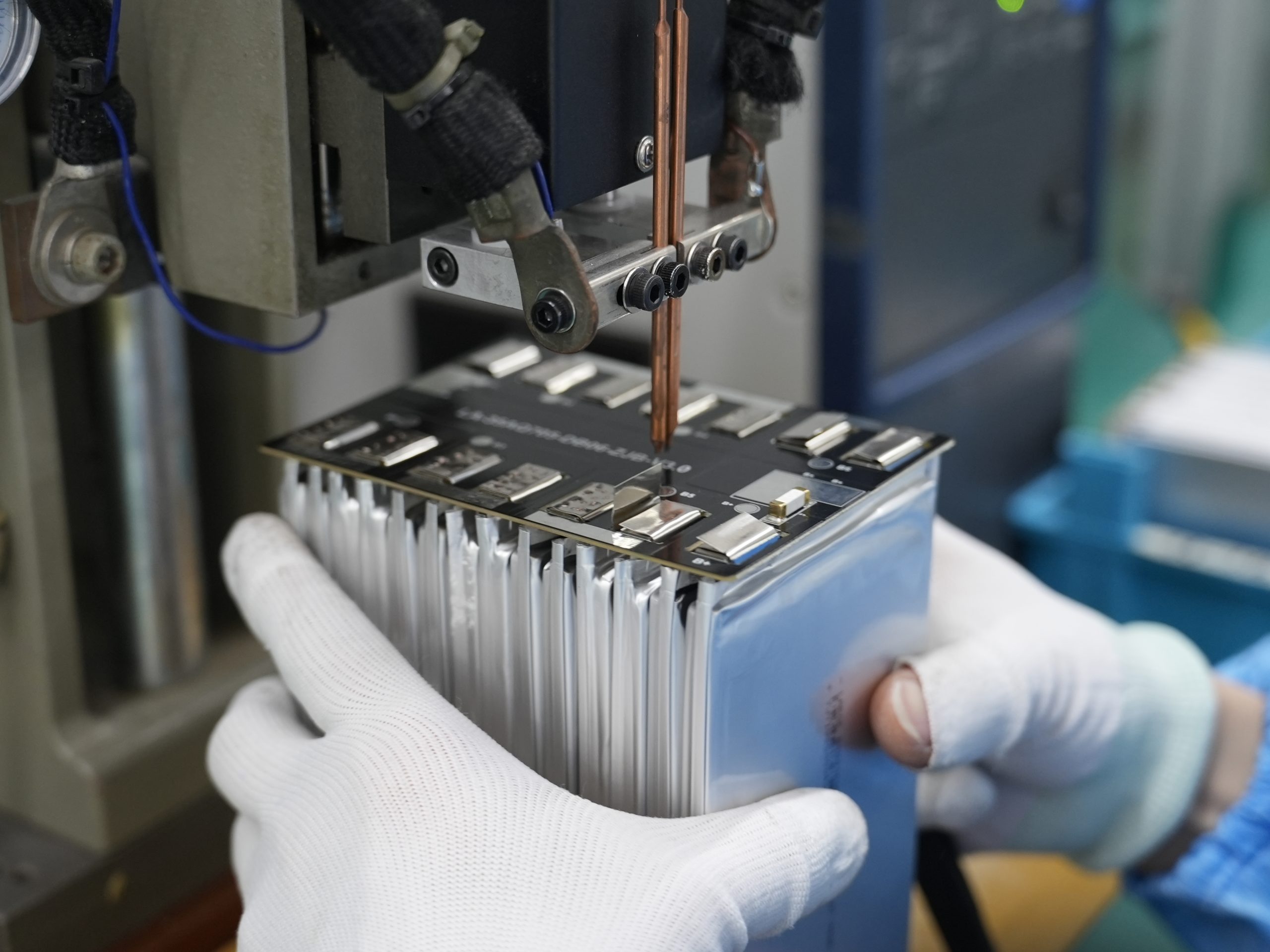
You often need a battery pack that balances both voltage and capacity for your emergency medical devices. The 2S2P configuration achieves this by connecting two lithium-ion cells in series and two in parallel. This structure increases the voltage while also boosting the total capacity, making it ideal for applications that demand reliable, long-lasting power.
Tip: The 2S2P setup is widely used in medical equipment, portable electronics, and backup power systems because it delivers both higher voltage and extended runtime.
Here is a summary of the key technical characteristics of a typical 2S2P lithium-ion battery pack:
Specification | Details |
|---|---|
Product Type | Rechargeable, Battery, Standard Pack |
Chemistry | Lithium-ion |
Voltage (Nominal) | 7.2 V |
Capacity (Nominal) | 5.7 Ah |
Certifications | UN 38.3, IEC 62133:2002 |
Operating Temperature | -20 to 60 °C |
Storage Temperature | -20 to 50 °C |
Common Applications | Portable electronics, Hand-held devices, Medical equipment, Back-up power |
Key Features | Off-the-shelf convenience, Wire or connector terminals, Full circuit protection, Thermistor wire option, Meets all UN transportation testing, Long cycle life, High energy density, Wide operating temperature range, Lightweight, No memory effect |
You gain a battery pack that meets strict safety and performance standards, ensuring your devices remain dependable in critical situations.
2.2 How 2S2P Enhances Low Self-Discharge
The 2S2P configuration offers a clear Low Self-Discharge Advantage for your emergency medical devices. By combining cells in both series and parallel, you achieve a balance that supports excellent charge retention. This means your devices stay ready for use, even after extended storage.
The series connection increases voltage, meeting the demands of advanced medical equipment.
The parallel connection boosts capacity, providing longer runtime and reducing the frequency of recharging.
You benefit from a configuration that maintains a low self-discharge rate, especially at optimal states of charge. For example, batteries in a 2S2P setup show lower self-discharge at 70% state of charge, which is ideal for storage and readiness.
Configuration | Total Voltage | Total Capacity | Total Current Output |
|---|---|---|---|
2S2P | 7.2V | 8400mAh | 80A |
Single Cell | 3.6V | 4200mAh | 40A |
Note: The Low Self-Discharge Advantage ensures your battery pack remains efficient and reliable, reducing the risk of unexpected power loss.
You can trust that your emergency medical devices will function when needed, thanks to the superior charge retention and readiness provided by the 2S2P lithium-ion pack.
Part3: Impact on Emergency Medical Devices
3.1 Reliability and Readiness
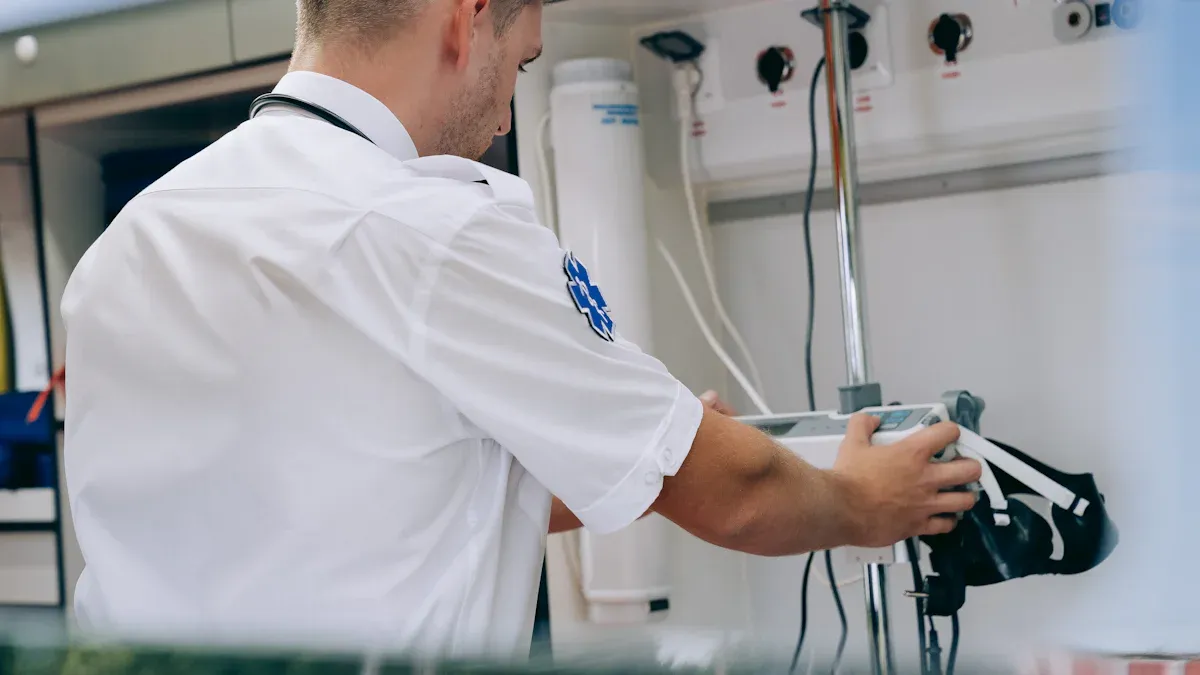
You need emergency medical devices that work every time you turn them on. The 2S2P lithium-ion pack gives you this confidence. Its low self-discharge rate means your devices stay charged and ready, even after months of storage. In hospitals, clinics, and field operations, you cannot afford delays or failures. Medical teams in ambulances, surgical suites, and remote care settings rely on equipment that powers up instantly.
You also see this reliability in robotics for surgery, security systems for access control, and industrial automation where downtime is costly. The 2S2P configuration helps you avoid common battery failure modes. Factors like sterilization, environmental stress, and design flaws can cause batteries to fail. By choosing a robust lithium-ion pack, you reduce these risks. Manufacturers use advanced failure analysis to identify and correct issues, ensuring your devices meet the highest standards for reliability.
Note: Reliable power is not just a convenience. It is a requirement for patient safety and operational efficiency.
3.2 Maintenance and Cost Savings
You want to lower maintenance costs and reduce the frequency of battery replacements. The 2S2P lithium-ion pack supports these goals. Its longer lifespan and stable chemistry mean you schedule fewer service calls and spend less on labor. Hospitals and clinics have reported significant savings by switching to lithium-ion packs for their emergency equipment.
Here is how the 2S2P lithium-ion pack contributes to cost savings:
Benefit | Description |
|---|---|
Longer Lifespan | Lithium-ion batteries last longer, reducing the frequency of replacements. |
Reduced Maintenance | Fewer service calls and lower labor costs contribute to overall savings. |
Significant Savings | Hospitals reported nearly 30 million euros in savings over six years. |
You also see these benefits in security systems, infrastructure backup, and industrial robotics. Lower maintenance means more uptime and fewer disruptions. You can allocate resources to other critical areas, knowing your power supply is dependable.
3.3 Safety and Compliance
You must meet strict safety and compliance standards in the medical industry. The 2S2P lithium-ion pack helps you achieve this. Battery failures in portable and implantable medical devices pose serious risks to patients and users. Understanding the specific failure mechanisms related to battery chemistry and design is essential. Manufacturers use industry-leading analysis to identify root causes and implement corrective actions.
You also face challenges from environmental stress and sterilization processes. The 2S2P configuration, with its robust design, helps you mitigate these risks. You ensure your devices comply with regulations and pass rigorous testing. This commitment to safety extends to other sectors, such as robotics, security, and industrial automation, where compliance is equally important.
Tip: Always choose battery packs that meet international certifications and have a proven track record in critical applications.
You protect patients, users, and your organization by prioritizing safety and compliance in your battery selection.
Part4: Comparing Battery Configurations
4.1 2S2P vs. Other Setups
You face many choices when selecting a battery configuration for emergency medical devices. The 2S2P lithium-ion pack stands out for its low self-discharge and reliable performance. To help you compare, see the table below. It highlights self-discharge rates for common battery chemistries and configurations used in medical equipment:
Battery Type | Configuration | Platform Voltage | Energy Density (Wh/kg) | Cycle Life (cycles) | Self-Discharge Rate | Notes |
|---|---|---|---|---|---|---|
Lithium-ion (2S2P) | 2S2P | 7.2 V | 150–250 | 500–1,000 | Low | Ideal for devices with long idle periods |
Lithium-ion (2S4P) | 2S4P | 7.2 V | 150–250 | 500–1,000 | ≤3%/Month @ 25°C | Higher capacity, similar chemistry |
Nickel-Cadmium (NiCd) | N/A | 1.2 V/cell | 40–60 | 1,000–1,500 | Higher | Loses charge quickly when not in use |
Nickel-Metal Hydride (NiMH) | N/A | 1.2 V/cell | 60–120 | 500–1,000 | Moderate | Moderate self-discharge compared to NiCd |
Note: Lithium-ion 2S2P packs offer a unique balance of high energy density and low self-discharge, making them well-suited for critical medical and industrial applications.
4.2 Why 2S2P Excels in Emergencies
You need batteries that perform under pressure. The 2S2P lithium-ion pack delivers consistent results in high-stress environments. You benefit from:
Operation in hazardous and unpredictable conditions, ensuring reliability when it matters most.
Proven performance during temperature swings, physical shocks, and long duty cycles.
Rigorous quality control, with each pack tested individually before shipment.
These features give you confidence that your emergency medical devices will work every time. The low self-discharge rate means you can store equipment for months without worrying about power loss. In hospitals, ambulances, and field clinics, this reliability supports patient safety and operational efficiency.
Tip: Choose 2S2P lithium-ion packs for applications where readiness and durability are non-negotiable. You reduce maintenance, avoid unexpected failures, and meet strict industry standards.
You set your organization apart by prioritizing battery solutions that excel in emergencies. The 2S2P configuration ensures your devices stay ready, reliable, and compliant—no matter the challenge.
Part5: Real-World Applications
5.1 Emergency Response Scenarios
You face high-stakes situations in emergency medical, security, and industrial environments. The 2S2P lithium-ion pack delivers reliable power when you need it most. During the recent pandemic, you saw these battery packs power essential air filtration systems in hazmat suits for healthcare workers and emergency responders. This technology ensured the availability of critical protective equipment, directly enhancing safety and performance in high-risk environments.
You benefit from rapid deployment. Over 100,000 battery packs reached the front lines in just 60 days, supporting crisis-driven innovation.
Your teams rely on consistent power for portable medical devices, robotics used in decontamination, and mobile security systems.
You maintain operational readiness in unpredictable conditions, from field hospitals to disaster recovery sites.
Tip: Choose 2S2P lithium-ion packs for applications where uninterrupted power and rapid response are essential. You improve outcomes for both patients and staff in emergency scenarios.
5.2 Long-Term Storage Needs
You must ensure that your emergency equipment remains ready after months or even years in storage. The low self-discharge rate of 2S2P lithium-ion packs makes this possible. After the initial 24 hours, these batteries lose only 1–2% of their charge per month, with safety circuits adding a small additional drain. This feature allows your medical, security, and infrastructure devices to operate accurately for years without frequent battery changes.
To maximize battery life and reliability, follow these best practices:
Store your lithium-ion 2S2P packs in a dry environment with temperatures between 10°C and 35°C.
Charge batteries to 50%–60% before placing them in long-term storage.
Conduct maintenance checks every three months to prevent excessive self-discharge.
Remove batteries from devices if you notice any abnormalities during use or storage.
Environmental factors also play a role. Cold weather can reduce battery performance, while high temperatures may cause damage or swelling. Humidity can lead to corrosion or short circuits, so always choose dry storage locations.
Note: By following these guidelines, you ensure your emergency devices remain dependable and compliant, ready to perform when you need them most.
You ensure your emergency medical devices remain ready with the Low Self-Discharge Advantage of 2S2P lithium-ion packs. The following table highlights the proven reliability of these packs in critical deployments:
Metric | Value |
|---|---|
Total battery packs delivered | 100,000 |
Delivery timeframe | 60 days |
On-time delivery rate | 100% |
Defects | 0 |
Choosing the right battery configuration impacts reliability and safety:
Integration of advanced lithium-ion packs supports consistent device performance.
Limited lifespan and environmental factors can affect alternative chemistries.
Compatibility and maintenance challenges increase with outdated battery types.
You see strong market growth for lithium-ion packs in emergency medical devices, with projections exceeding USD 3.45 billion by 2035. Prioritize the Low Self-Discharge Advantage and 2S2P packs to keep your critical equipment dependable and compliant.
FAQ
What is the typical self-discharge rate for a 2S2P lithium-ion battery pack?
You can expect a 2S2P lithium-ion battery pack to lose only 0.5%–3% of its charge per month at room temperature. This low rate ensures your emergency medical devices remain ready for use after long storage periods.
How does a Battery Management System (BMS) improve safety in lithium-ion packs?
A BMS monitors voltage, temperature, and current in real time. You gain protection against overcharge, deep discharge, and short circuits. For more details, see our Battery Management System guide.
How does the 2S2P configuration compare to other battery setups for medical devices?
Configuration | Platform Voltage | Energy Density (Wh/kg) | Cycle Life (cycles) | Self-Discharge Rate |
|---|---|---|---|---|
2S2P Lithium-ion | 7.2 V | 150–250 | 500–1,000 | Low |
NiCd | 1.2 V/cell | 40–60 | High | |
NiMH | 1.2 V/cell | 60–120 | 500–1,000 | Moderate |
Are 2S2P lithium-ion packs compliant with medical device regulations?
You meet international standards such as UN 38.3 and IEC 62133:2002 with certified 2S2P lithium-ion packs. These certifications ensure your devices comply with strict safety and transport regulations.
What sustainability considerations apply to lithium-ion battery packs?
You support sustainability by choosing packs with recyclable materials and responsible sourcing. For more on conflict minerals and recycling, visit our Sustainability and Compliance page.


