

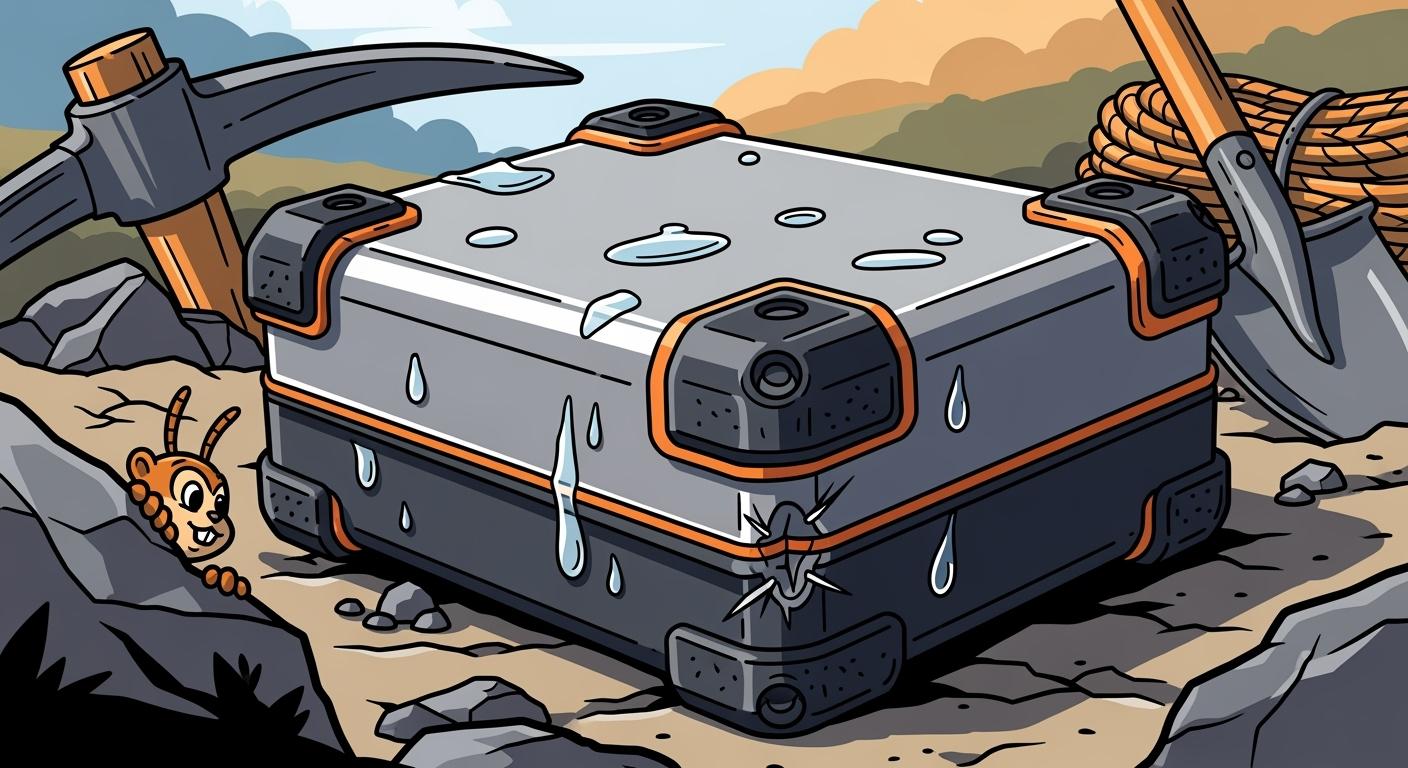
You need to protect lithium battery packs in the field from water, dust, and mechanical shocks. Achieving IP67 or higher ratings ensures reliability in harsh industrial, medical, robotics, and security application environments.
You must also consider hazards such as hazardous metal leaching. Engineering Shock-Proof housings require advanced materials and lightweight design for LiFePO4, NMC, LCO, and LMO chemistries.
Key Takeaways
IP67-rated battery housings protect against dust and water, ensuring reliable performance in harsh environments.
Advanced materials and sealing methods are essential for preventing water ingress and corrosion, extending battery life.
Regular maintenance, including inspections and re-torquing terminals, is crucial for maximizing the longevity of battery packs.
Choosing the right lithium battery chemistry, like LiFePO4, enhances safety and cycle life for field applications.
Testing and certification ensure that battery housings meet safety standards, providing peace of mind in critical applications.
Part1: IP67 and Advanced Protection
1.1 IP67 Explained for Lithium Batteries
You need to understand what IP67 means for lithium battery housings. This rating ensures your battery packs stay safe from dust and water in tough environments. The table below shows the main criteria for IP67 certification:
Criteria | Description |
|---|---|
Dust Protection | Complete protection against ingress of dust particles. |
Water Protection | Protection against immersion in water up to 1 meter for 30 minutes without loss of functionality. |
IP67-rated lithium batteries offer high levels of protection against dust and moisture. You can use them in agriculture, pharmaceuticals, and industrial settings. These batteries allow submersion in water for up to 1 meter for 30 minutes. You get reliable performance even in wet or dirty conditions. Lower IP ratings, such as IP65, only resist low-pressure water jets. They do not provide the same level of reliability in wet environments.
1.2 Beyond IP67: Higher Ratings and Use Cases
Some applications need more than IP67. You may require IP68-rated battery housings for marine environments or areas with constant water exposure. IP68 means your batteries can handle continuous submersion under specific conditions. You see this rating in marine, robotics, and security systems where water and dust pose serious risks. IP68 helps prevent corrosion, electrical faults, and performance loss. It keeps lithium battery packs safe in harsh marine environments and industrial wash-down areas. Engineering Shock-Proof designs often combine IP68 with robust mechanical protection for maximum safety.
1.3 Water, Dust, and Corrosion Resistance
Water, dust, and corrosion can damage lithium battery housings. You face risks such as:
Internal short circuits from water corrosion.
Electrolyte contamination that lowers battery performance.
Corrosion of metal components, which affects battery integrity.
Damage to the battery management system (BMS).
Delayed failures from hidden water damage.
Common causes include improper storage in humid places, accidental exposure during transport, and poor maintenance. You can prevent corrosion by using advanced materials and coatings. For example, CHEMEON eTCP forms a passivating layer on aluminum, powder coatings add durability, and parylene coatings provide a thin, pinhole-free barrier. These solutions protect your batteries in medical, infrastructure, and consumer electronics applications. You should inspect seals and maintain housings regularly to avoid costly failures.
Part2: Engineering Shock-Proof Battery Housings
2.1 Key Shock-Proofing Challenges
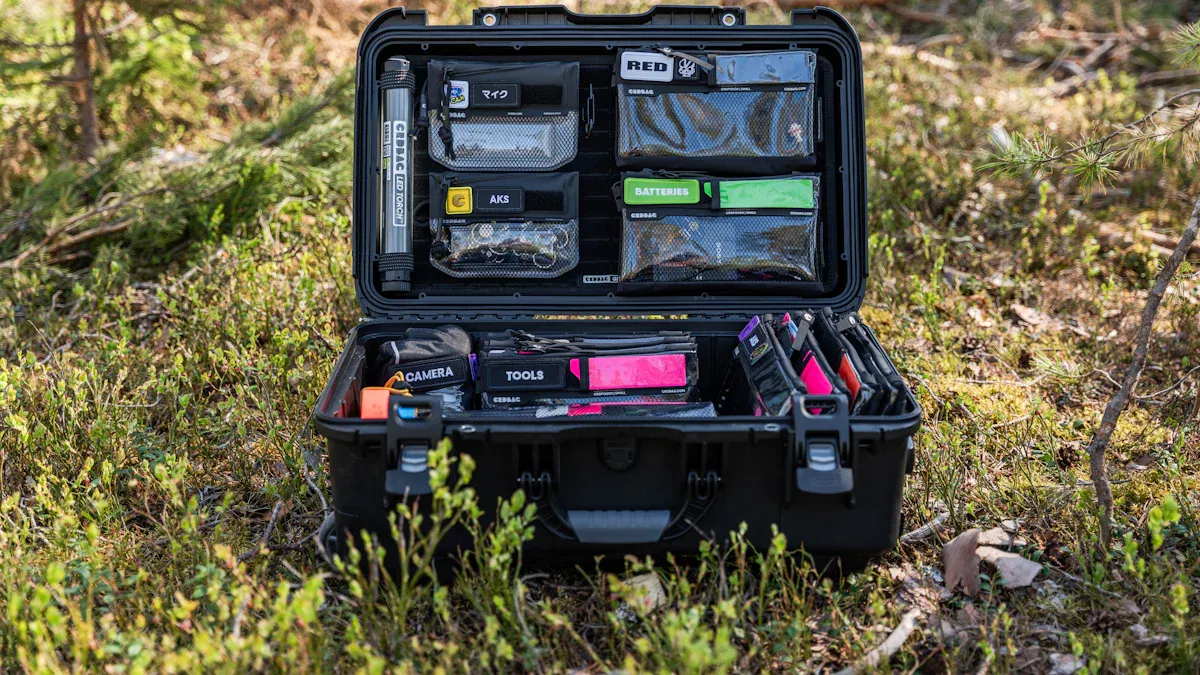
You face several engineering obstacles when designing shock-proof lithium battery housings for field and marine environments. You must protect battery cells from voltage excursions, excessive discharge, and overcharging. These issues can cause irreversible damage or even fires. You need to install a Battery Management System (BMS) with dedicated connections for sensing cell voltages and temperature sensors. Placing the BMS module close to the battery reduces wiring length and electromagnetic disturbances, which improves reliability in harsh conditions.
You must also select the right enclosure and sealing methods. Marine-grade enclosures, laser welding, silicone gaskets, oil-filled designs, and hermetic seals all help block moisture and maintain battery integrity. High IP ratings ensure reliable operation in submerged or wet conditions. You see these solutions used in medical devices, robotics, security systems, infrastructure, and industrial equipment.
Design Feature | Benefit |
|---|---|
Marine-grade enclosure | Corrosion resistance, longer battery life |
Laser welding & silicone gaskets | Superior sealing, prevents water ingress |
Oil-filled design | Enhanced waterproofing, pressure balance |
Hermetic seals | Blocks moisture, maintains integrity |
High IP rating | Reliable operation in submerged conditions |
You must choose the right lithium battery chemistry for your application. Each chemistry offers different platform voltage, energy density, and cycle life. The table below compares common types:
Chemistry | Platform Voltage | Energy Density (Wh/kg) | Cycle Life (cycles) |
|---|---|---|---|
LiFePO4 | 3.2 V | 90-120 | 2000-5000 |
NMC | 3.7 V | 150-220 | 1000-2000 |
LCO | 3.6 V | 150-200 | 500-1000 |
LMO | 3.7 V | 100-150 | 300-700 |
You see LiFePO4 used in medical and industrial sectors for its long cycle life. NMC and LCO are common in consumer electronics and robotics due to higher energy density. LMO finds use in security systems and infrastructure where moderate energy density and cycle life are acceptable.
2.2 Impact of Vibration and Crash Resistance
You must address vibration, crash, and intrusion resistance when designing Engineering Shock-Proof battery housings. Vibration and crash standards ensure your battery packs survive transport, installation, and operation in demanding environments. You need to test for random vibration, automotive cycles, and transport stresses.
Standard | Description |
|---|---|
IEC 60068-2-64 | Random vibration testing |
SAE J2380 | Automotive vibration cycles |
UN 38.3 T3 | Transport vibration test (minimal requirement) |
You should use several test methods to evaluate battery housing durability:
Axial Testing: Checks battery performance across X, Y, and Z axes.
Mechanical Shock Testing: Simulates high-G acceleration pulses.
Shaker Table: Assesses performance under continuous vibration.
Drop Tower Shock Test Machine: Delivers consistent mechanical shocks.
Acceleration Sled: Simulates crash conditions for large packs.
Impact Sled: Generates shocks for larger battery packs.
Pyroshock: Replicates extreme mechanical shocks for aerospace.
You also need to perform sinusoidal and random vibration testing. Sinusoidal tests identify resonance frequencies and structural weaknesses. Random vibration tests replicate real-world conditions. The UN 38.3 T3 standard requires testing from 7 Hz to 200 Hz to simulate transportation stresses.
You see these standards and tests applied in medical, robotics, and industrial sectors. Security systems and infrastructure also demand high vibration and crash resistance for reliable operation.
2.3 Balancing Lightweight and Protection
You must balance lightweight construction with robust protection for operational efficiency. Composite battery housing designs can reduce weight by up to 40% compared to metal. These designs meet safety, mechanical, and thermal requirements, ensuring durability under shock conditions. High thermomechanical properties protect battery cells from shocks. Design freedom allows you to create innovative solutions that enhance shock resistance.
The Tepex® test specimen did not undergo burnthrough even at temperatures as high as 1400°C. Low-thickness thermoplastic composites can ensure safety and shock resistance without additional protective measures.
You need to consider the trade-off between electrical and mechanical properties in lightweight designs. Composite-battery integrated structures balance mechanical resistance and energy storage. These structures reduce mechanical damage while maintaining performance. This balance is crucial for next-generation electric vehicles and field equipment.
Composite housings offer:
Weight reduction for easier transport and installation.
Enhanced shock resistance for demanding environments.
Durability for medical, robotics, security, infrastructure, and industrial applications.
You must apply Engineering Shock-Proof principles to achieve both lightweight and robust battery housings. You improve operational efficiency and reliability in the field by choosing advanced materials and innovative designs.
Part3: Materials and Sealing Solutions
3.1 Advanced Materials for Durability
You need to choose the right materials for lithium battery housings to ensure durability in the field. Aluminum offers excellent strength-to-weight ratio and resists corrosion, making it ideal for industrial, military, and outdoor equipment. Polycarbonate and polyethylene provide lightweight options for consumer electronics and handheld devices. Composite materials deliver enhanced strength and temperature resistance, which suits robotics and medical applications. Bio-based plastics and recycled materials support sustainability goals and help reduce environmental impact.
Material | Properties | Environmental Impact |
|---|---|---|
Aluminum | Strong, corrosion-resistant | Recycling methods improving |
Polycarbonate | Lightweight, versatile | Petroleum-based, environmental concerns |
Polyethylene | Lightweight, versatile | Petroleum-based, environmental concerns |
Composite Materials | Strong, temperature-resistant | Potential for sustainable sourcing |
Bio-based Plastics | Renewable, eco-friendly | Reduces fossil fuel reliance |
Recycled Materials | Minimizes waste, supports circular economy | Reduces need for new raw materials |
Tip: Composite housings can reduce weight by up to 40%, improving transport and installation for field use.
3.2 Sealing Methods: Gaskets, O-Rings, Potting
You must select effective sealing methods to protect lithium battery packs from water and dust. Silicones offer high flexibility, thermal stability, and fire resistance. Epoxy resins provide strong adhesion, while polyurethanes deliver moderate flexibility. Cured-in-place gaskets (CIPG) allow easy maintenance, and formed-in-place gaskets (FIPG) create permanent seals for immediate assembly.
Component | Protection Level | Material Types | Applications |
|---|---|---|---|
Gaskets and O-rings | Advanced | Silicone, NBR, EPDM, PTFE, metal, composite | Sealing, fluid containment, environmental protection |
Potting Compounds | Moderate | Encapsulating materials | Encapsulating electronic components |
Rubber seals are crucial for waterproofing and dustproofing in battery packs.
They resist high temperatures and vibration, which enhances long-term reliability.
Their role is irreplaceable in ensuring safety and performance for vehicles and field equipment.
3.3 Preventing Water and Corrosion Damage
You need to prevent water ingress and corrosion to maintain battery performance. Waterproof casings block seawater and moisture from sensitive components. Corrosion-resistant coatings add extra defense against salt and water exposure. Rugged battery designs feature sealed housings and reinforced casings for marine, industrial, and security system applications.
Note: Environmental sealing solutions prevent gas leaks, moisture ingress, and electrical shorting. Reliable sealing is essential for the long-term stability and safety of lithium battery packs in medical, robotics, and infrastructure sectors.
You improve the lifespan and reliability of your battery packs by using advanced materials and sealing solutions. Engineering Shock-Proof designs combine these features to meet the demands of harsh environments.
Part4: Testing, Validation, and Maintenance
4.1 Field Testing for IP and Shock Standards
You need to validate your lithium battery housings through rigorous field testing. Immersion tests confirm waterproofing by submerging the battery in salt water and observing for leaks or failures. Mechanical tests assess shock resistance by applying stress and impact to the housing. These protocols help you ensure reliability in medical, robotics, security, and industrial applications.
Testing Protocols | Description |
|---|---|
Immersion Tests | Submerge the battery system in salt water to check for waterproof integrity. |
Mechanical Tests | Apply shocks and vibrations to evaluate structural durability. |
You should follow industry standards such as UL 9540, UL 2580, UL 1973, UL 1642, SAE J2929, and UN 38.3. These standards set benchmarks for safety and performance. For more details, refer to UL Standards and UN 38.3 Testing.
During field testing, you may encounter common failure modes:
Failure Mode Description | Cause |
|---|---|
One or more cells are ‘dead’ measuring zero volts | Dendrites short-circuit the battery |
Battery charges but voltage drops during operation | Dried out chemistry in one or more cells |
Old age of the battery | Capacity loss from anode/cathode degradation |
One cell is much weaker than others | Early detection can allow recovery |
You can prevent these failures by using a robust Battery Management System (BMS) and following strict testing protocols.
4.2 Certification and Compliance
You must meet certification standards before deploying lithium battery housings in the field. These certifications ensure safety during transport, storage, and operation. The most recognized standards include:
Certification Standard | Description |
|---|---|
UN38.3 | Ensures safe transportation of lithium batteries through rigorous environmental and mechanical tests. |
UL1642 | Focuses on safety requirements for individual lithium battery cells. |
IEC62133 | Covers safety for rechargeable batteries in portable devices. |
Compliance requirements vary by region:
Region | Compliance Requirements |
|---|---|
EU | Must comply with UN 38.3 and ADR packaging requirements. |
US | Requires UN 38.3 compliance for air shipments, including test summaries and packaging. |
Canada | Mandates UN 38.3 compliance, including safety features and pre-transport testing. |
You should always verify that your battery packs meet these standards, especially for applications in infrastructure, medical, and industrial sectors.
4.3 Maintenance for Longevity
You can extend the life of your IP67+ battery housings with regular maintenance. After major storms, inspect gaskets, connector boots, and weep points for dust or water damage. Annually, re-torque terminals to manufacturer specifications to prevent loosening from thermal cycles. Replace UV-hardened boots and seals at the first sign of wear to keep the enclosure secure. Use app alerts to monitor temperature and voltage, and keep a log of your findings for warranty support.
Recommended inspection schedule:
Frequency | Tasks | Performed By |
|---|---|---|
Monthly | Visual inspection, check alerts, clean exterior | User |
Quarterly | Check connection tightness, review performance logs | User / Installer |
Annually | Full diagnostic, firmware updates, torque checks | Qualified Technician |
Tip: Consistent maintenance ensures reliable operation in demanding environments like robotics, security systems, and industrial infrastructure.
To engineer IP67+ shock-proof, water-resistant lithium battery housings, you should follow these steps:
Discover your waterproofing needs, including IP rating, voltage, and environment.
Define a tailored solution for your application.
Estimate costs based on volume and customization.
Prototype and test a sample for feedback.
Finalize the contract and production plan.
Aspect | Benefits |
|---|---|
Material Type | Thermoplastics and composites improve strength and thermal management. |
Manufacturing Process | Advanced molding reduces assembly steps and cost. |
Safety Features | Innovative materials boost fire resistance and reliability. |
Ongoing innovation in materials and design ensures your battery packs perform reliably in medical, robotics, security, infrastructure, and industrial sectors. Regular maintenance and careful management of state of charge and temperature help maximize field reliability.
FAQ
What does IP67 mean for lithium battery housings?
IP67 means your battery housing blocks dust and resists water immersion up to 1 meter for 30 minutes. You get reliable protection for medical, robotics, security, and industrial applications.
Which lithium battery chemistry suits field use best?
You should consider LiFePO4 for long cycle life (2000–5000 cycles) and safety. NMC offers higher energy density (150–220 Wh/kg) for robotics and consumer electronics. LCO and LMO fit security and infrastructure needs.
Chemistry | Platform Voltage | Energy Density (Wh/kg) | Cycle Life (cycles) |
|---|---|---|---|
LiFePO4 | 3.2 V | 90–120 | 2000–5000 |
NMC | 3.7 V | 150–220 | 1000–2000 |
LCO | 3.6 V | 150–200 | 500–1000 |
LMO | 3.7 V | 100–150 | 300–700 |
How do you maintain water-resistant battery housings?
You inspect seals and gaskets monthly. You replace worn boots and seals. You re-torque terminals annually. You monitor temperature and voltage using app alerts. You keep a maintenance log for warranty support.
Why is shock-proofing important for battery packs?
Shock-proofing protects battery cells from damage during transport and operation. You reduce the risk of fires and failures in medical, industrial, and security systems. You improve reliability in harsh environments.
Can lightweight housings still provide strong protection?
Yes. You use composite materials to reduce weight by up to 40%. You maintain durability and shock resistance for robotics, infrastructure, and field equipment. You improve transport and installation efficiency.


