

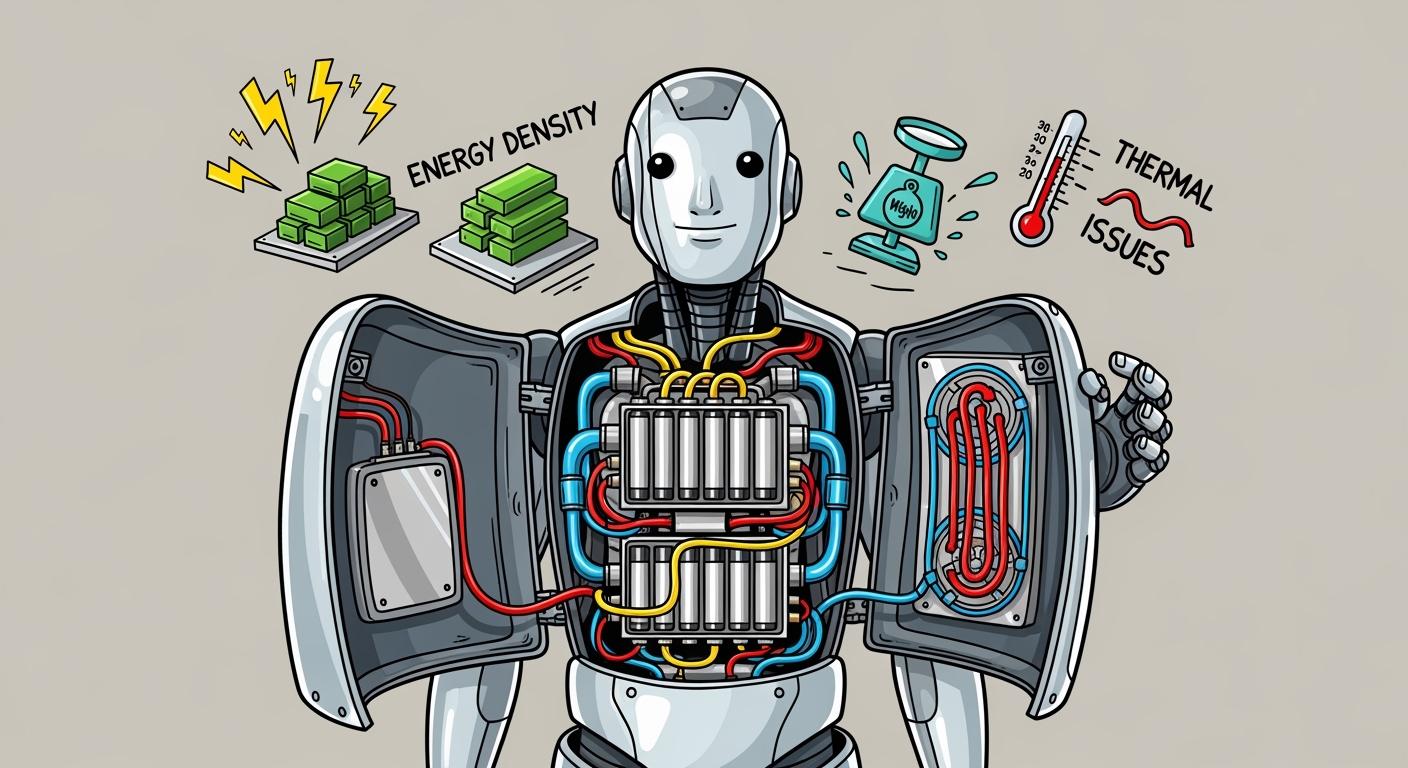
You face significant Battery Design Challenges when building humanoid robots. Energy density limits reduce your robot’s operating time and performance. Weight adds complexity and restricts mobility. Thermal constraints create safety risks, especially with lithium-ion battery packs. Strict mass, volume, and shape requirements mean you must balance battery life, recharge intervals, and custom designs. The table below shows how these challenges impact your engineering decisions:
Challenge | Description |
|---|---|
Energy Density | Limited energy density leads to short operating times, impacting performance. |
Weight | High performance demands increase weight, complicating design. |
Thermal Constraints | Safety concerns under extreme conditions and risks of thermal runaway due to battery design. |
Key Takeaways
Energy density limits affect how long humanoid robots can operate. Most lithium batteries provide only 2-4 hours of use, leading to downtime.
Weight and shape of battery packs are crucial. Heavier batteries can restrict robot movement and require custom designs to fit within limited spaces.
Thermal management is essential for safety. High temperatures can damage components and lead to battery fires, so effective cooling systems are necessary.
Advanced Battery Management Systems (BMS) help monitor battery health. They prevent overheating and ensure safe operation in demanding environments.
Innovative strategies like energy harvesting and custom battery designs can enhance robot performance and extend operational time.
Part1: Battery Design Challenges in Humanoid Robots
Humanoid robots face several Battery Design Challenges that impact their performance, reliability, and safety. You must consider energy density, weight, shape, and thermal constraints when designing lithium battery packs for these robots. These factors determine how long your robot can operate, how much it can carry, and how safely it can function in demanding environments.
1.1 Energy Density Limits
You will find that energy density is a primary limitation in current battery technologies. The amount of energy stored in a given volume or weight directly affects how long your robot can work before needing a recharge. Most lithium battery packs today provide only 2-4 hours of operation, which leads to frequent downtime and reduces productivity in industrial, medical, and security applications. This challenge becomes more critical as robots take on complex tasks that require more power.
Recent advancements have improved energy density, but the gains remain incremental. For example:
LFP (Lithium Iron Phosphate) batteries offer 150-200 Wh/L.
High-nickel ternary lithium batteries reach 250-300 Wh/L.
Solid-state batteries show promise for higher energy density and safety, but they are not yet widely available.
Note: As robots become smarter and more autonomous, you will need breakthroughs in battery technology to meet future demands.
You can see the comparison of common lithium battery chemistries below:
Chemistry Type | Energy Density (Wh/L) | Safety Level | Typical Application Scenarios |
|---|---|---|---|
LFP (Lithium Iron Phosphate) | 150-200 | High | Industrial robots, infrastructure |
High-Nickel Ternary Lithium | 250-300 | Moderate | Medical robots, security, electronics |
Solid-State Lithium | 300+ (potential) | Very High | Advanced robotics, future applications |
1.2 Weight and Shape Constraints
Weight and shape present additional Battery Design Challenges. The battery pack must fit within the robot’s limited internal space and not add unnecessary mass. If you increase battery weight, you reduce the robot’s mobility and limit the duration of its tasks. The shape of the battery must also match the robot’s structure, which often requires custom designs.
You must balance energy density, safety, and heat management while optimizing runtime. For example, in medical and security robots, a heavier battery can restrict movement and reduce the robot’s ability to perform precise tasks. Custom-shaped battery packs help maximize available space, but they add complexity to the design and manufacturing process.
To address these constraints, engineers use several strategies:
Battery swap stations for quick replacement of depleted packs.
Tethered power setups in stationary environments to extend uptime.
Fleet management, where multiple robots rotate to maintain continuous operation.
Solid-state lithium batteries may help resolve some of these challenges by offering higher energy density and improved safety in a smaller package.
1.3 Thermal Management Issues
Thermal management is a critical aspect of Battery Design Challenges. High-performance lithium battery packs generate significant heat during operation and charging. If you do not manage this heat, you risk damaging the robot’s actuators, processors, or even causing battery fires.
The table below outlines the main thermal risks:
Consequence | Description |
|---|---|
Overheating of Actuators | Reduces torque output and movement precision, may cause failure. |
Thermal Throttling of Processors | Lowers computing performance, affects real-time decision-making. |
Battery Degradation or Fire Risk | High temperatures speed up aging or trigger thermal runaway. |
Material Stress | Excessive heat can warp lightweight structures or degrade components. |
You must implement advanced battery management systems (BMS) to monitor temperature, prevent overheating, and ensure safe operation. Improved cooling solutions and robust cell designs are essential for maintaining battery longevity and safety, especially in industrial and medical robots that operate in demanding conditions.
Part2: Energy Density and Battery Life
2.1 Lithium-Ion Technology
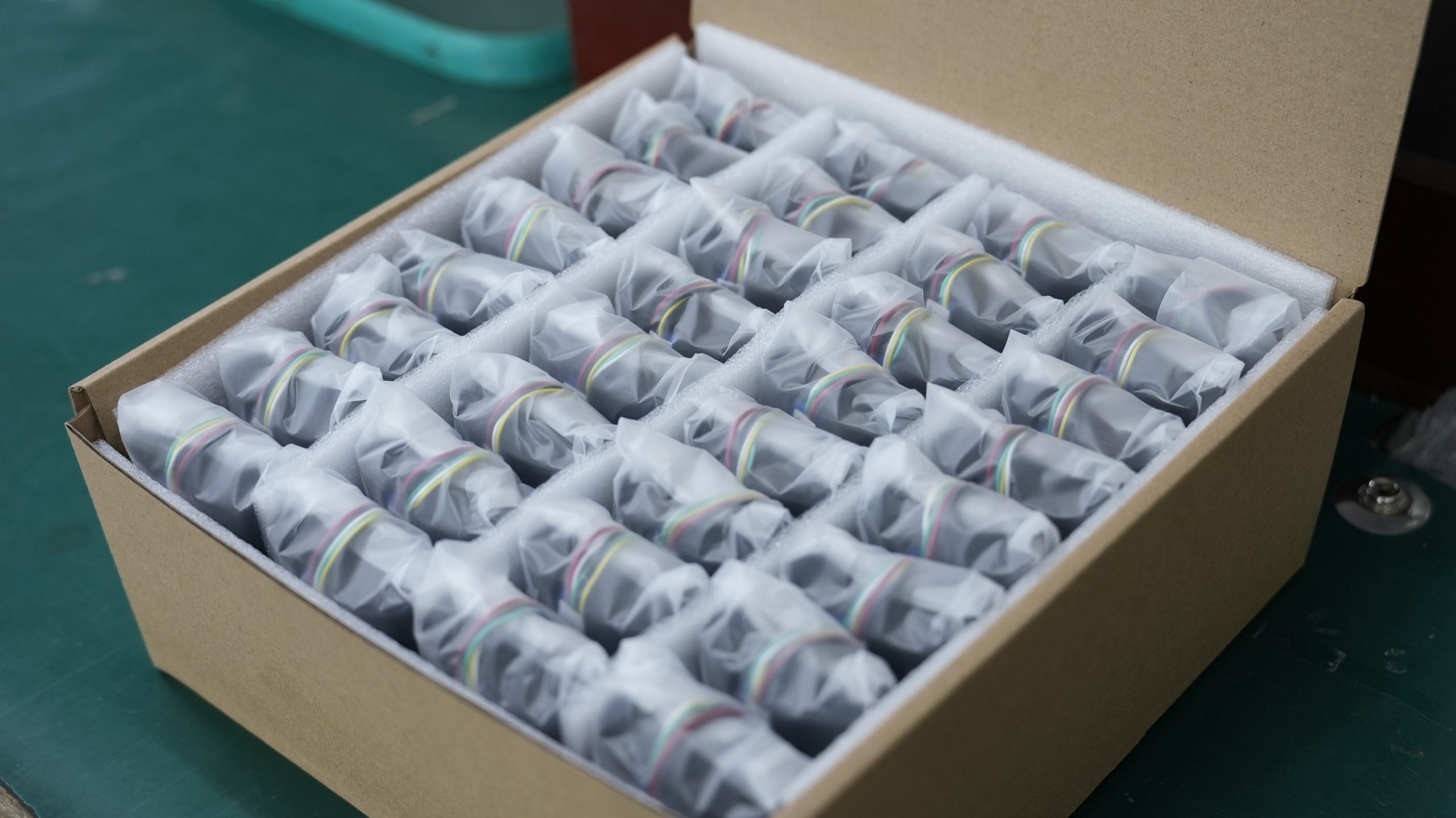
You rely on lithium-ion technology for most humanoid robot battery packs because it offers a strong balance of energy density, safety, and cycle life. Nickel-rich cathodes, such as NMC (Nickel Manganese Cobalt Oxide), push energy density higher, but every chemistry comes with trade-offs. The table below compares common lithium battery chemistries, their energy densities, and typical application scenarios:
Chemistry Type | Energy Density (Wh/kg) | Application Scenarios |
|---|---|---|
LCO (Lithium Cobalt Oxide) | 150-200 | Consumer electronics, medical devices |
NMC (Nickel Manganese Cobalt) | 200-260 | Robotics, electric vehicles, industrial robots |
LiFePO4 (Lithium Iron Phosphate) | 90-160 | Infrastructure, security, industrial robots |
LMO (Lithium Manganese Oxide) | 100-150 | Power tools, medical, consumer electronics |
Solid-state | >300 | Advanced robotics, future medical devices |
Lithium metal | >350 | Next-gen robotics, aerospace |
You see that lithium-ion batteries used in humanoid robots typically reach 280-300 Wh/kg, while solid-state and lithium metal batteries promise even higher values.
However, you face several limitations:
Conventional lithium-ion batteries restrict robots to 1–4 hours of active use.
High-mobility tasks drain batteries faster, making 24/7 operation impractical without extra charging infrastructure.
Frequent hot-swapping or charging increases operational complexity and cost.
2.2 Optimizing Energy Storage
You can address Battery Design Challenges by optimizing energy storage through several strategies. The table below summarizes effective approaches:
Strategy | Description |
|---|---|
Energy Harvesting | Captures ambient energy from motion, heat, or electromagnetic fields. |
Advanced Actuation Control | Adjusts actuator parameters to minimize energy waste. |
Power Management Systems | Allocates energy dynamically and predicts power needs to reduce idle consumption. |
Energy-efficient Actuators | Uses actuators designed for low energy consumption. |
Wireless Power Transfer Technologies | Enables energy transfer without physical connections, improving uptime and flexibility. |
Custom-shaped battery packs help you maximize internal space, increase payload, and extend runtime. These improvements directly enhance operational range and autonomy, which are critical for dynamic industrial and medical tasks.
2.3 Battery Management Systems (BMS)
A robust Battery Management System (BMS) is essential for extending battery life and ensuring safety. You depend on BMS to monitor state of charge, voltage, and temperature. Advanced BMS features include:
Monitoring cell voltages, temperature, and current in real time.
Balancing load to prolong battery life and prevent overcharge or deep discharge.
Integrating sensors and switches to prevent overheating and thermal propagation.
Providing accurate state-of-charge estimation and cell balancing.
Recent advancements in BMS technology offer improved thermal management, enhanced safety protocols, and precise monitoring. These features allow you to operate humanoid robots efficiently and safely, even in demanding industrial environments.
Part3: Weight, Shape, and Integration
3.1 Impact on Mobility
You must consider how battery weight and its distribution affect your robot’s movement and stability. If you place the battery mass unevenly, your robot may lose balance or move inefficiently. A well-distributed battery system mimics human body dynamics, which helps maintain stability and supports efficient walking or lifting. You face strict weight constraints—battery packs can only account for about one-eighth of the robot’s total mass. This limitation forces you to trade off between energy density, runtime, and mobility. Concentrating battery weight in the torso or limbs shifts the center of gravity, which can cause instability and increase the risk of falls. You also need crashworthy battery packs that withstand mechanical shocks and include safety layers to prevent fire or explosion, especially since humanoid robots operate near people.
3.2 Custom Battery Pack Design
You design custom-shaped lithium battery packs to fit unique internal geometries. This approach maximizes space utilization and allows integration into structural elements. Custom packs enhance payload capacity and improve performance by supporting extended runtime and high-torque movements. You must address integration challenges, such as ensuring compatibility with medical, industrial, and security robots. Custom packs require advanced safety features:
Overcharge protection prevents overheating.
Thermal cutoffs disconnect power if temperatures exceed safe limits.
Active cooling systems maintain optimal battery temperature.
The table below shows how custom battery pack design influences performance and safety:
Aspect | Influence on Performance and Safety |
|---|---|
Energy Storage Optimization | Longer operational uptime and reduced downtime due to charging. |
Safety Features | Thermal cutoffs and overcharge protection ensure safety and efficiency. |
Structural Integration | Custom-shaped packs maximize space and enhance robot agility. |
Performance Improvement | Supports extended runtime and high-torque movements in demanding environments. |
3.3 Structural Adaptations
You must adapt your robot’s chassis to accommodate battery packs. Structural changes include width and breadth adjustments, which allow you to fit batteries of various sizes. You can slide symmetric modules along guide rails and lock them in place. The distal pin in each beam moves along the beam’s axis to fit different battery sizes. These adaptations support batteries sized between 140-450 mm in the X direction and 36-195 mm in the Y direction, compatible with VDA 355 and VDA 390 modules.
Adaptation Type | Description |
|---|---|
Width Adjustment | Slide symmetric modules along guide rails and lock them in place. |
Breadth Adjustment | Move distal pin along beam’s axis to fit different battery sizes. |
Size Compatibility | Supports batteries sized 140-450 mm (X) and 36-195 mm (Y), VDA module compatible. |
Advancements in battery technology extend operational periods and improve durability. Enhancing hardware durability minimizes maintenance needs and increases reliability in real-world applications. You must address Battery Design Challenges by integrating robust lithium battery packs and adapting your robot’s structure for optimal performance.
Part4: Thermal Constraints and Safety
4.1 Heat Generation
You encounter significant heat generation in humanoid robot battery systems. The main sources include:
Joint motors produce heat from mechanical friction, especially during high-load tasks.
Computing units generate substantial heat. High-performance CPUs can reach a thermal design power (TDP) of up to 700W when processing complex algorithms.
Battery packs create heat from internal resistance during rapid discharge and fast charging. This heat is crucial to monitor for maintaining performance.
Excessive heat accelerates chemical reactions in lithium-ion batteries. You see faster aging and reduced lifespan. Higher temperatures increase internal resistance, which lowers battery performance. Very hot conditions pose a risk of thermal runaway, a serious safety hazard for robots in medical, industrial, and security environments.
4.2 Cooling Solutions
You must implement effective cooling solutions to manage battery temperatures. Common approaches include:
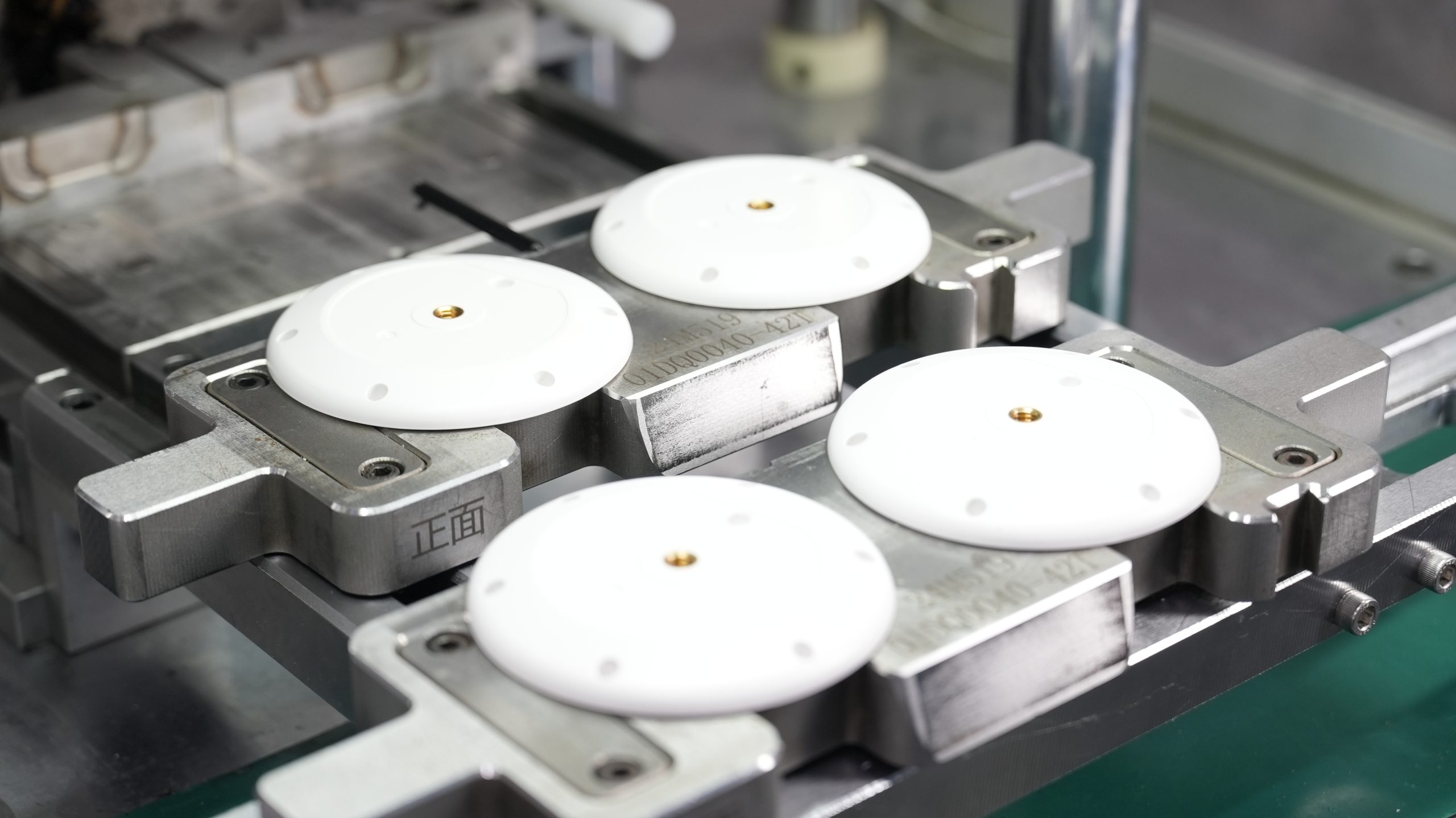
Passive heat dissipation uses thermally conductive gels and graphene pads. These materials reduce thermal resistance between battery cells and cooling structures.
Liquid-cooled microchannels employ ultra-thin cooling plates that conform to battery modules. This method extracts heat efficiently and supports high-performance robots.
Phase change materials (PCMs) absorb and release heat during phase transitions. You often combine PCMs with heat pipes or liquid cooling for enhanced temperature control.
Integrated thermal management systems maintain safe operating temperatures. These systems help prevent overheating and extend the lifespan of both the battery and the robot.
4.3 Safety Protocols
You rely on robust safety protocols to prevent battery fires or thermal runaway. The table below summarizes key safety measures:
Safety Measure | Description |
|---|---|
Battery Management System (BMS) Protections | Custom BMS with sensors, switches, and fuses to prevent overcharge, overdischarge, and short circuits. |
Cell Protections | Certified to safety standards, with mechanisms for internal fusing during short circuits. |
Interconnect Protection | Geometry designed to act as a fusible element for short circuit protection. |
Pack Protections | Anti-propagation and flame quench system to contain thermal runaway events. |
You mitigate thermal runaway by careful cell selection and spacing. BMS oversight prevents conditions that could lead to fire. Mechanical isolation limits the risk of cell-to-cell propagation. Integrated safety systems are essential for robots operating in medical, industrial, and security sectors. For authoritative safety standards, see UL Battery Safety.
You face complex challenges when designing lithium battery packs for humanoid robots. Energy density, weight, shape, and thermal constraints all impact performance and safety. Lithium-ion technology continues to evolve. You now see high-energy density batteries, solid-state options, advanced battery management systems, wireless charging, and fast-charge modules from industry leaders. Researchers also explore metal-air batteries and chemical fuels to overcome current limits. When you plan your next project, consider these advances and design choices to improve reliability and efficiency in robotics.
FAQ
What is the typical operating time for humanoid robots using lithium battery packs?
You usually get 2–4 hours of operation from lithium battery packs in humanoid robots. High-mobility tasks or heavy payloads can reduce this time. Industrial and medical robots often require battery swaps or charging stations for continuous use.
How do lithium battery chemistries compare for robotics applications?
Chemistry Type | Energy Density (Wh/kg) | Safety Level | Application Scenarios |
|---|---|---|---|
LFP (Lithium Iron Phosphate) | 90–160 | High | Industrial, infrastructure, security |
NMC (Nickel Manganese Cobalt) | 200–260 | Moderate | Robotics, medical, electronics |
Solid-State | >300 | Very High | Advanced robotics, medical |
Why is thermal management critical in lithium battery packs?
You must control heat to prevent battery fires and extend lifespan. High temperatures speed up battery aging and can cause thermal runaway. Effective cooling and monitoring systems keep robots safe in industrial, medical, and security environments.
What role does a Battery Management System (BMS) play?
You depend on a BMS to monitor voltage, temperature, and charge. The BMS balances cells, prevents overcharge, and protects against short circuits. This system ensures safe, reliable operation for robots in demanding sectors.


