

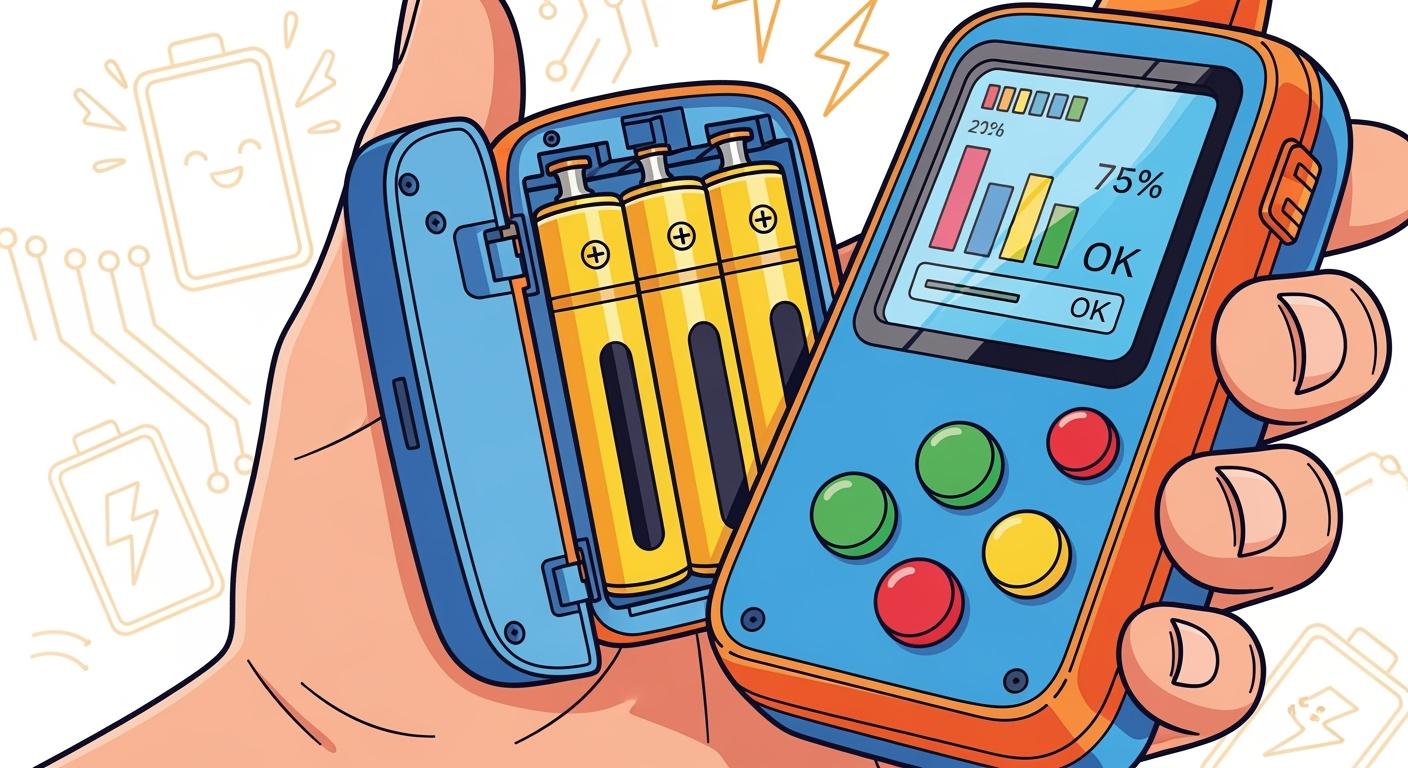
You see immediate advantages when you choose a 21700-Cell 3S1P lithium battery pack for handheld diagnostic devices. The Impact of a 21700-Cell brings higher energy density and longer runtime. Your devices benefit from increased reliability and better thermal management. This means safe and consistent power, even in demanding environments such as hospitals or industrial sites. You gain confidence in your device’s performance during critical diagnostics.
Key Takeaways
Switching to a 21700-cell 3S1P pack increases device runtime by up to 142%, allowing for longer use without frequent charging.
Consistent power delivery from the 21700-cell ensures reliable performance, reducing the risk of diagnostic errors in critical environments.
The larger size of the 21700-cell may affect device weight, but the benefits of longer runtime and higher capacity often outweigh this trade-off.
Advanced safety features in the 21700-cell pack, like over-charge and short-circuit protection, enhance device reliability and compliance with safety standards.
Investing in a 21700-cell pack may have a higher upfront cost, but it leads to lower total ownership costs due to fewer replacements and reduced downtime.
Part 1: Impact of a 21700-Cell on Performance
1.1 Capacity and Runtime
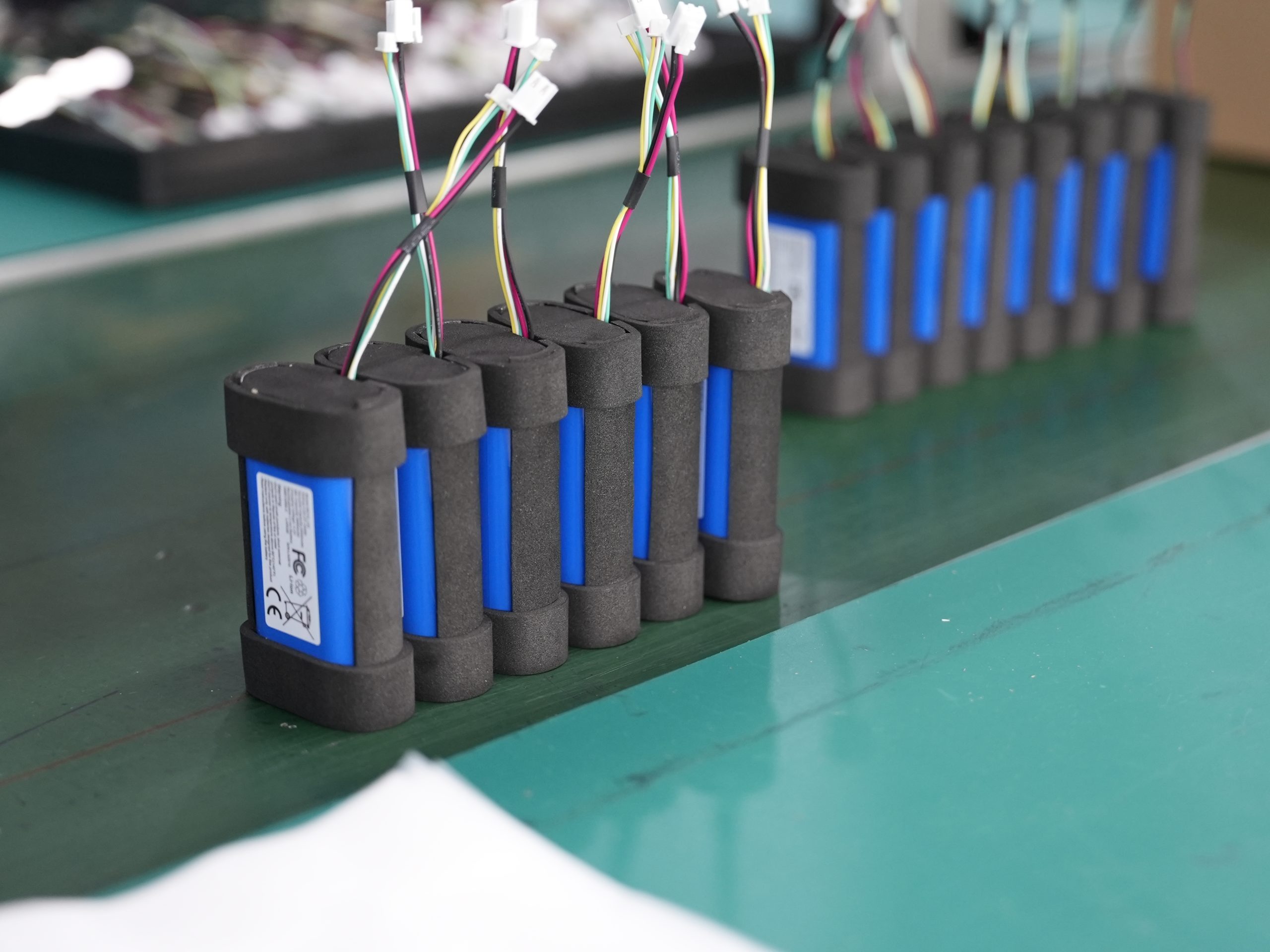
You notice a significant difference in device uptime when you switch to a 21700-cell 3S1P pack. The Impact of a 21700-Cell becomes clear as you compare it to older 18650-cell packs. The 21700 cell offers higher energy density and greater capacity, which directly translates to longer runtime and improved efficiency for your handheld diagnostic devices.
The maximum capacity of a 21700 cell reaches up to 6000mAh, while a typical 18650 cell provides around 3500mAh. This means you get a 71% increase in capacity.
Devices powered by 21700 cells can run up to 142% longer on a single charge compared to those using 18650 cells.
The energy density of 21700 cells is about 300Wh/kg, which is nearly 20% higher than the 250Wh/kg found in 18650 cells.
Tip: Longer runtime reduces the need for frequent charging and battery swaps. This is especially valuable in medical diagnostics, robotics, and security systems, where uninterrupted operation is critical.
You see these improvements reflected in real-world scenarios. In hospitals, handheld ultrasound devices last through multiple patient rounds without recharging. In industrial settings, diagnostic tools maintain performance during long shifts. The Impact of a 21700-Cell ensures your team spends less time managing batteries and more time focusing on essential tasks.
Battery Chemistry Comparison Table
Chemistry | Platform Voltage | Energy Density (Wh/kg) | Cycle Life (cycles) | Typical Application Scenarios |
|---|---|---|---|---|
NMC | 3.7V | 200-250 | 500-2000 | Medical, Robotics, Consumer Electronics |
LCO | 3.6V | 150-200 | 500-1000 | Consumer Electronics |
LiFePO4 | 3.2V | 90-120 | 2000-5000 | Industrial, Infrastructure, Security |
LMO | 3.7V | 100-150 | 300-700 | Power Tools, Industrial |
21700 (NMC) | 3.7V | 300 | 500-2000 | Medical, Robotics, Security, Industrial |
You gain a clear advantage with the 21700-cell pack, especially when your application demands high energy density and long runtime.
1.2 Power Consistency
Consistent power delivery is essential for diagnostic accuracy. The Impact of a 21700-Cell goes beyond just capacity. You experience stable voltage output throughout the discharge cycle, which means your device maintains peak performance even as the battery drains.
Stable voltage ensures sensors and processors in medical and industrial diagnostic devices operate reliably.
You avoid sudden drops in power that can interrupt critical measurements or cause device errors.
In robotics and security systems, consistent power supports precise data collection and uninterrupted operation.
Note: Reliable power delivery helps you maintain compliance with industry standards and reduces the risk of diagnostic errors.
You benefit from fewer interruptions and more accurate results. In medical environments, this means patient safety and diagnostic reliability. In industrial sectors, you achieve higher productivity and reduced downtime. The Impact of a 21700-Cell supports your business by delivering the performance and consistency you require for demanding applications.
Part 2: Design and Integration
2.1 Size and Weight
When you upgrade to a 21700-cell 3S1P pack, you notice changes in the size and weight of your handheld diagnostic devices. The 21700 cell is larger than the 18650 cell, measuring about 21mm in diameter and 70mm in length. This increase in size allows for higher energy density, but it also means your device may become slightly bulkier.
You may find that the device feels heavier in your hand, especially during long shifts in medical or industrial environments.
The larger cell can impact the overall ergonomics, so you need to consider how the device fits in your hand or tool belt.
Many manufacturers redesign the device casing to balance the added weight and maintain portability.
Tip: When you select a lithium battery pack for robotics or security systems, always check the device’s weight distribution. A well-balanced design helps reduce user fatigue and improves operational efficiency.
Despite the increase in size, the longer runtime and higher capacity often outweigh the minor trade-offs in portability. You gain more uptime and fewer interruptions, which is critical in professional settings.
2.2 Thermal Management
The Impact of a 21700-Cell extends to thermal management. Higher energy density can lead to increased heat generation, especially during rapid charging or heavy use in industrial diagnostics. You must address this challenge to ensure device safety and reliability.
Many devices now include advanced heat sinks or improved airflow designs to dissipate heat efficiently.
Integration of a Battery Management System (BMS) helps monitor temperature and prevent overheating.
In medical and infrastructure applications, stable thermal performance protects sensitive electronics and ensures compliance with safety standards.
Note: Effective thermal management not only extends battery life but also safeguards your investment in high-value diagnostic equipment.
You should work closely with your battery supplier to optimize the integration of 21700-cell packs. Proper design and testing help you overcome challenges and deliver reliable performance in demanding environments.
Part 3: Reliability and Safety
3.1 Safety Features
You rely on handheld diagnostic devices to deliver accurate results in critical environments. The safety features built into a 21700-cell 3S1P lithium battery pack help you protect your equipment and your team. Manufacturers design these packs with advanced protection systems that address common risks in medical, industrial, and security applications.
The integrated Battery Management System (BMS) monitors and controls battery operation. You benefit from:
Over-charge protection, which prevents the battery from exceeding safe voltage limits.
Over-discharge protection, which stops the battery from dropping below safe levels.
Short-circuit protection, which reduces the risk of electrical faults.
Over-current protection, which limits excessive current draw during operation.
These features reduce the chance of overheating and electrical failure. You see fewer incidents of device shutdowns or damage, even during heavy use in hospitals or industrial sites. The BMS also helps you comply with safety standards required for medical and infrastructure applications. You can trust your lithium battery pack to maintain safe operation, even when your team works long shifts or faces unpredictable conditions.
Tip: Always verify that your battery supplier provides a robust BMS. This step ensures your devices meet regulatory requirements and maintain operational safety.
3.2 Field Durability
You need diagnostic devices that perform reliably in demanding environments. The Impact of a 21700-Cell extends to field durability, giving you confidence in your equipment during daily use. The larger cell size and advanced chemistry, such as NMC or LiFePO4, provide stable energy output and long cycle life.
Application Scenario | Typical Chemistry | Cycle Life (cycles) | Reliability Benefit |
|---|---|---|---|
Medical Diagnostics | NMC | 500-2000 | Consistent power, safe operation |
Robotics | LiFePO4 | 2000-5000 | High cycle life, robust design |
Security Systems | NMC | 500-2000 | Reliable uptime, low failure rate |
Industrial Infrastructure | LiFePO4 | 2000-5000 | Long-term durability, stable output |
You experience fewer battery replacements and less downtime. Devices with 21700-cell packs withstand vibration, temperature changes, and frequent handling. You can deploy diagnostic tools in hospitals, factories, and field sites without worrying about sudden failures. The rugged design and reliable chemistry help you maintain productivity and protect your investment.
Note: Regular maintenance and inspection of your lithium battery packs further improve field durability. You extend device life and reduce operational costs by following manufacturer guidelines.
You see the benefits of enhanced safety and reliability every day. Your team works with confidence, knowing that your handheld diagnostic devices deliver consistent performance in any environment.
Part 4: Cost and Value
4.1 Cost Comparison
You want to make smart investments in handheld diagnostic devices. When you compare lithium battery packs, you see differences in upfront cost and long-term value. The 21700-cell 3S1P pack usually costs more than a standard 18650-cell pack. However, you gain higher energy density and longer cycle life, which means fewer replacements and less downtime.
Battery Pack Type | Chemistry | Upfront Cost | Cycle Life (cycles) | Typical Application Scenarios | Total Cost of Ownership (5 years) |
|---|---|---|---|---|---|
18650-cell 3S1P Pack | NMC | Low | 500-2000 | Consumer Electronics, Entry-level Tools | Moderate |
21700-cell 3S1P Pack | NMC | Medium | 500-2000 | Medical, Robotics, Security, Industrial | Low |
LiFePO4 Pack | LiFePO4 | High | 2000-5000 | Infrastructure, Robotics, Industrial | Lowest |
You see that the 21700-cell pack offers a balance between cost and performance. You spend less on replacements and maintenance over time. In medical and industrial sectors, this translates to lower operational costs and higher device availability.
Tip: Consider total cost of ownership, not just the initial price. You save money by choosing packs with longer cycle life and better reliability.
4.2 Long-Term Benefits
You benefit from the long-term advantages of the 21700-cell 3S1P pack. The higher energy density and robust safety features help you reduce downtime and extend device lifespan. You experience fewer battery failures in demanding environments like hospitals, factories, and field sites.
You improve productivity because your team spends less time swapping batteries.
You meet safety standards for medical and industrial applications.
You support sustainability goals by reducing waste and energy consumption.
You see the Impact of a 21700-Cell in your bottom line. Your business gains reliable performance, lower maintenance costs, and stronger compliance. You make a smart choice for long-term growth and operational efficiency.
You see the Impact of a 21700-Cell 3S1P pack in every aspect of your handheld diagnostic devices.
You gain longer runtime, better safety, and higher reliability.
Your team works with fewer interruptions and more confidence in medical, industrial, and security settings.
You improve operational efficiency and reduce downtime for your business.
Consider upgrading to 21700-cell solutions to keep your devices ready for the future.
FAQ
What advantages does a 21700-cell 3S1P pack offer for handheld diagnostic devices in industrial settings?
You gain longer runtime and higher energy density. Devices operate through extended shifts with fewer battery changes. This improves productivity and reduces downtime in industrial diagnostics.
How does the Battery Management System (BMS) improve safety in medical applications?
You benefit from advanced protection features. The BMS monitors temperature, voltage, and current. It prevents overheating and electrical faults. For more details, visit Battery Management System.
Which lithium battery chemistry is best for field durability in infrastructure projects?
LiFePO4 chemistry offers high cycle life (2000-5000 cycles) and stable output. You use it in infrastructure and industrial sectors where reliability and long-term durability matter most.
How do 21700-cell packs support sustainability goals for B2B clients?
You reduce waste and energy consumption by choosing packs with longer cycle life. This supports sustainability initiatives in medical, robotics, and industrial sectors.
Are 21700-cell packs compliant with conflict minerals regulations?
You ensure compliance by sourcing from reputable suppliers who follow conflict minerals guidelines. This protects your business and supports ethical sourcing practices.


