

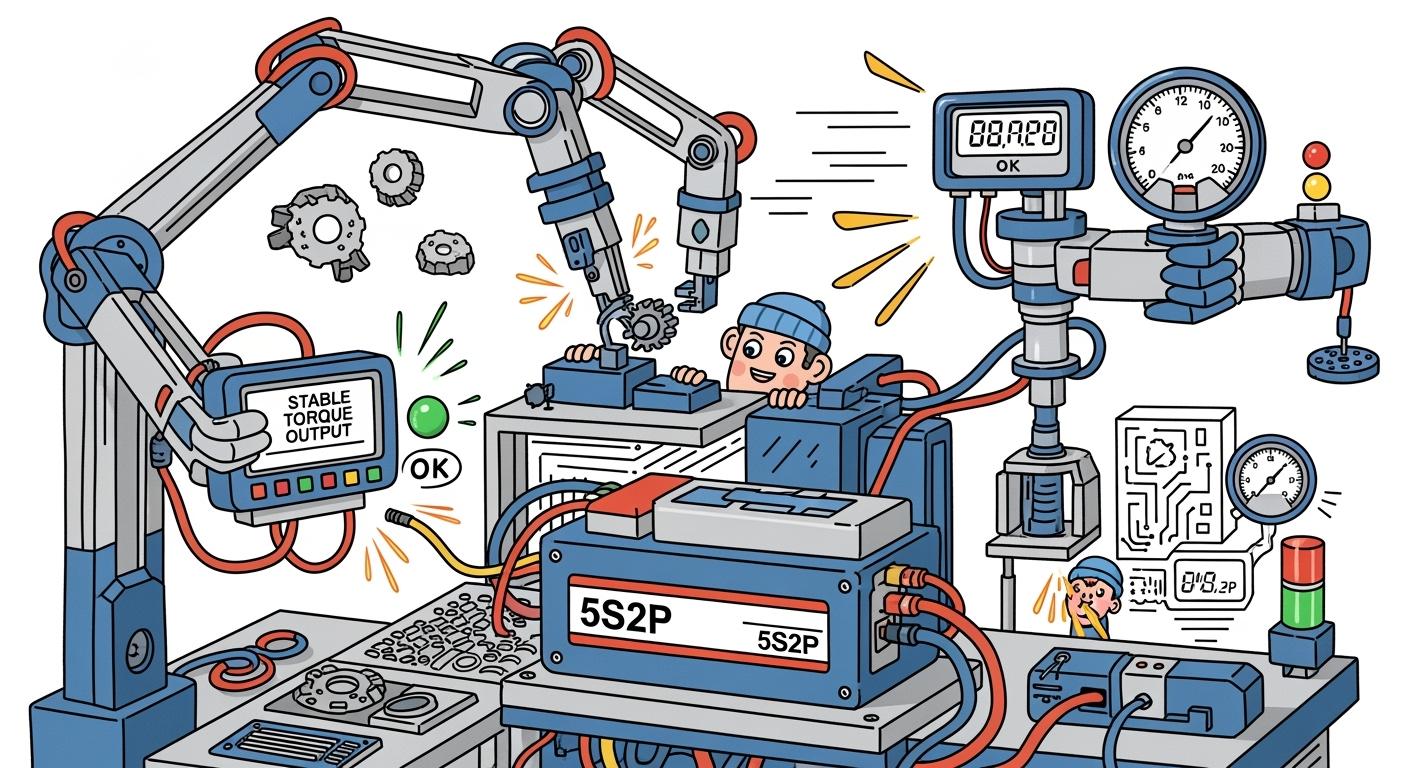
You rely on a robust 5S2P lithium battery pack to deliver consistent torque in robotic testing equipment. Careful cell matching, strict quality control, and optimal battery configuration prevent voltage drops and current fluctuations. These factors help you maintain reliable motor performance in demanding industrial and testing environments.
Key Takeaways
Stable battery performance is crucial for consistent torque in robotic testing. Use a robust 5S2P lithium battery pack to avoid voltage drops and ensure reliable motor function.
Regularly monitor voltage and current with a battery management system (BMS). This practice helps prevent issues like torque drops and motor stalls.
Implement strict quality control by matching cells for capacity, resistance, and voltage. This step enhances battery performance and extends its lifespan.
Part1: Consistent Torque and Battery Performance
1.1 Battery Stability and Torque Output
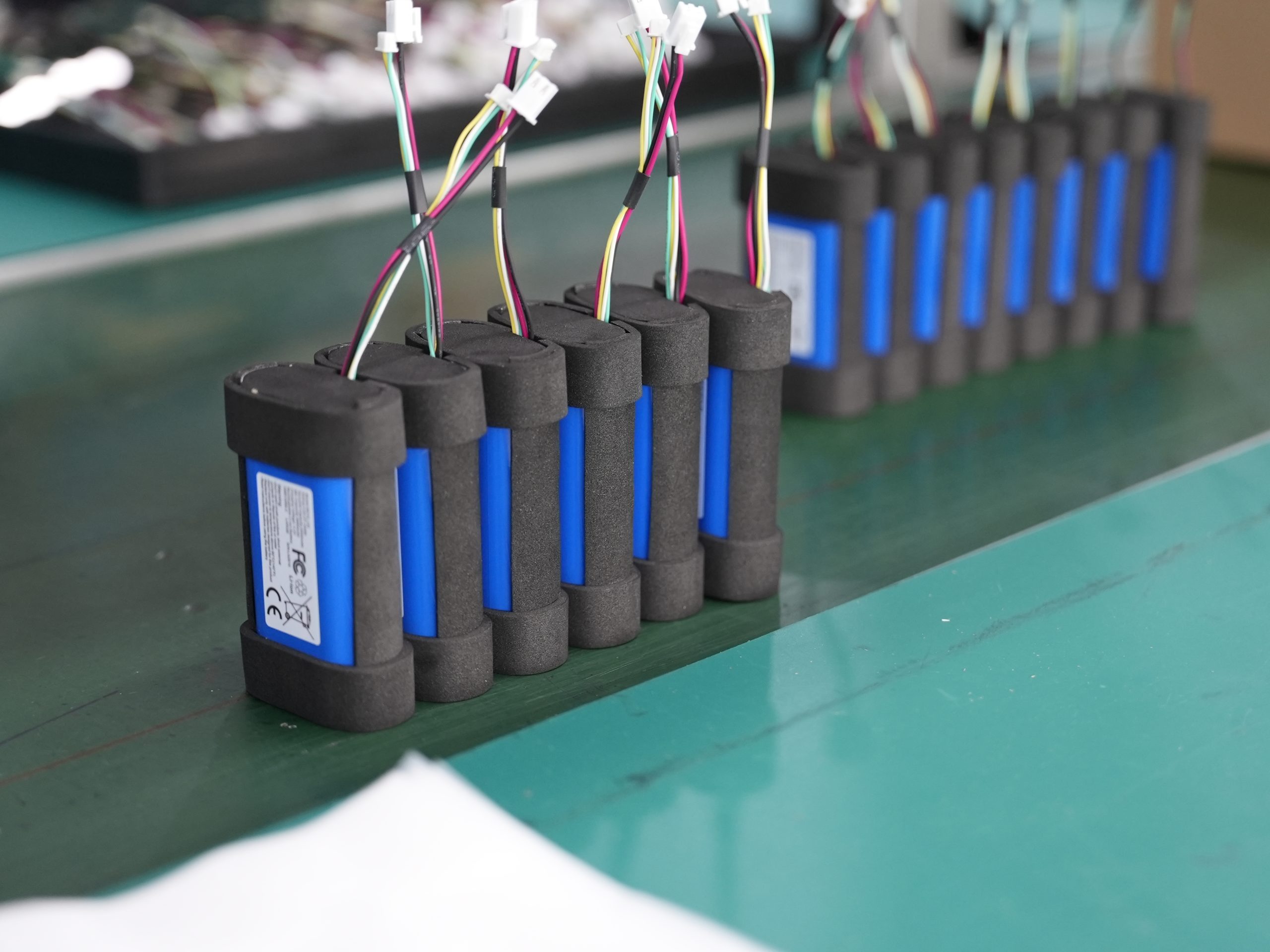
You need stable battery performance to achieve consistent torque in robotic testing equipment. When your battery maintains a steady voltage and current, your motors deliver predictable force. This reliability is essential for industrial robots, medical devices, and security systems, where even small fluctuations can lead to inaccurate test results or equipment malfunction.
A robust 5S2P lithium battery pack helps you avoid sudden voltage drops. Each cell in the pack works together to provide a balanced output. If one cell underperforms, the entire pack can suffer, causing inconsistent torque. You can see this effect in automated assembly lines, where robots must apply the same force every time. Inconsistent torque can damage products or slow down production.
Different lithium battery chemistries offer unique advantages for stability and performance. The table below compares common chemistries used in robotic and industrial applications:
Chemistry | Platform Voltage (V) | Energy Density (Wh/kg) | Cycle Life (cycles) | Typical Applications |
|---|---|---|---|---|
LiFePO4 | 3.2 | 90-120 | 2000-4000 | Industrial robots, medical devices |
NMC | 3.7 | 150-220 | 1000-2000 | Security systems, infrastructure |
LCO | 3.7 | 150-200 | 500-1000 | Consumer electronics |
LMO | 3.7 | 100-150 | 300-700 | Power tools, light industrial |
Tip: For applications that demand consistent torque over many cycles, LiFePO4 batteries often provide the best balance of stability and lifespan.
1.2 Voltage, Current, and Motor Response
You must monitor both voltage and current to ensure your motors respond correctly. Motors in robotic testing equipment rely on a steady supply of power. If your battery voltage drops, the motor may lose strength, causing a drop in torque. If the current fluctuates, the motor can jerk or stall, leading to inconsistent torque output.
You can use a battery management system (BMS) to track and control these parameters. A BMS helps you prevent over-discharge, over-current, and cell imbalance. This system protects your battery pack and ensures your equipment delivers consistent torque throughout each test cycle.
In industrial settings, you often see the impact of poor battery performance. For example:
In medical robotics, unstable torque can affect the precision of surgical tools.
In infrastructure testing, inconsistent torque may lead to unreliable data.
In security systems, robotic arms may fail to operate locks or sensors correctly.
Note: Regularly check your battery pack’s voltage and current output. Early detection of instability helps you maintain consistent torque and avoid costly downtime.
By focusing on battery stability and monitoring key electrical parameters, you ensure your robotic testing equipment delivers reliable, repeatable results in every application.
Part2: 5S2P Design and Optimization Steps
2.1 Importance of Cell Matching
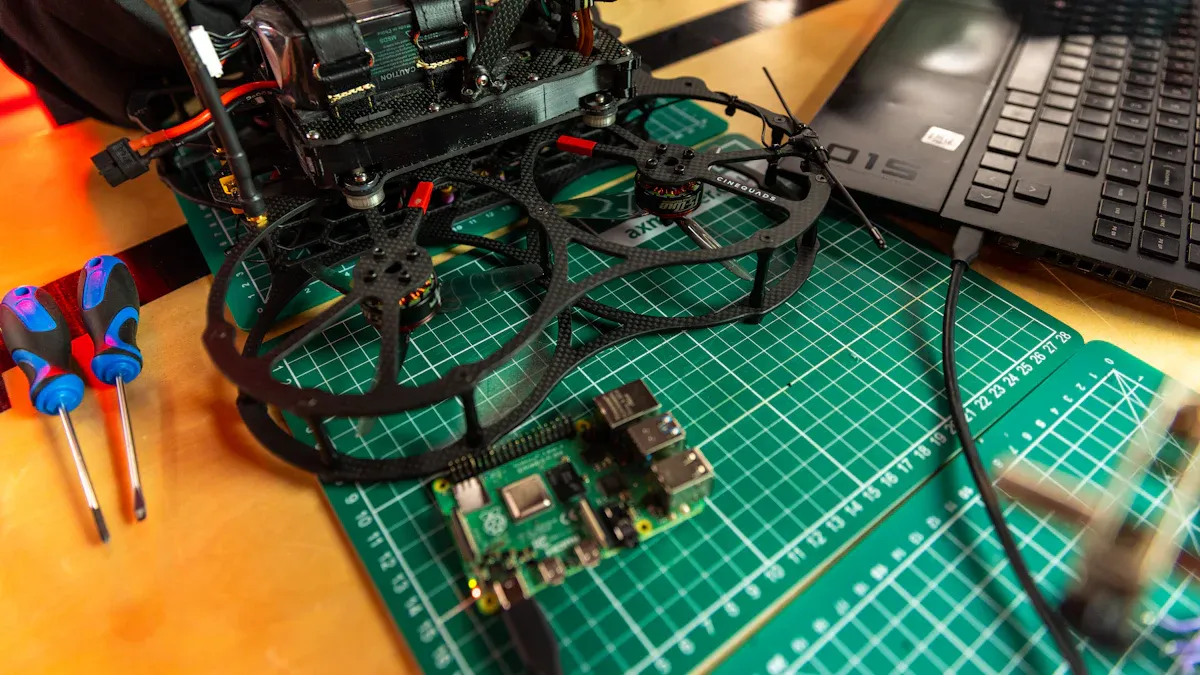
You must match each cell in your 5S2P battery pack for capacity, internal resistance, and voltage. This step ensures that all cells share the load equally. If you use mismatched cells, some cells will discharge faster or heat up more than others. This imbalance can cause voltage drops and reduce the lifespan of your battery pack.
When you select cells, check these three parameters:
Capacity (Ah): Choose cells with similar rated capacities. Large differences lead to early cut-off and reduced usable energy.
Internal Resistance (mΩ): Lower and closely matched resistance improves current sharing and reduces heat.
Voltage (V): Match cells at the same state of charge before assembly.
Tip: Use a cell tester to measure and record these values before building your pack. Consistent cell matching helps you achieve consistent torque in your robotic testing equipment.
2.2 Quality Control in Battery Packs
You need strict quality control to build reliable 5S2P battery packs. Quality control starts with batch testing. Test every cell for capacity, resistance, and voltage before assembly. This process helps you catch defective cells early.
Use advanced assembly methods like laser welding. Laser welding creates strong, low-resistance connections between cells. This method reduces the risk of loose connections and improves safety.
You should also inspect for physical defects, such as swelling or leaks. These defects can lead to failure in the field.
Quality Control Step | Purpose | Benefit for Robotic Testing Equipment |
|---|---|---|
Batch Testing | Identify weak or faulty cells | Prevents early pack failure |
Laser Welding | Ensure strong cell connections | Reduces resistance, improves reliability |
Visual Inspection | Detect physical defects | Increases safety and lifespan |
Note: Consistent quality control ensures your battery pack delivers stable power for every test cycle.
2.3 Practical Steps for Torque Consistency
You can take several practical steps to maintain consistent torque in your robotic testing equipment:
Select the Right Chemistry: Choose LiFePO4 for long cycle life and stable voltage. Use NMC if you need higher energy density. Refer to the table in Part 1 for platform voltage and cycle life.
Install a Battery Management System (BMS): A BMS monitors cell voltage, current, and temperature. It balances cells and protects against overcharge and over-discharge. Learn more about BMS in our internal resource.
Schedule Regular Maintenance: Check voltage and current output at set intervals. Replace cells that show abnormal readings.
Monitor Operating Temperature: Keep your battery pack within the recommended temperature range. High temperatures can cause cell imbalance and reduce torque consistency.
Document All Maintenance: Keep records of cell replacements, voltage checks, and any issues. This practice helps you spot trends and prevent failures.
Callout: Following these steps helps you deliver consistent torque and reliable results in industrial and testing environments.
2.4 Troubleshooting Battery Issues
You may encounter several battery-related issues that affect torque output. Here are common problems and how you can address them:
Sudden Drop in Torque: Check for a weak or failed cell. Use a multimeter to test each cell’s voltage.
Uneven Discharge: Inspect for cell imbalance. Use your BMS to identify and balance cells.
Excessive Heat: Look for high-resistance connections or overcurrent. Inspect welds and connectors.
Shortened Cycle Life: Review your charge and discharge settings. Avoid deep discharges and overcharging.
Issue | Likely Cause | Troubleshooting Step |
|---|---|---|
Sudden Torque Drop | Weak cell or poor connection | Test cells, inspect welds |
Uneven Discharge | Cell imbalance | Use BMS to balance cells |
Excessive Heat | High resistance or overcurrent | Check connections, monitor current |
Short Cycle Life | Overcharge/discharge | Adjust BMS settings |
Tip: Address battery issues quickly to maintain consistent torque and avoid downtime in your robotic testing equipment.
By focusing on cell matching, quality control, and proactive maintenance, you can optimize your 5S2P battery pack for reliable performance in demanding industrial applications.
You achieve reliable robotic testing results when you use a robust 5S2P battery pack. Focus on cell matching, strict quality control, and regular maintenance.
Match cells for capacity, resistance, and voltage.
Test and inspect every pack.
Monitor performance and address issues quickly.
Stay proactive to optimize your equipment.
FAQ
What does 5S2P mean in a lithium battery pack?
You see “5S2P” to describe five cells in series and two in parallel. This setup increases voltage and doubles the available capacity.
Why should you choose LiFePO4 over NMC for robotic testing equipment?
You select LiFePO4 for its 3.2V platform voltage, 90-120 Wh/kg energy density, and 2000-4000 cycle life. It offers stable performance and longer service life.
How do you detect cell imbalance in a 5S2P battery pack?
You monitor each cell’s voltage with a battery management system. Uneven readings signal imbalance. Address this quickly to maintain consistent torque output.


