

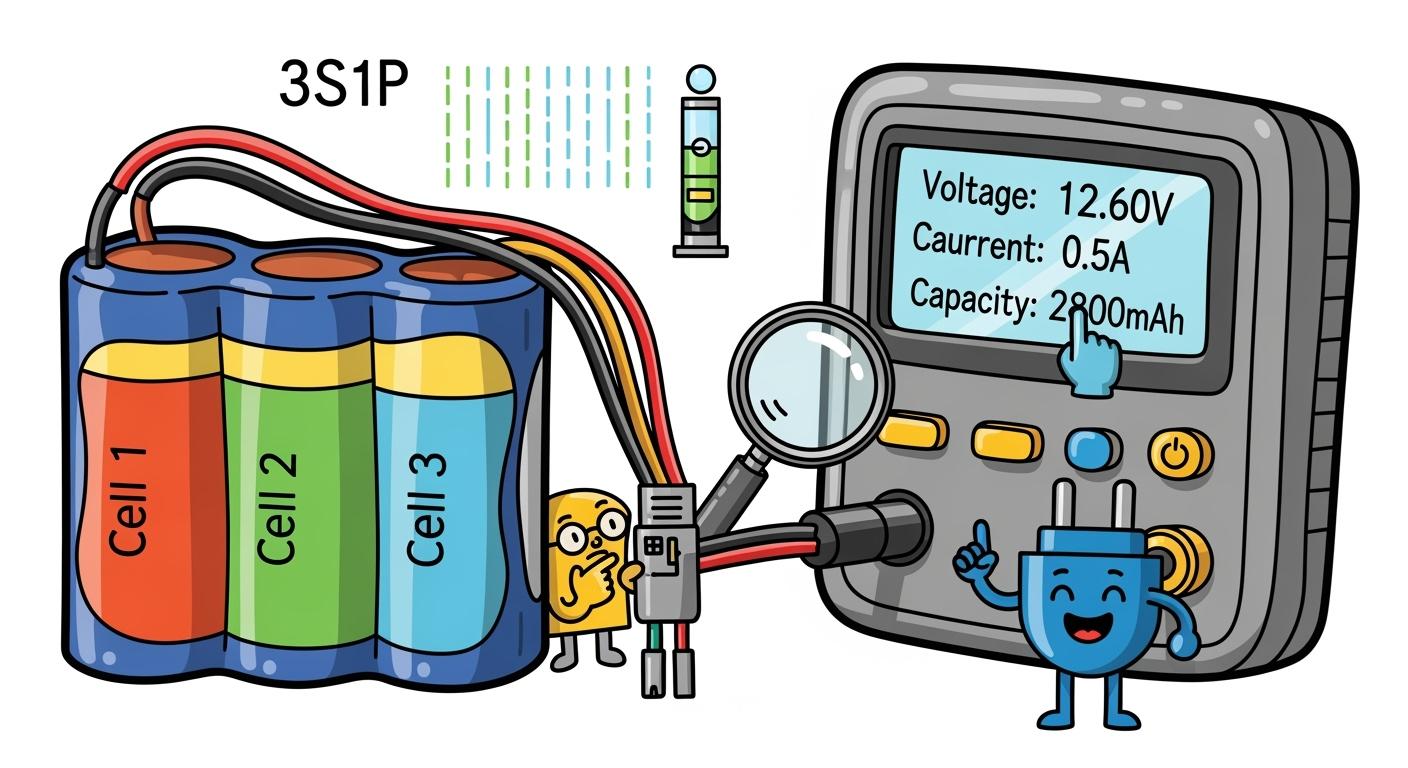
You depend on precise calibrator readings for consistent results in your work. A stable-voltage 3S1P Li-ion pack provides the foundation for this accuracy. When voltage stays steady, your calibrator delivers reliable measurements every time. Even small voltage changes can cause errors. By using a battery pack designed for stable output, you eliminate a major source of measurement drift and uncertainty.
Key Takeaways
A Stable-Voltage 3S1P Li-ion pack provides consistent voltage, ensuring accurate calibrator readings and reducing measurement errors.
Regularly monitor your battery pack’s voltage output to catch any signs of instability early, preventing costly mistakes.
Cell balancing in the battery pack enhances performance by keeping all cells at similar voltage levels, which improves calibrator reliability.
Use advanced battery management systems to protect your calibrator from voltage extremes, extending its lifespan and maintaining accuracy.
Follow simple maintenance steps, like inspecting battery health and using proper charging equipment, to ensure your calibrator operates effectively.
Part 1: Power Stability & Calibrator Accuracy
1.1 Voltage Fluctuations and Measurement Errors
You rely on your calibrator to deliver precise readings. Voltage fluctuations from power sources can disrupt this accuracy. When the voltage drops or spikes, your calibrator may show incorrect values. These errors can lead to costly mistakes, especially in sectors like medical diagnostics, robotics automation, and industrial process control.
Tip: Always monitor your power source for stability before starting calibration procedures.
Different battery chemistries offer varying levels of voltage stability. The table below compares common options used in calibration devices:
Battery Chemistry | Nominal Voltage (V) | Voltage Stability | Typical Application Sector |
|---|---|---|---|
Li-ion (Stable-Voltage 3S1P Li-ion Pack) | 11.1 | High | Medical, Robotics, Industrial |
NiMH | 7.2 | Moderate | Consumer Electronics |
Lead-Acid | 12.0 | Low | Infrastructure, Security |
You see that the Stable-Voltage 3S1P Li-ion Pack provides the highest voltage stability. This feature reduces the risk of measurement drift and ensures your calibrator maintains accuracy.
1.2 Consistent Power for Reliable Results
Consistent power is essential for reliable calibrator performance. If your device receives steady voltage, you get repeatable and trustworthy results. In industrial and medical environments, even small errors can have serious consequences.
You minimize downtime by choosing a Stable-Voltage 3S1P Li-ion Pack.
You protect your calibration process from unexpected power drops.
You maintain compliance with strict quality standards.
A Stable-Voltage 3S1P Li-ion Pack supports your need for precision. You avoid measurement errors and ensure your calibrator operates within its specified range. This reliability helps you deliver accurate results in every application.
Part 2: Stable-Voltage 3S1P Li-ion Pack Design
2.1 3S1P Configuration and 11.1V Output
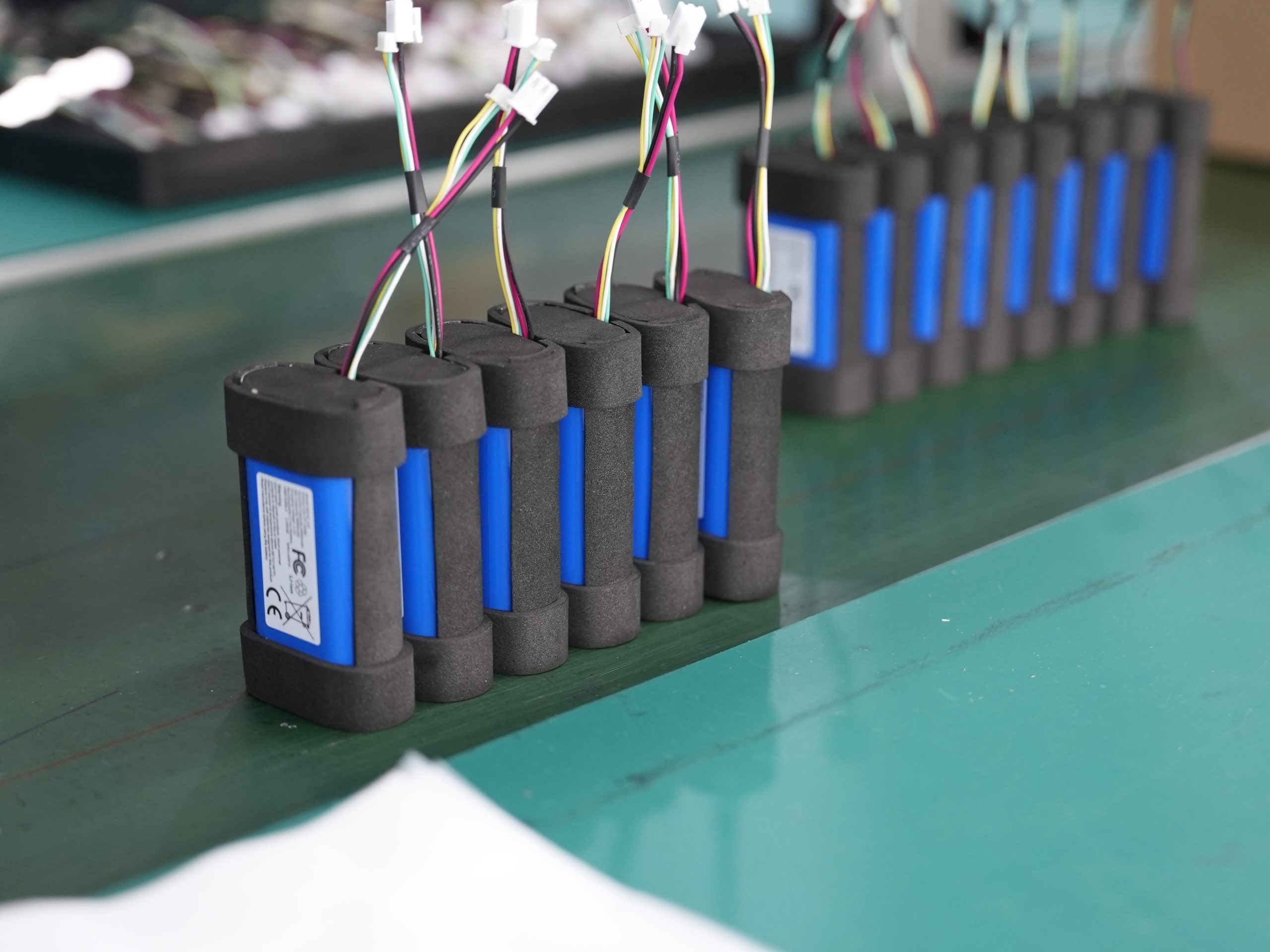
You need a battery pack that delivers consistent performance in demanding environments. The 3S1P configuration stands for “three cells in series, one in parallel.” This structure connects three lithium-ion cells in series, which adds their voltages together. Each cell has a nominal voltage of 3.7V. When you connect three in series, you get a total nominal voltage of 11.1V. This voltage level matches the requirements of most high-precision calibrators used in medical, robotics, and industrial sectors.
The table below compares common battery pack configurations and their typical applications:
Configuration | Cell Chemistry | Nominal Voltage (V) | Typical Application Sector |
|---|---|---|---|
3S1P | Lithium-ion | 11.1 | Medical, Robotics, Industrial |
6S1P | Nickel-Metal Hydride | 7.2 | Consumer Electronics |
1S1P | Lead-Acid | 12.0 | Security, Infrastructure |
You see that the 3S1P lithium-ion pack offers a balance between voltage, size, and weight. This makes it ideal for portable calibrators that require stable and reliable power. The 11.1V output ensures your device operates within its optimal range, reducing the risk of voltage-related errors.
Note: The 3S1P structure also allows for easier integration with advanced battery management systems.
2.2 Precision Voltage and Drift Prevention
You demand high accuracy from your calibrator. Even a small voltage fluctuation can cause measurement drift or inaccuracies. The Stable-Voltage 3S1P Li-ion Pack addresses this challenge by delivering a highly precise voltage output—often stable to within 0.0001V. This level of precision ensures your calibrator maintains its accuracy throughout each use.
You avoid measurement drift because the voltage remains steady during operation.
You reduce the risk of noise and interference, which can affect sensitive readings.
You meet strict industry standards for calibration in sectors like medical diagnostics and robotics automation.
A stable voltage supply also extends the lifespan of your calibrator. You minimize recalibration cycles and reduce maintenance costs. The Stable-Voltage 3S1P Li-ion Pack supports your need for reliable, repeatable results in every application.
Tip: Regularly monitor your battery pack’s voltage output to catch any early signs of drift or instability.
By choosing a Stable-Voltage 3S1P Li-ion Pack, you ensure your calibrator delivers the precision your industry demands.
Part 3: Mechanisms for Voltage Stability
3.1 Battery Management and Cell Balancing
You need your calibrator to perform with maximum accuracy. Battery management systems (BMS) play a crucial role in achieving this goal. A BMS monitors each lithium-ion cell in your pack, ensuring that all cells charge and discharge evenly. When cells become unbalanced, some may overcharge or undercharge, which can lead to voltage drift and reduce the lifespan of your battery pack.
Cell balancing keeps the voltage of each cell within a narrow range. This process prevents weak cells from dragging down the overall performance. In high-precision applications like medical diagnostics or robotics automation, even a small imbalance can cause errors in calibrator readings.
Tip: For more details on how BMS technology supports cell balancing and safety, visit our BMS page.
You can see the benefits of cell balancing in the table below:
Feature | Impact on Calibrator Performance |
|---|---|
Balanced Cells | Stable voltage, accurate readings |
Unbalanced Cells | Voltage drift, increased error risk |
3.2 Voltage Monitoring and Protection Circuits
You must protect your calibrator from voltage extremes. Voltage monitoring circuits track the output in real time, while protection circuits act quickly to prevent damage. These systems include both over-voltage and under-voltage protection.
Under-voltage protection stops your calibrator from operating below safe voltage levels. This prevents malfunctions in sensitive circuits and ensures your device never runs when the voltage is too low.
Over-voltage protection shields your calibrator from excessive voltage. This feature safeguards the integrity of your electronics and prevents costly damage.
In industrial and robotics applications, under-voltage protection also helps avoid high current flow when voltage drops, reducing the risk of failures.
Note: Regularly check your battery pack’s voltage monitoring system to ensure all protection features work as intended.
By using advanced monitoring and protection circuits, you maintain stable voltage and extend the life of your calibrator. These mechanisms help you deliver reliable results in every application, from medical equipment to industrial automation.
Part 4: Impact on Calibrator Performance

4.1 Preventing Drift and Noise
You want your calibrator to deliver stable and accurate results. Voltage drift and electrical noise can threaten this goal. When your power supply fluctuates, your calibrator’s output signal can become unstable. This instability leads to measurement drift and increased noise, which can compromise your data quality.
Voltage instability causes fluctuations in the output signal, raising noise levels.
A clean power supply is essential. Noise from the power source directly affects the stability of your calibrator’s output.
The quality of the current loop calibrator’s output signal also impacts overall noise.
You can see that a reliable battery pack helps prevent these issues. In medical, robotics, and industrial applications, you need to minimize noise and drift to meet strict accuracy standards. A stable voltage supply supports your calibrator’s ability to maintain precise readings over time.
Tip: Always use a battery pack with advanced management features to reduce the risk of drift and noise in your calibrator’s output.
4.2 Maintenance and Monitoring Tips
You can extend the life and reliability of your calibrator by following a few simple maintenance steps. Regular monitoring and care help you avoid unexpected failures and keep your device performing at its best.
Monitor Voltage Output: Check your battery pack’s voltage regularly. Look for any signs of instability or drift.
Inspect Battery Health: Examine your battery pack for physical damage or swelling. Replace it if you notice any issues.
Use Proper Charging Equipment: Always use chargers designed for your specific battery chemistry. This practice prevents overcharging and extends battery life.
Schedule Routine Testing: Test your calibrator’s accuracy at set intervals. Early detection of drift helps you address problems before they affect your results.
Maintenance Task | Benefit |
|---|---|
Voltage Monitoring | Detects early instability |
Battery Inspection | Prevents unexpected failures |
Proper Charging | Extends battery lifespan |
Routine Testing | Maintains measurement accuracy |
Note: Consistent maintenance ensures your calibrator meets the demands of medical, robotics, and industrial environments.
You depend on accurate calibrator readings for your business. A Stable-Voltage 3S1P Li-ion Pack gives you the voltage stability needed for precise results. You reduce errors and avoid costly downtime by using advanced battery management and regular monitoring. Reliable power supports your work in medical, robotics, and industrial sectors. Choose quality battery packs and keep your systems checked to maintain high standards in every calibration.
FAQ
What makes a 3S1P Li-ion pack ideal for calibrators in industrial settings?
You benefit from the 3S1P Li-ion pack’s stable 11.1V output. This configuration supports precise calibrator readings in industrial, medical, and robotics sectors. You avoid voltage drift and maintain compliance with strict accuracy standards.
How does cell balancing improve calibrator reliability?
You rely on cell balancing to keep each Li-ion cell at similar voltage levels. This process prevents weak cells from causing errors. You achieve consistent calibrator performance and reduce maintenance needs.
Can you compare Li-ion packs to other battery chemistries for calibrator use?
Chemistry | Nominal Voltage | Voltage Stability | Key Sectors |
|---|---|---|---|
Li-ion (3S1P) | 11.1V | High | Medical, Robotics, Industrial |
NiMH | 7.2V | Moderate | Consumer Electronics |
Lead-Acid | 12.0V | Low | Security, Infrastructure |
What maintenance steps help extend Li-ion pack life in calibrators?
You monitor voltage output, inspect for damage, and use proper charging equipment. You schedule routine accuracy tests. These steps help you prevent downtime and ensure reliable calibrator operation.
Why should you choose a Li-ion pack with advanced protection circuits?
You protect your calibrator from voltage extremes. Advanced protection circuits in Li-ion packs prevent over-voltage and under-voltage events. You safeguard sensitive electronics and maintain stable performance in demanding environments.


