


You need a battery system that meets the battery requirements of delivering at least 1000Wh or supporting 6 hours of runtime for reliable field operation. Stable output ensures professional results in medical, robotics, or industrial applications. Lithium battery packs offer high energy density and long cycle life. Check inverter compatibility, and balance battery life with weight, price, and screen quality.
Key Takeaways
Choose lithium battery packs with at least 1000Wh capacity for reliable 6-hour runtime in field applications.
Ensure stable output to prevent screen flicker and shutdowns, especially in critical environments like medical and industrial settings.
Use the runtime formula to estimate battery life: (Battery Capacity in Wh × 0.85) ÷ TV Wattage = Working Hours.
Part1: Battery Requirements for Field Use
1.1 Minimum Runtime Standards
You need to meet strict battery requirements when you operate portable television systems in the field. For most professional applications, such as medical diagnostics, robotics control, or security monitoring, you should plan for at least 6 hours of continuous runtime. This ensures uninterrupted operation during long shifts or critical tasks.
To estimate how long your battery will last, use this formula:
(Battery Capacity in Wh × 0.85) ÷ TV Wattage = Working Hours
The 0.85 factor accounts for typical inverter efficiency loss when you use AC-powered televisions. For example, if your TV uses 100 watts and your battery has a capacity of 1000Wh, you can expect about 8.5 hours of runtime. However, real-world conditions often reduce this number.
You should select battery capacities based on your use case:
Use Case | Recommended Battery Capacity |
|---|---|
Short Sessions (1–2h) | 200–500Wh |
Camping/Field Work (4–8h) | 500–1500Wh |
Backup/Emergency (8h+) | 1500Wh+ |
Several factors can impact your actual runtime. The table below shows how different conditions affect battery life:
Factor | Impact on Battery Life |
|---|---|
Screen Brightness | Higher brightness increases power consumption. |
Volume Level | Higher volume increases power consumption. |
Streaming vs. Local Content | Streaming uses more power due to internet connectivity. |
Background Apps | Running multiple apps increases power usage. |
Weather Conditions | Extreme temperatures can affect battery performance. |
You should always plan for a margin of safety in your battery requirements, especially in unpredictable field environments.
1.2 Stable Output Considerations
Stable voltage and current are essential for portable television systems, especially in professional settings like infrastructure monitoring or industrial control. Most DC-powered models require a current draw between 1.2 and 2.5A at 12V. If your battery cannot deliver steady output, your TV may flicker, shut down, or even suffer damage.
DC-powered TVs: Require 12V output, 1.2–2.5A current draw.
A 70Ah leisure battery can power a 24″ portable television for 12–20 hours, depending on load.
If you use an AC-powered television, you must include an inverter. Inverter efficiency typically ranges from 85% to 95%. This means you lose about 15% of your battery’s stored energy during conversion. Always factor this loss into your calculations.
⚡ Tip: Choose a lithium battery pack with a built-in Battery Management System (BMS) to ensure stable output and protect against overcurrent or voltage drops. This is especially important in medical and robotics applications where reliability is critical.
1.3 Lithium Battery Pack Advantages
Lithium battery packs offer significant advantages over traditional lead-acid or nickel-metal hydride batteries. These benefits are especially valuable in demanding industries such as security, consumer electronics, and industrial fieldwork.
Advantage | Lithium Batteries (LiFePO4, NMC, LCO, LMO) | Lead-Acid/Nickel-Metal Hydride Batteries |
|---|---|---|
Energy Density | High energy per unit weight | Lower energy density |
Shelf Life | Long shelf life, retains charge longer | Shorter shelf life, may weaken when unused |
Temperature Performance | Performs well in extreme temperatures | Limited performance in extreme conditions |
Consistent Energy Output | Delivers steady energy for high-drain devices | May falter under high demand |
Environmental Impact | More environmentally friendly, less waste | More frequent replacements, higher waste |
You benefit from lighter weight, longer runtime, and better performance in both hot and cold environments. Lithium chemistries like LiFePO4 and NMC are popular in medical and industrial applications because they provide reliable power and long cycle life. These features help you meet strict battery requirements for field use while supporting sustainability goals.
🔋 Note: Always verify inverter compatibility with your lithium battery pack, especially if you use AC-powered televisions. This ensures you get the most out of your battery investment and avoid unexpected downtime.
Part2: Battery Capacity Comparison

2.1 3h, 4h, 6h+ Runtime Options
You need to understand how different battery capacities affect your portable television system’s runtime. The table below shows common runtime options and their suitability for various use cases:
Runtime Option | User Context | Suitability |
|---|---|---|
3 Hours or Less | Entry-level devices for indoor use | Limited mobility, needs frequent charging |
4 Hours | Mid-range devices for indoor and short outdoor use | Covers most indoor tasks but requires careful charging |
6 to 8 Hours | High-performance devices for extended outdoor use | Reduces charging anxiety, suitable for camping and long events |
If you work in medical, robotics, or security fields, you often need 6 hours or more. This meets strict battery requirements for long shifts and critical monitoring.
2.2 Real-World Performance Issues
You may notice that batteries rated for 3 or 4 hours often fall short in demanding environments. High screen brightness, cold weather, or continuous streaming can drain batteries faster than expected. Field engineers in infrastructure or industrial settings report that short runtimes disrupt workflow and require frequent battery swaps. You can avoid these issues by choosing lithium battery packs with higher capacity and stable output.
⚠️ Tip: Always test your system under real conditions before deployment. This helps you confirm that your battery meets your actual runtime needs.
2.3 Case Studies: Lithium Packs in Action
In a medical field unit, you might use a LiFePO4 pack to power portable monitors for 8 hours without interruption. Security teams often rely on NMC lithium packs for all-night surveillance, where stable output prevents system failures. Industrial robotics operators choose high-capacity lithium batteries to keep machines running through long shifts. These examples show how lithium battery packs help you meet battery requirements in challenging field applications.
Part3: Balancing Battery Life and Trade-Offs
3.1 Weight vs. Capacity
You must consider the relationship between battery capacity and weight when selecting a power source for portable television systems. Higher capacity lithium battery packs, such as LiFePO4 or NMC, provide longer runtimes but add significant weight. This can affect portability, especially in field applications like medical diagnostics or security patrols. The table below shows how weight increases with capacity:
Battery Capacity | Typical Weight (kg) | Application Example |
|---|---|---|
500Wh | 5 | Short field inspections |
1000Wh | 10 | Medical field units |
1500Wh | 15 | Industrial monitoring |
You should balance your need for runtime with the ease of transport, especially if your team moves equipment frequently.
3.2 Screen Quality Impact
Battery choice can influence screen performance and usability. High-drain screens, such as those with 4K resolution or high brightness, require stable voltage. Lithium chemistries like LiFePO4 and NMC deliver consistent output, which helps prevent flicker or dimming during long shifts. In medical and industrial settings, stable screen quality ensures accurate monitoring and reduces errors. You meet strict Battery Requirements by choosing a battery that matches your device’s power needs and maintains screen clarity throughout operation.
💡 Tip: Always match your battery’s output specifications to your television’s requirements to avoid performance issues in critical applications.
Part4: Battery Selection Checklist
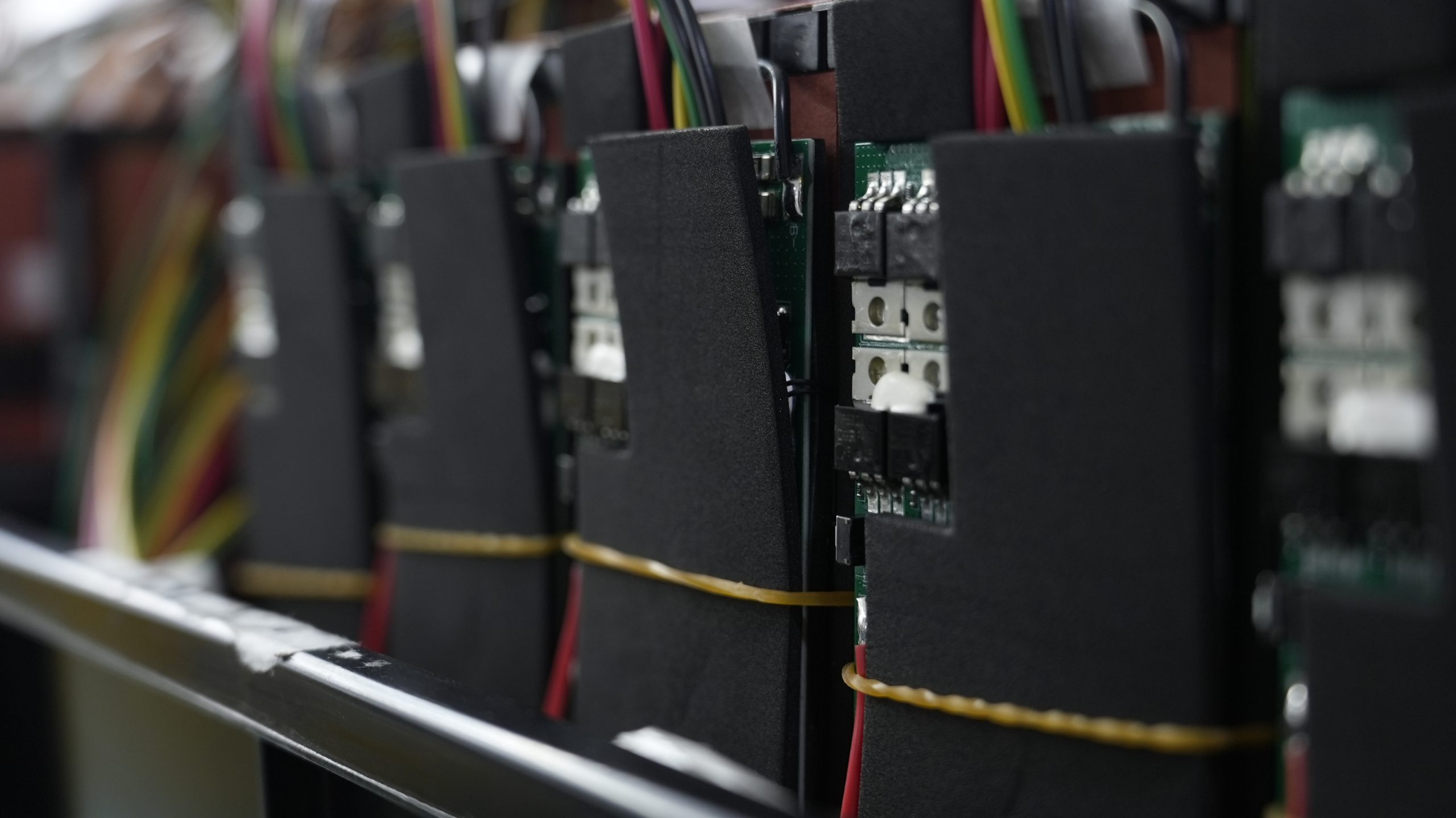
4.1 Assessing Runtime Needs
You should start by identifying your operational requirements. Different industries have unique needs. Medical teams often require continuous monitoring, while robotics operators may need extended runtime for remote deployments. The table below summarizes key factors that impact how long your lithium battery pack will last:
Factor | Impact on Battery Life |
|---|---|
Power Consumption | Higher consumption reduces runtime |
Battery Capacity | Larger capacity extends runtime |
Screen Quality | High-quality screens use more power |
User Habits | Usage patterns affect battery longevity |
Consider your use case. For example, if you work in security or infrastructure, you may need longer battery life due to unreliable power sources or overnight shifts. Users who dislike frequent charging or need to watch live events should select batteries with higher capacity.
4.2 Evaluating Battery Specs
You must review technical specifications before making a decision. Focus on the following:
Specification | Description |
|---|---|
Reserve Capacity (RC) | Indicates how long the battery can sustain a load. Higher values are better for long use. |
Amp-Hour (AH) Rating | Shows the battery’s ability to deliver current over time. Higher ratings mean longer runtime. |
Battery Type | LiFePO4 and NMC are preferred for field use due to durability and low maintenance. |
External power banks and portable power stations can extend runtime. Always match inverter size to your television’s wattage and choose pure sine wave inverters for sensitive equipment.
4.3 Making Informed Choices
Follow these steps to select the right battery for your portable television system:
Define your primary use case and runtime needs.
Confirm compatibility with your television and inverter.
Choose the appropriate lithium chemistry (LiFePO4 or NMC) for your environment.
Check for replaceable batteries and necessary connectivity.
Test performance in real-world conditions if possible.
Prioritize models with built-in Battery Management Systems (BMS) for safety.
🛠️ Maintenance Tip: Use the correct charger, store batteries at 50–70% charge, keep them cool and dry, and inspect terminals regularly. These practices extend the lifespan of your lithium battery pack and help you meet strict Battery Requirements in demanding field applications.
You should prioritize lithium battery packs with at least 1000Wh or 6 hours runtime to meet Battery Requirements in field applications. Stable output matters for professional results. Use the checklist and runtime formula to guide your choice. Always check inverter compatibility and test your system in real-world conditions.
FAQ
What lithium battery chemistry works best for field television systems?
You should choose LiFePO4 or NMC. These chemistries offer high energy density, long cycle life, and stable voltage. They work well in medical, robotics, and industrial applications.
How do you calculate the runtime for your portable television?
Use this formula:(Battery Capacity in Wh × 0.85) ÷ TV Wattage = Working Hours
This helps you plan for long shifts in security or infrastructure.
Why does stable output matter for professional field use?
Stable output prevents screen flicker and shutdowns. You need this for accurate monitoring in medical, security, and industrial environments.


