

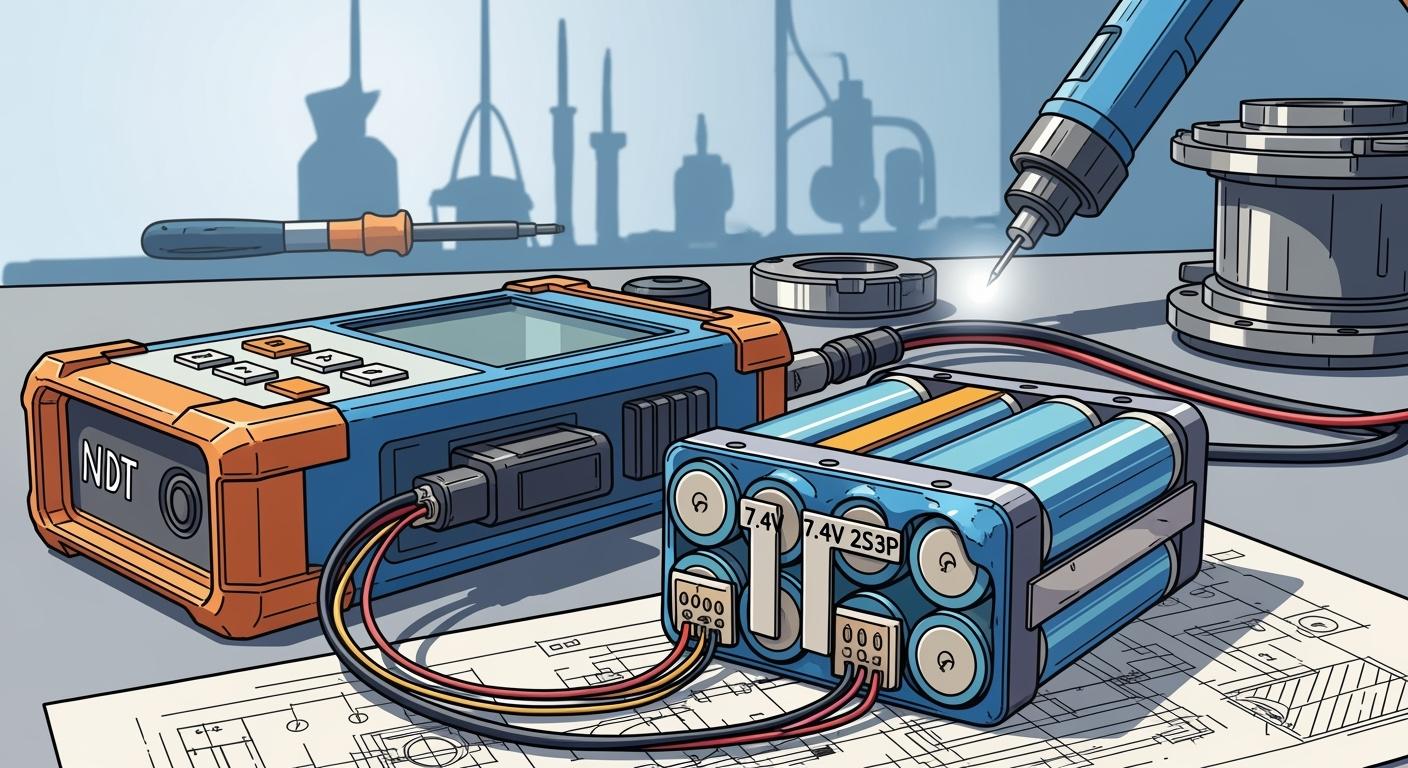
You need a reliable power source for portable NDT units. A High-Capacity Pack gives you longer run times and supports demanding field operations. In NDT work, you must consider portability, safety, and power reliability. Each factor directly impacts your workflow and equipment performance. You face unique challenges in harsh environments, so choosing the right battery solution is essential for your team’s success.
Key Takeaways
Calculate your battery pack’s energy needs by multiplying the device’s current draw by the expected runtime. This ensures you select a pack that meets your power requirements.
Choose a lithium chemistry wisely. LiFePO4 offers safety and long cycle life, while NMC provides higher energy density for smaller, lighter packs.
Use a 2S3P configuration to achieve the necessary voltage and capacity for your NDT unit. This setup balances power and size effectively.
Implement a Battery Management System (BMS) to monitor and protect your battery pack. This prevents overcharging and ensures safe operation in the field.
Regularly inspect and maintain your battery pack. This includes monitoring voltage levels and avoiding deep discharges to extend its lifespan.
Part1: NDT Unit Power Needs
1.1 Power and Capacity Requirements
You need to match your battery pack’s output to the demands of your NDT device. Most portable NDT units require steady voltage and enough capacity to support long inspection sessions. You often work with equipment that draws between 2A and 5A during operation. If your device runs for 8 hours, you need a pack that delivers at least 16Ah to 40Ah. You should select a lithium chemistry that offers high energy density and stable discharge rates. This approach ensures your High-Capacity Pack meets the operational needs without frequent recharging.
Tip: Calculate your total energy requirement by multiplying your device’s current draw by the expected runtime. This helps you avoid underpowered packs in the field.
1.2 Portability and Size Factors
You must balance power with portability. Large battery packs can weigh down your equipment and limit mobility. Industry standards show a wide range of sizes and weights for NDT battery packs. For example:
Model | Length (cm) | Width (cm) | Height (cm) | Weight (kg) |
|---|---|---|---|---|
PP-110 Power Pack | 31 | 12 | 25 | 4.2 |
Magnaflux P-1500 | 55.8 | 24.3 | 24.3 | 42.2 |
You see that smaller packs like the PP-110 offer easier handling, while larger models provide extended runtime but add significant weight. You should consider the physical constraints of your NDT device and the environments where you operate.
1.3 Environmental Considerations
You often work in challenging conditions. Extreme temperatures, moisture, and dust can affect battery performance and safety. You need a pack with robust casing and reliable seals. Lithium battery packs for NDT units should withstand temperature swings from -20°C to 60°C. You also want protection against vibration and shock. These features help your equipment perform reliably in industrial settings such as oil and gas, aerospace, and manufacturing.
Part2: High-Capacity Pack Design
2.1 Cell Selection and Chemistry
You need to choose the right lithium cell chemistry for your High-Capacity Pack. The chemistry you select affects safety, energy density, cycle life, and suitability for industrial NDT applications. The most common lithium chemistries include LiFePO4 (Lithium Iron Phosphate), NMC (Nickel Manganese Cobalt Oxide), LCO (Lithium Cobalt Oxide), and LMO (Lithium Manganese Oxide). Each chemistry offers unique advantages and trade-offs.
Chemistry | Platform Voltage | Energy Density (Wh/kg) | Cycle Life (cycles) | Typical Use Cases |
|---|---|---|---|---|
LiFePO4 | 3.2V | 90–120 | 2000–4000 | Power tools, NDT, EVs |
NMC | 3.6V | 150–220 | 1000–2000 | Medical, NDT, e-bikes |
LCO | 3.7V | 150–200 | 500–1000 | Consumer electronics |
LMO | 3.7V | 100–150 | 300–700 | Power tools, hybrid cars |
You should select LiFePO4 if you need long cycle life and high safety. NMC offers higher energy density, which helps reduce pack size and weight. LCO and LMO are less common in industrial NDT units due to lower cycle life or energy density. For most portable NDT units, NMC or LiFePO4 cells provide the best balance between performance and reliability.
Tip: Always verify the cell’s datasheet for maximum discharge current and temperature range. This ensures your High-Capacity Pack can handle the demands of field operations.
2.2 2S3P Configuration Overview
You achieve the required voltage and capacity for your High-Capacity Pack by arranging cells in a 2S3P configuration. This setup means you connect two cells in series (2S) to increase voltage, and then connect three of these series pairs in parallel (3P) to increase capacity.
Two cells in series (2S) provide a nominal voltage of 7.4V.
Three sets of these series-connected cells in parallel (3P) increase the total capacity.
This configuration supports both high voltage and significant capacity, making it ideal for demanding NDT applications.
You often see typical cell capacities between 2600mAh and 2800mAh in this setup. The 2S3P arrangement allows you to build a compact, reliable High-Capacity Pack that meets the power needs of portable NDT units.
2.3 Voltage and Capacity Calculations
You need to calculate the total voltage and capacity of your pack to ensure it matches your device’s requirements. The formulas below help you determine these values for a 2S3P lithium battery pack.
Calculation Type | Formula | Example |
|---|---|---|
Total Capacity (Ah) | Capacity of One Cell (Ah) × Number of Parallel Cells | 2.8Ah × 3 = 8.4Ah |
Total Voltage (V) | Nominal Voltage of One Cell (V) × Number of Series Cells | 3.7V × 2 = 7.4V |
You can also check the typical voltage range for a 2S pack:
Configuration | Nominal Voltage | Fully Charged | Depleted |
|---|---|---|---|
2S | 7.4V | 8.4V | 6.0V |
Note: Always use the lowest cell capacity in your calculation to ensure your High-Capacity Pack delivers reliable performance under all conditions.
When you use three 2800mAh cells in parallel, you get a total capacity of 8400mAh (2.8Ah × 3). With two cells in series, your pack delivers a nominal voltage of 7.4V. This combination gives you the energy and runtime needed for long NDT inspection sessions in the field.
Part3: Safety and Assembly
3.1 BMS and Protection Circuits
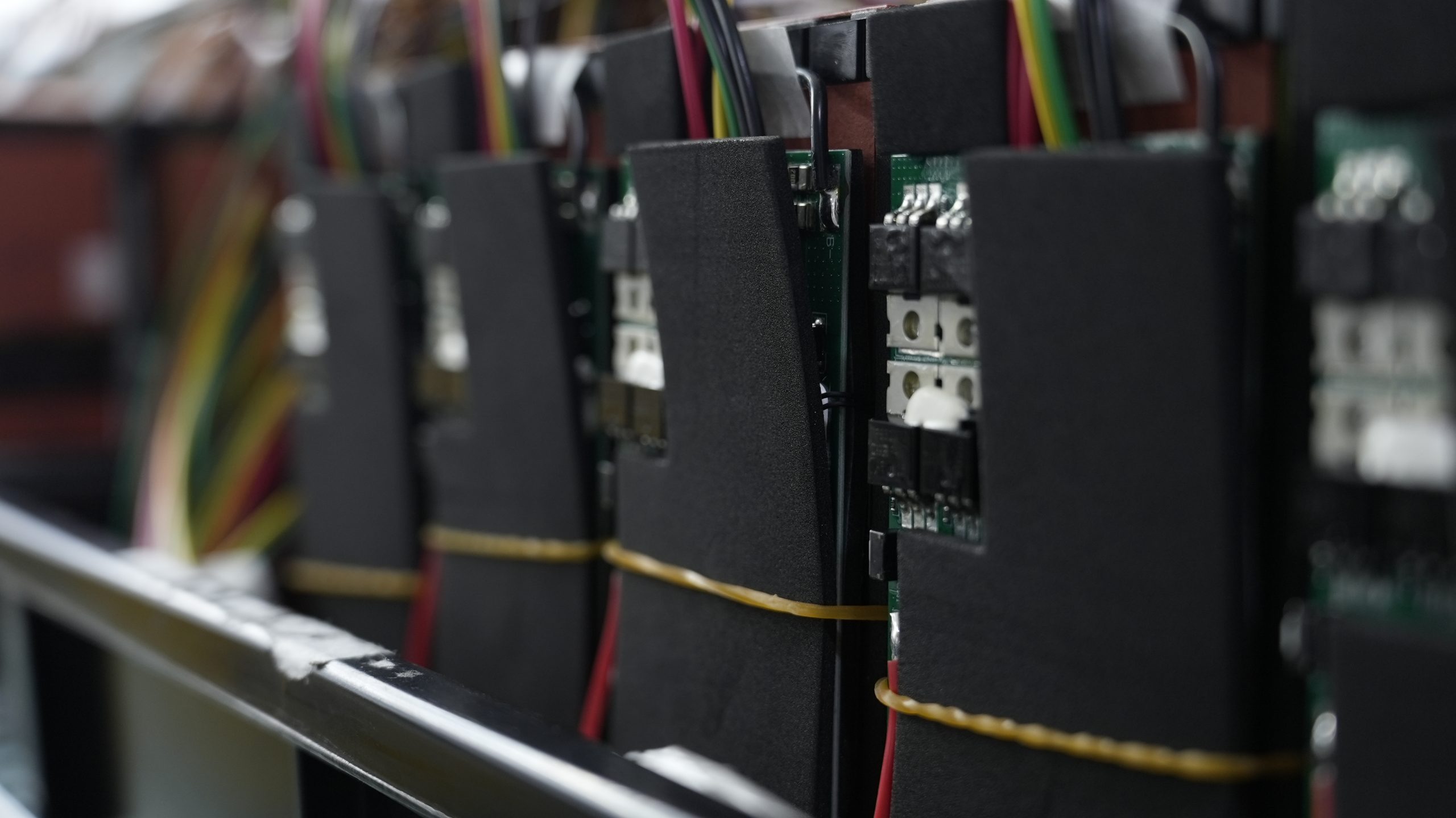
You must protect your lithium battery pack from electrical hazards. A Battery Management System (BMS) monitors and controls each cell in your pack. The BMS balances cell voltages, prevents overcharging, and stops deep discharging. It also protects against short circuits and overcurrent events. These features help you avoid dangerous situations like thermal runaway or cell damage.
Protection circuits work with the BMS to add extra safety. They disconnect the pack if they detect unsafe conditions. In industrial settings, such as oil and gas or aerospace, you need this level of protection to ensure your equipment operates safely and reliably. You should always select a BMS that matches your pack’s voltage and current requirements. This step ensures your High-Capacity Pack delivers consistent performance in the field.
Tip: Choose a BMS with temperature sensors. These sensors help you monitor heat buildup and prevent overheating during heavy use.
3.2 Thermal Management
You must control the temperature of your lithium battery pack to maintain safety and extend its life. Effective thermal management helps you regulate temperature and prevent overheating. High temperatures can reduce battery efficiency and speed up chemical wear, which shortens cycle life. Uncontrolled heat buildup can also cause safety risks, including thermal runaway and catastrophic failure.
You can use several thermal management strategies:
Add heat sinks or thermal pads to draw heat away from cells.
Use active cooling, such as small fans, in high-power applications.
Design the pack with ventilation slots or channels for better airflow.
Place temperature sensors throughout the pack for real-time monitoring.
These methods help you keep your pack within a safe temperature range. In industrial environments, such as manufacturing plants or field inspection sites, you often face high ambient temperatures. Good thermal management ensures your pack performs well and lasts longer.
3.3 High-Capacity Pack Assembly Steps
You need to follow a careful process to assemble a High-Capacity Pack for your NDT unit. Each step ensures safety, reliability, and performance.
Inspect and Match Cells:
Check each lithium cell for physical damage. Measure voltage and internal resistance. Use only cells with similar characteristics to ensure balanced performance.Arrange Cells in 2S3P Configuration:
Connect two cells in series to reach the required voltage. Connect three of these series pairs in parallel to increase capacity.Spot Weld or Solder Connections:
Use nickel strips and a spot welder for strong, low-resistance connections. Avoid excessive heat to prevent cell damage.Install the BMS and Protection Circuits:
Attach the BMS to the pack. Connect all sense wires to the correct cell terminals. Secure the protection circuits to monitor voltage, current, and temperature.Add Thermal Management Features:
Place thermal pads or heat sinks between cells. Install temperature sensors if your BMS supports them.Enclose the Pack:
Use a durable, sealed case to protect against dust, moisture, and vibration. Industrial-grade enclosures help your pack survive harsh environments.Test the Assembled Pack:
Check voltage, capacity, and BMS operation. Run a charge-discharge cycle to confirm performance before integrating the pack with your NDT device.
Note: Always follow manufacturer guidelines and safety standards during assembly. Proper assembly reduces the risk of failure and extends the life of your pack.
Part4: Testing and Integration

4.1 Performance Testing
You need to validate your high-capacity lithium battery pack before field deployment. Performance testing helps you confirm that your pack meets the demands of portable NDT units. You should use a range of protocols to check thermal, mechanical, and electrical performance. The table below summarizes key testing methods:
Testing Method | Description |
|---|---|
Thermal Performance | Evaluates battery response to temperature extremes to prevent overheating and thermal runaway. |
Mechanical Testing | Assesses resistance to physical stress, impacts, and vibrations to ensure durability during use. |
Electrical Testing | Measures capacity, efficiency, and performance to ensure reliable power output and lifespan. |
You should run these tests in conditions similar to your application environment. For example, industrial and infrastructure settings often expose packs to vibration and heat. Medical and robotics applications require stable electrical output and long cycle life.
Tip: Always document your test results. This helps you track performance trends and identify issues early.
4.2 Cycle Life and Reliability
You want your battery pack to deliver consistent power over many charge-discharge cycles. Cycle life measures how many times you can recharge the pack before its capacity drops below 80%. You should select lithium chemistries like NMC or LiFePO4 for better cycle life and reliability. Packs used in security systems and consumer electronics often require hundreds of cycles, while industrial and medical devices may need thousands.
You can extend cycle life by controlling charge rates, avoiding deep discharges, and maintaining proper thermal management. Regular testing helps you spot early signs of wear or imbalance.
4.3 Integration with NDT Device
You must integrate your battery pack seamlessly with your NDT unit. Follow these best practices to ensure safety and reliability:
Design for safety from day one. Integrate thermal management, proper cell spacing (minimum 2mm), and controlled venting systems.
Choose chemistry and form factors strategically. NMC cells offer better thermal stability than NCA. Cylindrical cells provide superior mechanical protection.
Leverage pre-certified components. This reduces testing time and sample requirements for certification.
Implement comprehensive BMS over basic PCM. Full Battery Management Systems provide advanced monitoring capabilities.
Plan for multiple certifications. UN38.3, IEC 62133-2, UL, and CE each require specific testing protocols and documentation.
You should consider these steps whether you work in industrial, medical, or robotics applications. Proper integration ensures your NDT device operates safely and efficiently in the field.
Part5: Troubleshooting and Optimization
5.1 Common Issues
You may encounter several challenges when operating high-capacity lithium battery packs in portable NDT units. Identifying these issues early helps you maintain reliable performance in demanding environments.
Issue | Cause | Solution |
|---|---|---|
Uneven Cell Discharge | Cell mismatch or aging | Replace weak cells, balance pack |
Overheating | Poor ventilation or high current draw | Improve cooling, reduce load |
Voltage Drop Under Load | High resistance connections | Check welds, tighten terminals |
BMS Faults | Incorrect wiring or sensor failure | Inspect BMS, replace sensors |
Reduced Capacity | Deep discharge cycles | Limit discharge depth, recharge |
Tip: Regularly inspect your pack for physical damage and monitor voltage levels. Early detection prevents costly downtime in industrial settings.
You often see these problems in oil and gas field inspections, aerospace maintenance, and manufacturing plants. Addressing them quickly ensures your NDT unit remains operational and safe.
5.2 Maximizing Pack Longevity
You can extend the life of your lithium battery pack by following best practices. Proper care and maintenance reduce the risk of failure and improve long-term reliability.
Store your pack at moderate temperatures. Avoid heat and freezing conditions.
Charge your pack using manufacturer-recommended rates. Fast charging increases wear.
Limit deep discharges. Recharge before the pack drops below 20% capacity.
Use a BMS with advanced balancing features. This keeps all cells healthy.
Schedule routine performance tests. Track capacity and cycle count.
Note: LiFePO4 and NMC chemistries offer longer cycle life and better stability for industrial NDT applications. Choose these chemistries for maximum longevity.
You improve uptime and reduce replacement costs by following these steps. Reliable battery packs support continuous inspections in critical industries such as aerospace and manufacturing.
You can develop a reliable High-Capacity Pack for portable NDT units by following a clear process. Focus on cell selection, safe assembly, and thorough testing. Always integrate your pack with the device using proper BMS and thermal management.
Remember to document your results and monitor performance.
To optimize your design, use quality components and avoid deep discharges. In the future, expect advances in lithium chemistries and smarter battery management for industrial applications.
FAQ
What makes a 2S3P lithium pack suitable for portable NDT units?
You get stable voltage and high capacity with a 2S3P configuration. This setup supports long inspection sessions in oil and gas, aerospace, and manufacturing. You also benefit from improved safety and reliability in harsh environments.
How do you choose between LiFePO4 and NMC chemistries?
You select LiFePO4 for longer cycle life and higher safety. NMC offers greater energy density, which reduces pack size and weight. The table below compares key features:
Chemistry | Cycle Life | Energy Density | Safety |
|---|---|---|---|
LiFePO4 | High | Moderate | High |
NMC | Moderate | High | Good |
What safety features should you include in a high-capacity pack?
You need a Battery Management System (BMS) with cell balancing, overcharge, and overcurrent protection. Add temperature sensors and robust casing. These features help you prevent overheating and electrical faults during industrial inspections.
How do you maximize the lifespan of your lithium battery pack?
You store your pack at moderate temperatures. You avoid deep discharges and fast charging. You use a BMS with advanced balancing. You schedule routine performance tests to track capacity and cycle count.
Can you use the same battery pack for different NDT devices?
You must check voltage and current requirements for each device. Packs with flexible configurations and robust BMS can support multiple NDT units. Always verify compatibility before deployment.


