

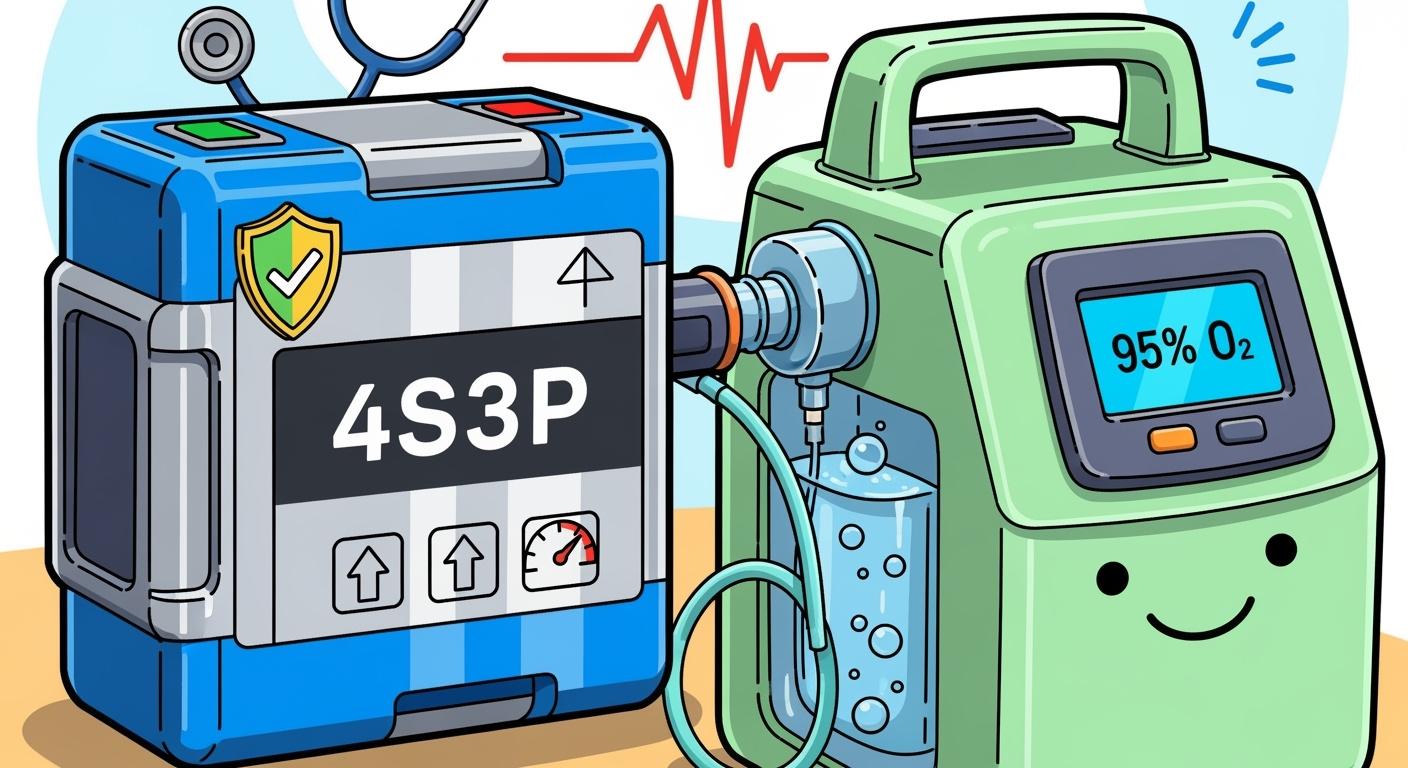
You can enhance the performance and safety of 4S3P lithium batteries in oxygen concentrators by prioritizing advanced protection and robust thermal management. Battery management systems monitor voltage, current, and temperature in real time. The table below highlights how dedicated safety devices and thermal strategies improve reliability and inform your design considerations.
Safety Feature | Benefit |
|---|---|
Safety Devices | Reduce risks from battery failure with vents and current fuses |
Thermal Management | Prevent hazardous heat accumulation |
Battery Management | Lower risks of fires and thermal runaway |
Key Takeaways
Prioritize advanced safety features like overcharge and short circuit protection to enhance battery reliability in oxygen concentrators.
Select lithium battery chemistries that balance high energy density with safety, such as NMC, for optimal performance in medical applications.
Implement robust thermal management strategies to prevent overheating and extend the lifespan of lithium battery packs.
Part1: Battery Performance Factors
1.1 Energy Density and Runtime
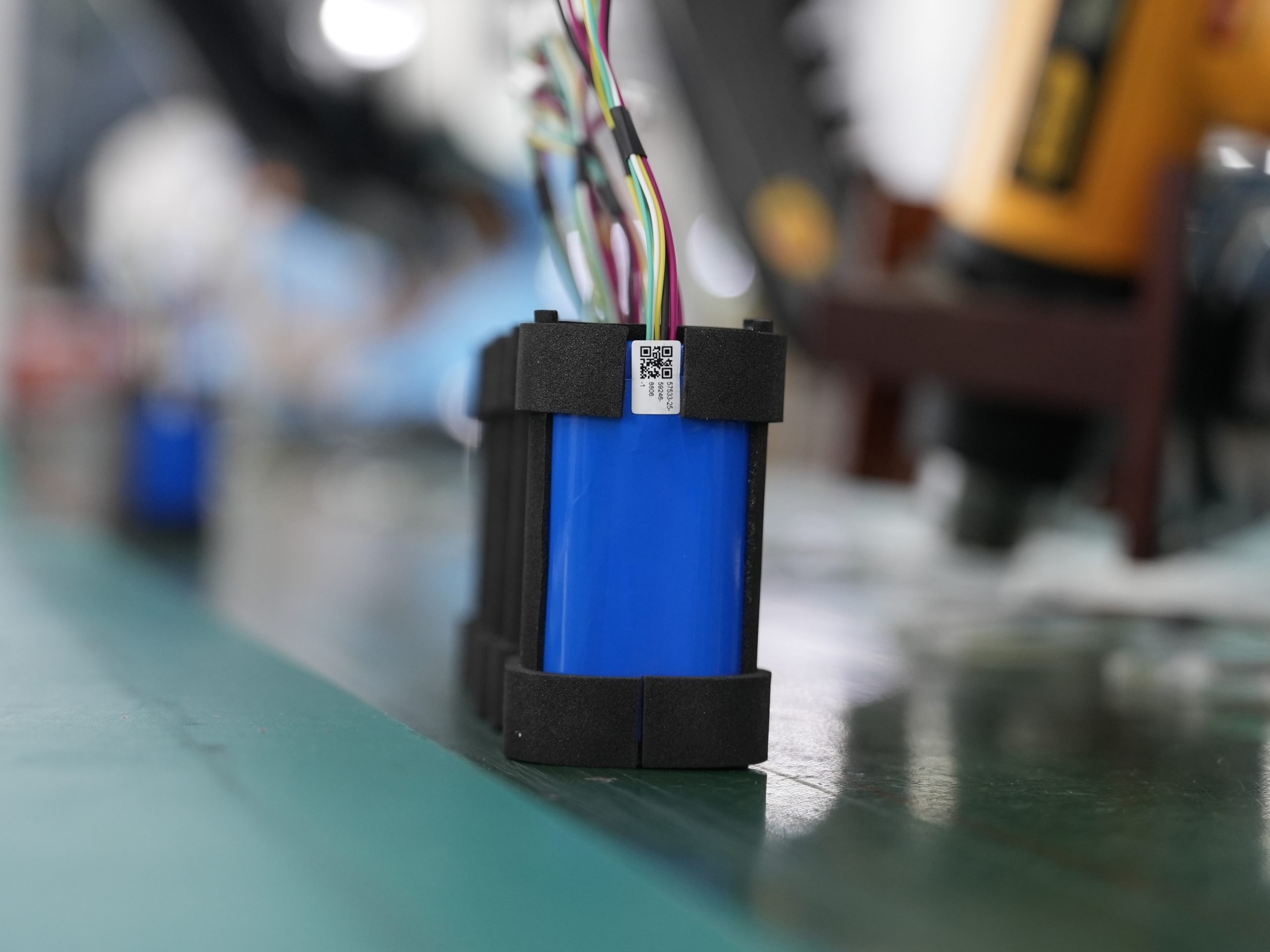
You need to prioritize energy density and runtime when selecting custom lithium battery packs for oxygen concentrators. High energy density allows you to deliver more power in a compact form, which is essential for portable medical devices. Lithium-ion packs provide high energy density, supporting longer runtime and lighter device weight. NMC packs deliver enhanced safety and stable capacity over the battery cycle, making them suitable for medical applications.
Tip: Choose battery chemistries that balance high energy density with advanced safety features for reliable operation in clinical environments.
The following table compares common lithium battery chemistries used in medical oxygen concentrators:
Chemistry | Energy Density (Wh/kg) | Cycle Life (cycles) | Safety Level | Typical Application |
|---|---|---|---|---|
Lithium-ion (NMC) | 160-270 | 1000-2000 | Moderate | Medical, Consumer |
LiFePO4 | 100-180 | 2000+ | High | Medical, Industrial |
LCO | 180-230 | 500-1000 | Moderate | Consumer Electronics |
LMO | 120-170 | 300-700 | Moderate | Power Tools, Medical |
LTO | 60-90 | 10000+ | Very High | Infrastructure, Medical |
1.2 Reliability in High-Discharge Applications
Reliability becomes critical when your oxygen concentrator operates at high discharge rates. High-discharge scenarios can cause voltage fluctuations, increased heat, and uneven cell performance. You must address these challenges to maintain safety and consistent oxygen delivery.
The table below summarizes reliability challenges for 4S3P lithium battery packs under different discharge rates:
Performance Indicator | Discharge Rate 0.5C | Discharge Rate 2C | Standard Deviation Increase |
|---|---|---|---|
Voltage | < 0.001 V | 0.01 – 0.03 V | 24.9 times |
Temperature | N/A | N/A | 7.75 times |
Cell Current | N/A | 0.05 A | 6 times |
Heat Production Rate | N/A | N/A | 10 times |
Impact of Ambient Temperature | Increases SD | Increases SD | N/A |
Impact of Coolant Flow Rate | Decreases SD | N/A | N/A |
Impact of Initial SoC | Uniform < 0.001 | Non-uniform 0.01 – 0.03 V | N/A |
You should implement advanced safety features such as battery management systems and thermal management to reduce risks. These design considerations help prevent thermal runaway, which is a major cause of lithium battery failure in medical devices. You can further improve reliability by selecting packs with robust cell balancing and monitoring systems.
1.3 Impact on Oxygen Concentrator Performance
Battery performance directly influences oxygen concentrator performance and patient outcomes. You need to ensure that your packs deliver consistent power for uninterrupted oxygen therapy. Many portable oxygen concentrators use rechargeable battery packs that provide several hours of operation, which is vital for patient mobility in medical settings. Some models support external packs, extending runtime during travel or emergencies.
Pulse-flow settings supply oxygen only during inhalation, conserving both oxygen and battery power.
Reduced oxygen waste through pulse dose technology improves therapy efficiency and extends battery life.
Optimized delivery leads to longer runtime and better usability for patients and caregivers.
Note: Effective design considerations for battery integration can reduce device size and weight, making oxygen concentrators easier to transport and use in clinical and home environments.
You must select custom lithium battery packs that align with your device’s power and safety requirements. Proper battery integration enhances oxygen concentrator performance, supports reliable operation, and ensures patient safety.
Part2: Safety Design Considerations
2.1 Protection Mechanisms (Overcharge, Over-Discharge, Short Circuit)
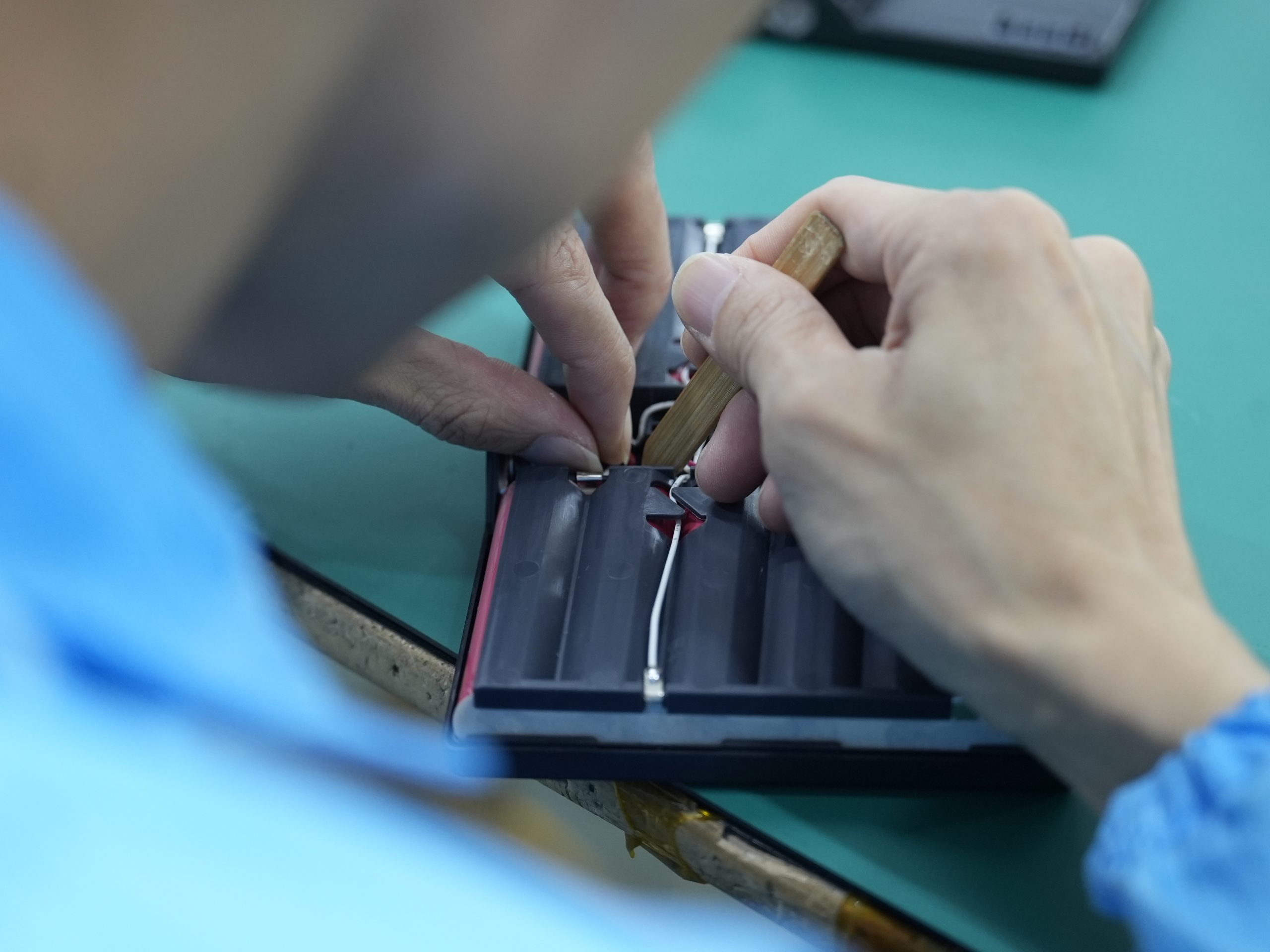
You must prioritize advanced safety features when designing custom lithium battery packs for medical oxygen concentrators. Protection mechanisms such as overcharge, over-discharge, and short circuit protection play a critical role in preventing failures and ensuring reliable operation. These features help you maintain high energy density and capacity while reducing the risk of hazardous events.
Short circuit protection features prevent overheating, which is a key factor in thermal runaway.
These mechanisms help you avoid sudden failures that can lead to dangerous conditions in medical devices.
Manufacturers integrate protective systems like overcharge and thermal protection to enhance safety.
You should always select battery packs that include robust protection circuits. These circuits monitor voltage and current, disconnecting the pack if unsafe conditions arise. Overcharge protection prevents excessive voltage buildup, while over-discharge protection stops the battery from dropping below safe limits. Both features extend cycle life and maintain consistent performance.
International safety standards regulate the use of lithium batteries in medical oxygen concentrators. The table below summarizes key regulatory aspects:
Regulation Aspect | Details |
|---|---|
Packing Requirements | Devices must be protected from damage and must be completely switched off when checked in. |
Battery Limitations | Lithium metal content must not exceed 2 g; lithium-ion batteries must not exceed 100 Wh. |
Carry-on Restrictions | Portable electronic devices (PEDs) must be carried in hand luggage, with a maximum of 15 PEDs allowed per person. |
Spare Battery Rules | Spare batteries must be protected against short-circuiting and can only be carried in hand luggage, with a limit of 20 spare batteries per person. |
By following these regulations and integrating advanced safety features, you can ensure your battery packs meet global standards and deliver reliable operation in medical environments.
2.2 Thermal Management Strategies
Thermal management is essential for maintaining battery safety, performance, and longer runtime in oxygen concentrators. High temperatures can increase self-discharge rates and pose safety risks, while low temperatures reduce capacity and energy density. Humidity can also cause corrosion of battery terminals, impacting reliability and efficiency.
You should implement thermal management solutions such as heat sinks, thermal interface materials, and active cooling systems. These strategies help you maintain optimal operating temperatures, prevent overheating, and support high energy density in custom lithium battery packs.
2.3 Cell Balancing and Battery Management Systems
Cell balancing and battery management systems (BMS/PCM) are critical for maximizing battery safety, performance, and efficiency in medical oxygen concentrators. You need to ensure that each cell within your custom lithium battery packs maintains uniform charge and discharge levels. Imbalances can lead to reduced capacity, shorter cycle life, and increased safety risks.
Advanced battery management systems provide real-time monitoring and control. These systems track voltage, current, and temperature to ensure safe operation. They detect faults such as self-discharge or internal short circuits early, preventing damage and supporting reliable operation. Key features include:
Real-time monitoring of voltage, current, and temperature.
Fault detection mechanisms for early identification of issues.
Overcharge, overdischarge, and overcurrent protection.
Thermal management to prevent overheating and thermal runaway.
Cell balancing to ensure uniform charge levels and prevent premature aging.
By integrating advanced safety features and robust battery management systems, you can optimize energy density, capacity, and reliability in your custom lithium battery packs. This approach supports longer runtime, high energy density, and consistent oxygen concentrator performance in medical settings.
Tip: Investing in advanced safety features and compliance with international standards may increase initial costs. However, these investments protect your brand reputation, reduce liability, and ensure the safety of patients and healthcare providers.
Part3: Practical Tips for Battery Selection and Maintenance
3.1 Criteria for Battery Pack Selection
When you select custom lithium battery packs for oxygen concentrators, you must focus on both performance and safety. Evaluate the battery’s capacity and energy density to ensure it meets the power needs of your medical devices. Always check that the packs comply with standards like ISO 13485 and IEC 62133, which confirm safety and reliability. Look for high energy density, long cycle life, and integrated safety mechanisms. Partner with suppliers who offer strong warranty and after-sales support, including global service teams and quick feedback channels. This approach ensures reliable operation and longer runtime for your oxygen concentrators.
Capacity and performance under various temperatures
Compliance with medical safety standards
High energy density and robust safety features
Supplier reputation and warranty coverage
3.2 Installation and Operation Best Practices
Proper installation and operation of lithium battery packs protect your investment and support consistent oxygen concentrator performance. Staff training reduces user error and enhances safety. Regular monitoring and preventive maintenance help you identify issues early.
Best Practice | Description |
|---|---|
Preventive Maintenance | Schedule regular checks, especially in humid environments. |
Proper Setup | Ensure correct installation to avoid operational failures. |
Staff Training | Train personnel on safe handling and emergency response. |
Backup Power | Use alternate supply connections and portable power stations for reliability. |
3.3 Maintenance for Long-Term Safety
Routine maintenance extends the lifespan and efficiency of custom lithium battery packs. Clean air passages and change filters every 6-12 months. Check for leaks and avoid deep discharge to preserve battery health. Recharge batteries after each use and recalibrate monthly for accurate readings. Monitor battery health to detect risks early and prevent incidents. Return depleted or damaged batteries to recycling facilities for safe disposal.
Regular monitoring and proactive maintenance are essential for sustaining battery performance, safety, and longer runtime in medical applications.
You can enhance the performance and safety of custom lithium battery packs in your concentrator by integrating advanced protection, optimal battery chemistry, and robust thermal management.
Advanced thermal management reduces overheating and extends battery lifespan.
Hybrid modules and NCM cathodes improve energy density and structural stability.
Regular monitoring ensures reliable operation in medical and portable oxygen concentrators.
FAQ
What makes 4S3P lithium battery packs suitable for medical oxygen concentrators?
You benefit from high energy density, stable voltage, and advanced safety features. These packs support reliable, long-term operation in demanding medical environments.
How does Large Power ensure safety in custom lithium battery packs?
Large Power integrates multi-level protection circuits, robust thermal management, and cell balancing. You can request a custom battery consultation here for tailored solutions.
How do lithium battery chemistries compare for industrial and medical use?
Chemistry | Energy Density (Wh/kg) | Cycle Life (cycles) | Safety Level |
|---|---|---|---|
NMC | 150-220 | 500-1000 | Moderate |
LiFePO4 | 90-140 | 2000+ | High |
You should select based on your application’s safety and performance needs.


