

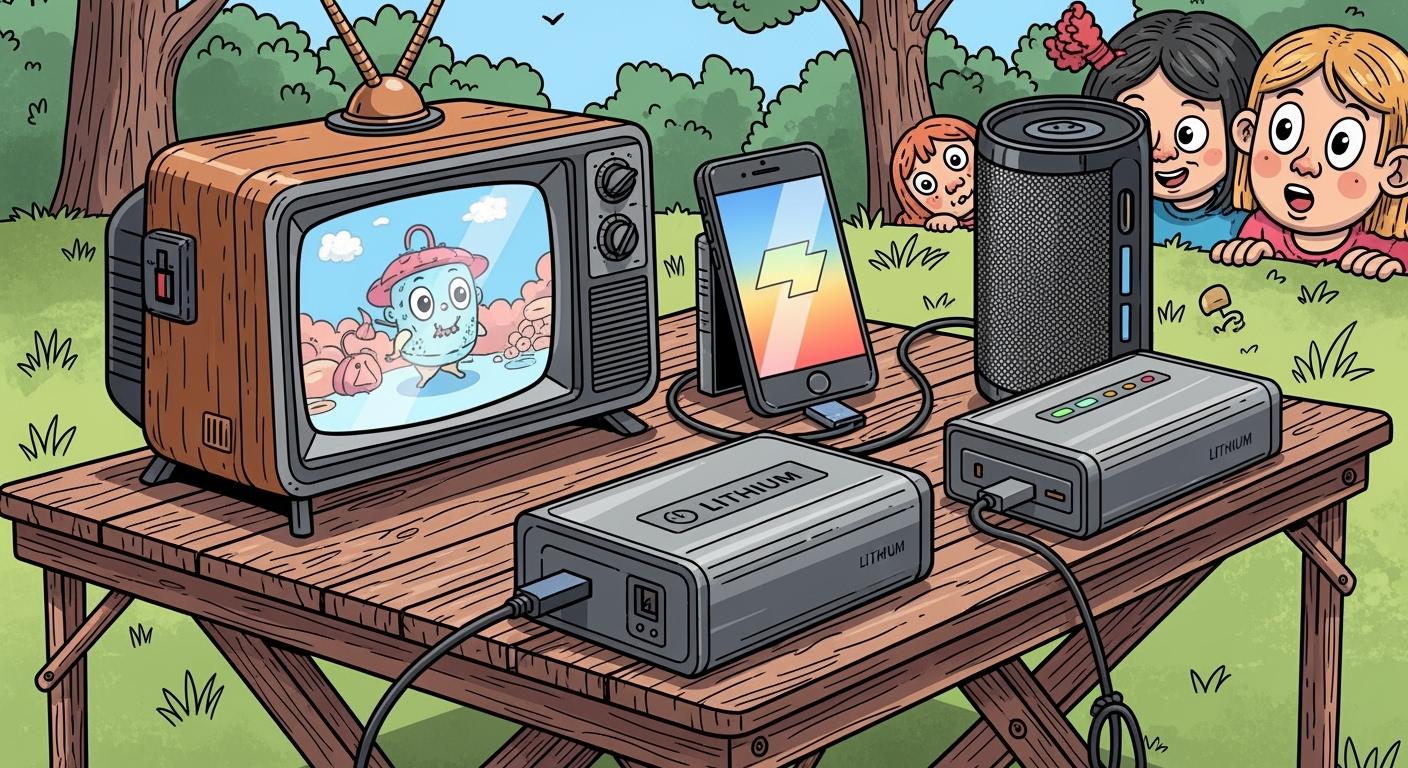
You need portable tv battery solutions that deliver reliable power for mobile and outdoor display applications. Lithium batteries stand out because they offer high capacity and long runtime, making them ideal for B2B buyers who require dependable performance. The portable TV market is growing fast, with a projected CAGR of 8.3% from 2026 to 2034, driven by outdoor activities and new technology. You can choose from built-in lithium battery packs, external solutions, and eco-friendly portable solar tv options. Selecting the right portable tv battery ensures you maximize uptime and efficiency.
Key Takeaways
Lithium batteries provide high capacity and long runtime, making them ideal for portable TVs used in outdoor and mobile settings.
Choose between built-in lithium battery packs for seamless integration or external power sources for flexibility and easy replacement.
Consider battery capacity and charging methods to maximize runtime and efficiency for your specific TV applications.
Portable solar TVs offer eco-friendly solutions, providing power independence and reducing carbon footprints during outdoor events.
Prioritize safety by selecting batteries with proper certifications and features like overcharge protection to ensure reliable operation.
Part1: Portable TV Battery Solutions Overview

1.1 What Is a Portable TV Battery?
You rely on portable tv battery solutions to deliver consistent power for mobile and outdoor display applications. A portable tv battery provides energy to a tv without needing a fixed outlet. You can choose between built-in rechargeable batteries and external power sources. Each option impacts usability and maintenance.
Feature | Built-in Rechargeable Battery | External Power Sources |
|---|---|---|
Pros | Seamless setup, no extra cables, optimized thermal management | Modular, easier battery replacement, scalable runtime |
Cons | Non-replaceable, battery degrades over time, limited upgrade path | Adds weight, requires separate charging logistics, inverter inefficiency |
Best Use Case | Frequent outdoor use, grab-and-go reliability | Extended use cases, need for continuous playback |
You should consider battery capacity, charging method, power draw, and thermal management. These features affect runtime and reliability in mobile and outdoor environments.
Battery capacity determines how long your tv operates.
Fast charging options reduce downtime.
Real power consumption may differ from advertised specs.
Good thermal management extends battery life.
1.2 Why Lithium Power Systems Lead
Lithium batteries dominate portable tv battery solutions because they offer high energy density and lightweight design. You benefit from longer runtime and easier transport. Standard lithium-ion (NMC) batteries provide maximum energy in a compact package. You can charge and discharge lithium batteries many times, which increases usability.
Battery Type | Energy Density (Wh/kg) | Weight | Cycle Life (cycles) | Typical Application |
|---|---|---|---|---|
Lithium-ion (NMC) | 150–220 | Light | 500–1,000 | Portable TVs, consumer electronics |
LiFePO4 | 90–160 | Light | 2,000–4,000 | Industrial, medical, robotics |
LCO | 100–180 | Light | 300–500 | Consumer electronics |
LMO | 100–150 | Light | 300–700 | Security systems, infrastructure |
You gain reliable performance and scalable capacity with lithium batteries. You can select solutions with 10,000–20,000 mAh capacity for midsized portable TVs, achieving up to 8 hours of runtime.
TV Size Category | Battery Capacity (mAh) | Typical Runtime (hours) |
|---|---|---|
Compact units (7–10 inches) | 1,500–4,000 | 1.5–3.5 |
Midsized portables (14–16 inches) | 6,000–12,000 | 3–6 |
Wheeled smart displays (24–32 inches) | >20,000 | 5–8 |
1.3 Key Use Cases: Mobile & Outdoor Displays
You use portable tv battery solutions for many business applications. You move screens between rooms, patios, or vehicles without rewiring. You maintain access to news and emergency alerts during power outages. You deploy portable solar tv units for eco-friendly outdoor advertising and events.
Cord-free mobility: Move displays between locations with no extension cords.
Backup resilience: Keep tvs running during short-term outages.
On-the-go viewing: Use portable tvs for camping, tailgating, or gatherings.
Outdoor advertising: Set up solar-powered tv displays for promotions.
Industrial and medical: Deploy portable tvs in infrastructure, security, and healthcare environments.
Tip: You maximize uptime and efficiency by selecting the right battery capacity and charging solution for your application.
Part2: Types of Portable TV Battery Solutions
2.1 Built-in Lithium Battery Packs
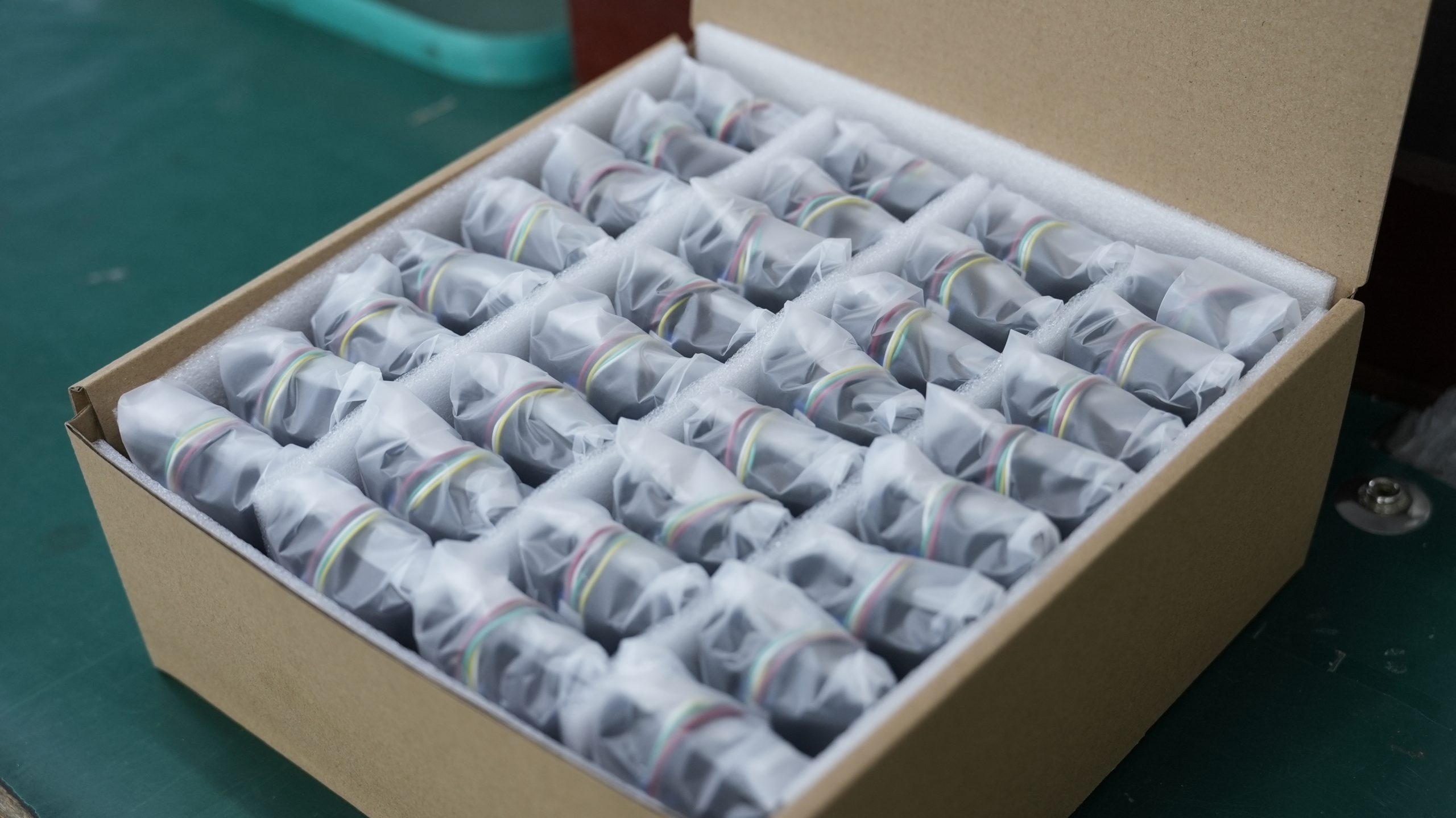
You can select built-in lithium battery packs for seamless integration with your portable TV. These packs deliver higher capacity and longer runtimes than most external power banks. You benefit from a system that supports heavy loads for days, which is ideal for continuous outdoor or mobile use. Built-in packs also optimize thermal management and reduce cable clutter. Many midsize and large portable TV battery solutions, such as the SKYWORTH Companion, use this approach to maximize uptime.
2.2 External Battery Packs & Power Stations
External battery packs and portable power stations offer flexibility for your TV deployments. You can swap or recharge these units quickly, which supports extended events or field operations. Portable power stations, like those from RELiON, provide easy mobility and convenience for short-term needs. However, these solutions usually have lower energy storage capacity compared to built-in systems. You may find them suitable for smaller screens or backup scenarios where you need to move equipment often.
2.3 Portable Solar TV Options
You can choose a portable solar TV for eco-friendly, off-grid applications. These systems combine a solar panel with a rechargeable lithium battery, providing entertainment and information anywhere. For example, a solar-powered TV with a 284Wh battery can run for over 18 hours and double as a CCTV monitor. This solution supports sustainability and ensures power independence in remote or emergency situations.
Advantage | Description |
|---|---|
Eco-Friendly Power Source | Solar-powered TVs reduce your carbon footprint by using clean, renewable energy. |
Cost-Effective | They save money in the long run by eliminating electricity bills and battery replacements. |
Off-Grid Freedom | They provide entertainment anywhere without needing an electrical outlet. |
Versatile Lighting | Built-in LED lights make them useful for both entertainment and illumination. |
Reliable in Emergencies | They are essential during power outages, providing entertainment without grid reliance. |
2.4 Pros & Cons Comparison
You need to compare portable TV battery solutions to match your requirements. The table below summarizes key differences:
Solution Type | Capacity | Runtime | Convenience | Best Use Case |
|---|---|---|---|---|
Built-in Lithium Battery Pack | High | Long (days) | Seamless, no cables | Continuous outdoor/mobile use |
External Battery Pack/Station | Medium | Short to medium | Swappable, portable | Events, backup, small screens |
Portable Solar TV | High (with sun) | 18+ hours | Off-grid, sustainable | Remote, eco-friendly, emergencies |
Note: Factors like brightness, resolution, and content type affect battery runtime. Lower brightness can double available hours, while 4K content reduces runtime.
You should consider how to choose a portable TV battery based on your screen size, environment, and power needs. Built-in packs suit large displays and long-term use. External packs work for flexible, short-term setups. Portable solar TV options excel in outdoor, eco-friendly scenarios.
Part3: How to Choose a Portable TV Battery
3.1 Battery Capacity & Runtime
You need to calculate battery capacity and expected runtime before selecting a portable TV battery. Start by checking the wattage of your TV. For example, a 15-24″ portable TV typically uses 30-60W. You can estimate runtime using this formula:
Runtime (hours) = Battery capacity (Wh) ÷ TV wattage (W)
Several factors affect battery performance:
Energy consumption: The total power draw of your TV and any connected devices determines how quickly the battery drains.
Depth of discharge: You can only use a percentage of the battery’s capacity, which impacts usable energy and battery lifespan.
System inefficiencies: Energy losses during conversion and transfer reduce effective capacity.
External conditions: Temperature extremes can lower battery efficiency.
For most portable TV applications, you should select lithium battery packs with 10,000–20,000 mAh capacity. This range supports 4–8 hours of runtime for 15-24″ TVs. You can use higher capacity packs for longer events or larger screens. If you plan for off-grid living or renewable energy setups, consider batteries with higher capacity and robust cycle life.
Tip: Always check the actual power consumption of your TV. Manufacturers often list maximum wattage, but real-world usage may be lower.
3.2 Portability & Design
You need a battery solution that matches your mobility requirements. Lightweight design improves transportability and reduces fatigue during setup. For example, the Sylvox Smart 15.6” portable TV features a lightweight build and delivers 4.5–6 hours of battery life. You can easily carry this model for outdoor events, tailgating, or camping.
Consider these factors when evaluating portability:
Weight: Choose batteries that minimize overall system weight.
Integrated handles or wheels: These features make moving larger portable TVs easier.
Compact form factor: Slim battery packs fit better in tight spaces and reduce cable clutter.
You can select external power banks for flexible deployments, but built-in lithium battery packs often provide better thermal management and seamless integration.
3.3 Safety & Certifications
You must prioritize safety when choosing portable TV batteries for commercial use. Reliable lithium battery packs should meet international safety standards and certifications. These certifications ensure safe operation, transport, and compliance with regulations.
Certification | Description |
|---|---|
UN38.3 | Covers battery safety during air transport. |
UL 2054 | Covers safety of lithium-ion batteries in general use. |
IEC 62368-1 | Covers the use of batteries in information-technology equipment. |
IEEE 1725 | Covers safety of lithium-ion batteries used in cellular devices. |
IEC 62133-2 | Covers secondary cells and batteries containing alkaline or other nonacid electrolytes. |
CE | Indicates compliance with health, safety, and environmental protection standards for products sold within the European Economic Area. |
FCC | Certifies that electronic devices meet the standards set by the Federal Communications Commission in the USA. |
CSA | Indicates compliance with Canadian safety standards. |
You should verify that your battery solution includes overcharge protection, short-circuit prevention, and thermal management features. These safeguards protect your equipment and staff during operation.
Note: Always request certification documents from suppliers before procurement.
3.4 Compatibility & Customization
You need battery solutions that fit your specific TV models and business requirements. Compatibility ensures seamless integration with your portable TV, while customization allows you to tailor features for your commercial scenario.
Customization Type | Minimum Order Quantity | Customization Cycle |
|---|---|---|
Basic (e.g., UI, boot logo) | 50 units | 20-30 days |
In-depth (e.g., hardware) | 300 units | 45-60 days |
You can benefit from factory-direct procurement, which offers flexible customization options. You can adjust hardware configurations or software systems to match your market positioning. This approach reduces procurement costs by 30%-50% compared to branded products.
No brand premium means lower prices.
You can customize hardware and software for unique commercial needs.
Factory-direct solutions let you become an active customizer.
Callout: Customization helps you align portable TV battery solutions with your branding and operational requirements.
You should always check compatibility with your TV’s voltage and connector type. Customization cycles vary based on the depth of changes required.
Part4: Performance & Feedback
4.1 Real-World Application Cases
You can see the value of lithium battery solutions in demanding outdoor and mobile environments. This case shows how you can rely on a battery to deliver consistent power for extended periods. The battery operated for 99.5 hours without significant support from diesel generators. You can use similar systems for off-grid living, outdoor events, or field operations where stable power is critical.
Note: Reliable battery performance reduces your dependence on traditional generators and supports renewable energy goals.
4.2 User & Industry Feedback
You benefit from strong feedback in the market for portable TV battery solutions. Users report high satisfaction with battery reliability and runtime. Productions from Netflix and Disney have used these battery systems, which highlights their readiness for professional use. You can trust these solutions for both entertainment and critical business applications.
Users appreciate long runtime and stable power delivery.
Industry leaders show growing interest in high-power battery solutions.
You see positive results in both remote and urban deployments.
4.3 Performance Metrics
You should evaluate battery performance using clear metrics. The table below summarizes key performance indicators for lithium battery packs in portable TV applications:
Metric | Typical Value | What It Means for You |
|---|---|---|
Runtime | 6–99.5 hours | Supports long events or shifts |
Cycle Life (NMC) | 500–1,000 cycles | Reliable for frequent use |
Energy Density (NMC) | 150–220 Wh/kg | Lightweight, easy to transport |
Platform Voltage | 3.6–3.7 V | Matches most portable TVs |
You can use these metrics to compare battery options and select the best fit for your TV deployment. High cycle life and energy density mean you get more value and less downtime.
Tip: Always match battery specifications to your TV’s power needs for maximum efficiency.
Part5: Cost, Maintenance & Safety
5.1 Cost of Ownership
You need to consider the total cost of ownership when investing in a lithium battery for your portable TV. The initial price includes the battery pack, compatible charging equipment, and any required accessories. You also need to factor in the expected cycle life. NMC batteries typically last 500–1,000 cycles, while LiFePO4 batteries can reach 2,000–4,000 cycles. Longer cycle life means fewer replacements and lower long-term costs.
Warranty Duration | Description |
|---|---|
Up to 10 years | Full warranty providing peace of mind and confidence in product reliability. |
You can reduce costs by choosing factory-direct procurement and customizing your battery solution for your specific tv deployment. This approach lowers the brand premium and aligns the battery system with your operational needs. When you use batteries for off-grid living or renewable energy projects, you also save on fuel and generator maintenance.
Tip: Always compare the total cost over the battery’s lifespan, not just the upfront price.
5.2 Maintenance Tips
Proper maintenance extends the life and safety of your battery. You should follow best practices to maximize performance and minimize downtime. The table below summarizes key maintenance actions:
Maintenance Practice | Description |
|---|---|
Ideal Storage Charge Level | Store the device at 40–60% charge to maximize longevity. |
Avoid 100% Charge for Extended Periods | Keeping the device at 100% charge for weeks can degrade battery longevity. |
Use Charge Controllers | Modern units use controllers to stop charging at ~95–98% to prolong cycle life. |
You should store your tv battery in a cool, dry place. Avoid exposing the battery to extreme temperatures or moisture. Regularly inspect the battery for signs of swelling or damage. If you use your battery in a renewable energy or off-grid living setup, monitor charge cycles and replace the battery when capacity drops below 80%.
5.3 Safety & Legal Compliance
You must prioritize safety and legal compliance when deploying lithium battery packs for portable tv applications. Always select batteries with certifications such as UN38.3, UL 2054, and IEC 62368-1. These standards ensure safe operation and transport. Overcharge protection, short-circuit prevention, and thermal management features are essential for safe power delivery.
Note: Always keep documentation for certifications and warranties. This practice supports compliance during audits and inspections.
You gain reliable power, long runtime, and true mobility with lithium battery-powered TV solutions for outdoor entertainment and business displays. For B2B buyers, choose batteries that match your TV’s wattage, meet safety certifications, and support sustainable entertainment goals. Watch for these future trends:
Sodium-ion and solid-state batteries will boost energy density and safety.
Faster charging and AI-driven battery management will improve performance.
Recyclable materials will support greener production.
Pros | Cons |
|---|---|
Cord-free placement, instant resilience | Runtime drops ~20% after 18 months (typical lithium-ion) |
Lower long-term energy cost | No true 4K streaming at battery power |
You should always prioritize safety, compatibility, and long-term value when selecting your next solution.
FAQ
What lithium battery chemistry is best for portable TV applications?
Chemistry | Energy Density (Wh/kg) | Cycle Life (cycles) | Best Use Case |
|---|---|---|---|
NMC | 150–220 | 500–1,000 | General portable TVs |
LiFePO4 | 90–160 | 2,000–4,000 | Long-life deployments |
You should choose NMC for high energy density or LiFePO4 for longer cycle life.
How do you ensure battery safety in outdoor deployments?
You must select lithium battery packs with certifications like UN38.3, UL 2054, and IEC 62368-1. You should verify overcharge protection, short-circuit prevention, and thermal management features. Always request certification documents from your supplier.
What is a Battery Management System (BMS) and why is it important?
A BMS monitors and controls lithium battery packs. It prevents overcharging, overheating, and deep discharge.
How do lithium battery packs support sustainability goals?
You reduce your carbon footprint by using lithium battery packs, especially with solar integration.
What are conflict minerals and how do you ensure compliance?
Conflict minerals are raw materials from regions with human rights concerns. You should always review your supplier’s conflict minerals statement to ensure ethical sourcing.


