

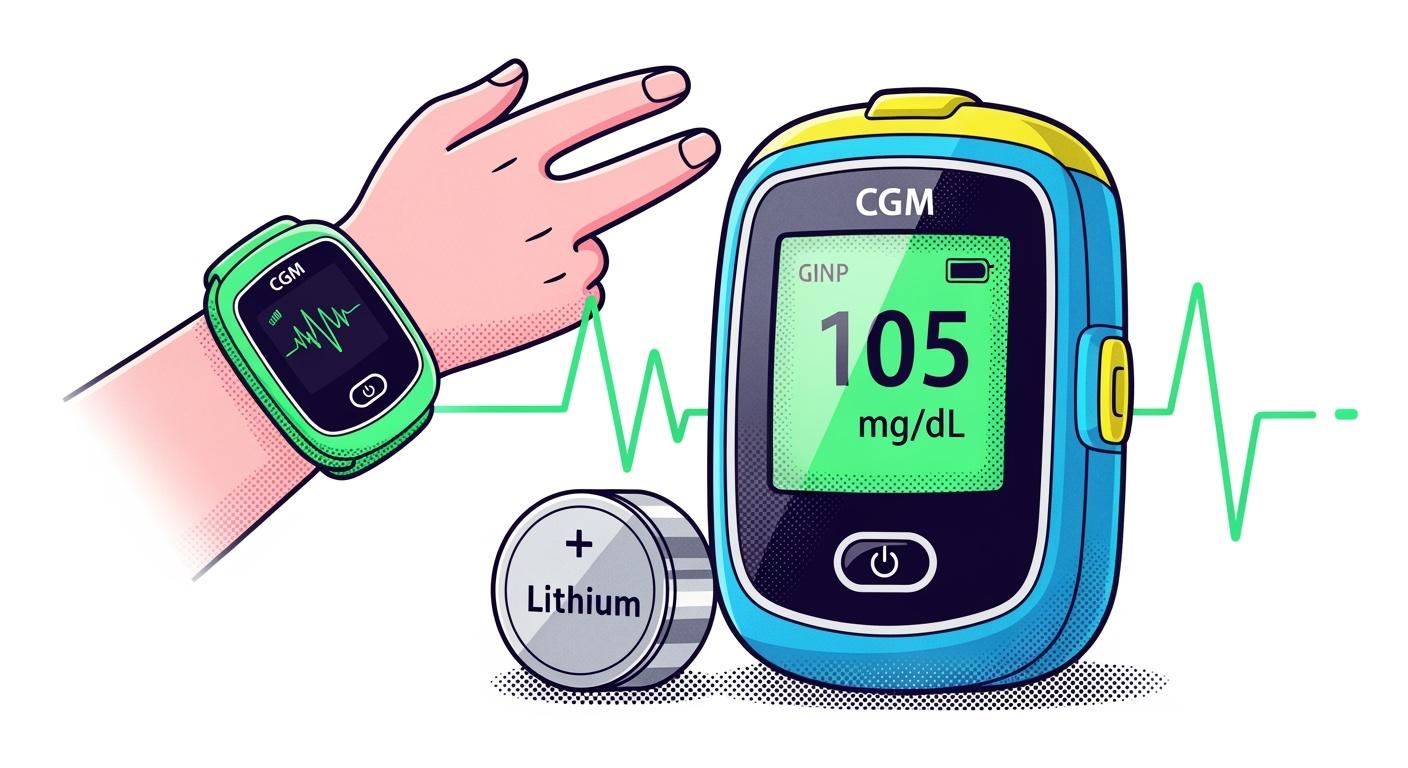
You need a power source that matches the demands of today’s continuous glucose monitoring systems. A Lithium Battery Solution enables you to achieve longer device life and a compact footprint. Recent advances in battery chemistries—like LiMnO2, LiPo, and CR2032—have driven miniaturization and improved reliability. In the medical field, these innovations support smaller, more accurate, and robust devices.
Key Takeaways
Choose a Lithium Battery Solution with high energy density to ensure longer runtimes and reduce the need for frequent recharging.
Prioritize safety and reliability by selecting batteries that meet strict certifications, ensuring patient safety and device trust.
Consider compact battery designs that enhance user comfort and device wearability, making CGM devices easier to carry and use.
Part 1: CGM Device Power Needs
1.1 Power Consumption & Usage
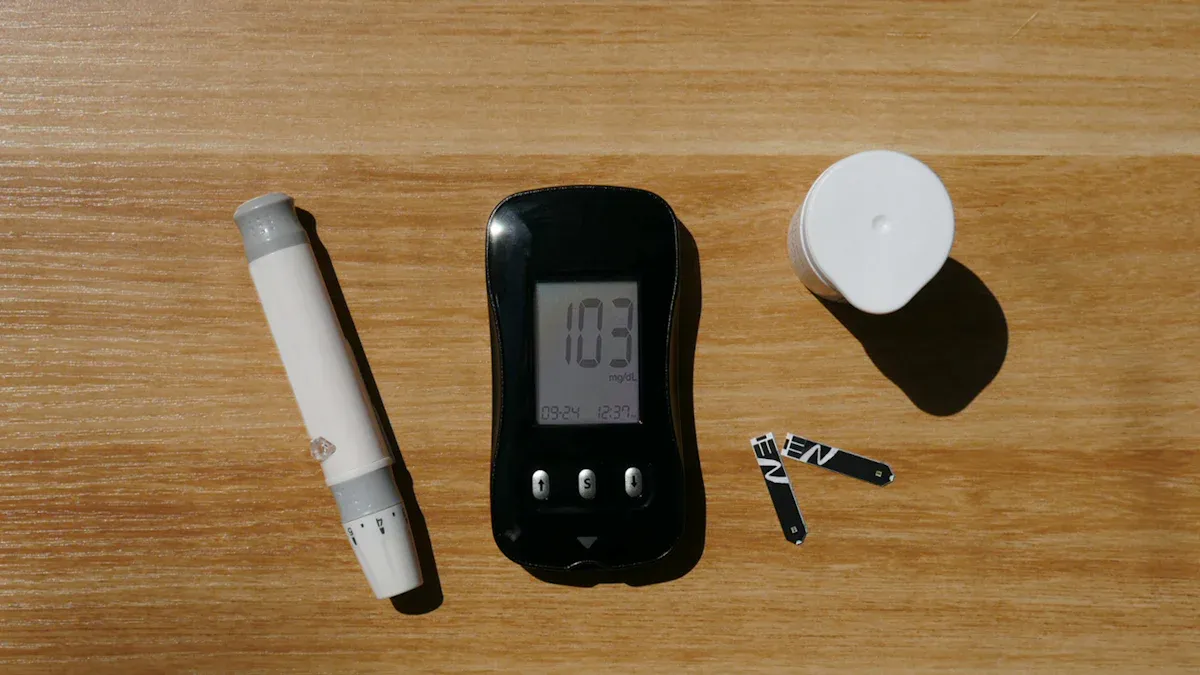
You need to ensure that your CGM device operates efficiently throughout its intended lifespan. Power consumption directly impacts how often users must replace or recharge the device. Many users report that some CGM systems require frequent charging or calibration, which can disrupt daily routines. For example:
The CGM lasts for seven days and requires one calibration to start.
It has a separate transmitter that requires charging after each use, making it less convenient compared to other CGMs.
Selecting the right Lithium Battery Solution helps you minimize these interruptions. High energy density and low self-discharge rates are essential. Chemistries like LiMnO2, LiPo, and CR2032 offer stable voltage and long runtimes, supporting continuous monitoring without frequent maintenance.
1.2 Size & Weight Limits
You must balance compact design with sufficient battery capacity. Smaller and lighter batteries improve user comfort and device wearability. As one industry insight notes:
Lighter batteries make devices easier for patients to carry and use. When you select a medical device battery, you must consider how miniaturization affects usability. Smaller batteries fit better in compact devices, but you need to balance size with energy density. If the battery is too small, it may not provide enough runtime for critical applications.
A Lithium Battery Solution with high energy density allows you to reduce size without sacrificing performance. This balance is crucial for wearable medical devices, where comfort and discretion matter.
1.3 Safety & Reliability
Safety and reliability remain top priorities for any medical device. You must comply with strict standards to ensure patient safety. Common certifications for batteries in CGM devices include:
IEC 62133: Safety requirements for portable sealed secondary cells and batteries.
UL 1642: Safety and performance standards for lithium batteries.
UL 2054: Reliability and safety for household and commercial batteries.
Battery failures can result from environmental stress, design flaws, or improper handling. You can mitigate these risks by choosing batteries with fire-resistant additives, protective circuits, and robust thermal management. Continuous monitoring of battery health and real-time status reporting further enhance reliability. By selecting a proven Lithium Battery Solution, you support both regulatory compliance and user trust.
Part 2: Lithium Battery Solution for CGM
2.1 What is a 1S Lithium Battery?
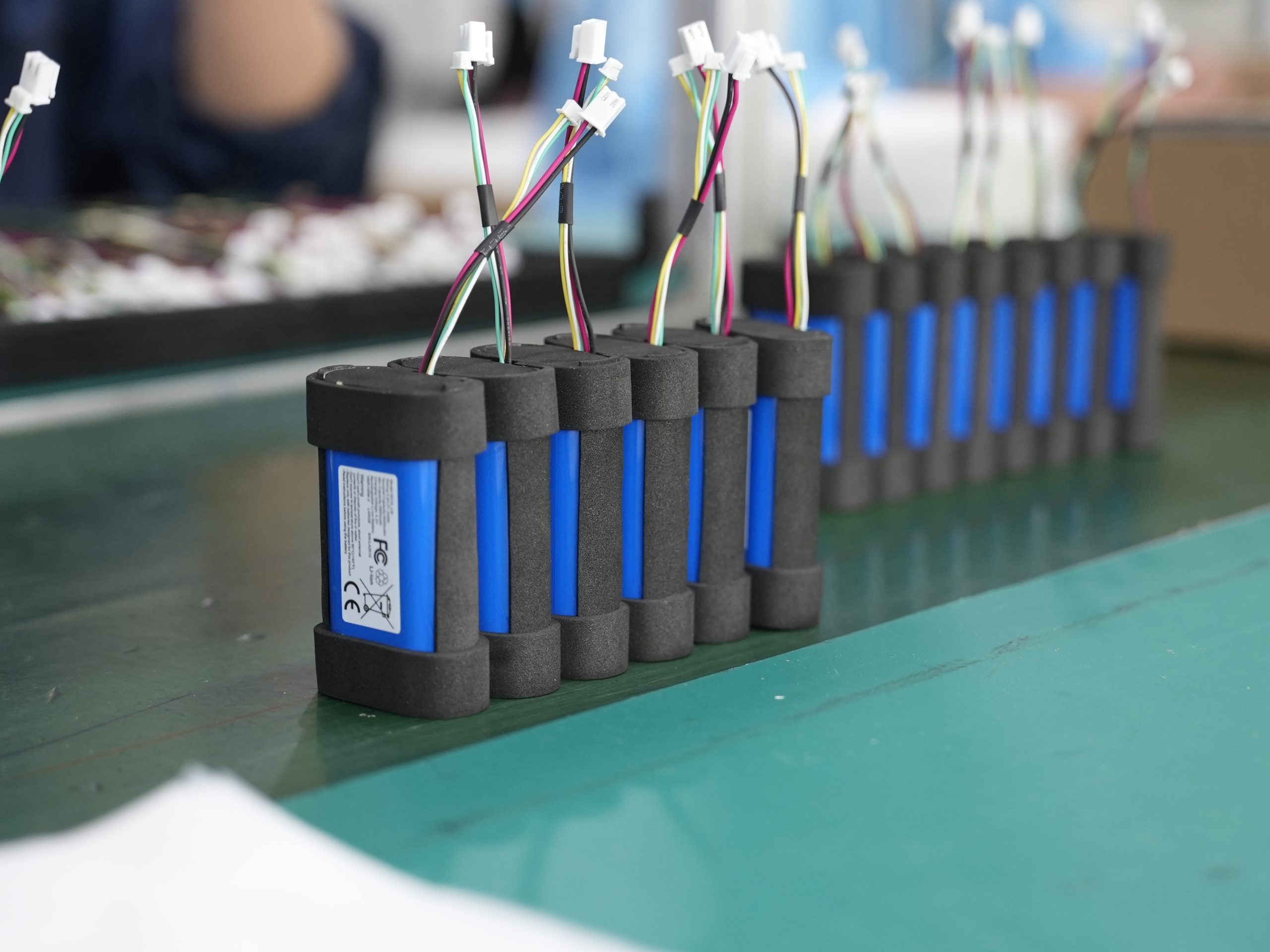
You need to understand the basics of a 1S lithium battery configuration to make informed decisions for CGM device design. A 1S battery consists of a single lithium cell connected in series, delivering a nominal voltage of 3.6V to 3.7V. This configuration offers a simple, compact, and reliable power source for medical devices. You benefit from a streamlined design, reduced complexity, and easier integration into small form factors. CGM devices rely on stable voltage and consistent performance, making the 1S lithium battery an ideal choice for continuous operation.
2.2 Long Life & Energy Density
You must prioritize battery longevity and energy density to maximize device uptime and minimize maintenance. Different lithium chemistries offer unique advantages for CGM applications. The following table compares key properties:
Battery Chemistry | Cycle Life (cycles) | Self-Discharge Rate | Typical Lifespan (Years) | Energy Density (Wh/kg) | Notes |
|---|---|---|---|---|---|
Lithium Thionyl Chloride (Li-SOCl₂) | 1,000+ | 0.7% annually | 5 to 10 | 400 | High energy density, long shelf life |
Lithium-Ion Rechargeable | 500–2,000 | Low | 2 to 5 | 150–250 | Rechargeable, widely used |
Lithium Manganese Dioxide (LiMnO₂) | 500–1,000 | Very low | 3 to 5 | 280 | Stable voltage, good safety profile |
300–1,000 | Low | 2 to 4 | 150–200 | Flexible form factor | |
2,000+ | Very low | 5 to 10 | 90–120 | Excellent safety, long cycle life | |
1,000+ | Very low | 5 to 10 | 250–350 | Emerging technology, enhanced safety |
Low self-discharge rates are essential for CGM systems. You want batteries that maintain charge over long periods of inactivity, which enhances reliability and operational lifespan. High energy density allows you to pack more power into a smaller space, supporting device miniaturization and extended runtime.
Tip: Choose a Lithium Battery Solution with a chemistry that matches your device’s expected usage profile and replacement cycle. For long-term implantable or wearable CGMs, prioritize low self-discharge and high cycle life.
2.3 Compact Design & Integration
You face increasing pressure to deliver smaller, lighter, and more comfortable CGM devices. Advanced lithium batteries, especially bobbin-type lithium thionyl chloride, enable further miniaturization due to their high energy density. These batteries support compact medical devices by offering:
Long lifespan and low self-discharge rates, which reduce maintenance.
High specific energy, allowing you to shrink device size without sacrificing performance.
Flexible form factors, such as LiPo, which fit unique device geometries.
You can integrate a Lithium Battery Solution seamlessly into your CGM design. This approach improves patient comfort and device discretion. You also gain the flexibility to innovate with new form factors and features.
2.4 Safety & Compliance
You must address safety and regulatory compliance when selecting batteries for CGM devices. Medical applications require strict adherence to international standards and evolving regulations. The following table outlines common compliance challenges:
Compliance Challenge | Description |
|---|---|
Regulatory Compliance | You must meet unique standards in different regions, such as the EU Battery Regulation 2023/1542. |
Testing Complexity | The process involves many steps and strict rules, which can increase processing time. |
Documentation Requirements | Confusion over paperwork can lead to delays in the certification process. |
You encounter additional challenges, such as limited availability of certified labs and unclear documentation requirements. You need to plan for battery disposal and recycling, as regulations continue to evolve. Design choices must accommodate new mandates for recycled content and extended producer responsibility programs. You should develop flexible strategies to adapt to changing requirements while minimizing costs.
Note: Always verify that your Lithium Battery Solution meets all relevant safety certifications, such as IEC 62133, UL 1642, and UL 2054. This step protects your brand reputation and ensures patient safety.
Part 3: Alternatives & Implementation
3.1 Other Battery Options
You may want to explore alternative battery chemistries for your next-generation medical device or other applications such as robotics, security, infrastructure, consumer electronics, or industrial systems. Each chemistry offers unique benefits and trade-offs compared to standard 1S lithium battery packs. The table below summarizes key options:
Battery Chemistry | Key Advantages | Key Disadvantages |
|---|---|---|
Silicon Anode | 20–40% higher energy density, abundant, lower carbon footprint | Short lifespan due to volume expansion during cycling |
High-Nickel Cathodes | Energy density up to 800 Wh/kg, reduced cost | Lower rate capability, structural stability concerns |
Solid-State Batteries | Increased energy density, reduced fire risk | Dendrite formation, high production cost |
Sodium-Ion Batteries | Abundant materials, up to 30% cost savings over lithium-ion | Lower energy density |
Hybrid Pack Design | Combines strengths of multiple chemistries for better performance | Needs advanced control systems for safety |
Note: You should evaluate these alternatives based on your device’s specific requirements and regulatory environment.
3.2 Selection & Integration Tips
You can optimize your CGM device design by following best practices for battery selection and integration:
Assess if the battery is removable and how often you expect removal.
Determine if end-users or technicians will handle battery replacement.
Match the battery form factor to your device’s available space.
Define the device’s function, weight, and size constraints.
Evaluate charging, storage, and temperature needs.
Specify run time and cycle life targets.
Analyze power and performance requirements.
Confirm the expected device lifespan and supplier reliability.
Tip: Early collaboration with your battery supplier helps you address integration challenges and ensures your lithium battery pack meets all technical and regulatory standards.
You meet the dual demands of long life and compactness in CGM devices with 1S lithium battery solutions. Advanced lithium chemistries offer you:
High energy density for smaller, lighter designs
Reliable power and longer lifespan
Enhanced safety features
Expect future batteries to deliver greater energy density, smarter management, and improved sustainability for medical wearables.
FAQ
What advantages do 1S lithium battery packs offer for medical device manufacturers?
You gain high energy density, stable voltage, and compact size. These features support reliable, long-lasting CGM devices. Large Power provides tailored solutions for medical applications.
How do LiFePO4 and LMO chemistries compare for CGM and industrial use?
Chemistry | Voltage (V) | Energy Density (Wh/kg) | Cycle Life (cycles) | Key Benefit |
|---|---|---|---|---|
LiFePO4 | 3.2 | 100–180 | 2,000+ | Excellent safety |
LMO | 3.7 | 120-170 | 300–700 | High energy density |
Where can you get custom lithium battery solutions for B2B projects?
You can request a custom consultation with Large Power for lithium battery packs: Custom Battery Solution.


