

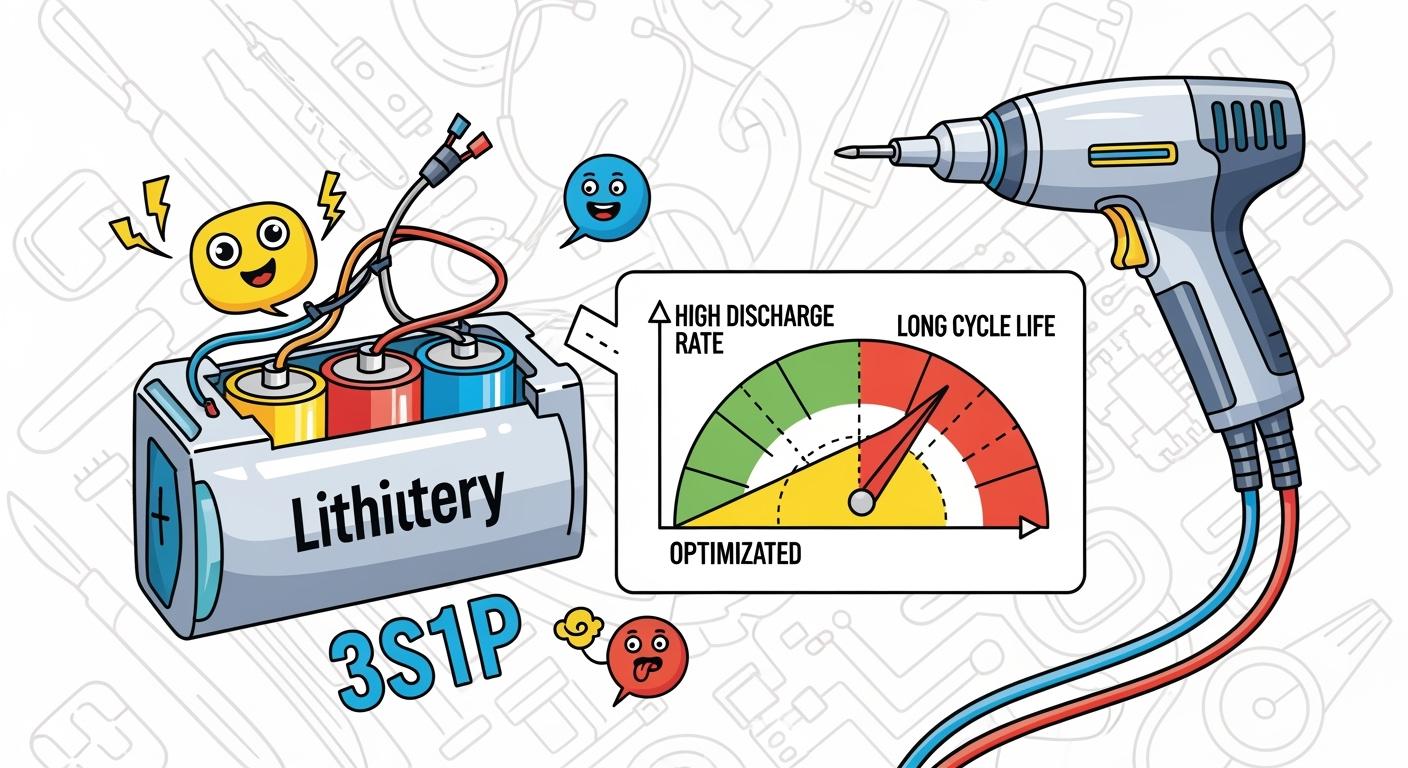
You face demanding challenges in lithium battery selection for powered surgical instruments. Battery selection impacts life-support reliability, safety, and regulatory compliance. Custom battery selection ensures optimal performance metrics for medical battery selection, reducing failure rates and supporting emergency backup power solutions in critical care environments. Consider these safety concerns:
Safety Concern | Description |
|---|---|
Fires | Thermal runaway can lead to uncontrollable heat and pressure, causing devices to ignite. |
Leaks | Corrosive chemicals in batteries can cause severe injuries, including burns and blindness. |
Fumes | Off-gassing can release toxic and combustible hydrocarbons, posing evacuation risks. |
Blasts | Explosions from thermal runaway can cause unique and severe damage, especially to patients with implants. |
Custom battery selection supports selecting a medical battery for life-support and battery performance evaluation.
Battery selection, design, and integration are essential for safe, reliable battery operation in surgical environments.
Key Takeaways
Select a 3S1P lithium battery to ensure high voltage and stable power delivery for powered surgical instruments.
Balance discharge rate and cycle life to maintain battery health and reliability in medical devices.
Prioritize safety and compliance with standards like ANSI/AAMI ES 60601-1 to ensure patient safety and device performance.
Part1: 3S1P Basics and Lithium Battery Selection
1.1 3S1P Configuration Explained
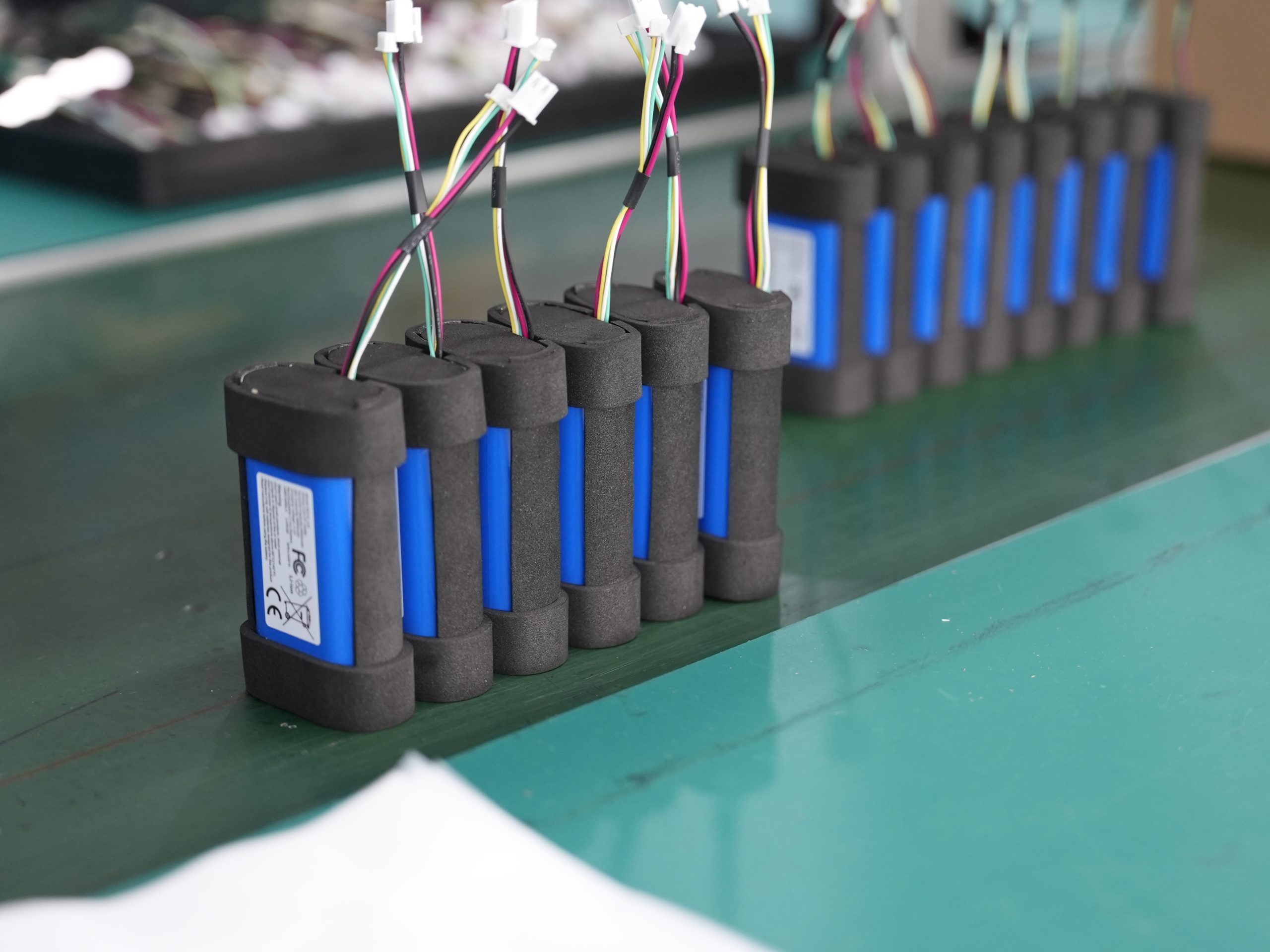
You must understand the 3S1P configuration when selecting medical equipment batteries for powered surgical instruments. This configuration consists of three lithium cells connected in series. The series connection increases the nominal voltage to approximately 11.1V, which is critical for devices that require higher voltage to deliver consistent performance. The capacity remains the same as a single cell, making this setup ideal for applications that need stable power delivery throughout the operational life of the device.
3S1P delivers higher voltage for critical medical devices.
The configuration maintains capacity, supporting reliable performance in critical care settings.
You can achieve stable power delivery, which is essential for medical battery selection.
The 3S1P configuration supports the operational life of medical equipment batteries, ensuring that powered surgical instruments meet safety standards and performance requirements. You must consider this setup when evaluating lithium-ion configurations for medical devices.
1.2 Discharge Rate and Cycle Life Factors
Selecting the right battery for medical devices requires you to balance discharge rate and cycle life. High discharge rates can lead to reduced capacity and increased internal resistance, which impacts the operational life and reliability of medical equipment batteries. Depth of discharge plays a critical role in battery health. Frequent high depth of discharge shortens the life of lithium batteries, making it critical to monitor usage patterns in medical devices.
High discharge rates reduce capacity and increase resistance, affecting performance.
Depth of discharge impacts battery health and operational life.
Fast charging may cause lithium plating, increasing resistance and reducing cycle life.
Medical-grade lithium-ion configurations can operate for up to 20 years and endure 5,000 recharge cycles. These batteries provide continuous current up to 15A from a small AA size cell, supporting critical performance in surgical instruments. The low self-discharge rate ensures long shelf life and immediate readiness, which is critical for emergency procedures. You must select medical equipment batteries that meet these standards to guarantee safety and reliability in critical environments.
Tip: Always monitor discharge rates and cycle life to maintain the operational life of medical devices. This practice helps you avoid premature battery failure and ensures compliance with safety standards.
1.3 Application Priorities in Medical Devices
When selecting medical equipment batteries for powered surgical instruments, you must prioritize energy density, weight, and integration. High energy density batteries enable the development of smaller and lighter medical devices, which is critical for enhancing portability and efficiency in surgical settings. The following table highlights key features of lithium-ion and lithium-ion phosphate (LiFePO4) batteries for medical devices:
Battery Type | Key Features | Applications in Surgery |
|---|---|---|
Lithium-ion (Li-ion) | High energy density, compact design, fast charging capabilities | Powering surgical tools, enhancing portability and efficiency |
Lithium-ion Phosphate (LiFePO4) | Improved safety and longevity, suitable for harsh conditions like autoclaving | Used in modern surgical instruments for various procedures |
High energy density supports critical performance in medical devices, allowing you to design instruments that are both lightweight and powerful. Battery weight is a critical factor in usability. Lightweight battery-powered surgical instruments enhance the precision of surgeons and reduce fatigue during extended procedures. You must select batteries that balance weight and energy density to optimize the operational life and performance of medical devices.
Integration is another critical consideration. You must ensure that batteries comply with safety standards such as ANSI/AAMI ES 60601-1 for medical electrical equipment. The following table outlines integration priorities for medical devices:
Consideration | Description |
|---|---|
Safety Standards | Compliance with ANSI/AAMI ES 60601-1 for medical electrical equipment safety and performance. |
Battery Chemistry | Evaluation of lithium vs. alternative chemistries like lead-acid and nickel-metal hydride. |
Cycle Life Characteristics | Importance of understanding battery lifespan and recharge cycles to prevent premature failures. |
Operating Temperature Ranges | Ensuring batteries operate effectively within specified temperature limits for medical applications. |
Regulatory Compliance | Adherence to medical-grade standards for patient care area applications. |
Power Delivery Needs | Selection based on specific device requirements for reliable operation in healthcare settings. |
Modular vs. Integrated Systems | Consideration of service access, maintenance, and operational flexibility in battery configurations. |
Emergency Power Architectures | Evaluation of UPS systems for uninterrupted power supply during outages. |
You must evaluate these priorities during battery selection to ensure medical devices meet critical safety standards and deliver reliable performance throughout their operational life. By focusing on energy density, weight, and integration, you can optimize the selection of medical equipment batteries for critical surgical applications.
Part2: Chemistry, Safety, and Sourcing
2.1 Lithium Battery Chemistry Options
You need to compare battery chemistries carefully during selection for powered surgical instruments. Each chemistry offers unique advantages for medical applications. The table below summarizes the main options you should consider:
Battery Chemistry | Properties and Advantages | Applications |
|---|---|---|
Lithium-ion (Li-ion) | High energy density, moderate cycle life, fast charging | Medical devices, portable monitors |
Lithium Polymer (LiPo) | Lightweight, flexible form factor, high discharge rate | Robotics, surgical hand tools |
Lithium Iron Phosphate (LiFePO4) | Long cycle life, excellent thermal stability, improved safety | Industrial, autoclave-resistant instruments |
Lithium Manganese Oxide (LMO) | High power output, good thermal stability | Consumer Electronics, power tools |
Lithium/Manganese Dioxide (Li/MnO2) | Low cost, safe operation, long shelf life | Diagnostic equipment |
Lithium/Polycarbon Monofluoride (Li/(CF)n) | Long shelf life, safe, reliable | Glucose monitors, portable analyzers |
Lithium/Carbon Fluoride (Li/CFx) | High energy and power density, wide temperature range | Automated external defibrillators |
You must match the chemistry to your device’s requirements. For example, LiFePO4 batteries provide high safety and long cycle life, making them ideal for repeated sterilization. LiPo batteries offer high discharge rates, which suit devices that need bursts of power.
2.2 Safety and Compliance Standards
You must prioritize safety and regulatory compliance protocols in every battery selection. Medical devices require strict adherence to lithium battery safety standards. The following standards guide your compliance efforts:
ANSI/AAMI ES 60601-1: Covers risk management and safety for medical electrical equipment.
IEC 62133: Applies to rechargeable batteries, ensuring safe operation.
IEC 60086-4: Focuses on non-rechargeable lithium batteries.
UL 1642: Sets safety limits for lithium content in batteries.
UN 38.3: Governs safe transport of lithium batteries.
ISO 13485: Ensures quality management in battery production.
FDA General Safety and Performance Requirements: Includes biocompatibility and safety testing.
You should implement robust risk management and comprehensive testing protocols. These steps help you meet regulatory compliance protocols and ensure patient safety.
Tip: Always verify that your battery supplier provides documentation for all relevant certifications, including UL 2054, IEC 62133, and CE-EMC.
2.3 Sourcing and Manufacturer Evaluation
You must evaluate suppliers thoroughly during battery selection. Focus on the following criteria to ensure quality and reliability:
Criteria | Description |
|---|---|
Energy Density | Determines device runtime and size. |
Charge Cycles | Affects replacement frequency and cost. |
Safety Features | Protects against overcharge, overheating, and short circuits. |
Form Factor & Compatibility | Ensures seamless integration with your device. |
Regulatory Compliance | Confirms adherence to ISO, UL, and IEC standards. |
Cost & Availability | Impacts procurement and supply chain stability. |
Environmental Resilience | Supports operation in diverse conditions. |
Vendor Support & Warranty | Provides long-term partnership value. |
You should collaborate with reputable manufacturers who follow lithium battery safety standards and maintain transparent quality control. Shortening your supply chain by sourcing closer to your market can improve quality and reduce risks.
Note: Always request detailed test reports and certification documents from your supplier before finalizing your battery selection.
You must select a 3S1P lithium battery by balancing discharge rate, cycle life, and safety. Review the table below for battery chemistry options:
Battery Type | Discharge Rate | Cycle Life | Safety Profile |
|---|---|---|---|
LMO | High | ~700 | Good |
LiFePO4 | Moderate | 2000–3000 | Excellent |
NMC | High | Varies | Good |
Checklist for B2B battery selection:
Choose a battery with thermal management.
Prioritize lightweight battery design.
Select a battery that withstands stress.
Ensure battery compliance.
Test battery reliability.
Prototype battery integration.
Prioritize compliance and quality for long-term battery reliability.
FAQ
What makes Large Power’s 3S1P lithium battery packs suitable for powered surgical instruments?
You get custom battery solutions from Large Power that meet strict Medical device standards. These packs balance high discharge rate, long cycle life, and safety.
How do LiFePO4, NMC, and LMO chemistries compare for Medical applications?
Chemistry | Discharge Rate | Cycle Life | Safety Profile |
|---|---|---|---|
LiFePO4 | Moderate | 2000–3000 | Excellent |
NMC | High | 1000–2000 | Good |
LMO | High | ~700 | Good |
You should choose based on your device’s power and safety needs.
Where can you find more information about custom battery solutions for Medical or Industrial devices?
Visit Large Power’s custom battery solution page for expert guidance on lithium-ion, LiFePO4, and lithium-polymer/LiPo packs for Medical and Industrial applications.


