

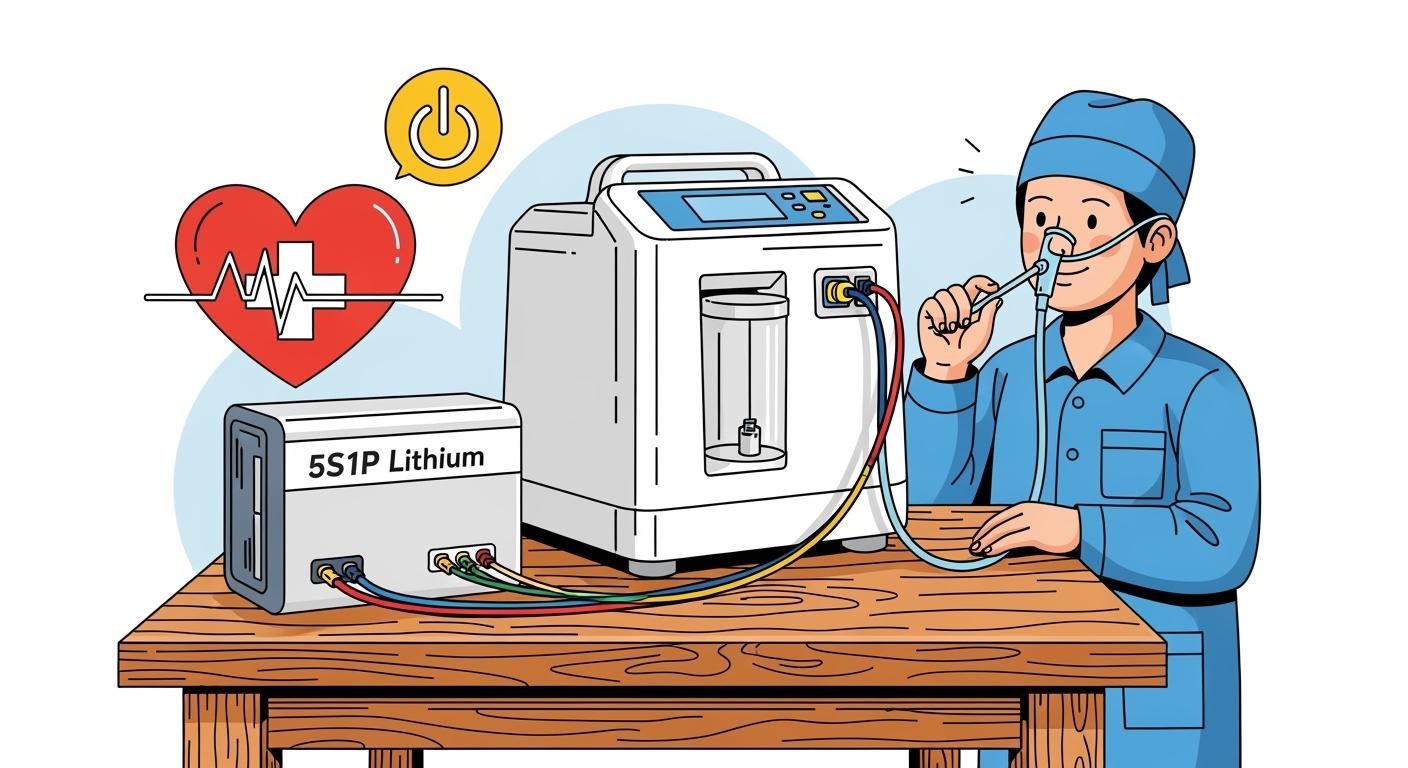
This guide helps you set up Backup Lithium Batteries for oxygen concentrators, ensuring critical power during emergencies. Uninterrupted oxygen supply protects patient safety. In Medical settings, you rely on backup systems for compliance and device protection.
Immediate power continuity for critical equipment
Protection from power interruptions
Reliable solutions maintain regulatory standards
Key Takeaways
Assess the power needs of your oxygen concentrator before selecting backup lithium batteries. This ensures you choose the right capacity for uninterrupted operation.
Select compatible lithium batteries that match your device’s voltage and capacity. This guarantees reliable power during emergencies and enhances patient safety.
Perform regular maintenance and testing of your battery backup systems. Schedule inspections to ensure they remain functional and ready for use during power outages.
Part 1: Power Needs and Backup Lithium Batteries
1.1 Assessing Oxygen Concentrator Power Requirements
You must evaluate the power needs of each oxygen concentrator before selecting backup lithium batteries. Hospitals use concentrators with varying voltage and current demands. The following table summarizes typical requirements:
Region | Voltage (VAC) | Frequency (Hz) | Power Consumption (W) |
|---|---|---|---|
United States | 120 | 50 | 600 |
Europe | 220-240 | 50 or 60 | 600 |
Other Regions | 100-240 | 50 or 60 | 600 |
You should check the device label or consult the manufacturer for exact specifications. Calculate runtime by dividing battery capacity by the concentrator’s power consumption. This step ensures you select backup power solutions that match operational needs.
1.2 5S1P Backup Lithium Battery Basics
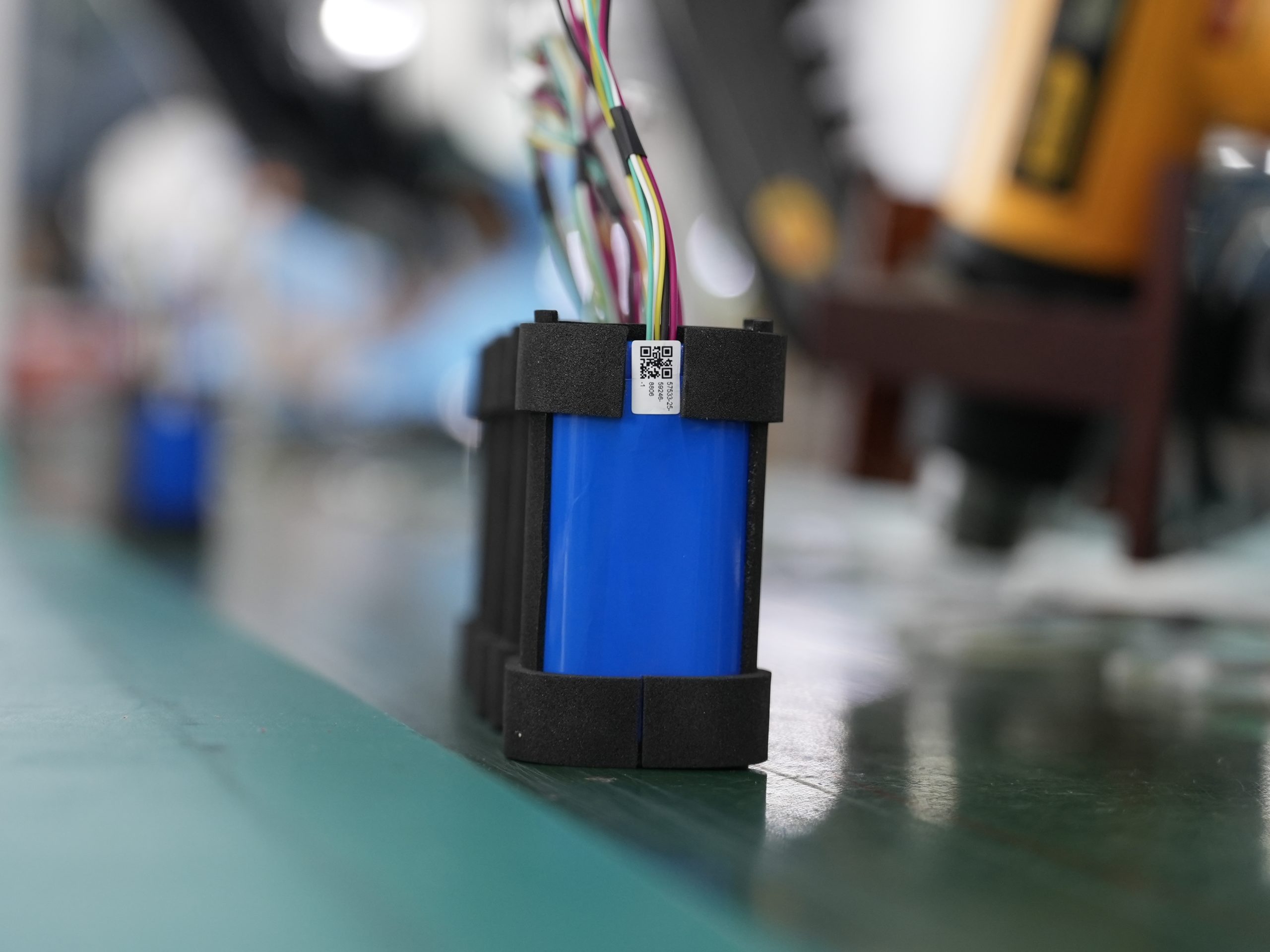
A 5S1P configuration consists of five cells in series and one cell in parallel. This setup delivers approximately 18.5V, suitable for many medical devices, including oxygen concentrators. The table below outlines key features:
Specification | Description |
|---|---|
Configuration | 5 cells in series (5S) and 1 cell in parallel (1P) |
Voltage | Approximately 18.5V |
Common Uses | Portable medical equipment, cordless power tools, professional lighting, drones, handheld scanners |
You benefit from high energy density, long endurance, and portability. Backup lithium batteries offer more charge/discharge cycles than lead-acid batteries, reducing replacement frequency. Safety mechanisms protect against overcharge and overheating, supporting reliable backup power in medical environments.
1.3 Why Lithium Batteries Are Critical for Emergency Use
Backup lithium batteries ensure uninterrupted power during emergency situations. You gain advantages such as:
High energy density for reliable power supply in critical moments.
Long-lasting battery life keeps oxygen concentrators operational.
Fast charging enables quick recovery after outages.
Minimal maintenance reduces staff workload.
Low self-discharge rate guarantees readiness.
Recent studies show lithium iron phosphate (LiFePO4) battery systems achieve 99.9% availability, outperforming traditional generators. Battery UPS systems provide instant power transfer, vital for medical equipment. Technological advancements in lithium-ion batteries have increased power, extended run times, and reduced device size. These improvements enhance patient mobility and quality of life. You secure consistent backup power for oxygen concentrators, supporting patient safety during emergencies.
Part 2: Setup, Safety, and Emergency Planning

2.1 Selecting Compatible Backup Lithium Batteries
Choosing the right battery backup for your oxygen therapy devices is essential for reliable power and patient safety. You need to match the battery capacity to your oxygen flow rate and daily usage. Always add a safety margin to account for unexpected power needs or travel. Swappable batteries offer flexibility, allowing you to maintain continuous operation for critical care provision.
Tip: For air travel, ensure each battery backup is under 160 watt-hours to comply with FAA regulations.
When selecting battery backup solutions for home medical equipment, consider these factors:
Match battery capacity to your oxygen therapy device’s runtime and power requirements.
Choose swappable battery backup systems for uninterrupted power during extended use.
Store batteries between 20-80% charge to maximize lifespan.
Maintain proper storage temperatures for all battery backup units.
Invest in high-quality, medical-grade portable power stations for reliability.
You may encounter compatibility issues when pairing lithium battery backup with specific oxygen concentrators. The table below summarizes common challenges:
Compatibility Issue | Description |
|---|---|
Battery Chemistry | Most home medical equipment uses lithium-ion batteries for backup. |
Voltage | Ensure the battery backup voltage matches your device’s requirements. |
Capacity (mAh or Wh) | Higher capacity extends runtime but may increase weight and cost. |
Weight & Size | Larger battery backup units provide longer runtime but may reduce portability. |
Selecting the right battery backup solution ensures your oxygen therapy devices, such as cpap, bipap, and nebulizers, operate safely and efficiently during power interruptions.
2.2 Installation and Initial Power Testing
Proper installation of battery backup systems is vital for safe and effective operation. Begin by reviewing your oxygen therapy device’s manual and the battery backup manufacturer’s guidelines. Use only approved replacement batteries and chargers to minimize risks.
Follow these steps for installation and testing:
Inspect the battery backup for any visible damage before installation.
Connect the battery backup to your oxygen therapy device, ensuring secure and correct polarity.
Charge the battery backup to the recommended level before first use.
Power on the device and verify that it operates normally using battery backup.
Record the runtime during initial testing to confirm it meets your emergency power needs.
Note: Schedule regular power tests to ensure your battery backup systems remain reliable for critical care.
For home medical equipment, initial power testing helps you identify any compatibility or performance issues early. This process also allows you to plan for additional battery backup units if your runtime requirements increase.
2.3 Safety, Maintenance, and Emergency Readiness
You must prioritize safety when handling and maintaining lithium battery backup systems. Only use approved batteries and chargers for your home medical equipment. Store batteries in a cool, dry place, away from direct sunlight and heat sources. Avoid storing batteries fully charged, and inspect all units regularly for signs of damage.
Key safety precautions include:
Use only manufacturer-approved battery backup and charging equipment.
Store batteries on racks protected by fire safety systems.
Remove and inspect any damaged battery backup units immediately.
Avoid solid pile storage to reduce thermal event risks.
Routine maintenance extends the life of your battery backup solutions. Schedule regular inspections to check battery health and performance. Follow proper charging protocols and keep detailed records of all maintenance activities. Maintain temperature control in storage and operating environments for all home medical equipment.
Alert: Lithium battery backup systems can experience thermal runaway if damaged or improperly used. Always follow safety protocols to protect patients and staff.
Emergency planning is essential for uninterrupted power during critical situations. Prepare by keeping extra battery backup units and charging options available. Implement fire suppression strategies designed for lithium battery incidents. Establish cleanup and disposal procedures for damaged batteries to minimize environmental impact.
You benefit from the operational advantages of lithium battery backup in home medical equipment:
High cycle count (3,000–5,000+ cycles) and energy density deliver long runtime for oxygen therapy devices.
Lightweight design improves mobility for patients and staff.
Integrated safety features protect against environmental hazards.
Minimal maintenance reduces operational workload.
No fumes or pollution, making lithium battery backup safe for confined spaces.
Switching to lithium battery backup solutions supports your facility’s sustainability goals. Longer cycle life and better stability mean fewer replacements and less waste. Hospitals can achieve greener operations and comply with sustainability policies.
If you require a custom battery backup solution for your home medical equipment, consult our experts for tailored recommendations.
You ensure reliable power for oxygen concentrators by selecting compatible lithium batteries, performing regular maintenance, and developing an emergency plan. Schedule inspections as shown below for ongoing reliability:
Inspection Type | Frequency |
|---|---|
Visual Inspection | Every month |
Comprehensive Inspection | Every 3–6 months |
FAQ
What should you consider when choosing a lithium battery backup for your oxygen concentrator?
You must check voltage, capacity, and compatibility. Ensure the battery supports your concentrator’s power needs during an outage.
How do you maintain reliable power for your oxygen concentrator during an outage?
Test each battery backup monthly. Store batteries properly. Keep extra units charged. This ensures your concentrator delivers uninterrupted power during any outage.
Can you use one battery backup system for multiple concentrators in a facility?
You should not share one battery backup across several concentrators. Each concentrator requires a dedicated battery to guarantee power during an outage and maintain patient safety.


