

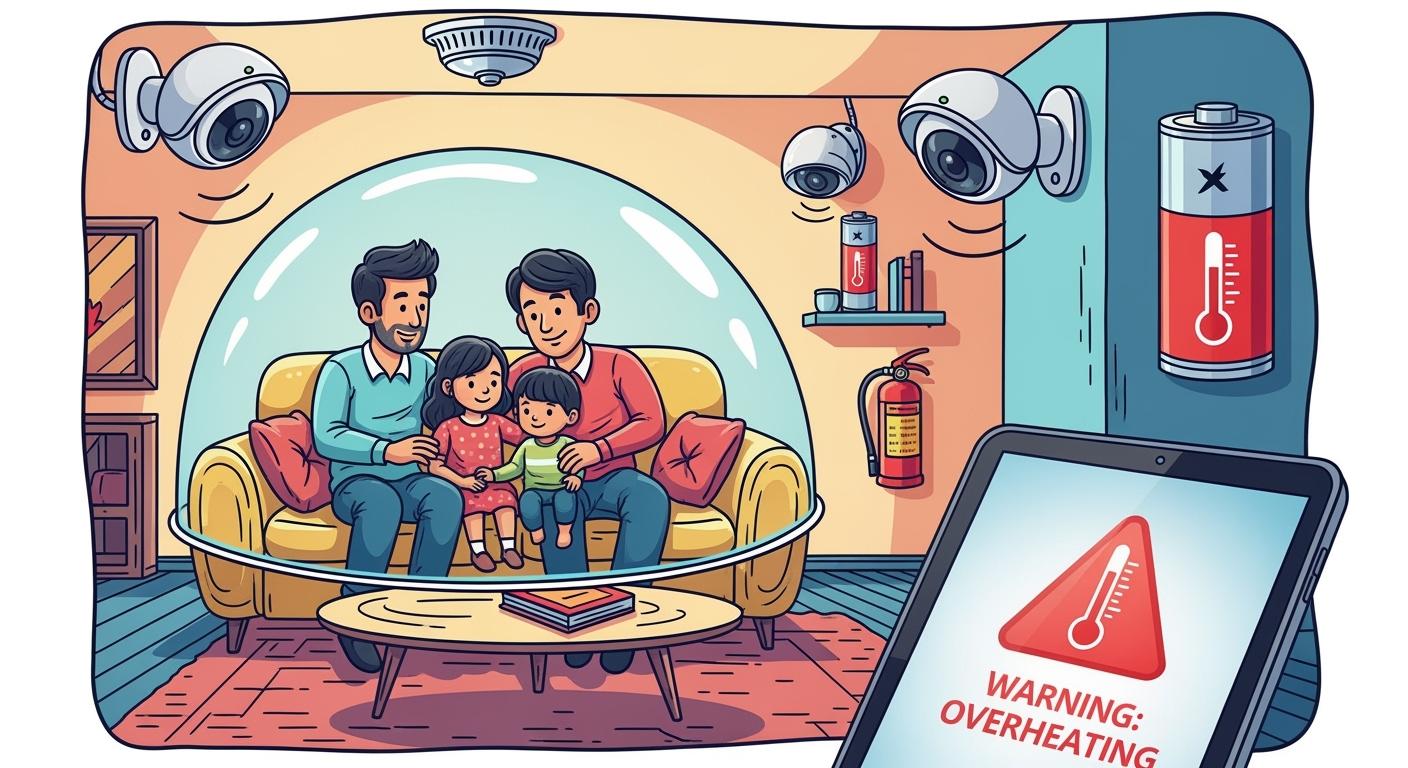
You may wonder if smart home surveillance can truly prevent fire and thermal runaway in modern homes. Recent advances in detection technology now offer you faster, more reliable alerts than ever before. Real incidents highlight the urgency. In 2024, Victoria responded to nearly one battery fire callout every day, while New South Wales reported 16 injuries and 2 deaths from lithium battery incidents in just six months.
Incident Type | Frequency | Impact |
|---|---|---|
Battery fire callouts in Victoria | Nearly 1 per day in 2024 | Significant, with injuries and fatalities |
Lithium battery incidents in New South Wales | 16 injuries and 2 deaths (first half of 2024) | Direct impact on families and homes |
If your home contains EVs, e-bikes, or battery energy storage systems with lithium chemistries like NMC or LiFePO4, you face growing risks. Traditional smoke alarms often detect smoke too late. You need advanced Fire Safety solutions that can spot danger before it escalates.
Key Takeaways
Smart surveillance systems can prevent up to 80% of electrical fires by detecting hazards before they escalate.
Early detection of thermal runaway is crucial; technologies like thermal cameras and IoT sensors provide real-time alerts to prevent disasters.
Investing in advanced fire safety solutions enhances protection for homes with lithium batteries, reducing risks and potential damages.
Traditional smoke alarms often fail to detect early signs of fire; smart systems offer faster, more reliable monitoring and alerts.
Understanding the unique risks of lithium batteries helps you implement effective fire safety measures in your home.
Part 1: Smart Surveillance for Fire Safety
1.1 Direct Impact on Fire and Thermal Runaway Prevention
Smart surveillance systems now play a critical role in Fire Safety, especially in homes and facilities with lithium battery packs such as LiFePO4, NMC, LCO, and LMO. You gain a powerful advantage when you use thermal imaging and IoT-enabled sensors. These technologies detect hazards before traditional alarms can respond.
Thermal cameras identify warming materials and hot spots, even before smoke or flames appear. IoT sensors monitor battery pack environments, tracking temperature changes and detecting combustible gases. You receive ultra-early warnings, which help prevent thermal runaway events. Specialized devices like Li-ion Tamer can sense battery off-gassing, giving you up to 30 minutes to intervene before a fire starts.
Evidence Description | Contribution to Fire Safety |
|---|---|
IR camera systems detect warming materials before smoke or flames develop. | Enables early detection of potential fire hazards by identifying hot spots. |
Battery Pack-Level Environmental Monitoring detects combustible gases and temperature changes. | Provides an ultra-early warning system to prevent thermal runaway events. |
Li-ion Tamer detects battery off-gassing, which precedes thermal runaway. | Offers up to 30 minutes of warning to intervene before a fire starts. |
You can rely on these systems to notify you of fire risks, allowing timely intervention. Smart surveillance systems can prevent up to 80% of electrical fires in homes and facilities. The technology identifies and mitigates hazards before they escalate, and it is virtually free of false alarms. When you are away, smart home technology alerts you, helping minimize damage from potential fires.
Tip: Early detection of off-gas, temperature rise, and smoke can prevent escalation of fires. Smart sensors and real-time alerts enable timely intervention before small faults become disasters.
1.2 Industry Trends and Recent Incidents
Industry adoption of smart surveillance for Fire Safety continues to grow. Real-world cases show the value of these systems. For example, a family in California used a Nest Protect integrated with their Google Home system. While on vacation, they received an alert about a potential fire and took preventive action, avoiding significant damage. In London, a real estate developer installed smart smoke detectors in a new apartment complex. Tenants could monitor their detectors via a mobile app, which became a major selling point for buyers interested in enhanced safety and smart home technology.
Recent incidents have prompted increased interest in smart surveillance for fire and thermal runaway prevention. Battery fires in electric vehicles and energy storage system fires have emphasized the need for improved safety measures. These events highlight the necessity for early detection and prevention strategies.
Incident Type | Description | Impact |
|---|---|---|
Battery Fires in Electric Vehicles | High-profile incidents involving battery fires have emphasized the need for improved safety measures. | Increased focus on assembly techniques and smart surveillance systems. |
Energy Storage System Fires | Fires in energy storage installations have shown the urgency of addressing thermal runaway. | Highlighted the necessity for early detection and prevention strategies. |
You see industry trends moving toward continuous monitoring and advanced sensor technology. Thermal cameras detect heat signatures from thermal runaway before flames appear. Fixed thermal cameras provide ongoing surveillance for temperature anomalies. Early intervention becomes possible through these advanced systems.
Smart devices notify you of fire risks, allowing for timely action.
Smart surveillance systems prevent up to 80% of electrical fires.
The devastation caused by fires emphasizes the importance of effective prevention systems.
Investing in preventive systems is crucial for safety in energy storage.
You benefit from these advancements by reducing risk and protecting assets. The industry recognizes the importance of integrating smart surveillance with Fire Safety protocols, especially in environments with lithium battery packs.
Part 2: Lithium Battery Risks and Thermal Runaway
2.1 What Is Thermal Runaway?
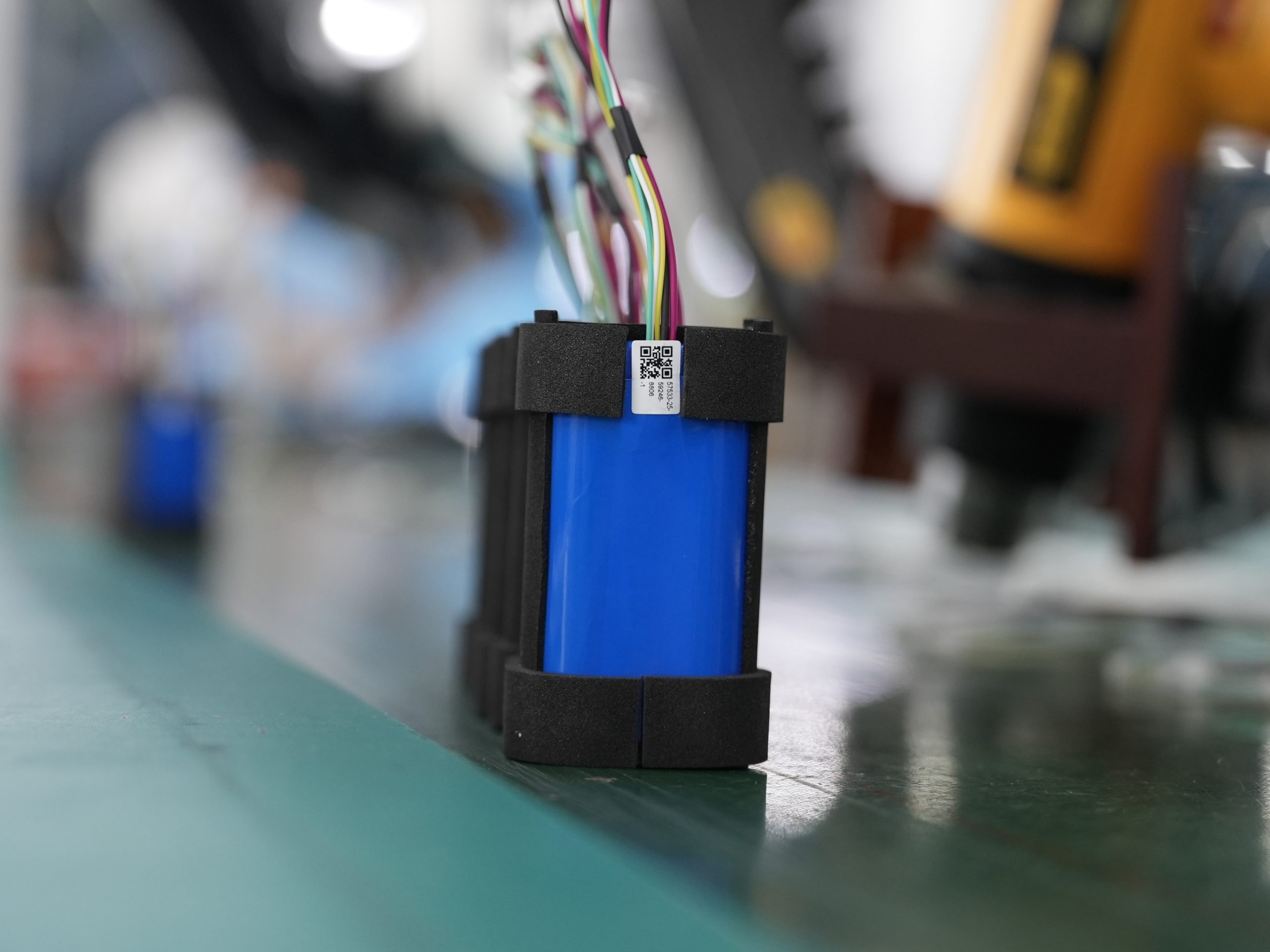
Thermal runaway is a chain reaction in lithium-ion batteries where excessive heat triggers uncontrolled chemical processes, potentially leading to fires, explosions, and system failures. Thermal runaway begins when a lithium-ion battery experiences internal or external heating beyond safe limits, often caused by overcharging, physical damage, or internal short circuits.
You need to understand thermal runaway because it represents the most severe failure mode in lithium battery packs. When a battery cell heats up past a critical point, the reaction accelerates. This can cause the battery to vent, catch fire, or even explode. In smart homes, thermal runaway can start silently and escalate within seconds, making early detection essential for Fire Safety.
2.2 Unique Dangers of Lithium Batteries
Lithium batteries, including LiFePO4, NMC, LCO, and LMO chemistries, present unique risks compared to other battery types. You face these dangers due to their design and energy density.
High energy density leads to significant heat release when mishandled.
Potential for thermal runaway, causing rapid and uncontrolled reactions.
Fires generated are faster and hotter than those from other battery types.
Release of toxic gases during failure poses serious health risks.
Battery Chemistry | Energy Density (Wh/kg) | Typical Platform Voltage (V) | Cycle Life (cycles) | Fire Risk Level | Common Applications |
|---|---|---|---|---|---|
LiFePO4 | 90-160 | 3.2 | 2000+ | Moderate | Home storage, EVs, medical, robotics, security systems, infrastructure |
NMC | 150-220 | 3.7 | 1000-2000 | High | EVs, industrial, consumer electronics, BMS applications |
LCO | 150-200 | 3.7 | 500-1000 | High | Consumer electronics, medical devices |
LMO | 100-150 | 3.7 | 300-700 | Moderate-High | Power tools, e-bikes, industrial |
You can learn more about responsible sourcing in the conflict minerals statement and how BMS improves battery safety. For a broader view on sustainability, see our approach.
2.3 Common Home Scenarios
You encounter lithium battery risks in many home and facility settings. The increasing use of lithium-ion batteries in energy storage systems and e-mobility devices raises the risk of thermal runaway incidents in homes. If these batteries lack proper safety measures, they can fail catastrophically, resulting in fires or explosions.
In August 2023, a lithium battery from an e-bike in Brooklyn caused a fire that killed four people and injured seven. The fire started after an illegally modified battery triggered thermal runaway.
In November 2023, a family in London suffered a tragedy when a poorly manufactured e-bike battery overheated, resulting in the deaths of two children and injuries to their parents.
Lithium-ion batteries can experience thermal runaway if charged too quickly. This leads to uncontrollable temperature increases and fires that reach high temperatures within seconds. Toxic gases released during these events create additional hazards.
While the risk of home battery systems causing fires is lower than other household items, isolated incidents can create a perception of danger. You must understand the actual risks and ensure proper Fire Safety protocols in environments with lithium battery packs.
Part 3: Traditional Detection vs. Smart Solutions
3.1 Gaps in Smoke Alarms and CCTV
You may rely on smoke alarms and CCTV for Fire Safety, but these systems have clear limitations, especially in environments with lithium battery packs like LiFePO4, NMC, LCO, and LMO. Traditional smoke and heat detectors only activate after smoke or flames appear. This delay can be dangerous because thermal runaway in lithium batteries can escalate in seconds.
Traditional detectors do not provide early warnings. They only respond after a fire has started.
Flame detectors depend on visible flames or smoke, which may not be present during the early stages of battery failure.
These systems often miss the first signs of overheating or off-gassing in battery energy storage systems.
Conventional systems cannot distinguish between lithium battery fires and other types, which can slow down your response.
CCTV cameras also have limits. They require human monitoring and cannot sense heat or chemical changes. You need more advanced solutions to address the unique risks of lithium battery chemistries.
The table below highlights the differences between traditional and smart, IoT-enabled systems:
Feature/Capability | Traditional Systems | Smart, IoT-enabled Systems |
|---|---|---|
Detection Method | Single-parameter sensing (smoke/heat) | Multi-parameter sensing (air quality, heat, smoke) |
Response Time | Slower, manual intervention required | Faster, automated responses |
Monitoring | Limited, often requires human oversight | Continuous, real-time monitoring |
False Alarm Rate | Higher due to single-parameter reliance | Lower due to integrated sensor types |
Emergency Response Integration | Minimal | Comprehensive, includes automated alerts and actions |
Post-Incident Analysis | Limited | Detailed insights into fire dynamics |
3.2 Importance of Early Detection
Early detection is critical for preventing serious incidents with lithium battery packs. A single cell failure can quickly overheat and spread to other cells. If you detect a temperature rise early, you can intervene before a fire starts.
Firefighters report that a room can be engulfed in flames within five minutes of ignition. Early detection can stop a small problem from becoming a disaster.
If a battery cell starts to fail, the exterior may heat up slowly. A thermal camera can spot this change before it becomes dangerous.
Intelligent fire alarm systems offer a pre-alarm feature. This gives you an early warning when conditions approach a critical level, allowing you to investigate before a full alarm triggers.
Smart, IoT-enabled solutions provide real-time alerts, two-way communication, and reliable monitoring. These features help you respond faster and more effectively, improving Fire Safety in facilities with lithium battery packs.
Tip: Invest in advanced detection systems to protect your assets and ensure safety in environments with high-energy battery storage.
Part 4: Thermal Imaging & IoT Solutions
4.1 Early Detection with Thermal Cameras
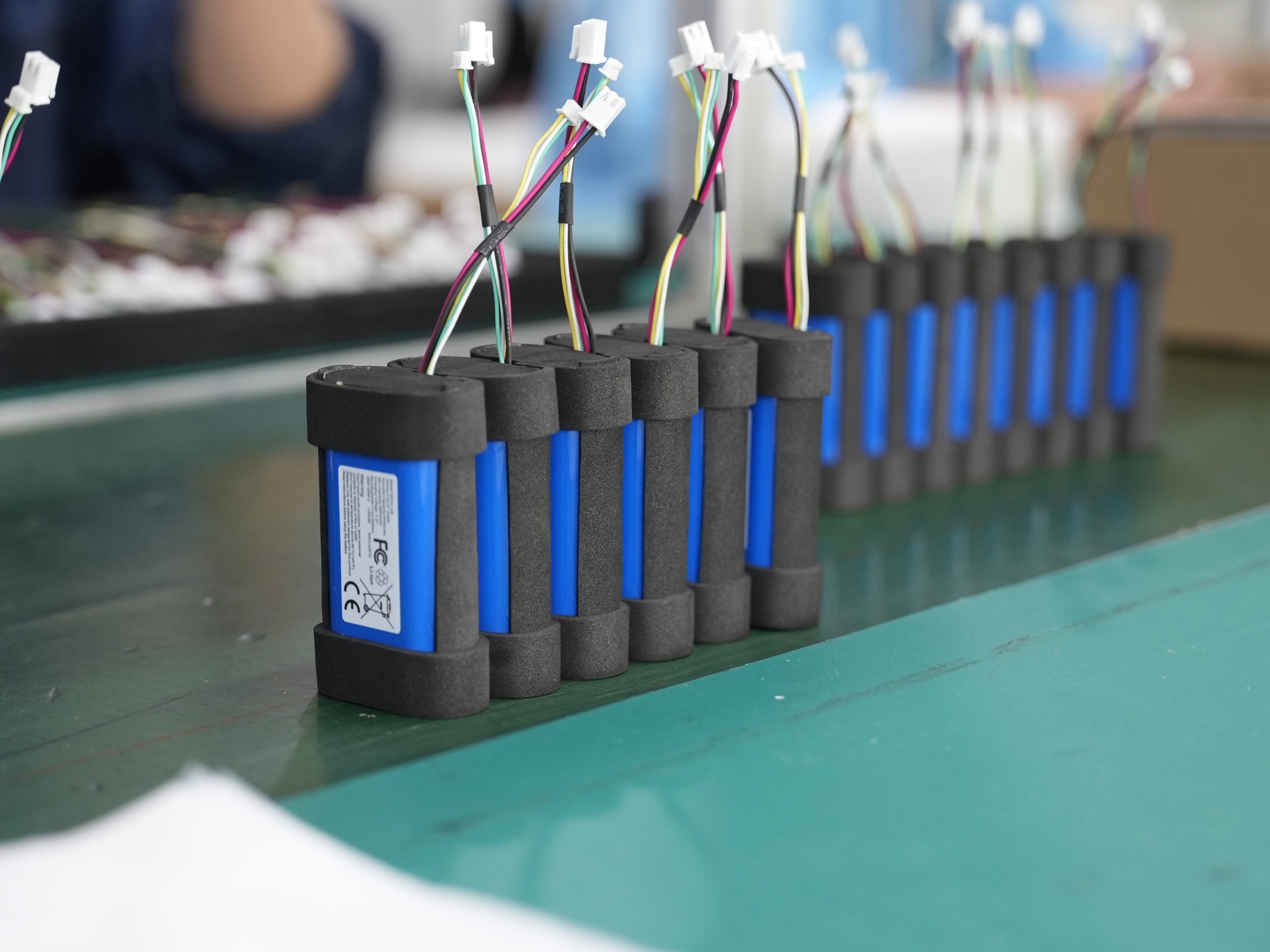
Thermal cameras give you a powerful tool for early detection of fire risks in environments with lithium battery packs such as LiFePO4, NMC, LCO, and LMO. These cameras detect heat signatures, so they work even in darkness or low-visibility conditions. You can spot abnormal heat buildup and hot spots before flames or smoke appear. This proactive approach helps you prevent catastrophic damage in critical infrastructure, industrial plants, and security systems.
Thermal cameras identify heat anomalies and electrical faults in real time.
They convert infrared radiation into digital images, making it easy to see areas of concern.
You can monitor hard-to-reach places, which improves your ability to detect hidden risks.
These cameras reduce false alarms from environmental changes, making them reliable for fire detection.
You benefit from continuous temperature monitoring, which shifts your approach from reactive to proactive Fire Safety.
4.2 IoT Monitoring and Analytics
IoT sensors and analytics platforms enhance your fire prevention strategy. These systems collect and analyze data from multiple sources, giving you a complete view of your facility’s safety status. You can track temperature, voltage, current, and gas levels in real time. This helps you predict and prevent thermal runaway events in battery storage, robotics, and medical devices.
Sensor Type | Purpose |
|---|---|
Temperature Sensors | Monitor temperature at multiple locations |
Voltage Sensors | Measure cell and pack voltages |
Current Sensors | Track charging and discharging currents |
Gas Sensors | Detect volatile organic compounds (VOCs) |
IoT platforms support predictive maintenance and integrate with building management systems for coordinated responses. You move from reactive measures to proactive protection, improving reliability and safety.
4.3 Real-World Applications
You see the benefits of integrating thermal imaging and IoT in many sectors. In EV charging stations, thermal cameras detect temperature spikes in battery packs, allowing you to act before a fire starts. In industrial battery storage, IoT systems send rapid alerts to your team, improving emergency planning. Cloud-based monitoring lets you oversee multiple facilities from one dashboard.
In robotics and medical equipment, real-time monitoring extends battery life and reduces downtime.
Security systems use non-contact thermal imaging to monitor battery temperatures during charging and discharging.
Infrastructure and consumer electronics benefit from early warnings, which help prevent costly incidents.
For advanced battery management, consider integrating a Battery Management System (BMS) to further enhance safety and performance.
Note: Combining thermal imaging with IoT analytics gives you a comprehensive Fire Safety solution for lithium battery applications across all sectors.
Part 5: Key Features for Fire Safety Systems
5.1 Sensor Sensitivity and Accuracy
You need sensors with high sensitivity and accuracy to protect environments with lithium battery packs such as LiFePO4, NMC, LCO, and LMO. Advanced sensors detect early-stage anomalies like heat, smoke, gas, and flame before they escalate. Multi-sensor detectors combine technologies to improve detection rates and reduce false alarms. AI algorithms analyze environmental data, helping you distinguish between real threats and harmless disturbances. Signal processing techniques further enhance detection reliability.
Feature | Description |
|---|---|
Early-Stage Detection | Sensors detect anomalies like smoke, flame, gas, and heat before they escalate. |
Multi-Sensor Detectors | Combine smoke, heat, and gas sensors for higher accuracy and fewer false alarms. |
AI Algorithms | Analyze data to differentiate between threats and non-threats. |
Fail-Safe Redundancy | Backup power and circuits ensure continuous protection. |
Integration Ready | Interfaces with building management and BMS systems. |
You benefit from air-sampling smoke detectors, dual-technology alarms, and heat-rise units. These features support ultra-early detection, which is essential for Fire Safety in battery-rich environments.
5.2 Automated Alerts and Remote Access
Automated alerts and remote access give you real-time information about fire risks. Smart detectors send instant notifications to your management team, even when you are offsite. Voice alerts can indicate the exact location of hazards, improving your response time. Modern systems also notify emergency services directly, reducing delays and minimizing damage.
Receive real-time alerts on mobile devices or control panels.
Monitor and control systems remotely from any location.
Use cloud analytics for risk forecasting and performance tuning.
In one case, a monitored smoke alarm in Florida alerted firefighters while the owners slept. The rapid response prevented the fire from spreading and protected lives.
5.3 Integration and Maintenance
You should select systems that integrate seamlessly with your existing infrastructure. IoT-enabled fire alarms connect to building management systems and sustainability platforms, enhancing overall safety. Wireless installations offer flexibility and scalability. Z-Wave and other protocols allow legacy and smart systems to work together, creating a unified safety network.
Regular maintenance ensures reliability and extends system life. Intelligent systems perform self-checks and diagnostics, enabling predictive maintenance. This approach optimizes schedules, lowers costs, and keeps your Fire Safety systems operating at peak performance.
Maintenance Practice | Impact on Reliability and Longevity |
|---|---|
Continuous self-checks and diagnostics | Enables predictive maintenance and extends product lifespan |
Optimized maintenance schedules | Improves reliability and reduces unnecessary service calls |
Tip: Choose fire safety solutions that support integration, predictive maintenance, and compliance with industry standards for lithium battery environments.
You gain significant advantages by integrating thermal imaging and IoT for Fire Safety in environments with lithium battery packs like LiFePO4, NMC, LCO, and LMO. The table below highlights key benefits:
Feature | Benefit |
|---|---|
Early fire detection | Detects abnormal temperature increases before flames appear |
Automated alerts | Sends immediate notifications for quick response |
Continuous monitoring | Tracks temperature changes 24/7 |
AI algorithms | Improves detection accuracy |
Night vision capability | Operates effectively in darkness |
Regularly assess your current safety measures and consider smart upgrades. Consult with fire safety and smart surveillance experts to protect your assets and ensure compliance.
FAQ
What makes smart surveillance essential for lithium battery fire safety?
Smart surveillance detects early signs of thermal runaway in LiFePO4, NMC, LCO, and LMO battery packs. You receive real-time alerts, which help you prevent fires before they escalate. Advanced sensors monitor temperature, gas, and voltage changes.
How do thermal cameras improve fire detection in battery storage areas?
Thermal cameras spot abnormal heat in battery packs before smoke or flames appear. You can monitor temperature trends and identify risks early. This technology works well in low-light conditions and provides continuous coverage.
Can IoT-enabled systems integrate with existing fire safety protocols?
You can connect IoT sensors to your building management system. Integration allows automated alerts and coordinated responses. This approach improves reliability and supports compliance with industry standards for lithium battery environments.
What maintenance practices ensure reliable fire safety system performance?
Regular system checks and predictive maintenance keep sensors accurate. You should schedule inspections and use self-diagnostic features. These practices extend system life and reduce downtime.
Are smart fire safety solutions cost-effective for facilities with lithium battery packs?
Smart solutions reduce risk and minimize downtime. You protect assets and avoid costly incidents. Automated monitoring and early detection lower insurance premiums and improve operational efficiency.


