

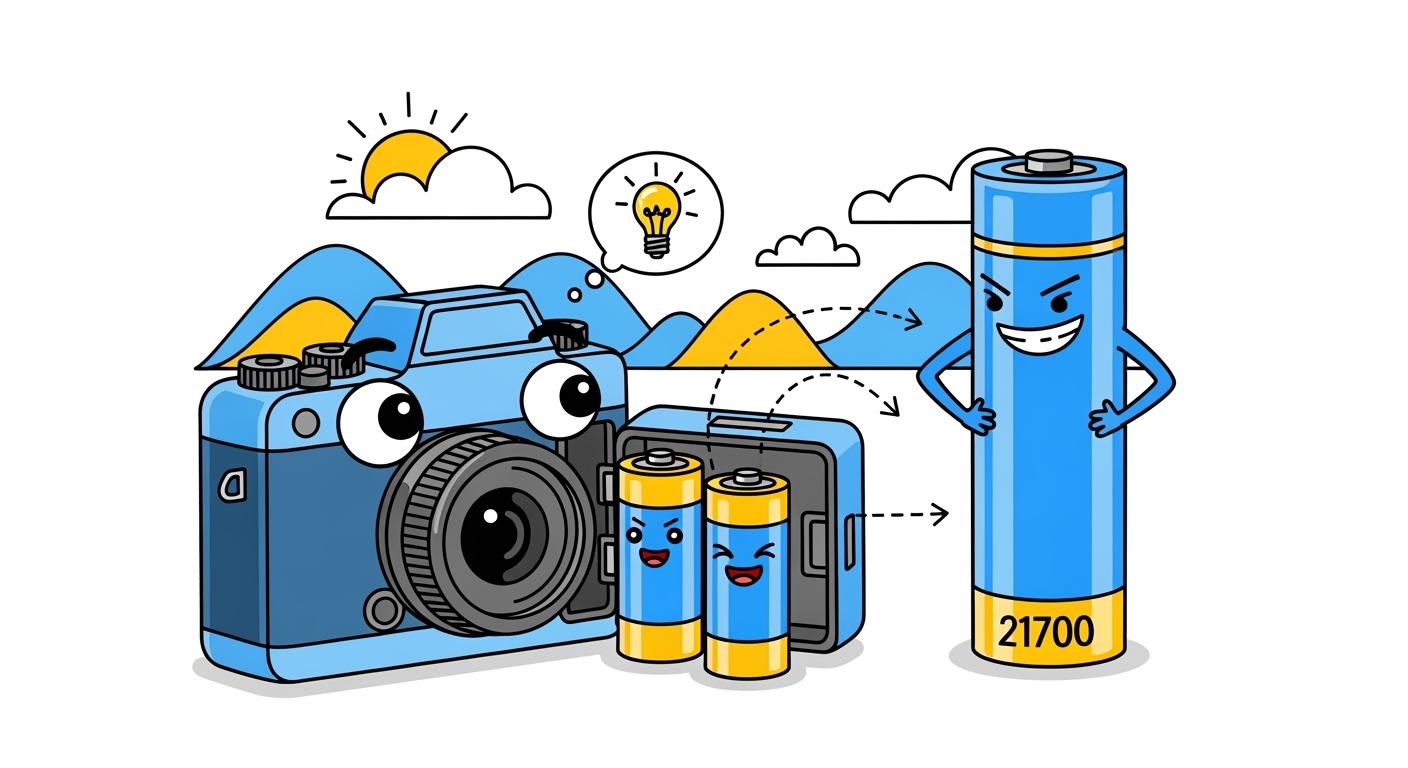
You might wonder if the 21700 Revolution makes sense for your camera battery packs. Upgrading brings bigger capacity and stronger performance, but you face challenges with size, weight, and cost. Take a look at this quick comparison:
Advantage/Drawback | Description |
|---|---|
Higher Capacity and Energy Density | 21700 batteries reach up to 20% more capacity than 18650 cells. |
Better Performance | Handles high-power needs and manages heat better. |
Larger Size and Heavier Weight | Bulky and about 55% heavier. |
Higher Cost | Usually costs more due to advanced features. |
You need to balance these benefits and drawbacks before making the switch.
Key Takeaways
Upgrading to 21700 batteries offers up to 20% more capacity than 18650 cells, allowing your camera to run longer without increasing size.
21700 batteries provide better performance under heavy loads, ensuring consistent power delivery and improved heat management for your equipment.
Consider the larger size and weight of 21700 batteries, as they may require modifications to your camera’s battery housing and connectors.
While 21700 batteries cost more upfront, their longer lifespan can save you money on replacements and maintenance over time.
Evaluate your specific needs and workflow before upgrading, as 18650 batteries may still be a better choice for easy sourcing and lower costs.
Part1: 21700 Revolution—Upgrade Decision
1.1 Key Benefits of 21700
You might notice the 21700 Revolution changing the way you think about camera battery packs. When you switch from 18650 to 21700 batteries, you unlock several important advantages. Here are the top three performance improvements you can expect:
Increased energy density lets you store more power in the same space. Your camera packs run longer without growing in size.
Longer runtime means your equipment stays powered up for extended shoots or flights. This is especially valuable for drones or remote camera setups.
Greater payload capacity allows your devices to handle heavier accessories or sensors without losing performance.
You also get a boost in cycle life. Take a look at how 21700 batteries compare to 18650 batteries in terms of longevity:
Battery Type | Cycle Life (Charge Cycles) |
|---|---|
18650 | 800–1200 |
21700 | Up to 1500+ |
With a longer cycle life, you spend less time and money replacing batteries. This benefit matters a lot for professional camera systems that demand reliability and low maintenance.
The 21700 Revolution also brings better heat management and higher discharge rates. Your battery packs stay cooler under heavy loads, which helps protect sensitive camera electronics. You get more consistent power delivery, even when your equipment draws a lot of current.
Tip: If you need longer field time and fewer battery swaps, upgrading to 21700 batteries can make your workflow smoother and more efficient.
1.2 Drawbacks and Limitations
You should also weigh the challenges before joining the 21700 Revolution. The most obvious drawback is size. 21700 cells are larger and heavier than 18650 cells. This extra bulk can make your battery packs harder to fit into existing camera housings or mounts.
Compatibility issues often pop up. Your current chargers and connectors may not support the new cell size or voltage requirements. You might need to invest in new charging equipment or redesign your battery enclosures.
Cost is another factor. 21700 batteries usually cost more upfront. While you save money over time with longer cycle life, the initial investment can be higher, especially if you need to upgrade chargers or redesign your packs.
Charging times may also change. Some 21700 cells require different charging profiles or higher currents. If your workflow depends on fast turnaround, you need to check if your charging setup can handle the new demands.
Note: Before you upgrade, check the physical fit, electrical compatibility, and charging requirements for your specific camera system. Planning ahead helps you avoid costly surprises.
The 21700 Revolution offers clear benefits, but you need to balance them against the practical realities of your camera operations.
Part2: 18650 vs 21700—Battery Comparison

2.1 Capacity and Runtime
You want your camera battery packs to last longer and deliver more power. The 21700 Revolution brings a clear advantage here. Take a look at the typical capacity ranges:
Battery Type | Typical Capacity (mAh) |
|---|---|
18650 | 2500–3500 |
21700 | 5000–6000 |
With 21700 batteries, you get more runtime for your camera systems. You can shoot longer sessions or power more demanding equipment without frequent battery swaps.
2.2 Power Output
Power output matters when your camera needs to handle high loads. 21700 cells support higher discharge rates and manage heat better. This means you can run accessories like lights or transmitters without worrying about voltage drops or overheating. You get steady performance even during intensive shoots.
Tip: If your camera setup draws a lot of current, switching to 21700 batteries can help you avoid power interruptions.
2.3 Lifespan
You want batteries that last through many charge cycles. 21700 batteries usually offer a longer lifespan compared to 18650 cells. You can expect up to 1500 charge cycles with 21700, while 18650 batteries often reach 800–1200 cycles. This longer lifespan reduces replacement costs and downtime for your camera fleet.
2.4 Size Differences
Physical size affects how you design your battery packs. Here’s a quick comparison:
Battery Type | Diameter (mm) | Length (mm) | Capacity (mAh) | Energy Density | Weight (grams) |
|---|---|---|---|---|---|
18650 | 18 | 65 | 2500–3500 | Lower | 48 |
21700 | 21 | 70 | 4000–5000 | Higher | 55–75 |
You need to consider the extra size and weight of 21700 batteries. They take up more space and add weight to your camera packs. If your design has tight space or weight limits, you may need to rethink your housing or mounting solutions.
Note: The 21700 Revolution gives you more power and longer life, but you must plan for bigger and heavier battery packs.
Part3: Compatibility Issues
3.1 Physical Fit
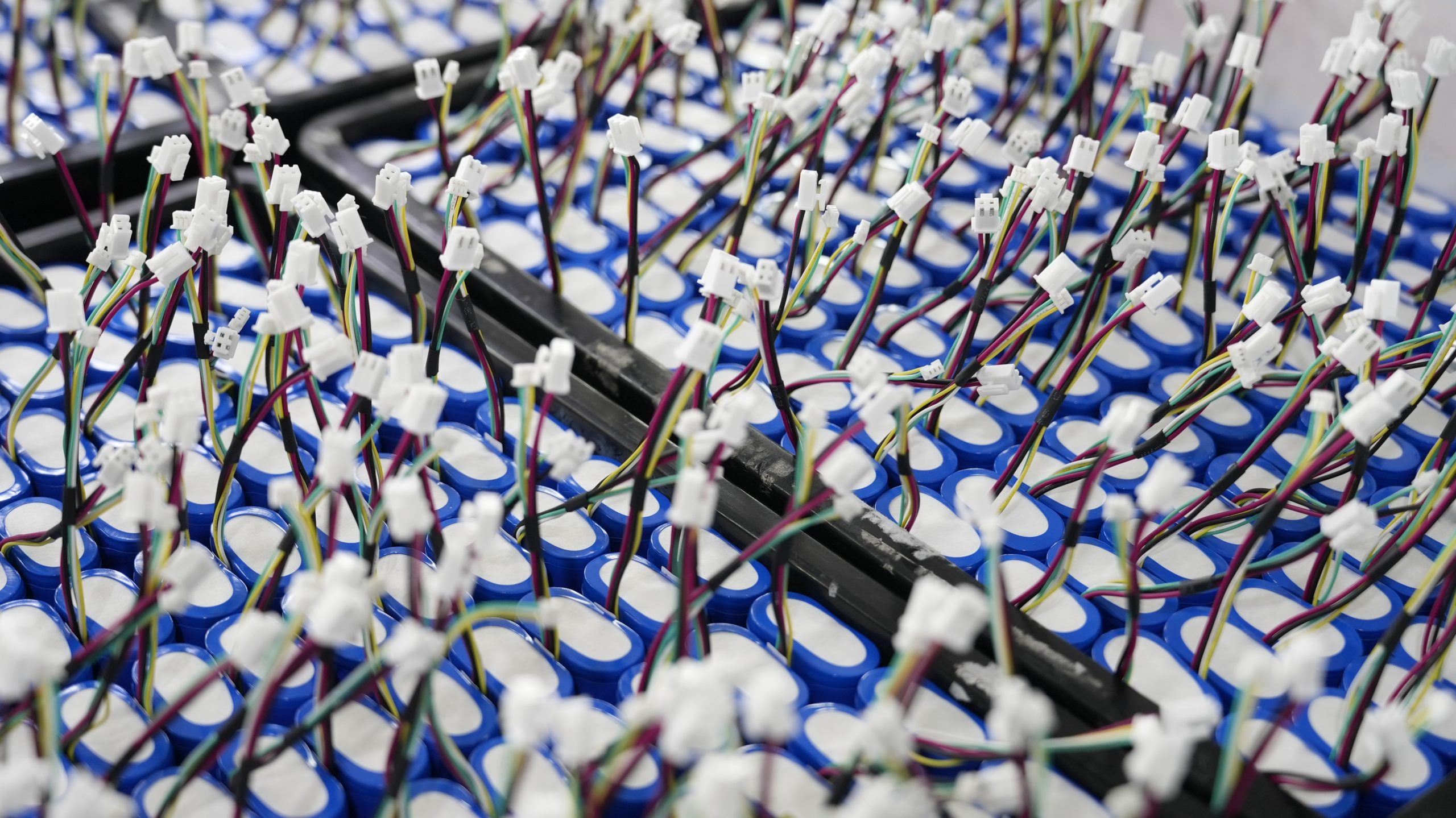
You face a big challenge when you try to fit 21700 batteries into housings designed for 18650 cells. The larger size means you need to make changes to your battery compartment. Here’s what you usually need to modify:
Adjust the housing to fit the bigger diameter and length of 21700 batteries.
Check voltage compatibility so your camera works with the new battery type.
Change wiring to match the new battery dimensions and connections.
If you want a secure fit, you must pay attention to slot precision. Take a look at this table:
Feature | Recommended Specification | Benefit | Target Applications |
|---|---|---|---|
Slot Precision | Tolerance ±0.2mm | Secure fit, prevents terminal damage | Drones, portable electronics |
A tight fit keeps your battery safe and prevents damage to terminals. You need to plan these changes before you upgrade.
3.2 Electrical Requirements
You must check the electrical requirements when you switch to 21700 batteries. Both 18650 and 21700 cells have similar nominal voltages, but 21700 batteries deliver higher continuous discharge rates. Here’s a quick comparison:
Battery Type | Nominal Voltage (V) | Current Capability |
|---|---|---|
21700 | 3.6 to 3.7 | Higher continuous discharge rates |
18650 | 3.6 to 3.7 | Lower continuous discharge rates |
If your camera system needs more power, the 21700 Revolution gives you an advantage. You may need to upgrade your connectors or wiring to handle the extra current.
3.3 Charging and Integration
You need to think about charging and integration. Your old chargers may not support the new battery size or charging profile. You might have to buy new chargers or redesign your battery management system. If you use a battery management system (BMS), make sure it supports the new chemistry and current requirements.
Integration can be tricky. You must check if your camera’s firmware and hardware can handle the new battery specs. Sometimes, you need to update software or change connectors. Planning ahead helps you avoid downtime and keeps your camera fleet running smoothly.
Tip: Always test your upgraded battery packs in a controlled environment before deploying them in the field.
Part4: Cost and Value
4.1 Price Comparison
You want to know if the 21700 upgrade makes sense for your budget. Let’s look at the numbers:
Battery Type | Average Unit Price (USD) | Typical Pack Price (1S2P) | Cost per Wh (USD) |
|---|---|---|---|
18650 | $3–$5 | $6–$10 | $0.30–$0.40 |
21700 | $5–$8 | $10–$16 | $0.35–$0.45 |
You pay more for 21700 batteries. The higher price comes from advanced features and bigger capacity. If you need to redesign your battery packs or buy new chargers, your upfront costs go up. Over time, you may save money because 21700 batteries last longer and need fewer replacements.
Note: If you care about sustainability or want to avoid conflict minerals, check out our approach to sustainability and our conflict minerals statement.
4.2 Availability
You need batteries you can source quickly and reliably. Here’s what you face in today’s market:
18650 batteries are easy to find worldwide. Most suppliers keep them in stock.
18650 cells cost less for industrial and commercial use.
21700 batteries offer more power but are less available than 18650 cells.
Supply chain disruptions can make things harder:
Raw material shortages can slow down 21700 battery production.
Production delays mean you wait longer for your orders.
Supply chain issues can push up the price of 21700 batteries and make it tough to meet demand.
If you need a steady supply for your camera battery packs, 18650 cells give you more options and fewer headaches.
4.3 ROI for Camera Packs
You want to get the most value from your investment. Here’s how the numbers stack up:
21700 batteries last longer and deliver more power per cycle. You spend less on replacements and maintenance.
The higher upfront cost can pay off if you run large camera fleets or need fewer battery swaps.
If you need fast, reliable sourcing, 18650 packs may offer better ROI because of lower costs and easier availability.
Tip: Calculate your total cost of ownership, not just the purchase price. Consider how battery lifespan, supply reliability, and maintenance affect your bottom line.
You can boost your ROI by matching your battery choice to your workflow and supply chain needs.
Part5: Practical Recommendations
5.1 Usage Scenarios
You want to know where 21700 batteries make the biggest impact. Here are some camera battery pack scenarios where you see the most benefit:
Medical Devices: Portable imaging equipment and diagnostic tools need long runtimes and reliable power. 21700 cells help reduce downtime in critical environments.
Robotics: Inspection robots and drones often run high-powered cameras and sensors. The higher discharge rates and longer life of 21700 batteries keep your machines in the field longer.
Security Systems: Outdoor surveillance cameras and mobile security units need batteries that last through the night and handle temperature swings. 21700 packs deliver steady power and better cold-weather performance.
Infrastructure Monitoring: Transportation and utility monitoring cameras often operate in remote locations. You get fewer maintenance trips and longer intervals between battery changes with 21700 cells.
Consumer Electronics & Industrial: High-powered flashlights, smart cameras, and industrial imaging systems benefit from the extra capacity and lower heat buildup of 21700 batteries.
Tip: If your application demands high current draw or long, uninterrupted operation, 21700 battery packs give you a clear advantage.
5.2 Upgrade Timing
You want to pick the right moment to upgrade. Consider these factors before making the switch:
Safety standards matter. Make sure your new packs meet UN38.3 and IEC62133-2 for transport and battery safety.
Check if your current cell format is becoming obsolete. If suppliers phase out 18650 cells, it’s time to move to 21700.
Review your battery management system (BMS). Standard components speed up integration and reduce delays.
Look at your device’s space constraints. If you can fit larger cells without redesigning the whole system, you’re ready for 21700.
Think about cold weather. If your cameras struggle in low temperatures, 21700 packs often perform better.
Plan around your project timeline. Factor in lead times for new components and any supply chain delays.
5.3 Transition Tips
You want a smooth upgrade process. Here’s how you can make the transition easier:
Test new 21700 packs in a controlled setting before full deployment.
Work with your engineering team to adjust housings, connectors, and wiring for the larger cell size.
Update your charging stations and BMS to match the new chemistry and current requirements.
Train your staff on handling and maintaining the new battery packs.
Track performance data after the switch. Use this feedback to fine-tune your workflow and maximize ROI.
Note: Careful planning and testing help you avoid costly surprises and keep your camera systems running at peak performance.
You’ve seen how 21700 batteries boost capacity, runtime, and power output for your camera packs. You also know they bring higher costs, bigger size, and some compatibility hurdles.
If you need longer life and more power, 21700 cells make sense for your next upgrade.
If you want easy sourcing and lower costs, 18650 packs still work well.
Battery tech keeps moving fast. Stay ready for new chemistries and smarter packs that will shape the future of your business.
FAQ
What makes 21700 batteries better for camera battery packs?
You get higher energy density and longer runtime with 21700 cells. These batteries handle high loads and heat better. Your camera packs last longer in the field. This means fewer battery swaps and less downtime for your business.
Will 21700 batteries fit in my current 1S2P 18650 battery housing?
Most likely, they won’t fit without changes. 21700 cells are larger and heavier. You’ll need to adjust your battery compartment or redesign your pack. Always check the dimensions before you upgrade.
Do I need a new charger for 21700 lithium battery packs?
Yes, you probably do. Many chargers for 18650 cells can’t handle the size or charging profile of 21700 batteries. You should use a charger that matches the cell’s voltage and current requirements for safety and performance.
How do 21700 and 18650 batteries compare in cycle life?
Battery Type | Typical Cycle Life |
|---|---|
18650 | 800–1200 cycles |
21700 | Up to 1500 cycles |
You get more charge cycles with 21700 cells. This means you replace batteries less often.
Are 21700 batteries worth the higher cost?
You pay more upfront, but you save money over time. 21700 batteries last longer and deliver more power per cycle. If you run large camera fleets or need fewer battery swaps, the investment pays off.


