

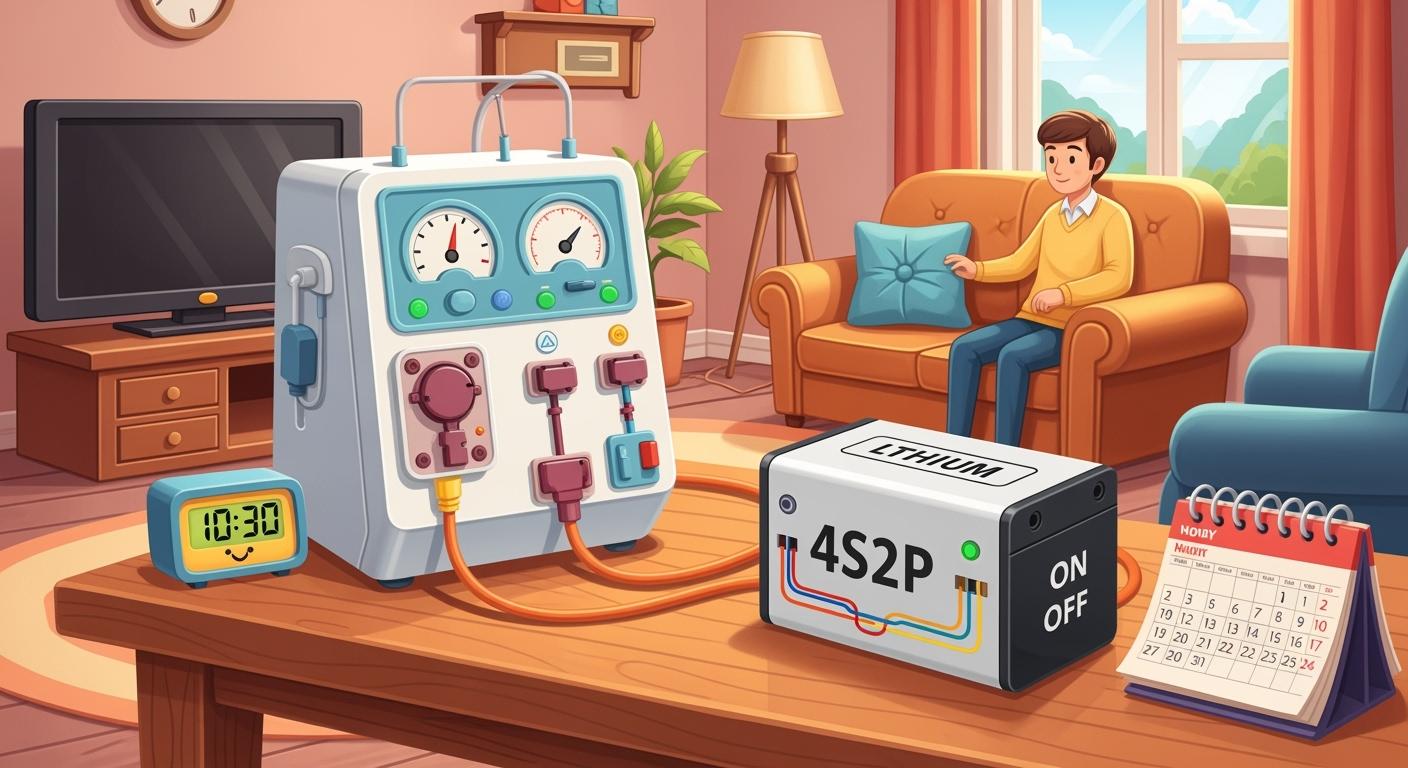
You need a lithium battery system that guarantees stable and safe power for your home dialysis support device. Home healthcare trends show rapid growth, driven by demand for portable medical equipment and reliable emergency power. Advanced lithium battery technology offers miniaturization, clinical reliability, and customization, allowing you to tailor battery modules for your home needs.
Homecare settings experience the fastest market growth.
Battery modules connect easily and improve assembly efficiency.
Safety standards protect your home dialysis support device.
Key Takeaways
Understand the power needs of your home dialysis device. Ensure your lithium battery system can provide consistent power for 4 to 12 hours, especially during outages.
Choose a lithium battery system with advanced safety features. This protects against risks like thermal runaway, leaks, and fires, ensuring safe operation for your medical devices.
Implement regular maintenance for your battery system. Monthly checks can prevent failures and extend the life of your lithium battery, ensuring reliable support for your home dialysis needs.
Part 1: Home Lithium Battery System Needs
1.1 Power Requirements for Home Dialysis
You must understand the power demands of your home dialysis equipment to ensure reliable operation. Most peritoneal dialysis cyclers use about 100W during normal cycles. Power spikes can occur when the device heats fluids or triggers alarms. Hemodialysis consoles often require higher electrical limits, especially when paired with water treatment or dialysate preparation units. You should plan for a lithium battery system that delivers consistent power for 4 to 12 hours, depending on your home routine and device type. This runtime ensures you can complete essential treatments even during outages.
Tip: Always check the manufacturer’s specifications for your home dialysis device. Calculate total power needs by adding all connected equipment.
1.2 Common Home Power Challenges
You face several risks when relying on grid electricity for home medical devices. Severe weather events cause most outages, with climate change increasing their frequency and severity. High winds, rain, winter storms, tropical cyclones, wildfires, and floods disrupt power in many regions. For example, Hurricane Beryl left millions without electricity in Texas, putting home medical device users at risk.
Severe weather events
Climate change impacts
Grid instability during storms
Local infrastructure failures
A lithium battery system provides essential backup for your home, reducing the risk of treatment interruption. You must also consider safety concerns. Fires, leaks, fumes, and blasts can result from poor battery design or thermal runaway. The table below summarizes common user concerns for home medical applications:
Safety Issue | Description |
|---|---|
Fires | Thermal runaway can cause uncontrollable heat and ignition, risking device fires. |
Leaks | Corrosive chemicals may escape, causing burns or blindness. |
Fumes | Off-gassing releases toxic hydrocarbons, leading to possible evacuations. |
Blasts | Explosions from battery failure can harm patients and damage property. |
You should select a lithium battery system with advanced safety features to support your home dialysis needs. This approach protects your health and ensures long-term reliability.
Part 2: 4S2P Configuration and Lithium Battery Technology
2.1 4S2P Topology Overview
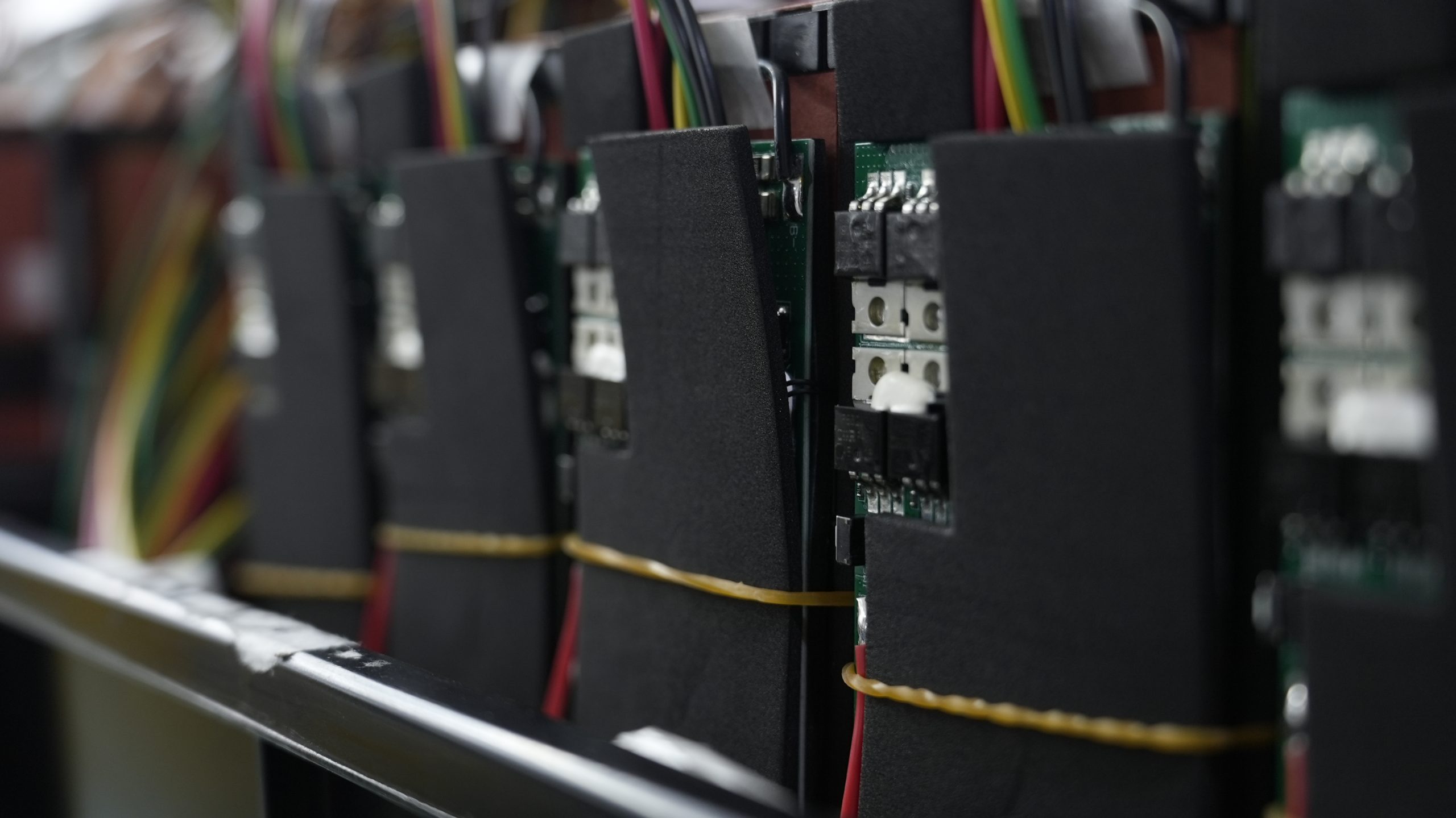
You need a lithium battery system that matches the critical power needs of home life support devices. The 4S2P configuration connects four lithium cells in series and two in parallel. This structure increases both voltage and capacity, making it ideal for home dialysis support. You get stable voltage for sensitive electronics and enough energy to run your device during an emergency. The 4S2P system also allows you to scale up or down based on your home requirements.
Tip: The 4S2P lithium battery system offers redundancy. If one cell fails, the parallel design helps maintain emergency power backup for your life support devices.
2.2 Benefits of Lithium Battery Technology
You benefit from advanced lithium battery technology in several ways. Modern lithium battery systems use pressure-relief devices to safely release excess pressure. Positive temperature coefficient resistors act as fuses, preventing overheating. A Battery Management System (BMS) monitors voltage, current, and temperature, ensuring safe operation for home life support devices. Enhanced battery pack design reduces heat buildup and thermal propagation. Many home medical devices use lithium iron phosphate (LiFePO4) for higher thermal stability.
Here is a comparison of common lithium battery chemistries for home and industrial applications:
Chemistry | Voltage (V) | Cycle Life (cycles) | Thermal Stability | Application Scenario |
|---|---|---|---|---|
Li-ion | 3.6 | 500-1,000 | Moderate | Medical, robotics, security |
LiFePO4 | 3.2 | 2,000+ | High | Home, medical, industrial |
LiPo | 3.7 | 500-800 | Moderate | Consumer electronics |
Solid-State Battery | 3.2-3.7 | 2,000+ | Very High | Infrastructure, medical |
You can trust lithium battery technology to deliver emergency power backup for home life support devices. The system supports safety, reliability, and long-term performance.
Part 3: Emergency Power Backup and Reliability Strategies
3.1 Battery Management System (BMS)
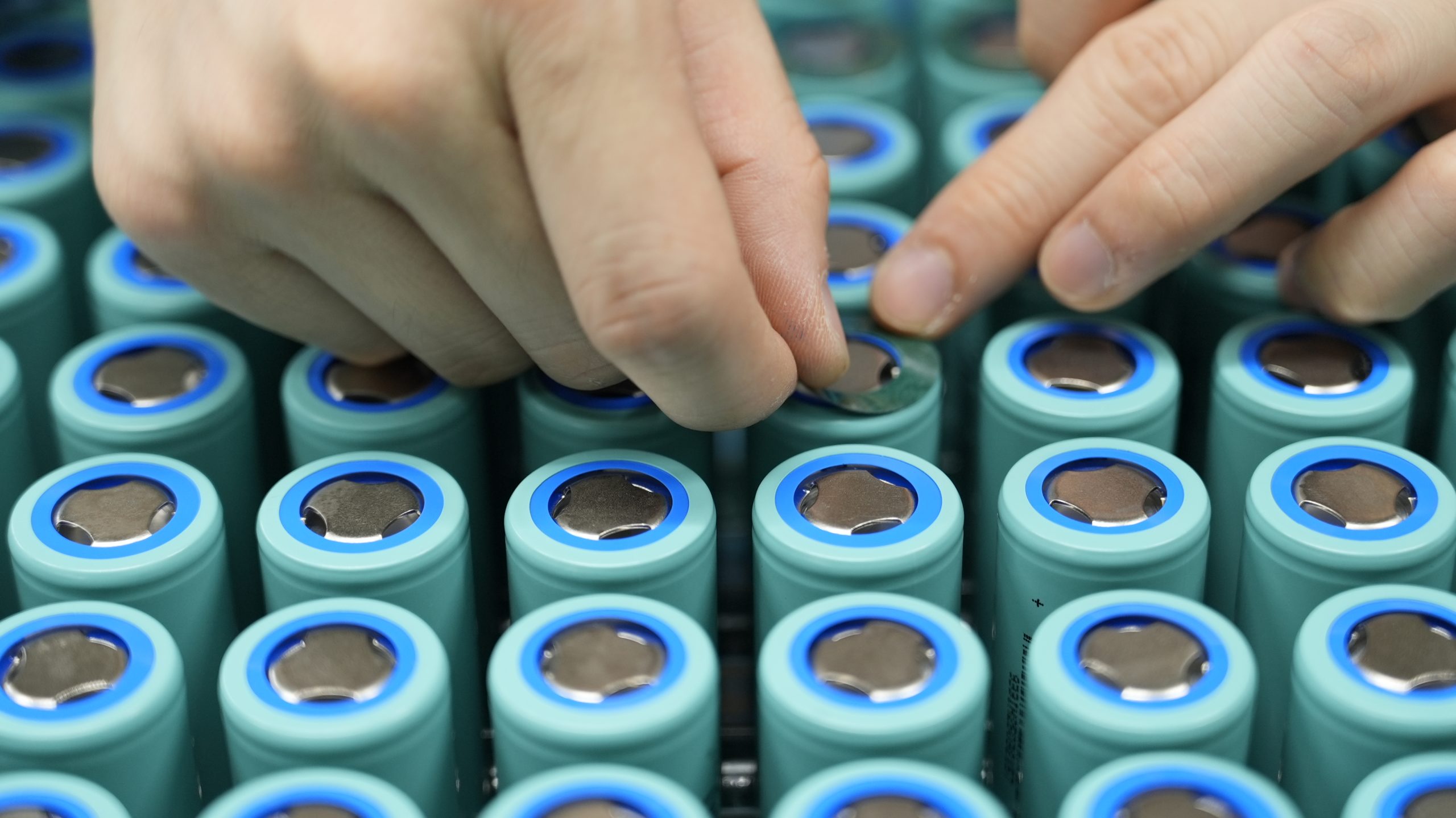
You need battery management systems to ensure safe and reliable operation of your home battery backup. These systems play a critical role in monitoring and controlling every aspect of your lithium battery technology. You can rely on BMS integration to protect your battery backup system from overcharge, over-discharge, and current surges. The BMS also manages cell balancing, which is essential for maintaining high energy density and extending the lifespan of long-lasting batteries.
Function | Description |
|---|---|
Current Protection | Prevents damage by shutting off current if it exceeds a preset limit. |
Voltage Specifications | Manages high and low voltage conditions to maintain safe operation. |
Overcharge and Over-discharge | Stops current flow if voltage exceeds safe levels or if the battery discharges below a threshold. |
Thermal Runaway Protection | Prevents overheating that could lead to explosions or fires. |
Cell Balancing | Ensures all cells in a battery pack maintain similar charge levels to enhance longevity and safety. |
You benefit from real-time monitoring, which allows you to forecast replacement schedules and reduce downtime. Proper maintenance, including temperature management and diagnostics, can increase operational life by over 30%. Cell balancing ensures uniform charge distribution, which enhances efficiency and reliability. You can trust battery management systems to deliver uninterrupted patient care and support for your home dialysis device.
3.2 Thermal and Safety Controls
You must prioritize thermal management and safety standards when designing a home battery backup system for medical applications. Thermistors and thermal fuses monitor heat levels and provide real-time feedback. Control circuits analyze sensor data and halt current flow when temperature limits are reached. Automatic reset features allow the battery to resume operation once it cools down, which helps maintain reliability and high energy density.
Gas sensors detect volatile electrolyte gases from damaged cells before visible symptoms appear.
Temperature sensors monitor battery temperatures to prevent overheating and thermal runaway.
Aerosol fire suppression systems provide rapid response to incipient fires by releasing a suppressing agent.
You should integrate cooling solutions to prevent thermal runaways and prolong battery lifespan. Thermal insulation reduces heat transfer from the battery to surrounding structures. Active and passive management systems monitor and adjust cooling based on battery activity.
Integrating temperature monitoring tools into your home battery backup design is crucial for early detection of overheating, which can prevent catastrophic failures.
Thermal cutoff technologies monitor temperature thresholds and stop current flow when specific limits are exceeded. Pressure relief mechanisms, such as deflagration panels, safely vent pressure during internal explosions, protecting both equipment and personnel in home healthcare settings.
Tip: Always verify that your lithium battery technology meets the latest safety standards for home medical devices. Compliance with ANSI/AAMI ES 60601-1, IEC 60086-4, IEC 62133, UL 1642, and UL 2054 is essential.
Standard | Description |
|---|---|
ANSI/AAMI ES 60601-1 | General requirements for basic safety and essential performance |
IEC 60086-4 | Safety of Lithium Batteries, tests for primary lithium batteries |
IEC 62133 | Safety for secondary lithium cells and batteries |
UL 1642 | Safety standard for Lithium batteries |
UL 2054 | Safety standard for Household and Commercial Batteries |
3.3 Redundancy for Emergency Power Backup
You must implement redundancy strategies to guarantee uninterrupted patient care and continuous power supply for your home dialysis support device. Modular power redundancy, such as N+1 architectures, ensures continuity. If one module fails, the backup takes over instantly. This modularity simplifies maintenance and replacement without system downtime.
Strategy | Description |
|---|---|
Modular Power Redundancy | N+1 power supply architectures ensure continuity. If one module fails, the backup takes over instantly. This modularity also simplifies maintenance and replacement without system downtime. |
Built-In Self-Test (BIST) | BIST integrates test logic directly into the IC, allowing autonomous verification of internal gates and memory. This reduces reliance on external ATE and ensures device health before patient use. |
Startup Diagnostics | Power-On Self-Test (POST) routines validate critical sensors and actuators immediately upon activation. GNS PCB assembly services include firmware flashing to enable these rigorous startup checks. |
You should use uninterruptible power supply and emergency power supply features to enhance reliability. UPS systems ensure that critical medical devices remain operational during power outages, which is essential for home battery backup. They minimize downtime during power failures, allowing for continuous treatment and safeguarding important health data. UPS units act as reliable backup power sources, ensuring seamless operation of medical devices while waiting for main power restoration.
Modern lithium battery technology includes safety features such as battery management systems, thermal protection, and overcharge prevention mechanisms. You must ensure compliance with safety standards such as ANSI/AAMI ES 60601-1, IEC 62133, UL2054, and ISO 13485. UL 2089 certification for medical facility use, FDA 510(k) clearance for medical device accessories, and IEC 60601-1 compliance for medical electrical equipment are also critical.
Note: You can apply these strategies to home, medical, industrial, infrastructure, robotics, and security application scenarios.
You can achieve reliable batteries and long-lasting batteries for your home battery backup system by integrating advanced lithium battery technology, robust monitoring, and strict adherence to safety standards. These strategies ensure high energy density, continuous power supply, and reliable backup for uninterrupted patient care.
Common failure modes include thermal runaway and overcharging. Consult experts for custom battery solutions to optimize home safety and support.
FAQ
What makes a 4S2P lithium battery system ideal for home battery backup in medical equipment?
You gain stable voltage and extended capacity. This system supports home medical equipment, ensuring backup during outages and meeting healthcare battery solutions requirements for continuous patient care.
How does lithium battery technology improve safety for home battery backup in medical equipment?
You benefit from advanced lithium battery technology. It integrates BMS, thermal controls, and pressure relief, reducing risks for home medical equipment and supporting reliable backup for healthcare battery solutions.
Can Large Power provide custom battery solutions for home battery backup in medical equipment?
You receive tailored battery solutions from Large Power. Their custom battery solution supports home battery backup, lithium battery packs, and healthcare battery solutions for diverse medical equipment applications.
Application Scenario | Battery Chemistry | Backup Duration | System Type |
|---|---|---|---|
LiFePO4 | 4-12 hours | 4S2P lithium | |
Li-ion | 2-8 hours | Modular lithium | |
LiPo | 1-6 hours | Lithium battery pack | |
Solid-State | 8-24 hours | Advanced lithium | |
LiFePO4 | 6-18 hours | Custom lithium |
Tip: You should consult experts for battery solutions that match your home battery backup needs and medical equipment specifications.


