

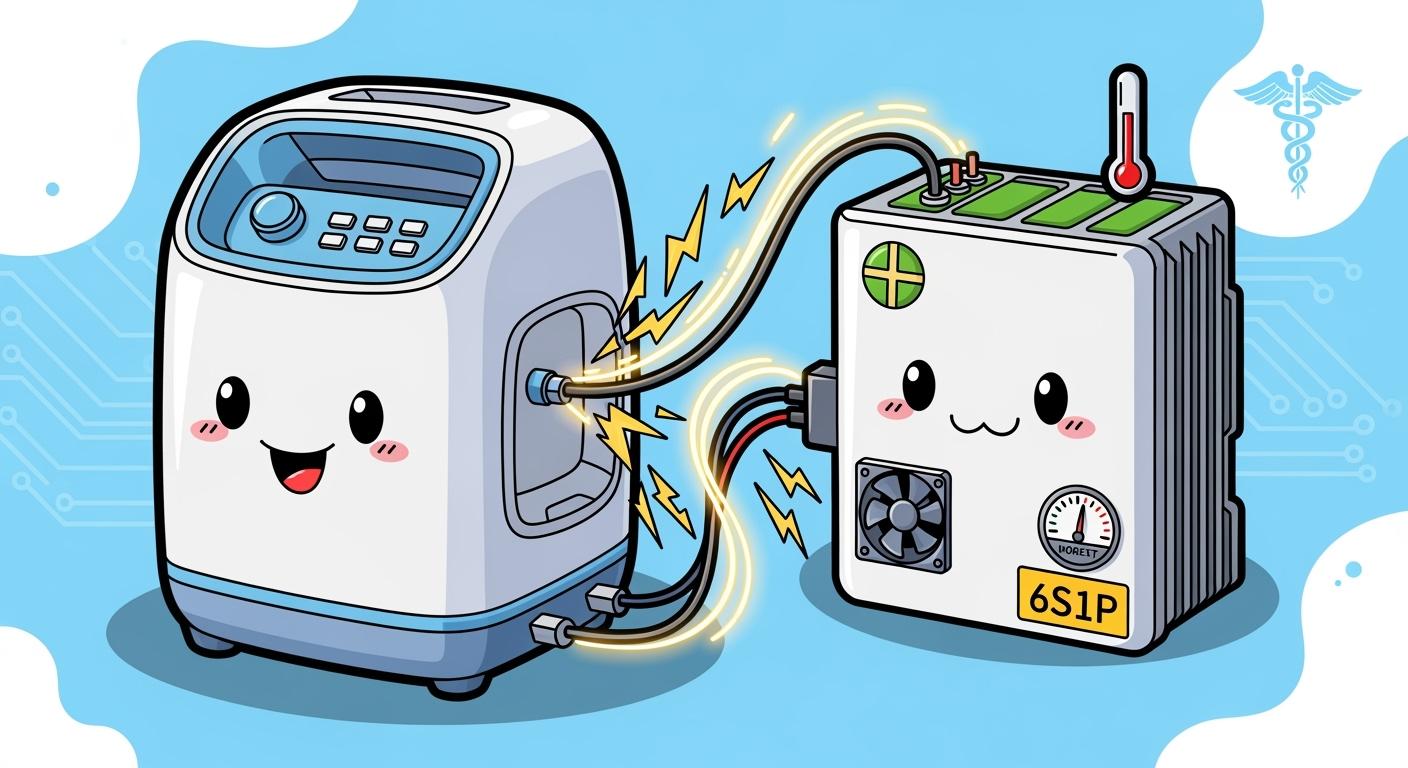
Selecting the right medical lithium battery for your portable oxygen concentrator ensures optimal safety and reliability. Most oxygen concentrators use lithium battery technology due to its performance advantages. You must consider compatibility, capacity, certification, and voltage when choosing a battery. Visit medical battery solutions for more information.
Compatibility with your device maintains reliability.
Sufficient capacity supports extended runtime.
Correct voltage prevents device damage.
Certification guarantees safety.
Key Takeaways
Choose a medical lithium battery that matches your portable oxygen concentrator’s specifications for optimal safety and performance.
Prioritize batteries with high capacity and C-rating to ensure extended runtime and reliable high power startup.
Implement effective thermal management strategies to prevent overheating and extend the life of your lithium battery.
Part 1: Medical Lithium Battery Suitability
1.1 Key Requirements for Oxygen Concentrators
You must select a medical lithium battery that meets the strict demands of a portable oxygen concentrator. These devices require stable voltage, high energy density, and long life to support continuous operation. A lithium battery with reliable performance ensures that your oxygen concentrator delivers consistent oxygen flow for patients in critical environments. You should also consider device-specific requirements, such as size, weight, and integration with existing electronics.
Tip: Always verify that the rechargeable lithium battery you choose matches the manufacturer’s specifications for your oxygen concentrator.
1.2 High Power Startup Needs
A portable oxygen concentrator often requires a surge of power during startup. You need a medical lithium battery with a high C-rating to handle this demand without voltage drops or overheating. If the battery cannot deliver enough current, the device may fail to start or operate inefficiently. This can shorten battery life and compromise patient safety. You should prioritize batteries designed for high power delivery to ensure reliable performance in every use case.
1.3 Thermal Management Importance
Thermal management plays a critical role in the safety and life of your lithium battery. Inadequate cooling can lead to performance issues and safety hazards. High temperatures may trigger harmful side reactions, which threaten the battery’s structure and increase the risk of thermal runaway. This can result in catastrophic failures, including fires or explosions. Low temperatures also affect lithium ion movement, reducing battery efficiency and overall functionality. You must implement effective thermal management strategies to protect both the battery and the portable oxygen concentrator.
Common failure modes for lithium batteries in medical devices include:
Manufacturing defects
Physical damage
Overcharging
External heat
By understanding these risks, you can select and maintain a medical lithium battery that supports device safety and extends operational life.
Part 2: 6S1P Lithium Battery Configuration
2.1 6S1P Structure Explained
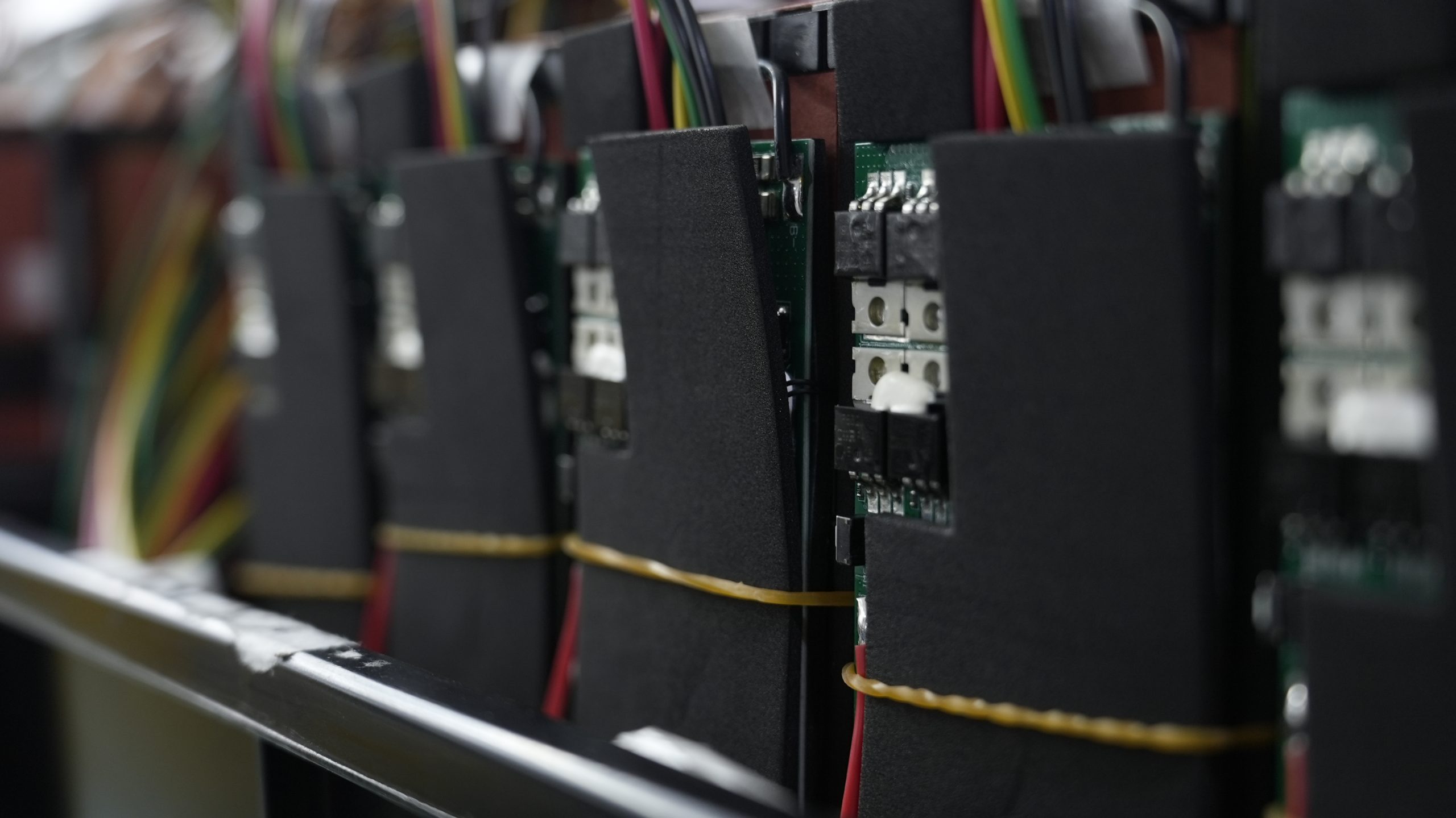
You will find the 6S1P structure common in advanced lithium battery packs for medical devices. This configuration connects six cells in series (6S) and one in parallel (1P). The series connection increases the total voltage, while the single parallel path maintains the original cell capacity. This design supports high power output and stable performance, which are essential for oxygen concentrator applications.
Note: The 6S1P configuration offers a balance between voltage and compact size, making it suitable for portable medical equipment.
Parameter | Value |
|---|---|
Battery type | 44.4V NMC |
Nominal Voltage (V) | 44.4V |
Nominal Capacity | 51Ah |
Configuration | 6S1P |
Max charge current | 1C |
Max discharge current | 3C |
Standard Charge current | 0.2C-0.5C |
Net Weight | 11.9KG |
Dimensions | 10.9150350mm |
Cycle Life | 1500 times (80% of initial capacity at 0.2C rate, IEC Standard) |
Operating Temperature | Charging: 0~55°C |
Discharge Temperature | -20~55°C |
Storage Temperature | -20~45°C |
Connector | Threaded terminals |
2.2 Voltage and Capacity Benefits
You benefit from the 6S1P configuration because it delivers a higher nominal voltage by connecting cells in series. For example, a 6S1P lithium battery typically provides 21.6V, which matches the requirements of many oxygen concentrator designs. This stable voltage ensures reliable device operation and reduces the risk of power interruptions. The configuration also maintains the original cell capacity, supporting longer runtimes for critical medical applications.
2.3 Why 6S1P for Portable Oxygen Concentrators
You should choose the 6S1P configuration for your portable oxygen concentrator because it meets the high power and safety standards required in medical environments. The design supports efficient energy delivery, compact size, and robust cycle life. These features help you maintain consistent oxygen flow and minimize downtime. The 6S1P lithium battery configuration also simplifies integration with advanced battery management systems, enhancing overall device reliability.
Part 3: Selection Criteria for Medical Lithium Battery
3.1 Device Compatibility
You must evaluate compatibility before selecting a medical lithium battery for your oxygen concentrator. Each device has unique requirements for voltage, chemistry, and physical dimensions. If you choose a battery with the wrong specifications, you risk damaging the device or reducing its life. Consider the following factors to ensure proper integration:
Battery chemistry must match your device, usually lithium-ion.
Voltage should align with the oxygen concentrator’s requirements.
Capacity, measured in mAh or Wh, affects battery life and extended oxygen delivery.
Weight and size impact portability and device balance.
Assess your daily oxygen delivery needs to select the right battery.
Battery runtime must support your expected usage.
Charging speed influences downtime and operational efficiency.
Budget should balance performance, life, and reliability.
Choose rechargeable lithium battery options for sustainability.
Select trusted brands to ensure quality and safety.
Manufacturers design batteries to meet strict compatibility standards. They also conduct electromagnetic interference assessments and comply with FAA acceptance criteria for portable oxygen concentrators used in air travel. Always confirm that your battery meets these requirements to maintain safety and reliability in medical environments.
3.2 Capacity and Runtime
You need to prioritize battery capacity and runtime for continuous oxygen delivery. High-capacity lithium battery packs provide longer usage times, which is critical for extended oxygen delivery in medical devices. Battery capacity, measured in watt-hours (Wh), directly impacts how long your oxygen concentrator can operate between charges. If you select a battery with insufficient capacity, you may experience interruptions in oxygen delivery, which can compromise patient safety.
To optimize battery life and runtime:
Choose batteries with high energy capacity and robust lifecycle ratings.
Avoid deep discharge cycles to extend battery life.
Adjust oxygen flow rate settings to match patient needs and conserve energy.
Operate devices in moderate temperatures to maintain efficiency.
Perform regular device maintenance to prevent unnecessary power drain.
You should also consider using supplemental batteries or advanced battery management systems to support longer periods of oxygen delivery. These strategies help you achieve reliable, uninterrupted operation in demanding medical settings.
3.3 C-Rating and Power Delivery
C-rating measures how quickly a lithium-ion battery can deliver current relative to its capacity. For oxygen concentrators, you need a battery with a C-rating between 1C and 2C to support high power startup and consistent oxygen delivery. If you select a battery with a low C-rating, the device may fail to start or deliver insufficient oxygen flow.
High C-rates can cause lithium plating at low temperatures, reducing efficiency and battery life.
At high temperatures, high C-rate usage may break down the solid-electrolyte interphase, increasing the risk of thermal runaway and safety hazards.
Mechanical stress from high C-rates can lead to particle cracking, which shortens battery life and affects performance.
You must balance the need for fast charging capability and power delivery with the risks of excessive C-rates. Always select batteries that meet your device’s power requirements and have been tested for safety in medical applications.
3.4 Certifications and Regulations
Certifications play a vital role in ensuring the safety and regulatory compliance of medical lithium batteries. You must verify that your battery meets all relevant certifications before integrating it into your oxygen concentrator. Key certifications and standards include:
UN38.3 for safe transportation of lithium batteries.
CE and RoHS for compliance with European safety and environmental standards.
IEC 62133 as the primary safety standard for rechargeable lithium batteries in medical devices.
FDA regulations for medical devices in the United States.
PHMSA hazardous materials regulations, harmonized with ICAO Technical Instructions for air transport.
FAA acceptance criteria for use on board aircraft, including a label confirming conformity.
Compliance with radio frequency emission standards to prevent interference with aircraft systems.
Approval under SFAR No. 106 after demonstrating full regulatory compliance.
Compliance Aspect | Description |
|---|---|
Safety Standards | Ensure compliance with industry standards and regulations, particularly in healthcare. |
Safety Features | Look for features like overcharge protection, thermal cutoff, and short-circuit protection. |
Risks | Non-compliant batteries can pose significant risks, including fires or explosions. |
For B2B buyers, you must confirm that your supplier provides full documentation for all certifications. This step protects your business from legal risks and ensures the safety of your devices in medical environments.
3.5 Charging Time Considerations
Charging time affects the operational efficiency of your oxygen concentrator. You should look for lithium-ion batteries with fast charging capability to minimize downtime and support continuous oxygen delivery. Faster recharge times are essential for medical devices that require extended oxygen delivery and quick turnaround between uses.
FAA regulations limit battery capacity for air travel to 100Wh for lithium-ion batteries installed in portable oxygen concentrators, unless you have airline approval. You may transport up to two batteries on passenger aircraft, and these batteries can be at a state of charge greater than 30 percent under certain conditions. Always check the latest guidelines to ensure compliance during transport.
To maximize battery life and efficiency:
Charge batteries regularly, even when not in use.
Store batteries in a cool, dry place.
Keep batteries between 20% and 80% capacity during storage.
Avoid complete discharge to extend battery life.
By considering charging time, you ensure your devices remain ready for use and maintain reliable oxygen delivery for patients.
Part 4: Thermal Management for Lithium Battery Packs

4.1 Heat Risks in Oxygen Concentrators
You face significant heat risks when integrating lithium battery packs into portable oxygen concentrators. High discharge rates during startup and continuous operation generate heat. If you do not manage this heat, you risk reduced battery life, performance loss, or even thermal runaway. In medical environments, overheating can threaten patient safety and device reliability. You must recognize that both external temperatures and internal resistance contribute to heat buildup. Proper thermal management ensures your battery packs deliver consistent power and extend operational life.
4.2 Design for Thermal Control
You can improve thermal control by adopting advanced design features. Studies show that reciprocating air flow, ventilation holes, and independent cooling ducts all help maintain safe battery temperatures. The table below summarizes effective design strategies:
Study | Findings |
|---|---|
Na et al. | RLAF method reduced temperature differences and improved uniformity in battery modules. |
R. Mahamud et al. | Reciprocating air flow lowered temperature differences by 4°C and max temperature by 1.5°C. |
E et al. | Ventilation holes on the battery box sides enhanced cooling performance. |
Yu et al. | Dual cooling ducts kept the highest battery temperature at 33.1°C, reducing heat buildup. |
Chen et al. | Temperature-based control strategies cut average temperature differences by over 67%. |
You should also consider enhanced passive thermal management. Conical cylindrical chambers with phase change materials absorb heat and keep temperatures stable. This approach prevents thermal runaway and uneven aging, which helps maximize battery life.
4.3 Monitoring and Prevention
You must monitor battery temperature and performance to prevent failures. Integrate protection circuits that regulate charging and discharging. These circuits maintain stable voltage and current, even when external temperatures fluctuate. Custom lithium-ion battery packs can meet strict temperature thresholds, ensuring safe operation in diverse medical settings. High-quality cells from reputable brands further support performance across temperature ranges.
Tip: Follow best practices for battery integration:
Charge batteries monthly to avoid deep discharge and degradation.
Store batteries in a cool, dry place between 32°F and 68°F.
Recharge before complete discharge, keeping capacity between 20% and 80%.
You extend the operational life of your lithium battery packs by combining robust design, active monitoring, and preventive maintenance. These steps help you deliver safe, reliable power for critical medical devices.
You improve reliability and safety by selecting a medical lithium battery that matches your portable oxygen concentrator’s requirements. Battery life, compatibility, and regulatory compliance remain essential. Prioritize certified batteries and follow maintenance guidelines to extend life. For further details, review industry guides on oxygen concentrator battery selection and performance.
FAQ
What certifications should you require for medical lithium battery packs?
You should require IEC 62133, UN38.3, and CE certifications. Large Power provides certified battery packs for medical, robotics, and industrial applications. Request a custom battery consultation.
How do you ensure safe high-power startup in portable oxygen concentrators?
You select lithium battery packs with a 1C-2C C-rating and robust thermal management. Large Power engineers design solutions for reliable, safe startup in critical medical devices.
Can you customize lithium battery packs for unique device requirements?
Yes. Large Power offers custom lithium battery pack solutions for medical, security, and industrial sectors.


