

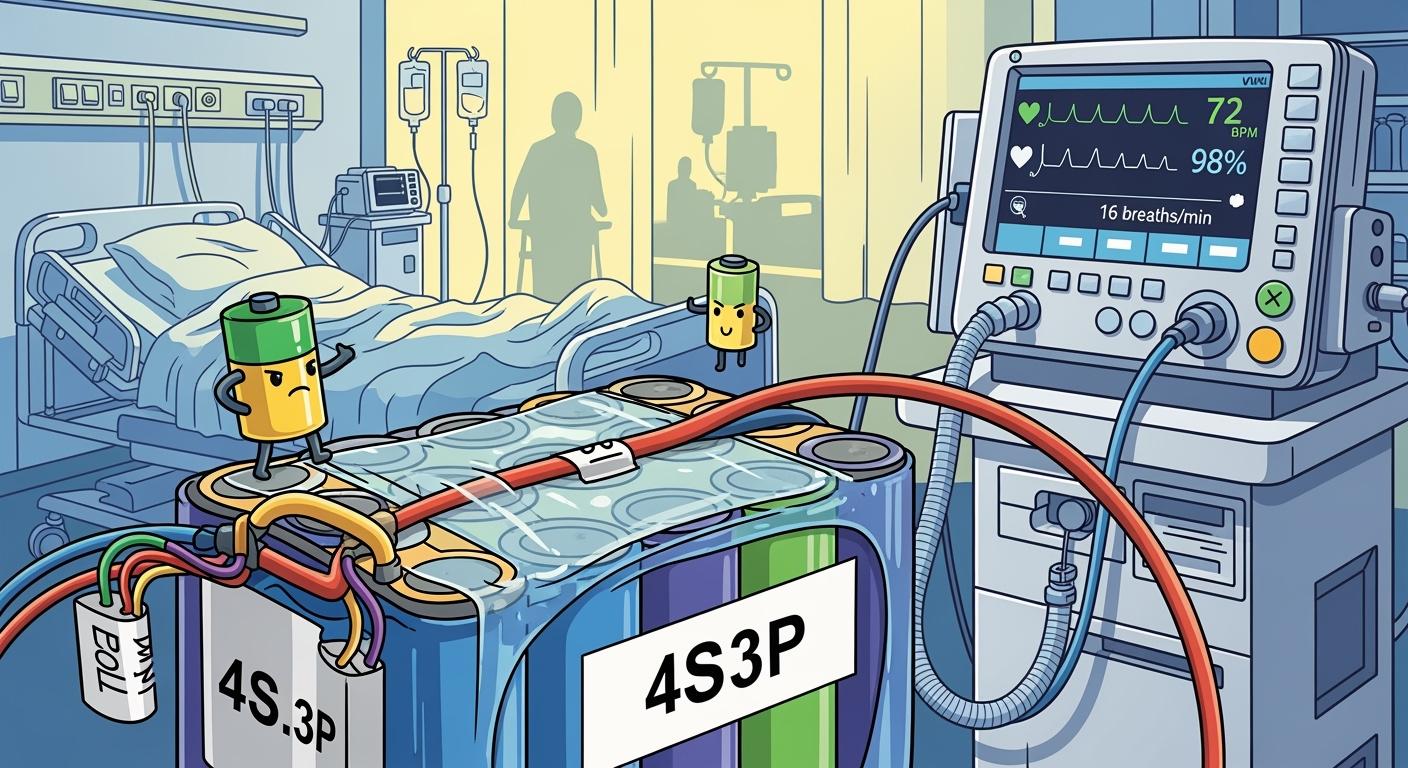
High-safety redundancy in a 4S3P Lithium Battery Solution delivers dependable power for ICU ventilators. Hospitals face a critical need for uninterrupted and safe energy in emergency and intensive care units. Reports highlight that power source issues, such as battery failures and power cord disconnections, remain a leading cause of ventilator-related incidents:
Power source issues rank second in ventilator event data.
Most cases involve failure to power up or battery-related problems.
Standby mode or depleted batteries can trigger alarms and reduce oxygen delivery.
Advanced lithium battery technology, including LiFePO4 chemistry and robust design features, addresses these reliability and safety concerns for life-support equipment.
Key Takeaways
High-safety redundancy in 4S3P lithium batteries ensures continuous power for ICU ventilators, protecting patient care during emergencies.
LiFePO4 chemistry in these batteries offers enhanced safety and longer life, reducing the risk of failures and maintenance costs.
Built-in battery management systems monitor health and prevent issues, ensuring reliable operation of life-support equipment.
Part1: Why Redundancy Matters in ICU Ventilator Power
1.1 Uninterrupted Power for Life Support
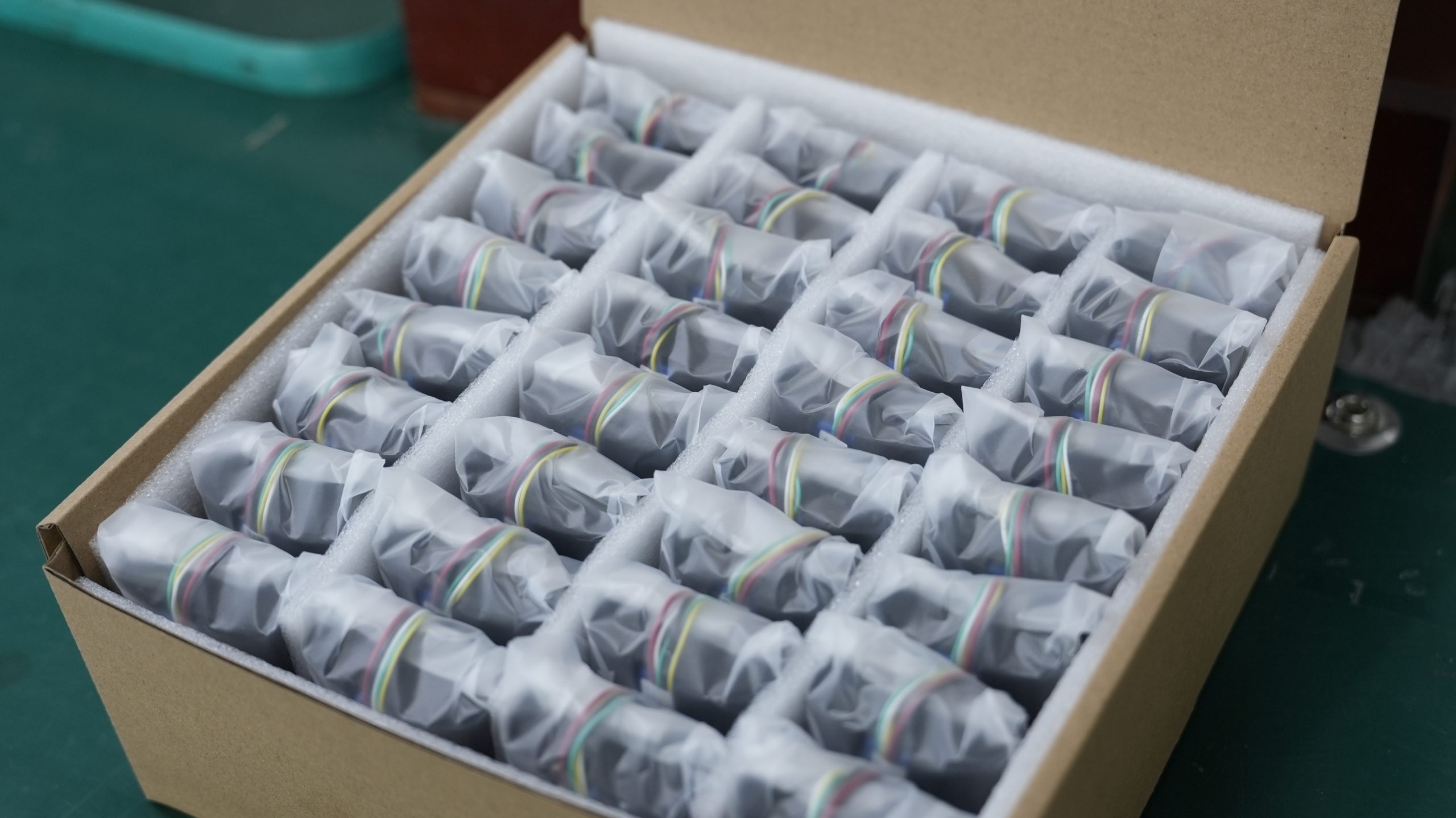
Intensive care units rely on continuous power to keep ventilators running. Any power interruptions can cause ventilators to stop working, which puts patient lives at risk during emergencies. Studies show that when ventilators lose power, patient care suffers immediately. Hospitals must use reliable backup systems to prevent these situations. Battery management systems play a key role in monitoring and maintaining battery health, ensuring that ventilators in intensive care units remain operational even during unexpected outages.
Power interruptions in ICU ventilators can lead to a loss of functioning ventilators, which critically impacts patient care during emergencies.
1.2 Weaknesses of Traditional Battery Packs
Traditional battery packs often fail to meet the demands of modern medical environments. Their limited backup systems and lack of advanced battery management systems make them less reliable. The following table outlines the most common failure modes found in traditional battery packs used in medical ventilators:
Failure Mode | Description |
|---|---|
Mechanical | Deformation from external loads can damage internal components like separators. |
Electrical | Contact between internal parts, often from mechanical stress, causes rapid voltage drops. |
Thermal | Overheating and thermal runaway can occur, leading to dangerous failures. |
Lithium batteries offer several advantages over traditional options:
They have a longer cycle life, reducing the need for frequent replacements.
Their high energy density allows for more power storage in a compact size.
They provide long endurance, supporting ventilator operation for 2 to 12 hours during outages.
Their lightweight design improves portability for emergency use.
They support a higher number of charge/discharge cycles, lowering maintenance costs.
ICU ventilators typically operate on battery backup for:
20.5 to 170.5 minutes, with an average of 80.4 minutes.
For the same model, 5 to 69 minutes, averaging 28.9 minutes.
1.3 Redundancy and Patient Safety
Redundant backup systems directly improve patient safety and device uptime. When hospitals use extra batteries and no-break devices, they can maintain life-supporting equipment during long power interruptions. Nurse reports confirm that during outages lasting over 1.5 hours, intensive care units remained unaffected because of these backup systems. Hospital records show 97 failures in external electricity supply, highlighting the need for reliable battery management systems to protect patients.
Part2: 4S3P Lithium Battery Solution for ICU Reliability
2.1 4S3P Series-Parallel Design
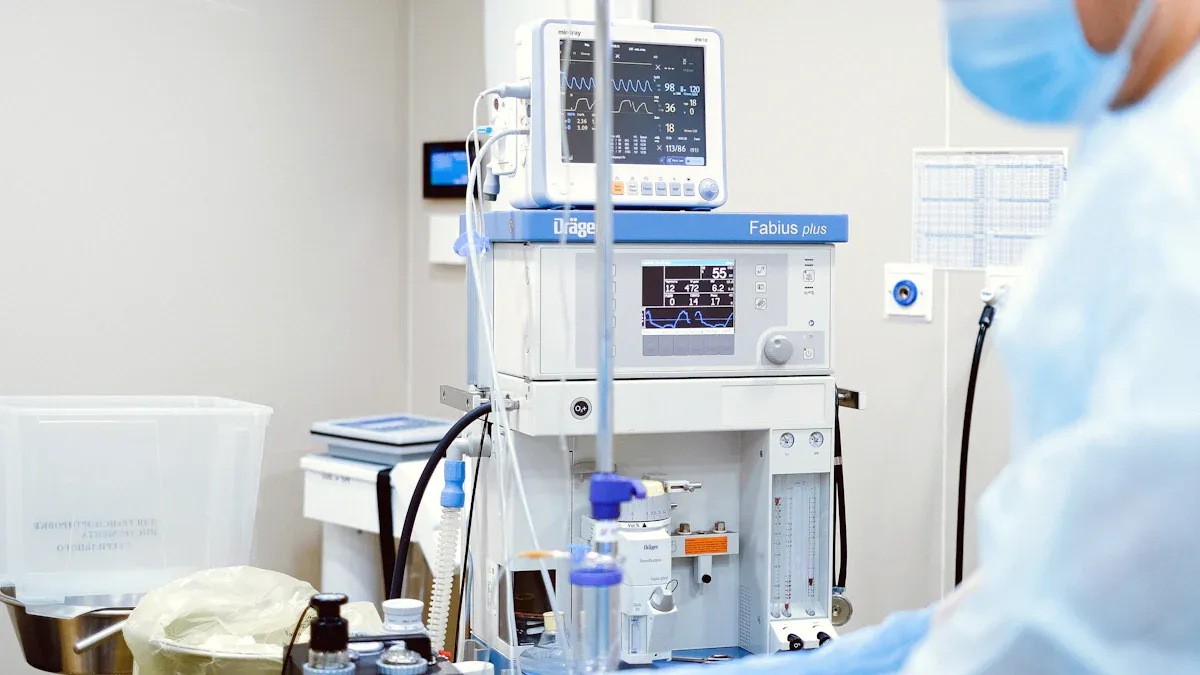
The 4S3P lithium battery solution uses a series-parallel configuration that supports the demanding requirements of medical equipment. This design consists of four cells connected in series, which delivers a nominal voltage of 14.8V. Three parallel strings increase the total capacity, allowing the battery pack to supply extended runtime for critical devices. Hospitals select this configuration for ventilators because it maintains stable voltage and scalable capacity, even during interruptions. The flexibility of the 4S3P structure distinguishes it from other series-parallel designs, which may sacrifice voltage stability or capacity scalability.
Four cells in series provide consistent voltage for medical equipment.
Three parallel strings boost capacity, supporting longer operation during interruptions.
The design enables easy scaling for different medical equipment needs.
Stable voltage output ensures reliable performance for patients in intensive care.
2.2 LiFePO4 Chemistry and 14.8V Output
LiFePO4 (Lithium Iron Phosphate) chemistry stands out among lithium battery solutions for medical equipment. This chemistry offers enhanced safety features, longer cycle life, and a lower risk of fire compared to other lithium-ion chemistries. The 4S3P lithium battery solution delivers a nominal output of 14.8V, which matches the voltage requirements of most medical equipment.
Safety Feature | LiFePO4 Batteries (LiFePO4) | Other Lithium-Ion Chemistries (Lithium-ion) |
|---|---|---|
Thermal Stability | High | Moderate to Low |
Chemical Stability | High | Moderate |
Risk of Fire | Low | High |
Cycle Life | Longer | Shorter |
Environmental Impact | Positive | Negative (due to cobalt) |
LiFePO4 batteries exhibit high thermal and chemical stability, which reduces the risk of thermal runaway and uncontrolled reactions. Their longer cycle life means hospitals replace batteries less often, lowering maintenance costs for medical equipment. The absence of cobalt in LiFePO4 chemistry also supports sustainability and reduces environmental impact.
2.3 Built-In Redundancy and Capacity
Redundancy is a core feature of the 4S3P lithium battery solution. The parallel strings provide backup capacity, ensuring that medical equipment continues to operate even if one string fails. This built-in redundancy protects patients from interruptions in life-support equipment. Hospitals rely on this solution to maintain continuous operation during power outages or unexpected interruptions.
The 4S3P lithium battery solution offers scalable capacity and redundancy, which directly supports patient safety and uninterrupted medical equipment operation.
Redundant parallel strings prevent total failure during interruptions.
Increased capacity supports longer runtime for medical equipment.
Hospitals can customize the solution for different equipment and patient needs.
2.4 Safety Features and Compliance
Safety features are essential for any lithium battery solution used in medical equipment. The 4S3P lithium battery solution integrates a battery management system (BMS) (BMS) that monitors cell health, voltage, and temperature. The BMS prevents overcharging, over-discharging, and overheating, which protects both patients and equipment. Built-in safety features include thermal protection, physical barriers, and compliance with international medical standards.
Battery management system ensures safe operation and extends battery life.
Thermal protection prevents overheating and reduces fire risk.
Physical barriers protect cells from mechanical damage.
Compliance with medical equipment standards guarantees reliability for patients.
2.5 Real-World Application Scenarios
Hospitals deploy the 4S3P lithium battery solution in a wide range of medical equipment, including ventilators, infusion pumps, and portable monitors. These solutions support uninterrupted operation during emergencies, patient transport, and routine care. Medical staff report that equipment powered by the 4S3P lithium battery solution remains operational during extended outages, protecting patients from harm. The solution also finds use in robotics, security systems, infrastructure, consumer electronics, and industrial equipment, where reliability and safety features are critical.
Medical equipment in ICUs relies on the 4S3P lithium battery solution for continuous operation.
Portable ventilators use this solution to support patients during transport and emergencies.
Other sectors, such as robotics and security, benefit from the same safety features and redundancy.
The 4S3P lithium battery solution delivers redundancy and safety, supporting healthcare teams in emergency rooms and medical facilities. Reliable energy solutions protect patient care and vital equipment during blackouts. When selecting batteries for critical equipment in medical settings, healthcare professionals evaluate:
Criteria | Description |
|---|---|
Energy Density | Measures how much power the battery can store relative to its size, affecting operation time. |
Charge Cycles & Longevity | Indicates the number of charge/discharge cycles before capacity degrades, impacting costs. |
Safety & Compliance | Ensures adherence to medical safety standards, crucial for patient safety and regulatory approval. |
Temperature Tolerance | Assesses reliability across temperature ranges, important for emergency scenarios. |
Size & Weight | Influences integration into portable ventilators. |
Cost & Total Cost of Ownership | Considers initial price plus maintenance and operational costs. |
Supply Chain & Support | Evaluates vendor’s ability to provide consistent supply and technical support. |
Innovation & R&D | Looks at investment in new technologies that enhance performance or safety. |
Healthcare leaders consider capacity, safety, portability, compatibility, and maintenance. Clinical engineering expertise, environmental safety, IT, and nursing leadership also guide battery selection. The lithium battery solution includes a 1-year warranty and responsive after-sale service.
FAQ
What makes 4S3P lithium battery packs ideal for portable ventilators in intensive care units?
4S3P lithium battery packs deliver dependable power, redundancy, and built-in safety features. These solutions support portable ventilators, ensuring medical equipment reliability during power interruptions in critical equipment and medical facilities.
How do backup systems in portable ventilators protect patients during blackouts?
Backup systems in portable ventilators use high-quality lithium battery packs with advanced battery management systems. These energy solutions maintain vital equipment operation, supporting patient care in emergency rooms and intensive care units during blackouts.
Why should healthcare providers consult Large Power for portable ventilator battery solutions?
Large Power offers customized high-quality lithium battery packs for portable ventilators. Their solutions feature built-in safety features, redundancy, and compliance. Consult Large Power for tailored solutions.
Chemistry | Voltage (V) | Energy Density (Wh/kg) | Cycle Life (cycles) |
|---|---|---|---|
LiFePO4 | 3.2 | 100–180 | 2000+ |
NMC | 3.7 | 160–270 | 1000–2000 |
LCO | 3.7 | 180–230 | 500–1000 |
Tip: Reliable backup systems in portable ventilators enhance patient care and medical equipment reliability in healthcare settings.


