

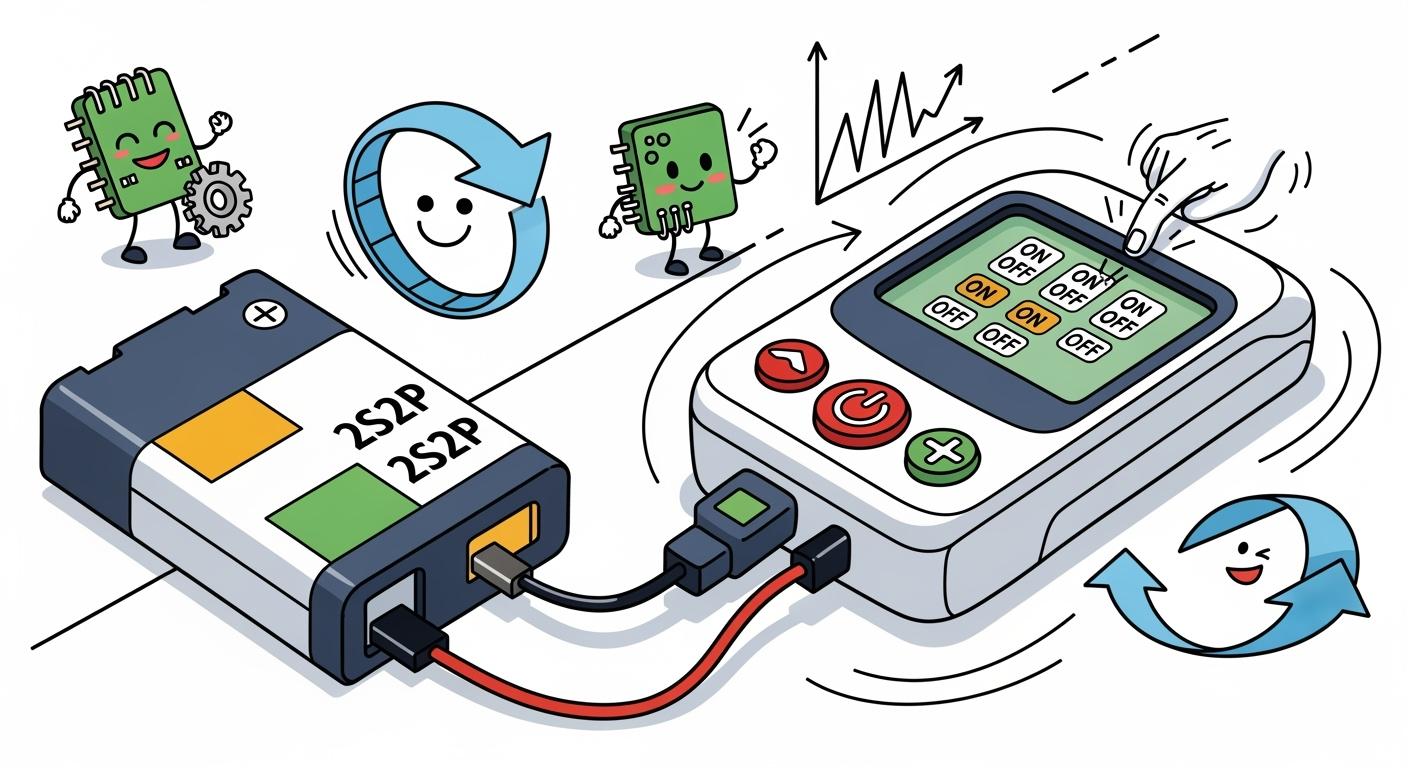
You can extend the cycle life of your 2S2P lithium battery system in medical devices by using targeted strategies. Adjust cutoff voltage, implement dynamic cycling, and control partial charging or discharging. Keep the lithium battery at an optimal state of charge. Prioritize battery management systems for medical battery reliability in demanding medical environments.
Key Takeaways
Optimize battery life by keeping charge levels between 20% and 80%. This practice reduces stress and extends the overall lifespan of your lithium battery.
Implement a robust battery management system. This system monitors battery health and ensures safe operation, preventing issues like overcharging and overheating.
Use dynamic cycling techniques. Varying the depth of charge and discharge reduces mechanical stress on the battery, helping to preserve capacity and enhance longevity.
Part1: Challenges for Lithium Battery System Cycles
1.1 Cycle Degradation in Frequent Start-Stop
You face unique challenges when managing lithium battery cycles in POCT devices. Frequent start-stop cycles accelerate battery degradation. Each cycle stresses the battery’s internal structure. Rapid transitions between charge and discharge states cause microstructural changes. These changes reduce battery reliability and shorten cycle life. You may notice that cycle life drops faster in devices that operate in short bursts. This pattern is common in POCT devices, where you need immediate readiness and quick shutdowns. The battery system endures more cycles in a shorter period, which increases the risk of capacity fade and internal resistance growth. You must monitor cycle count and battery health closely to maintain reliability.
1.2 Stress Factors in POCT Battery Usage
POCT devices operate in demanding environments. You encounter several stress factors that impact battery cycles and reliability:
Temperature variations: High temperatures can boost performance but degrade battery life. Low temperatures reduce capacity and cycle efficiency.
Vibrations: Transport and handling expose devices to vibrations. These vibrations can alter the battery’s structure, affecting reliability and cycle stability.
Charging/discharging rates: High rates can cause lithium dendrite formation. This increases the risk of thermal runaway and reduces cycle life.
You must address these stress factors to optimize battery cycles and reliability. Consistent monitoring and control of environmental conditions help extend battery life. You should also implement robust battery management systems to track cycles and ensure safe operation. By understanding these challenges, you can make informed decisions to maximize the reliability and longevity of your lithium battery systems in POCT devices.
Part2: Battery Optimization Strategies and Best Practices
2.1 2S2P Configuration Benefits
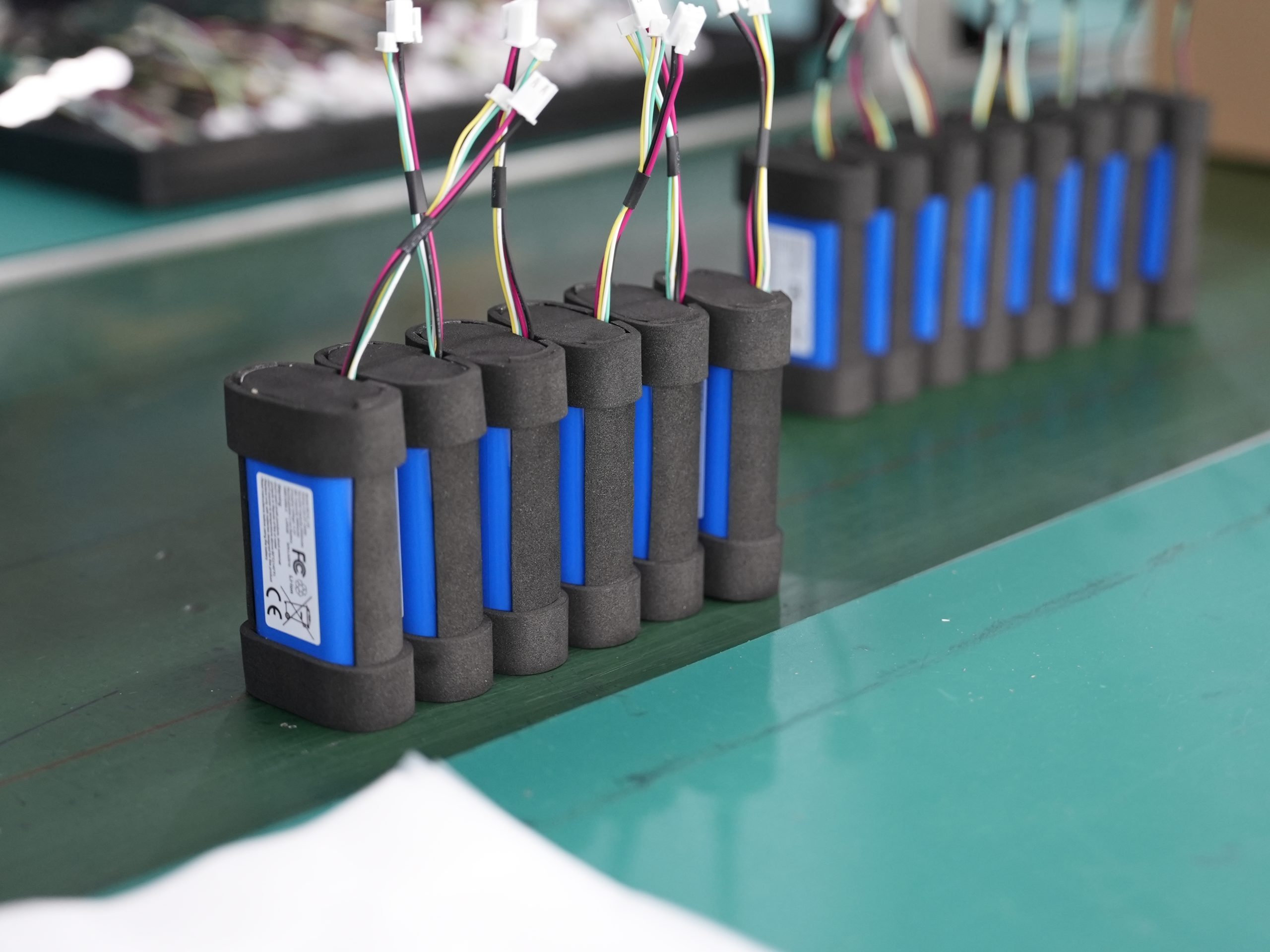
You gain significant advantages by using a 2S2P configuration in your handheld diagnostic devices. This setup connects two lithium-ion battery cells in series and two in parallel. The series connection increases voltage, while the parallel connection boosts battery capacity and current delivery. You achieve greater redundancy, which enhances safety and reliability. If one cell fails, the device can continue to operate, reducing downtime in critical medical environments. The 2S2P configuration also distributes charge and discharge cycles more evenly across cells, which helps extend cycle life and battery longevity. You can optimize battery performance and maintain consistent output, even under frequent start-stop conditions.
2.2 Charge/Discharge Management for Optimization
You must manage charge and discharge cycles carefully to maximize battery life and performance in POCT devices. The following best practices support battery optimization and longevity:
Keep lithium-ion battery charge between 20% and 80% to reduce stress and extend battery life.
Avoid full discharges, as they accelerate capacity loss and reduce cycle life.
Use battery management systems to monitor charge and discharge cycles, ensuring safe operation and optimal battery performance.
Schedule partial charging and discharging routines to minimize deep cycles and preserve battery capacity.
You should implement these strategies in all handheld diagnostic devices to maintain battery health and reliability. Consistent charge and discharge management leads to improved battery longevity and device uptime.
2.3 Cutoff Voltage and State of Charge Control
You can further optimize battery life by adjusting cutoff voltage and maintaining an optimal state of charge. Setting the correct discharge cutoff voltage prevents over-discharge, which protects battery capacity and extends cycle life. The recommended discharge cutoff voltage for 2S2P lithium-ion batteries is 3.0V per cell.
Recommended Discharge Cutoff Voltage | Value |
|---|---|
Per Cell | 3.0V |
You should avoid charging lithium-ion batteries to 100% or discharging them below 20%. This practice reduces stress on the battery and supports long-term performance. By controlling the state of charge, you enhance battery safety and reliability in all devices.
2.4 Dynamic Cycling and Battery Lifetime Enhancement
You can use dynamic cycling to further improve battery longevity. This approach involves varying the depth of charge and discharge cycles instead of using full cycles every time. By alternating between shallow and moderate cycles, you reduce the mechanical and chemical stress on lithium cells. This method slows down battery degradation and preserves battery capacity. You should integrate dynamic cycling routines into your battery management systems for all handheld diagnostic devices. This strategy supports battery optimization and extends the useful life of your lithium-ion batteries.
2.5 Battery Management System Integration
You must integrate advanced battery management systems into your devices to achieve optimal battery performance and safety. These systems provide:
Advanced cell balancing algorithms for even charge distribution.
Real-time monitoring capabilities for voltage, current, and temperature.
Comprehensive protection mechanisms, including overcharge, over-discharge, short circuit, and thermal management.
The BMS needed comprehensive protection features:
Overcharge protection
Over-discharge protection
Short circuit protection
Thermal management
Precise cell balancing for optimal performance
You can learn more about battery management systems and their role in battery optimization. Advanced battery management systems use real-time data and algorithms to monitor battery health. They detect anomalies and optimize charge and discharge cycles, enabling predictive maintenance. This proactive approach minimizes downtime and extends battery life in POCT devices.
2.6 Maintenance and Monitoring for Battery Optimization
You should establish regular maintenance and monitoring routines to maximize battery longevity and safety. Regular monitoring of battery health parameters allows you to collect critical data, such as mass loss, current change, and voltage fluctuation. This data helps you identify trends and potential issues that could impact battery performance and safety. An early warning system can trigger protective measures when abnormalities are detected, preventing dangerous situations and optimizing battery efficiency.
You should schedule routine checks for all handheld diagnostic devices. Use battery management systems to automate data collection and analysis. This approach ensures consistent battery performance, safety, and reliability throughout the device lifecycle.
Tip: Regular maintenance and monitoring not only extend battery life but also support compliance with medical device safety standards.
You can compare battery optimization strategies for POCT devices and other portable medical equipment:
Device Type | Battery Optimization Strategy |
|---|---|
POCT Devices | Often require self-powered systems or energy harvesting techniques due to operational environments. |
Other Portable Medical Equipment | Typically relies on conventional battery technologies. |
Common Focus | Emphasis on miniaturization and energy efficiency, but POCT devices face unique challenges in power supply. |
You should tailor your battery optimization approach to the specific requirements of your devices and operational environment. This ensures maximum battery longevity, safety, and performance for all applications.
You must focus on battery cycle management for every battery in your POCT device. Battery optimization starts with battery charge and battery discharge routines. Battery maintenance ensures battery reliability. Battery performance depends on battery Depth of Discharge, battery State of Charge, and battery Life Cycles. Battery capacity drops if battery cycles are not controlled. Battery capacity loss impacts battery operation. Battery capacity monitoring helps battery longevity. Battery capacity checks prevent battery failure. Battery capacity tracking supports battery safety. Battery capacity management improves battery efficiency. Battery capacity analysis guides battery replacement. Battery capacity data informs battery decisions. Battery capacity records support battery compliance. Battery capacity reviews optimize battery use. Battery capacity insights drive battery strategy.
Checklist for battery optimization:
Monitor battery Depth of Discharge
Track battery State of Charge
Schedule battery maintenance
Analyze battery Life Cycles
Review battery capacity trends
FAQ
What advantages does a 2S2P lithium battery system offer for POCT devices?
You achieve higher voltage and capacity with a 2S2P system. This configuration supports reliable device operation in demanding medical environments.
How do you ensure battery safety in frequent start-stop POCT applications?
You implement advanced battery management systems. These systems monitor temperature, voltage, and current. They help maintain battery safety and prevent failures in critical diagnostic devices.
Which lithium battery chemistries suit POCT devices best?
You often select lithium iron phosphate (LiFePO4) or lithium nickel manganese cobalt oxide (NMC) for POCT devices. These chemistries balance cycle life and safety.
Chemistry | Cycle Life | Safety Level |
|---|---|---|
LiFePO4 | High | Excellent |
NMC | Moderate | Good |


