

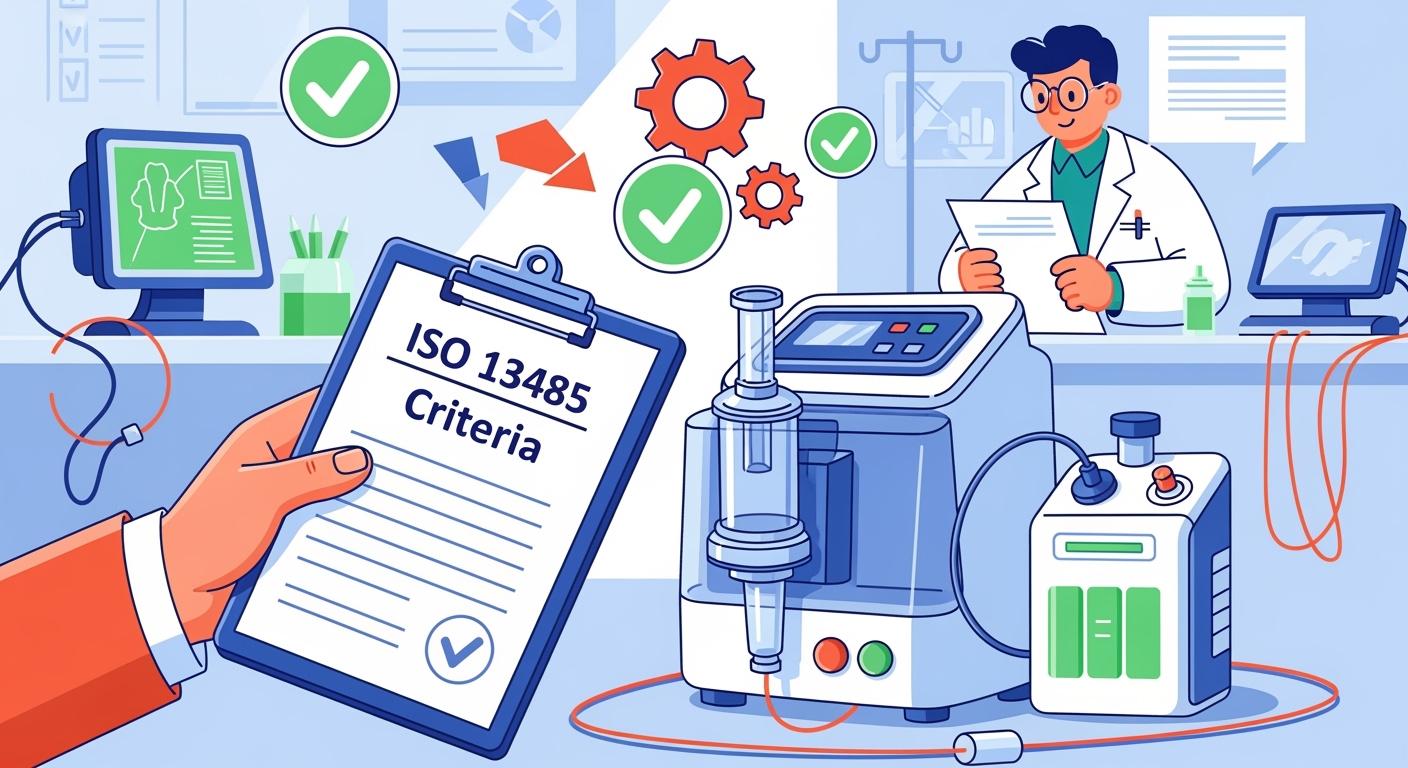
You face a critical decision when choosing an oxygen concentrator battery supplier for your medical devices. ISO 13485 compliance stands as a non-negotiable foundation. This standard increases the likelihood that your devices will meet safety and performance benchmarks required for regulatory approval in major markets. Devices built under ISO 13485 undergo strict design validation and risk management, ensuring consistent performance and patient safety. Selecting the right partner directly impacts your ability to deliver reliable, approved solutions.
Key Takeaways
Prioritize ISO 13485 certification when selecting a battery supplier. This ensures a robust Quality Management System that meets safety and performance standards.
Demand full traceability from suppliers. This allows for quick identification of defects and maintains supply chain integrity, protecting your brand.
Align risk management with ISO 13485 to mitigate regulatory risks. This helps ensure device reliability and safeguards patient safety.
Choose suppliers with a proven track record in medical batteries. Their experience ensures they understand the unique demands of oxygen concentrators.
Evaluate suppliers based on custom solutions and technical support. Strong support can address integration challenges and enhance device performance.
Part 1: ISO 13485 Criteria for Battery Suppliers
1.1 Certification and QMS
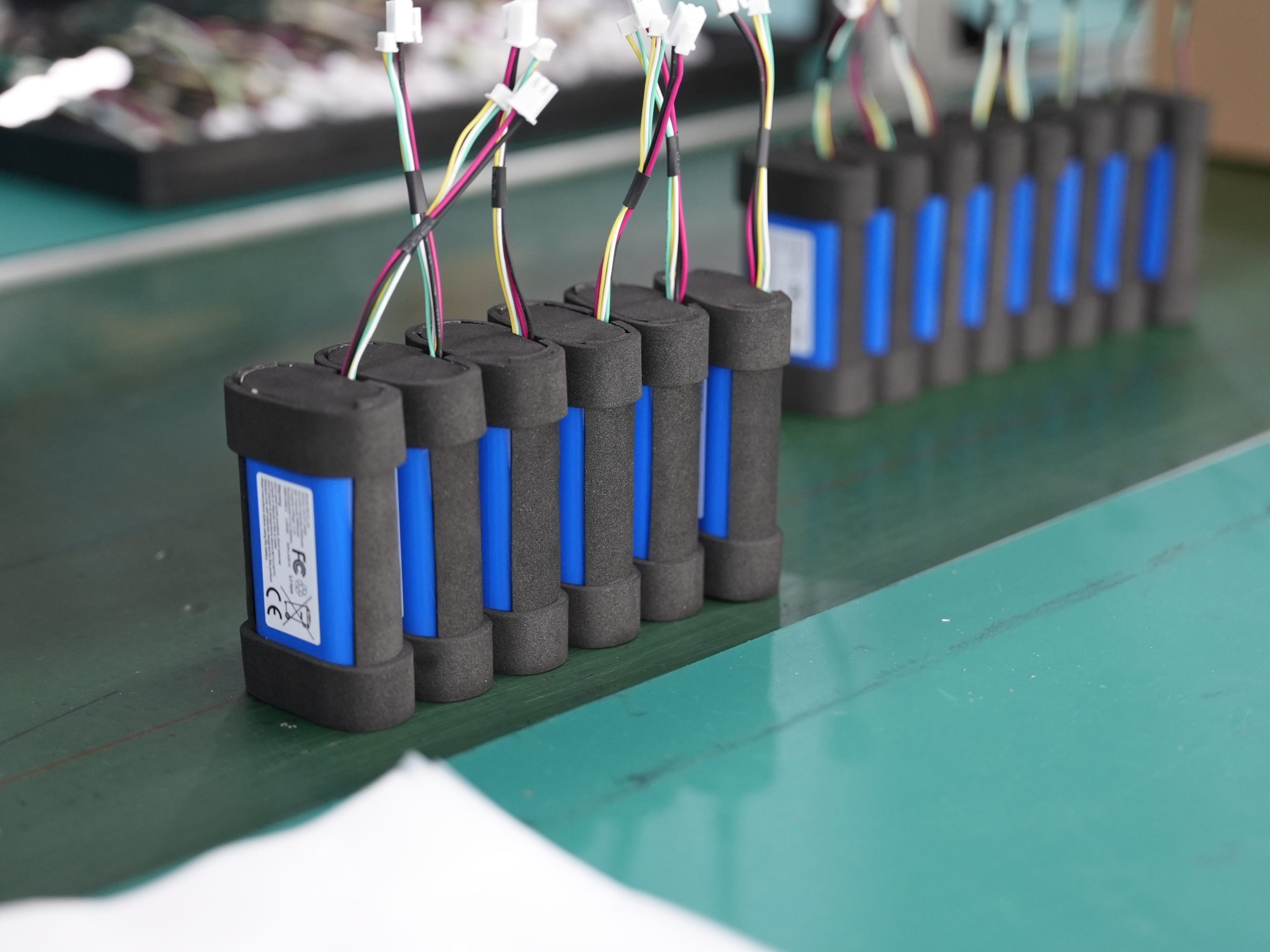
When you evaluate an oxygen concentrator battery supplier, ISO 13485 certification should be your first checkpoint. This certification confirms that the supplier has implemented and maintains a robust Quality Management System (QMS) tailored for medical device manufacturing. You need to see evidence of:
Documented quality management processes
Consistent supply of high-quality lithium battery packs, including LiFePO4, NMC, LCO, and LMO chemistries
Comprehensive testing and validation for product and service quality
Leading suppliers like Aether Biomedical and Inventus Power have achieved ISO 13485 certification for their facilities. Their QMS covers every stage, from design to manufacturing, ensuring that each battery pack meets strict safety and reliability standards. This foundation supports your compliance with FDA 21 CFR and EU Battery Regulation requirements.
1.2 Traceability and Documentation
You must demand full traceability from your oxygen concentrator battery supplier. ISO 13485 requires suppliers to track every component, from raw materials to finished lithium battery packs. This level of documentation allows you to:
Quickly identify and isolate defective batches
Respond rapidly to quality issues and reduce recall risks
Maintain supply chain transparency and integrity
Suppliers should manage design files, validation, and verification records for each battery pack. They must retain documentation to ensure accountability and regulatory readiness. For ethical sourcing, review your supplier’s conflict minerals statement to confirm compliance with global standards.
Tip: Comprehensive traceability not only protects your brand but also builds trust with healthcare providers and patients.
1.3 Risk and Regulatory Alignment
You face significant regulatory risks if you choose a non-compliant supplier. These risks include patient safety concerns, device malfunctions, and market access delays. The table below summarizes the most common regulatory risks:
Regulatory Risk Type | Description |
|---|---|
Safety | Battery failures can lead to patient harm or device malfunction. |
Quality Control | Defects may compromise device safety and reliability. |
Compliance with Standards | Non-adherence to FDA and EU regulations blocks market entry. |
Postmarket Surveillance | Lack of monitoring increases the chance of undetected failures. |
Failure Analysis | Inadequate investigation prevents corrective action and future prevention. |
Top battery suppliers align their risk management with ISO 13485 by using strict controls and thorough documentation. This approach helps you mitigate risks, maintain device reliability, and safeguard public health in critical applications like medical, robotics, and security systems.
Part 2: Evaluating an Oxygen Concentrator Battery Supplier
2.1 Proven Track Record in Medical Batteries
You need a supplier with a strong history in medical-grade lithium battery packs. Experience in the medical sector means the supplier understands the unique demands of oxygen concentrators and other life-critical devices. Suppliers with a proven track record can demonstrate:
Successful delivery of LiFePO4, NMC, LCO, and LMO battery packs for medical, robotics, and security system applications.
Compliance with international standards, such as ISO 13485, and automotive benchmarks like VW 80000 and GMW 16390.
Consistent performance in voltage, energy density, and cycle life, which are essential for reliable device operation.
You should request references and case studies from each oxygen concentrator battery supplier. These documents show how the supplier has solved challenges in real-world medical environments. A supplier with a strong portfolio reduces your risk and increases your confidence in their ability to meet regulatory and operational requirements.
Governing Entity | Standard No. |
|---|---|
Volkswagen | VW 80000 |
General Motors Worldwide | GMW 16390, 3172 |
Stellantis | CS.00056 |
Ford | SDS, TSC3000G |
German Automotive Makers | LV 124 |
This table highlights the standards that top suppliers often meet, demonstrating their commitment to quality and reliability.
2.2 Custom Solutions and Technical Support
Every medical device project has unique requirements. You need an oxygen concentrator battery supplier that offers custom battery solutions and robust technical support. Leading suppliers provide:
Energy solutions with advanced technical characteristics, such as LFP batteries that deliver excellent thermal and chemical stability.
Custom battery pack design, validation, and documentation throughout the device life cycle.
Support for integration, including guidance on advanced battery management systems (BMS). For more on BMS, see Battery Management System (BMS) and PCM.
Note: Advanced BMS technology ensures safe operation, accurate state-of-charge estimation, and protection against overcharge or deep discharge—critical for medical and industrial applications.
During integration, technical support teams help you address challenges such as thermal management, power output consistency, and compliance with regulatory documentation. Suppliers also validate and trace custom battery packs, ensuring you meet both safety and regulatory demands.
Suppliers offer batteries with extended life and stable performance, supporting uninterrupted operation in portable oxygen concentrators.
Technical teams provide rapid troubleshooting and integration support, reducing your time to market.
2.3 Cost, Delivery, and Service
Cost-effectiveness matters, but you cannot sacrifice quality or reliability. You should evaluate each supplier’s pricing structure, but also consider their ability to deliver on time and provide after-sales service. Key factors include:
Transparent pricing with no hidden fees.
Reliable delivery schedules, even for custom battery packs.
Responsive after-sales support, including failure analysis and warranty management.
Tip: Suppliers aligned with ISO 13485 help you manage risk and documentation, which reduces long-term costs related to recalls or regulatory penalties.
You should also consider the regulatory consequences of choosing a non-compliant supplier. Increased scrutiny on product failures and new EU liability directives mean you face greater responsibility for battery safety. Suppliers who maintain strong design controls and risk management help you avoid costly disruptions and protect your reputation.
When you select an oxygen concentrator battery supplier with a strong track record, custom engineering capabilities, and reliable service, you position your devices for success in the medical market.
Part 3: Battery Performance and Device Integration
3.1 Safety and Reliability in Use
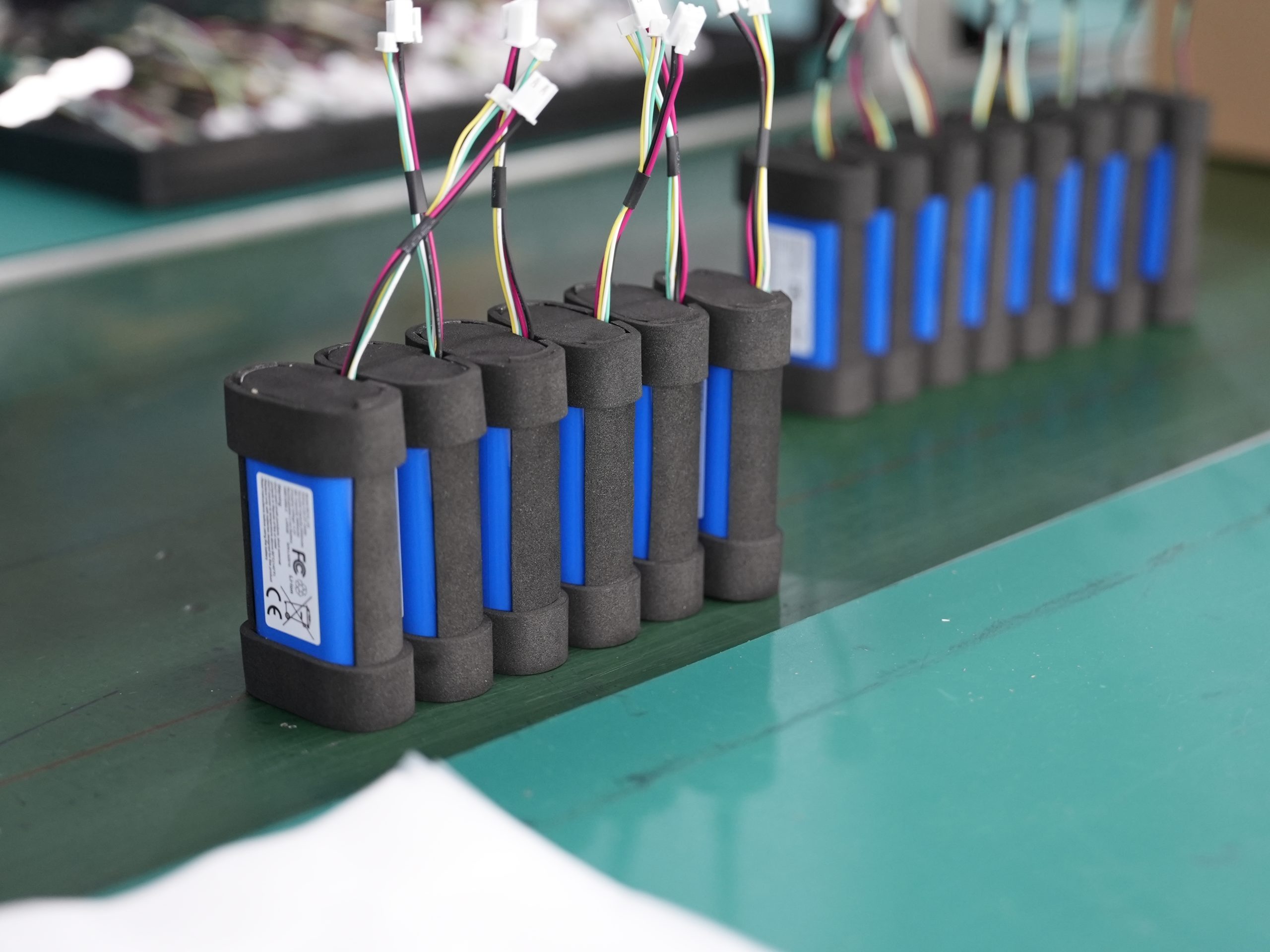
You must prioritize safety and reliability when integrating lithium battery packs into oxygen concentrators. Regulatory bodies require strict adherence to safety standards. The FDA mandates mechanisms that prevent fire propagation through the oxygen outlet, protecting patients during operation. You should select batteries that meet UL and CE certifications, which confirm compliance with fire, electrical, and environmental safety standards.
Certification | Description |
|---|---|
UL | Globally respected seal for fire and electrical safety. |
CE | Indicates compliance with health, safety, and environmental standards in Europe. |
Tip: Always travel with extra batteries fully charged if you expect to be away for more than three hours. Store spare batteries separately to prevent terminal contact.
3.2 Size, Weight, and Portability
You need to consider battery size and weight for device integration. The smallest portable oxygen concentrators weigh 5 lbs or less. For example, the AirSep Focus weighs 1.75 lbs, with each battery at 0.53 lbs. The total weight with two batteries is 2.81 lbs. The AirSep Freestyle weighs 4.4 lbs, and the Activox Pro weighs 4.8 lbs. Lightweight batteries enhance patient usability and device portability. Users can carry these devices in backpacks or shoulder bags, integrating oxygen therapy into daily routines without feeling burdened. You must balance weight and functionality to ensure comfort and performance.
3.3 Battery Life and Environmental Performance
You should evaluate battery life under real-world conditions. Oxygen concentrator batteries typically last from 2 to 12+ hours, depending on usage. Environmental factors such as temperature and humidity impact performance. High humidity can cause moisture buildup in air intake filters, reducing airflow efficiency. Devices in humid environments may require more frequent maintenance, which can indirectly affect battery performance.
Note: For a deeper look at sustainability in lithium battery packs, review our approach to sustainability.
Chemistry | Voltage (V) | Energy Density (Wh/kg) | Cycle Life (cycles) |
|---|---|---|---|
LiFePO4 | 3.2 | 90-160 | 2000+ |
NMC | 3.7 | 150-220 | 1000-2000 |
LCO | 3.7 | 150-200 | 500-1000 |
LMO | 3.7 | 100-150 | 300-700 |
You must select the chemistry that best fits your application scenario, whether for medical, robotics, or security systems. Reliable battery performance ensures uninterrupted operation and patient safety.
You must prioritize ISO 13485 criteria when selecting a lithium battery supplier for oxygen concentrators. Review the key clauses below:
Clause | Description |
|---|---|
7.4.1 | Purchasing process with documented procedures |
7.4.2 | Clear purchasing information and requirements |
7.4.3 | Verification of purchased products |
Follow these steps for supplier evaluation:
Verify battery model and revision.
Request technical datasheets and manuals.
Confirm certifications.
Secure warranty terms.
Review return policy.
Clarify lead times.
Validate sample testing protocols.
Confirm packaging and labeling.
Check MOQ and payment terms.
Secure after-sales support.
Proven supplier experience and technical support drive long-term success. Ongoing compliance monitoring ensures quality and reliability. You safeguard device performance and regulatory approval by making safety, reliability, and compliance your top priorities.
FAQ
What certifications should you require from an oxygen concentrator battery supplier?
You should require ISO 13485 certification. This ensures the supplier maintains a medical-grade quality management system. UL and CE certifications also confirm compliance with fire, electrical, and environmental safety standards.
How do you verify the traceability of lithium battery packs?
Request full documentation for each battery pack, including batch numbers, material sources, and test records. This traceability supports rapid response to quality issues and regulatory audits.
What lithium chemistries work best for medical oxygen concentrators?
LiFePO4 and NMC chemistries offer high cycle life and stable voltage. LiFePO4 provides 3.2V, 90-160 Wh/kg, and 2000+ cycles. NMC delivers 3.7V, 150-220 Wh/kg, and 1000-2000 cycles. Choose based on your device’s energy and longevity needs.
How can you ensure reliable delivery from your supplier?
Set clear expectations for lead times and order quantities. Review the supplier’s history with medical, robotics, and security system clients. Reliable suppliers provide transparent schedules and responsive after-sales support.
What technical support should you expect during device integration?
You should expect guidance on custom battery pack design, battery management systems, and regulatory documentation. Leading suppliers help you address integration challenges and ensure compliance throughout the device lifecycle.


