

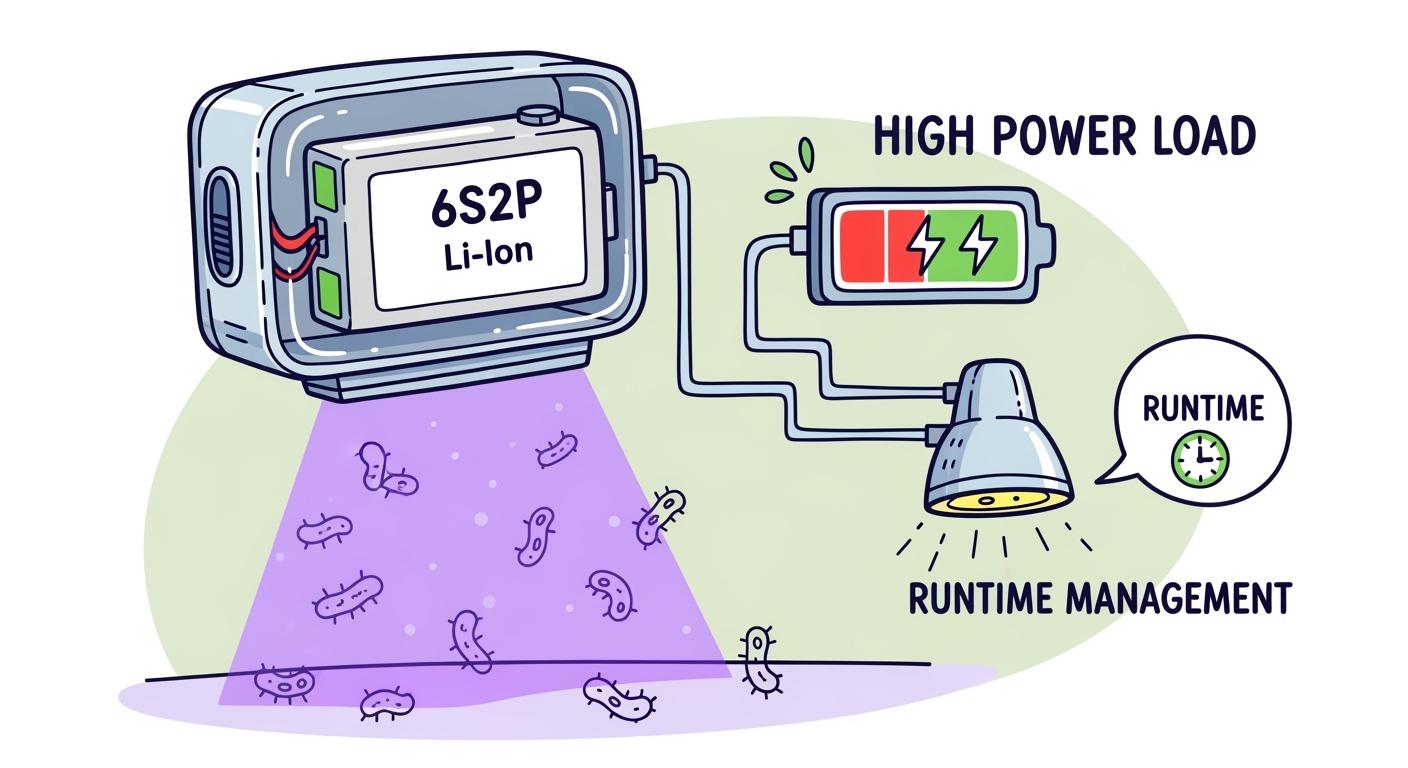
You need a lithium battery solution that delivers both high power and extended runtime for mobile UV sterilization equipment. Lithium battery technology increases portability and energy density, making it the preferred choice for professional applications.
Rechargeable UV sterilization sticks, primarily using lithium-ion batteries, account for about 65% of global sales.
Key Takeaways
The 6S2P lithium battery configuration provides high voltage and extended runtime, making it ideal for mobile UV sterilization equipment.
Choosing the right lithium-ion chemistry, like NMC or LiFePO4, enhances energy density and cycle life, ensuring reliable performance in demanding applications.
Proper safety measures and battery management systems are crucial for maintaining performance and preventing hazards in high-power UV sterilization devices.
Part1: Lithium Battery Solution for UV Sterilizers
1.1 6S2P Configuration Overview
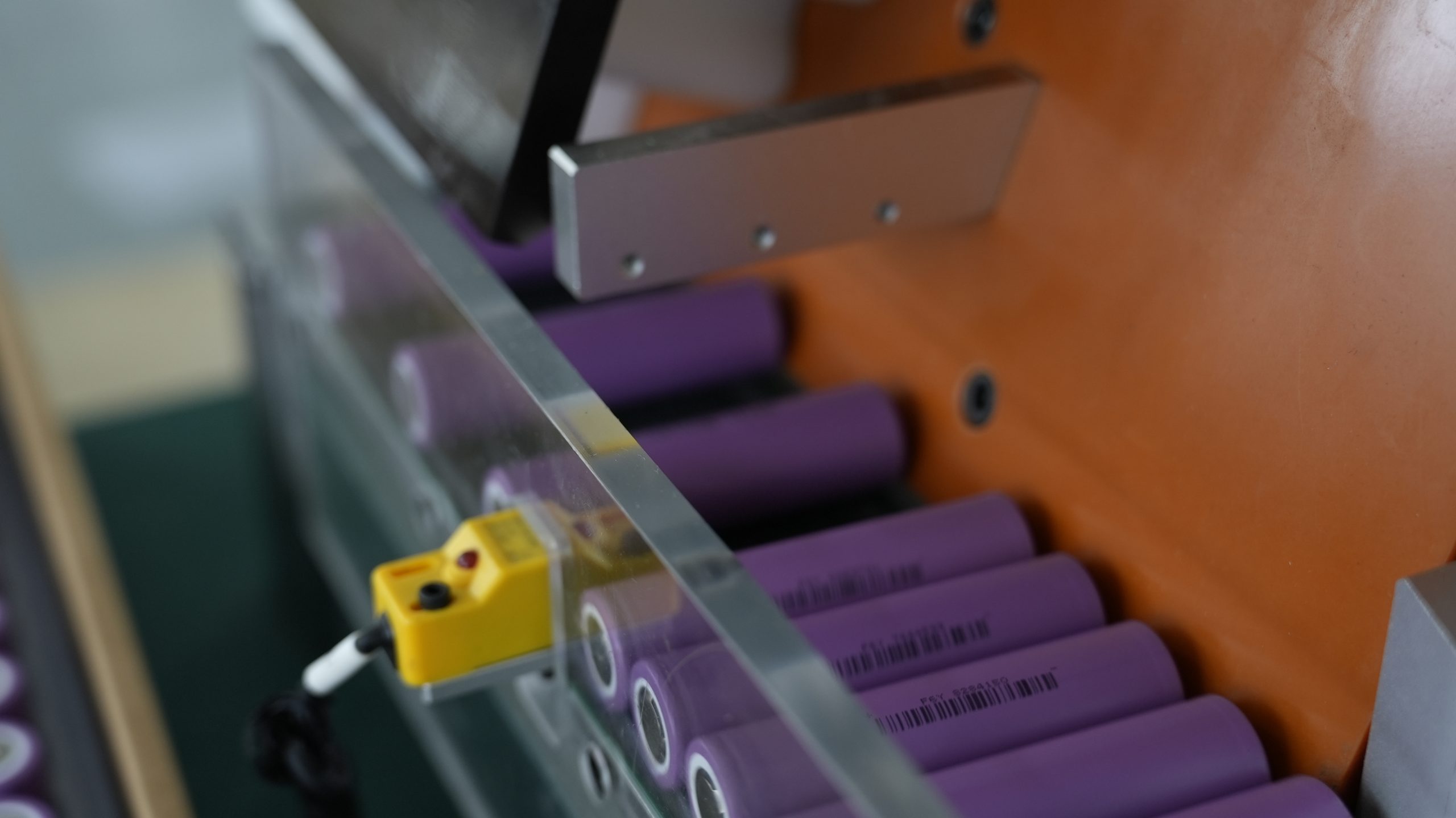
You need a battery configuration that delivers both high voltage and extended runtime for demanding UV-C light applications. The 6S2P lithium battery solution achieves this by connecting six cells in series (6S) to increase voltage, and two strings in parallel (2P) to double the available capacity. This structure supports the high current draw required by mobile UV sterilization equipment.
When you select a lithium battery solution, you must consider the chemistry. The most common lithium-ion chemistries include NMC (Nickel Manganese Cobalt Oxide), LCO (Lithium Cobalt Oxide), LiFePO4 (Lithium Iron Phosphate), LMO (Lithium Manganese Oxide), LTO (Lithium Titanate), and solid-state or lithium metal batteries. Each chemistry offers unique advantages for UV-C light sterilizer applications.
Tip: The 6S2P configuration balances voltage and capacity, making it ideal for portable UV-C light devices used in medical, industrial, and consumer electronics sectors.
Here is a comparison of common lithium battery chemistries:
Chemistry | Platform Voltage (V) | Energy Density (Wh/kg) | Cycle Life (cycles) |
|---|---|---|---|
LCO | 3.7 | 180-230 | 500-1000 |
NMC | 3.6-3.7 | 160-270 | 1000-2000 |
LiFePO4 | 3.2 | 100-180 | 2000-5000 |
LMO | 3.7 | 120-170 | 300-700 |
LTO | 2.4 | 60-90 | 10000-20000 |
Solid-State | / | 300-500 | / |
Lithium Metal | / | 300-500 | / |
You can see that NMC and LiFePO4 offer a strong balance of energy density and cycle life, making them popular choices for mobile UV-C light sterilizer devices.
1.2 Power and Runtime Benefits
You require a lithium battery solution that supports high-power UV-C light output and long operational time. The 6S2P design provides both. By doubling the number of cells in parallel, you increase the total available current, which allows your UV-C light sterilizer to run longer between charges. This is essential for B2B applications where downtime impacts productivity.
You benefit from several advantages when you choose lithium-ion batteries for UV-C light sterilizer equipment:
High energy density enables compact, lightweight designs.
Long cycle life reduces replacement frequency and maintenance costs.
Fast charging supports rapid turnaround in busy environments.
Stable voltage output ensures consistent UV-C light intensity.
Real-world examples demonstrate these benefits. Products like the Larson Electronics portable UV-C light sterilizer, Bio-Wand, and PhoneSoap Go use lithium battery solutions to deliver reliable, high-power UV-C light disinfection. These devices operate in healthcare, hospitality, and industrial settings, where you must maintain strict hygiene standards.
1.3 Application in UV Cell Phone Sterilizer Devices
You see the 6S2P lithium battery solution widely adopted in UV cell phone sterilizer and cell phone sterilizer devices. These products require a compact power source that can deliver strong UV-C light for effective disinfection. The 6S2P configuration meets these needs by providing both the voltage and capacity necessary for portable, high-performance operation.
You can deploy mobile UV-C light sterilizer equipment across a range of B2B scenarios:
Personal hygiene: Disinfect smartphones, keys, glasses, and personal care items to reduce germ transmission.
Travel and hospitality: Sanitize hotel rooms, luggage, and shared amenities to ensure guest safety.
Healthcare: Rapidly sterilize medical tools, patient rooms, and PPE to prevent infections.
Food industry: Clean packaging, utensils, and surfaces in restaurants and food processing plants.
Public spaces and transportation: Disinfect seats, handrails, and touchpoints in buses, trains, and airports.
You gain a competitive advantage by integrating a lithium battery solution into your UV-C light sterilizer products. This approach ensures portability, reliability, and compliance with modern hygiene requirements.
Part2: High-Power Load & Runtime Management
2.1 Handling High Current Loads
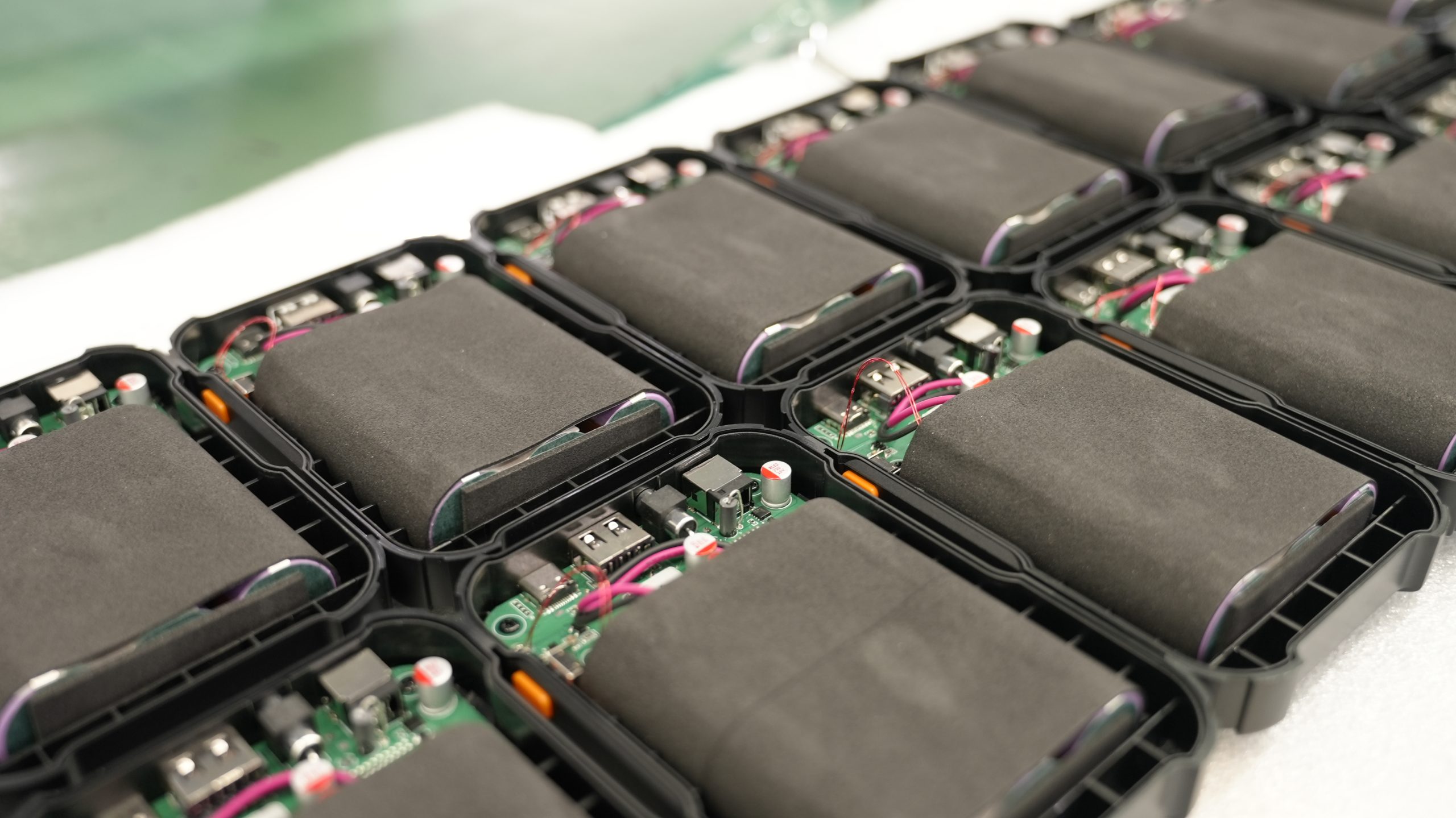
You face significant challenges when powering uv-c light sterilizer equipment. High-power UV lamps demand rapid energy delivery and stable voltage. The 6S2P lithium battery solution meets these requirements by combining six cells in series for higher voltage and two parallel strings for increased current capacity. This configuration supports the intense electrical loads required for germicidal uv applications in medical, industrial, and security sectors.
You must select appropriate wire gauges and connectors to ensure safe operation. Using undersized wires or low-rated connectors can lead to overheating, voltage drops, and safety hazards. The following table outlines recommended specifications for 6S2P lithium battery packs:
Application | Connector Type | Wire Length | Wire Gauge |
|---|---|---|---|
Discharge/Charge | XT90 | 150mm | 10AWG |
Balance Charge | JST XHP-7P | 70mm | 22AWG |
You should always use connectors and wires rated for the maximum expected current. This practice protects your equipment and maintains reliable performance during sanitizing operations. In environments where you need to kill sars-cov-2 or maintain strict hygiene standards, safe and consistent power delivery is essential.
Note: Proper wire and connector selection reduces the risk of electrical faults and supports continuous uv-c light output for disinfecting water, surfaces, and sensitive electronics.
2.2 Extending Runtime with Parallel Design
You need extended runtime for mobile uv-c light sterilizer devices, especially in B2B settings such as hospitals, robotics labs, and infrastructure maintenance. The parallel design in a 6S2P configuration doubles the available capacity, allowing your equipment to operate longer without interruption.
When you deploy a cell phone sterilizer or other portable uv-c light device, the parallel arrangement ensures that each cell shares the load. This reduces stress on individual cells and improves overall battery lifespan. For example, a 6S2P pack using NMC cells with 3,000mAh each delivers a total capacity of 6,000mAh at a nominal voltage of 22.2V. You can expect several hours of continuous operation, depending on the power draw of your uv-c light source.
Tip: You can optimize runtime by selecting battery chemistries with higher energy density, such as NMC or LiFePO4. These options provide longer service intervals and reduce downtime for sterilizer equipment in industrial and medical environments.
You should monitor runtime closely in applications like disinfecting water or maintaining hygiene standards in public spaces. Consistent uv-c light output ensures effective sanitizing and supports compliance with health regulations.
2.3 Safety and Battery Management
You must prioritize safety when operating high-power lithium battery packs. Advanced battery management systems (BMS) play a critical role in protecting your equipment and personnel. A robust BMS monitors voltage, current, and temperature in real time, preventing hazardous conditions and extending battery life.
The following table summarizes essential safety features and recommended specifications for 6S2P lithium battery packs:
Safety Feature | Function | Recommended Specification | Benefit |
|---|---|---|---|
Overvoltage Protection | Prevents cells from exceeding safe voltage limits | ±10mV accuracy, 3.65V–4.2V range | Reduces risk of electrolyte breakdown and fire |
Undervoltage Protection | Stops discharge when voltage drops too low | 2.8V–3.0V cutoff, hysteresis control | Prevents irreversible cell damage and sulfation |
Overcurrent Protection | Interrupts circuit during excessive load | Programmable threshold (50A–100A) | Protects wiring, connectors, and cells from overheating |
Temperature Monitoring | Tracks cell and BMS temperature in real time | Dual NTC sensors, -20°C to +85°C | Enables dynamic load adjustment and shutdown if overheated |
Short Circuit Protection | Responds within microseconds to direct shorts | <500μs response time | Prevents catastrophic energy release |
You should follow best practices for maintenance to ensure optimal performance and safety:
Monitor State of Charge (SOC): Keep the battery between 20% and 80% for daily use.
Prevent Deep Discharge: Never fully drain the battery to avoid damage.
Avoid Overcharging: Do not leave the battery at 100% charge for long periods.
Temperature Control: Store the battery in a cool, dry environment (15°C to 25°C).
Regular Inspections: Check for physical damage and ensure the BMS is functioning.
Use Compatible Chargers: Always use a charger designed for the specific voltage and chemistry.
Long-Term Storage: Charge to around 50% if storing for more than a few weeks.
You can deploy 6S2P lithium battery packs in a wide range of B2B scenarios, including medical sterilizer carts, robotics platforms, and infrastructure maintenance tools. Reliable safety features and proper maintenance support continuous uv-c light operation, effective sanitizing, and compliance with hygiene standards.
Alert: Always use certified components and follow manufacturer guidelines to minimize risk and maximize the lifespan of your lithium battery solution.
You gain optimal power and runtime with the 6S2P lithium battery solution for mobile UV sterilization equipment. B2B users benefit from reliability, portability, and reduced maintenance.
Lithium battery adoption in mobile UV sterilization equipment continues to rise.
Modern devices deliver 30–50 sterilization cycles per charge.
Request a custom lithium battery pack consultation here.
FAQ
What advantages does the 6S2P lithium battery pack offer for B2B UV sterilization equipment?
You gain higher voltage, extended runtime, and robust current delivery. This configuration supports demanding applications in medical, robotics, security, and industrial sectors.
How do LiFePO4, NMC, and LCO chemistries compare for mobile UV-C devices?
Chemistry | Energy Density (Wh/kg) | Cycle Life (cycles) | Typical Use Case |
|---|---|---|---|
LiFePO4 | 90–140 | 2000–4000 | Medical, infrastructure |
NMC | 180–220 | 1000–2000 | Robotics, industrial |
LCO | 150–200 | 500–1000 | Consumer electronics |
Where can you request a custom lithium battery pack for your UV-C sterilizer project?
You can request a custom solution from Large Power. Contact our battery experts here.


