

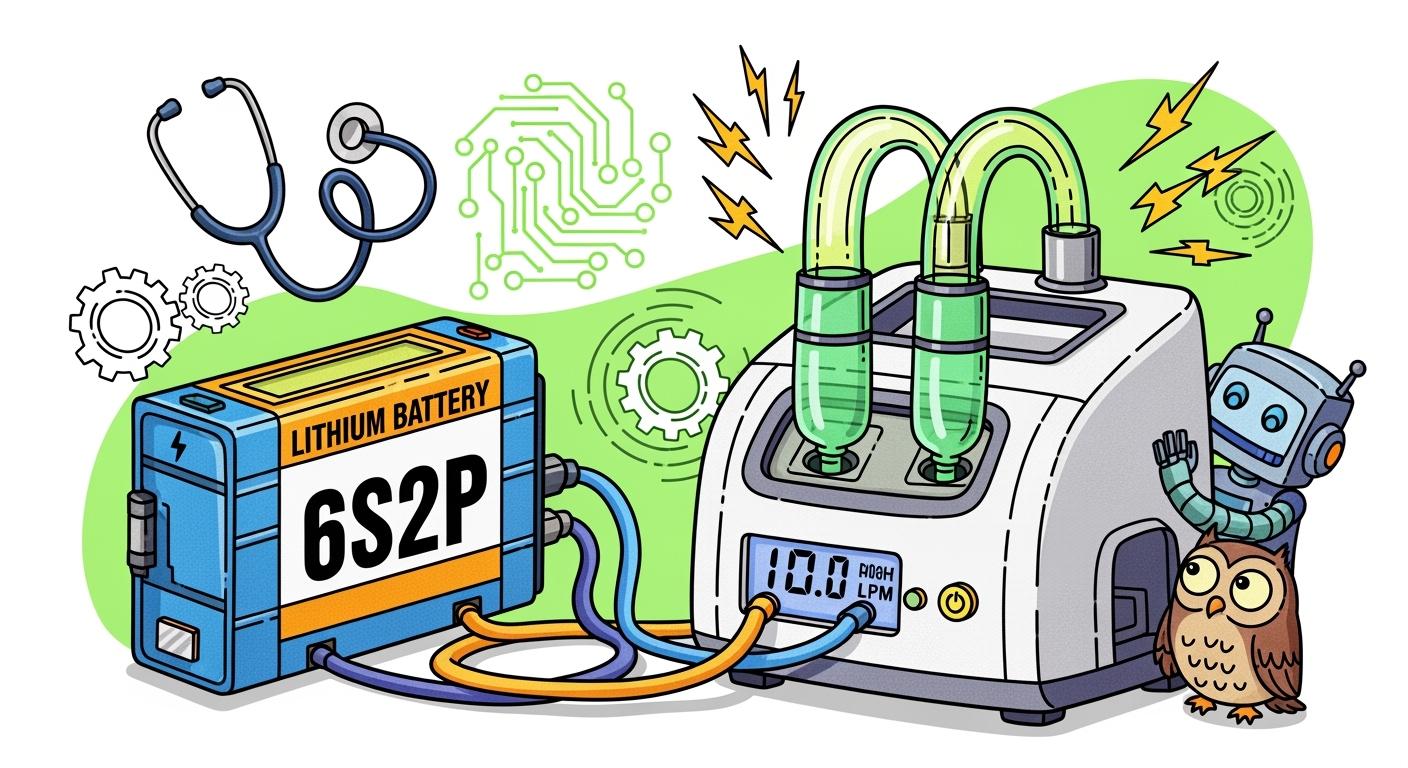
You need a Lithium Battery Solution that excels in energy density, safety, and industry compliance for high-power dual-flow oxygen concentrators. Your devices demand long runtime, lightweight design, and reliable operation. The table below highlights key reliability metrics essential for medical battery applications:
Reliability Metric | Description |
|---|---|
Capacity | Measures the total charge a battery can hold, crucial for performance. |
Thermal Stability | Assesses how well the battery can maintain performance under temperature variations. |
Cycle Life | Indicates the number of charge/discharge cycles a battery can undergo before capacity significantly degrades. |
Real-world Stress Testing | Evaluates battery performance under actual usage conditions to ensure reliability. |
Battery chemistry impacts longevity.
Temperature control ensures consistent performance.
Quality components and proper usage patterns maximize efficiency.
Key Takeaways
6S2P lithium batteries provide high energy density, allowing oxygen concentrators to run longer between charges. This reduces downtime for patients and healthcare providers.
The lightweight design of 6S2P batteries enhances portability, making it easier for medical teams and patients to transport oxygen concentrators without added strain.
Robust safety features, including advanced battery management systems, ensure reliable operation and compliance with medical standards, protecting both patients and devices.
Part1: Performance of 6S2P Lithium Battery Solution
1.1 Energy Density and Runtime
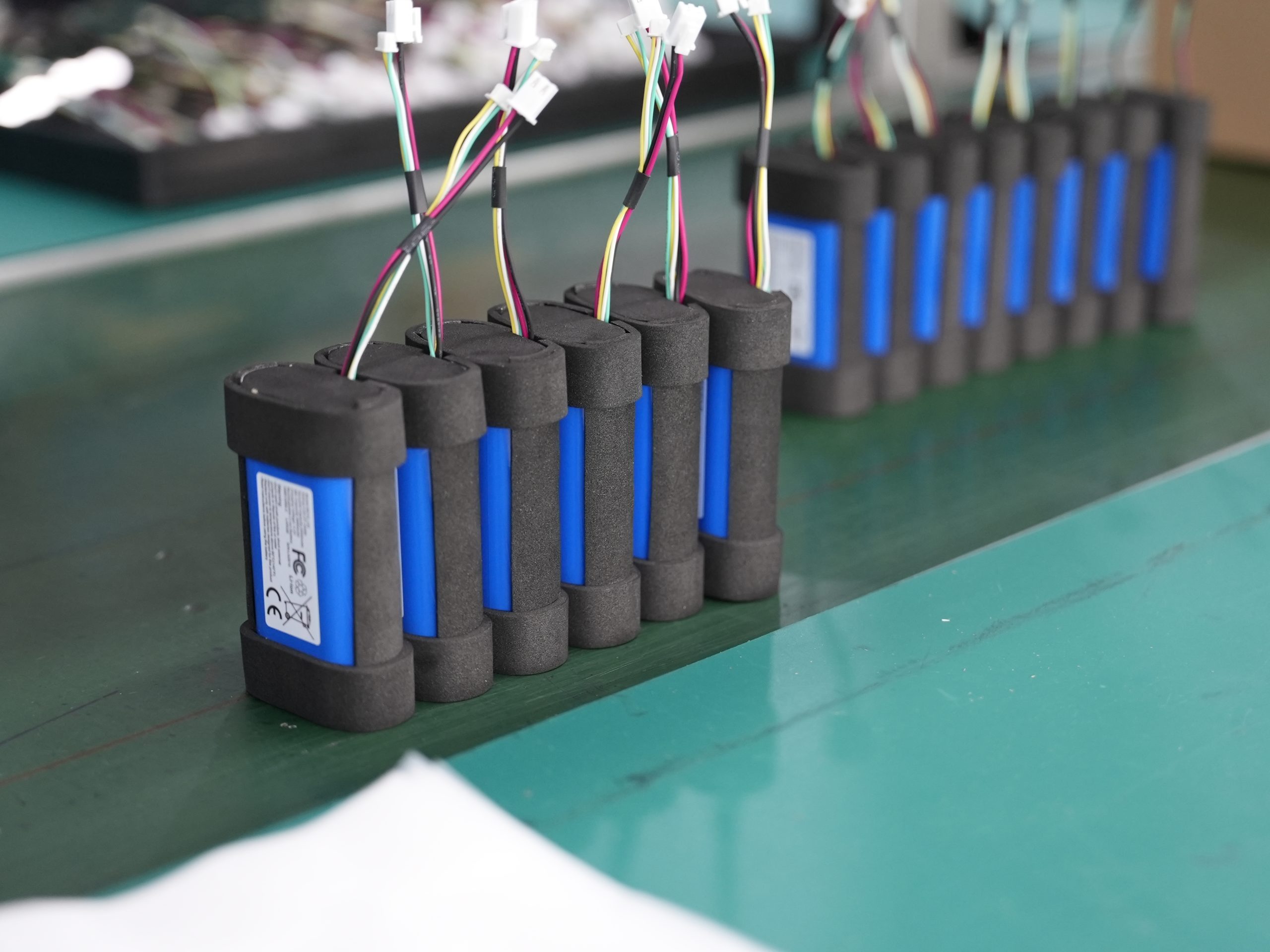
You need a battery that delivers high energy density to support uninterrupted oxygen therapy. The 6S2P lithium battery solution stands out in medical device applications. It provides an energy storage density of approximately 1000 kJ/kg, which exceeds the performance of many alternative battery chemistries. This high energy density allows your oxygen concentrator to run longer between charges, reducing downtime for patients and healthcare providers.
You benefit from extended runtime, which is critical for dual-flow oxygen concentrators in clinical and home settings.
The custom pack design ensures that the battery fits seamlessly into compact medical devices, maximizing available space without sacrificing capacity.
When you compare energy density across common battery solutions, the advantages become clear:
6S2P lithium battery solution: ~1000 kJ/kg
Nickel-metal hydride (NiMH): ~300 kJ/kg
Lead-acid: ~150 kJ/kg
This performance difference means you can rely on your device for longer periods, even under demanding conditions.
1.2 Portability and Lightweight Design
Portability matters in medical environments. You want a lithium battery solution that keeps your device light and easy to transport. The 6S2P configuration achieves this with a compact form factor and low weight.
Specification | Value |
|---|---|
Capacity | 22.2V 10Ah |
Size | 22122149mm |
Weight | 0.9kg |
You can carry and install these batteries with minimal effort. The lightweight design supports mobile medical teams and patients who need oxygen therapy on the go. Compact batteries also simplify device integration, allowing you to maintain ergonomic standards and reduce strain for users.
Tip: Choosing a lithium battery solution with optimized size and weight improves both patient comfort and device usability.
1.3 Power Output for Dual-Flow Needs
Dual-flow oxygen concentrators require stable and high power output. You need a lithium battery solution that delivers consistent voltage and current, even during peak demand. The 6S2P configuration supports dual-flow operation by providing reliable power for simultaneous oxygen delivery to two patients or high-output therapy modes.
You must also consider regulatory requirements. The FAA limits portable medical device batteries to 160 Wh for air travel. The 6S2P lithium battery solution meets this standard, ensuring your device remains compliant and safe for transport. This compliance allows you to deploy oxygen concentrators in diverse settings, including hospitals, clinics, and remote care environments.
You gain flexibility in application scenarios, from emergency response to home healthcare.
The robust power output ensures uninterrupted therapy, supporting patient safety and clinical efficiency.
Part2: Safety and Reliability in High-Power Use
2.1 Built-In Protections and Battery Management
You need robust safety features in every Lithium Battery Solution for high-power medical devices. Advanced protection circuits and a reliable battery management system (BMS) form the backbone of safe operation. The BMS monitors each cell and the entire pack in real time. It prevents overcharge, overdischarge, and thermal runaway—critical risks in high-power applications.
The following table outlines the essential safety features you should expect in a modern 6S2P lithium battery pack:
Safety Feature | Function | Recommended Specification | Benefit |
|---|---|---|---|
Overvoltage Protection | Prevents cells from exceeding safe voltage limits | ±10mV accuracy, 3.65V–4.2V range | Reduces risk of electrolyte breakdown and fire |
Undervoltage Protection | Stops discharge when voltage drops too low | 2.8V–3.0V cutoff, hysteresis | Prevents irreversible cell damage and sulfation |
Overcurrent Protection | Interrupts circuit during excessive load | 50A–100A programmable threshold | Protects wiring, connectors, and cells |
Temperature Monitoring | Tracks cell and BMS temperature in real time | Dual NTC sensors, -20°C to +85°C | Enables dynamic load adjustment and shutdown |
Short Circuit Protection | Responds within microseconds to direct shorts | <500μs response time | Prevents catastrophic energy release |
You gain peace of mind knowing that your battery packs will respond instantly to abnormal conditions. These protections help you avoid costly downtime, device failures, and safety incidents. The BMS also extends battery life by ensuring optimal charge and discharge cycles.
Note: Always verify that your supplier includes these protections in every battery pack. This step is essential for medical device reliability and patient safety.
2.2 Compliance with Medical and Transport Standards
You must meet strict international standards when deploying lithium battery packs in medical devices. Regulatory compliance ensures that your products are safe for both patients and operators. It also allows you to transport devices globally without legal or logistical barriers.
The table below summarizes the most relevant certifications for 6S2P lithium battery solutions:
Certification | Relevance |
|---|---|
IEC 62133 | Lithium battery safety standards for medical devices |
UL 2054 | Safety standards for battery solutions |
UN 38.3 | Transport safety for lithium batteries |
UL 9540A | Required for some energy storage applications |
You should always request documentation for these certifications from your battery supplier. Compliance with IEC 62133 and UL 2054 demonstrates that your Lithium Battery Solution meets the highest safety benchmarks. UN 38.3 certification ensures that you can ship your devices by air, land, or sea without delays or additional testing.
Tip: Regulatory compliance not only protects your business but also builds trust with healthcare providers and end users.
2.3 Consistent Performance Under High Load
You rely on stable performance, especially when your devices operate under heavy demand. High-power dual-flow oxygen concentrators draw significant current, which can stress lesser battery packs. The 6S2P configuration delivers consistent voltage and current, even during peak usage.
Key factors that support reliable operation include:
High-quality cells with matched capacity and resistance
Advanced BMS algorithms that balance cells and manage thermal loads
Real-world stress testing to validate performance under simulated clinical conditions
You minimize the risk of unexpected shutdowns or voltage drops by choosing a battery pack designed for high-load scenarios. This reliability ensures uninterrupted oxygen therapy, which is vital for patient outcomes and clinical workflows.
Callout: Consistent performance under load is not optional in medical applications. It is a requirement for patient safety and regulatory approval.
By prioritizing safety, compliance, and reliability, you ensure that your medical devices deliver the performance and trust your clients expect.
You gain a competitive edge with 6S2P lithium battery solutions for high-power dual-flow oxygen concentrators. These packs deliver strong energy density, safety, and regulatory compliance. Manufacturers ensure quality with strict SOPs and expert teams. You benefit from reliable service support and robust environmental features:
Feature | Description |
|---|---|
High Capacity and Energy Density | NCA chemistry provides substantial energy storage in a compact form, advantageous for space-constrained applications. |
Low-Temperature Charge Capabilities | NCA can perform efficiently in cold conditions, ensuring reliability in diverse climates. |
Good Cycle Life and Reliability | Known for strong cycle life under moderate usage, ensuring a stable and durable power solution. |
For tailored solutions, click here for custom battery consultation.
FAQ
What advantages do 6S2P lithium battery packs offer for dual-flow oxygen concentrators?
You gain higher energy density, longer runtime, and stable power output. These packs meet strict safety and transport standards, making them ideal for medical and industrial applications.
How does Large Power ensure compliance with international battery regulations?
Large Power provides certified lithium battery packs. You receive documentation for IEC 62133, UL 2054, and UN 38.3.
Can you customize lithium battery solutions for specific medical device requirements?
Yes. You can work with Large Power to design custom lithium battery packs. Solutions address voltage, capacity, and size needs for high-power medical devices.


