

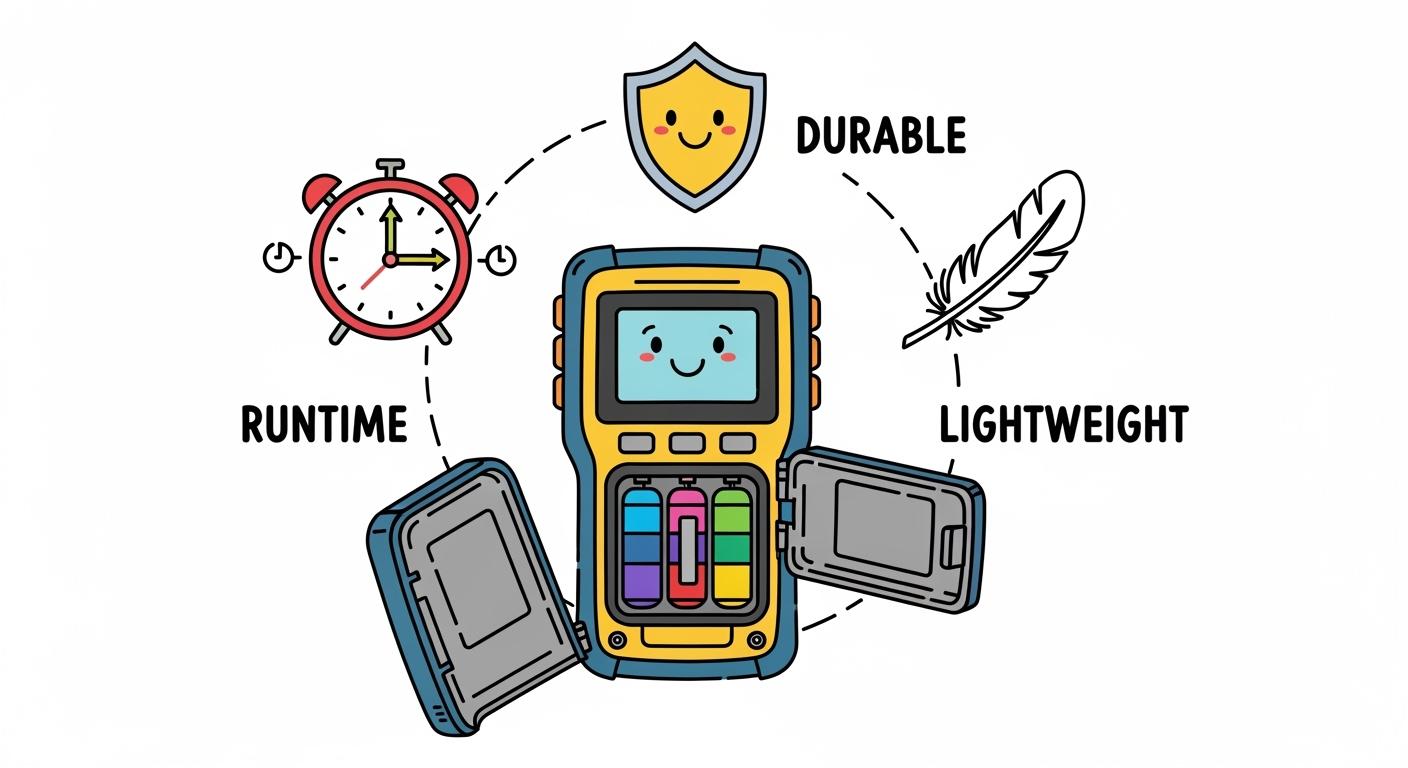
You face unique challenges when you approach battery pack design for handheld inspection devices. High energy density and compact size let you maximize runtime without adding unnecessary bulk. In industrial and medical environments, ergonomic design and proper weight distribution improve comfort and reduce fatigue, which boosts user performance. When you select the right lithium battery system, you enhance both reliability and device usability, ensuring your inspection tools deliver consistent results in demanding sectors.
Key Takeaways
Balance runtime and weight to enhance user comfort and device usability in handheld inspection devices.
Choose the right lithium battery chemistry to optimize energy density, stability, and lifespan for your specific application.
Implement modular battery designs to reduce downtime and improve maintenance efficiency in critical environments.
Utilize effective thermal management strategies to ensure safe operation and extend battery life in demanding conditions.
Adhere to safety standards and perform regular maintenance to ensure reliable performance and user safety.
Part1: Battery Pack Design Trade-offs

1.1 Runtime vs. Weight
You must consider runtime and weight as two sides of the same coin in Battery Pack Design. Longer runtime often requires larger battery packs, which add weight and bulk. This impacts portability and user comfort, especially in handheld inspection devices used in industrial sectors. Larger packs deliver higher current for extended operation, but you face strict limits on size and weight due to ergonomic and regulatory constraints. Total energy capacity, measured in Watt-hours (Wh), determines how long your device can operate. Increasing Wh boosts runtime, but also increases size, weight, and cost. Safety regulations, such as those for air travel, impose limits on Wh, influencing your design decisions.
Evidence Description | Explanation |
|---|---|
Larger battery packs usually deliver higher current for longer durations. | Portable devices face weight and space limitations, necessitating lightweight yet powerful designs. |
Total energy capacity is a key design parameter, measured in Watt-hours (Wh). | Increasing Wh extends runtime but also increases size, weight, and cost, impacting portability. |
Safety regulations impose strict limits on Wh for air travel. | Compliance with these regulations influences the design and capacity of battery packs for portability. |
You need to balance runtime and weight to ensure your device remains comfortable for users during extended operation. This balance directly affects usability and performance in demanding environments.
1.2 Durability Needs
Durability stands as a cornerstone of Battery Pack Design for handheld inspection devices. You must ensure your battery packs withstand frequent use, harsh environments, and accidental drops. Effective thermal management systems maintain optimal operating temperatures and prevent overheating. Uniform temperature distribution across cells increases reliability and extends battery life. Mechanical design plays a crucial role. Robust structural components, shock-absorbing materials, and reinforced casings protect cells from physical damage. You also need to implement failure detection systems and safety mechanisms, such as sensors and emergency shutdown systems, to prevent catastrophic failures.
Thermal management systems maintain optimal temperatures and prevent overheating.
Mechanical design with robust components and shock-absorbing materials protects against physical damage.
Failure detection systems and safety mechanisms ensure reliability and user safety.
Lithium and nickel-based batteries typically endure between 500 and 800 full charge-discharge cycles before experiencing a capacity drop below 80%. Selecting the right chemistry and engineering solutions helps you maximize cycle life and maintain performance over time.
1.3 Balancing for User Demands
You must balance runtime, weight, and durability to meet user demands in Battery Pack Design. Users expect inspection devices to operate for long periods without frequent charging, remain lightweight for easy handling, and withstand tough conditions. In medical and industrial applications, reliability and safety take priority. In robotics and security systems, portability and quick deployment matter most. You need to select the right lithium battery chemistry for your application. NMC or cobalt-rich blends offer higher energy density but shorter cycle life and require careful thermal management. LFP (LiFePO₄) provides excellent cycle life and stability but lower energy density, demanding careful pack design. Specialized or emerging chemistries improve safety and enable thinner designs, but may have specific limitations.
Battery management systems protect against overcharging and overheating, ensuring safety.
Regulatory compliance requires you to meet international safety testing and shipping regulations.
Chemistry selection impacts energy density, cycle life, and safety.
Tip: Always evaluate user needs and application scenarios before finalizing your Battery Pack Design. Balancing these trade-offs ensures your device delivers optimal performance, safety, and reliability in real-world conditions.
Part2: Lithium Battery Technology Choices
2.1 Li-ion vs. Li-polymer
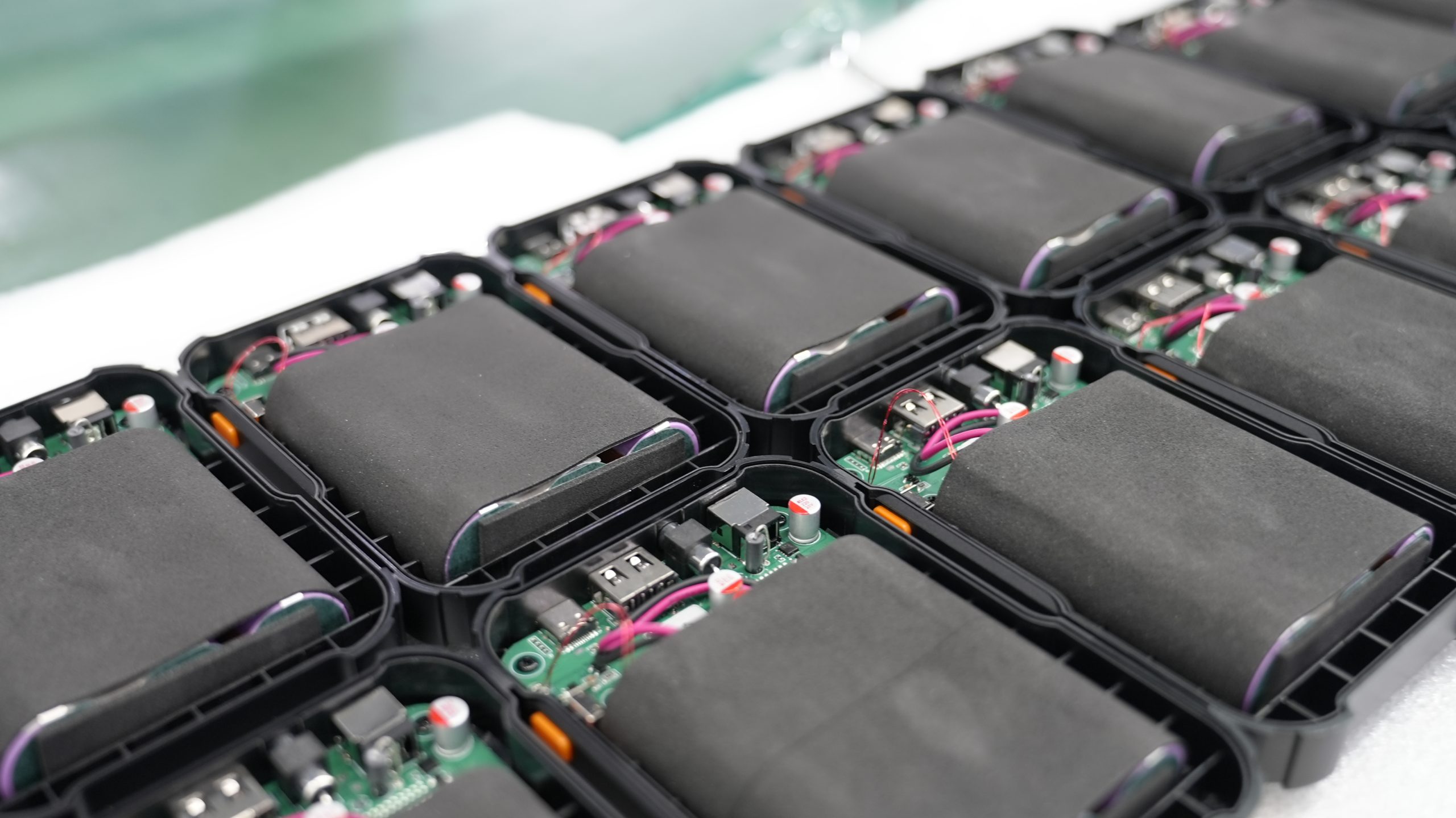
You need to choose between Li-ion and Li-polymer batteries when you design handheld inspection devices. Li-ion batteries offer high energy density and reliable performance, which makes them popular in medical, robotics, and industrial applications. However, Li-ion batteries are more vulnerable to water damage and corrosion. This can lead to shorting, especially in wet or humid environments. Li-polymer batteries, on the other hand, have watertight characteristics. They perform well under vacuum conditions and show only a small drop in capacity after long exposure. In tests, Li-polymer batteries did not deform or leak, even after 35 hours in a vacuum. This makes them a strong choice for inspection devices used in harsh or unpredictable environments, such as security systems or infrastructure monitoring.
2.2 Energy Density & Size
You want your inspection device to be portable and lightweight. High energy density in lithium-ion batteries lets you store more energy in a smaller, lighter battery pack. This is essential for Battery Pack Design in handheld devices, where every gram matters. For example, lithium batteries can reach a specific energy density of 760 Wh/kg at 350 °C, which is three times greater than lead-acid batteries. This advantage supports longer runtime without adding bulk. You see this benefit in consumer electronics, medical tools, and portable robotics, where compact size and extended use are critical.
Specific energy density of 760 Wh/kg at 350 °C (three times greater than lead-acid batteries)
Energy density is three times less than sodium sulfur batteries
Note: When you select batteries, always consider both energy density and the physical size required for your application.
2.3 Chemistry Selection
You must select the right lithium battery chemistry to balance energy density, stability, and lifespan. The table below compares common chemistries used in handheld inspection devices:
Chemistry Type | Energy Density | Stability | Lifespan |
|---|---|---|---|
Lithium Cobalt Oxide (LCO) | High | Moderate | Moderate |
Lithium Manganese Oxide (LMO) | Balanced | Balanced | Moderate |
Lithium Iron Phosphate (LFP) | Moderate | High | Long |
Lithium Cobalt Oxide (LCO) batteries deliver high energy density, which suits devices that need long runtime in a small package, such as medical or consumer electronics. Lithium Manganese Oxide (LMO) offers a balance of performance and safety, making it useful in robotics and security systems. Lithium Iron Phosphate (LFP) stands out for its high stability and long lifespan, which is important for industrial and infrastructure monitoring tools.
You must also consider safety and responsible sourcing. Most lithium battery chemistries are safe when you follow proper care and use procedures. For long-term sustainability, review your supplier’s sustainability practices and conflict minerals statement before finalizing your Battery Pack Design.
Part3: Design Strategies & Integration
3.1 Modularity & Swappable Packs
You can boost the efficiency of handheld inspection devices by using modular and swappable battery packs. This approach lets you replace battery modules quickly, which reduces downtime during maintenance or repairs. For example, in industrial and robotics applications, modularity allows you to keep devices running longer without waiting for charging. Security systems and infrastructure monitoring tools also benefit from rapid battery swaps, which support continuous operation in critical environments.
Advantage | Description |
|---|---|
Maintenance | Modular designs enable quick replacement of components, reducing downtime during maintenance. |
Safety | Advanced designs include features like thermal propagation prevention, enhancing safety during use. |
Performance Optimization | Modular architectures allow for individual cell replacement, maintaining overall pack integrity. |
Modularity allows for rapid component swaps, minimizing downtime during repairs.
The Creaform CUBE-R M Series features modular configurations that enhance operational efficiency.
Increased productivity and reduced operational costs are direct results of modular design.
Tip: You can extend device uptime and lower operational costs by choosing modular battery solutions for your Battery Pack Design.
3.2 Thermal & Physical Layout
You must manage heat effectively to ensure safe and reliable operation of lithium battery packs. Passive thermal management methods, such as thermal insulation and phase change materials, offer simplicity and reliability. In medical and consumer electronics, these methods help maintain safe temperatures without extra power use. Active systems, like miniaturized fans or liquid cooling, provide precise control but may increase energy consumption. Hybrid systems combine both approaches, using smart controls to activate cooling only when needed.
The physical arrangement of cells also affects heat dissipation and safety. Cylindrical cells provide excellent heat dissipation due to their shape, making them the safest choice for most handheld devices. Prismatic cells can trap heat in the center, which raises the risk of overheating. Pouch cells offer moderate heat management but may struggle when packed tightly.
Cell Type | Heat Dissipation Capability | Safety Level |
|---|---|---|
Cylindrical | Excellent | Safest |
Prismatic | Poor | Least Safe |
Pouch | Moderate | Moderate |
Cylindrical cells have better heat dissipation due to their shape and construction.
Prismatic cells can trap heat, especially in the center of a tightly packed arrangement.
Pouch cells, while having a large surface area, face similar heat dissipation challenges when stacked closely.
3.3 Custom Enclosures & Ergonomics
You can improve both durability and user comfort by designing custom enclosures for your battery packs. Custom enclosures protect against physical impacts and harsh environmental conditions, which is important in industrial, infrastructure, and security system applications. Ergonomic design ensures a comfortable fit, making devices easier to operate for long periods in medical and consumer electronics sectors. Features like vents and heat sinks help manage heat, preventing overheating and component failure.
Common enclosure materials include:
Steel: Durable and strong, lower carbon impact, easily repairable, but adds weight.
Aluminum: Lightweight, cost-effective, recyclable, but has high thermal conductivity.
Next-generation thermoplastic: Lightweight and durable.
Glass fiber polypropylene: Reduces weight and offers cost savings while lowering CO2 emissions.
Note: You should select enclosure materials and ergonomic features based on your application’s needs to maximize safety, comfort, and device lifespan.
Part4: Power Management & Safety
4.1 Hardware Power Solutions
You can extend battery runtime in handheld inspection devices by using advanced hardware solutions. A Battery Monitoring System (BMS) plays a critical role in maintaining optimal battery performance and minimizing maintenance needs. Hot-swappable batteries allow you to replace depleted packs without shutting down your device, which is essential for continuous operation in fieldwork or emergency scenarios. Devices should deliver 8–12 hours of usage per charge to meet the demands of long shifts in industrial and medical environments. Fast charging capabilities further reduce downtime, keeping your operations efficient and responsive.
Tip: Choose hardware features that match your operational needs to maximize uptime and productivity.
4.2 Software Optimization
You can reduce power consumption and extend runtime by implementing smart software strategies. The following table summarizes common techniques used in handheld inspection devices:
Technique | Description |
|---|---|
Clock Management | Adjusts clock frequency to optimize power consumption based on workload demands. |
Sleep Mode Implementation | Utilizes various sleep states to minimize power usage during inactivity. |
Memory Access Optimization | Enhances memory access patterns to reduce energy consumption during read/write cycles. |
Peripheral Management | Manages power for peripheral devices by disabling unused components and optimizing communication modes. |
Algorithm Optimization | Improves algorithm efficiency to reduce execution time and CPU cycles, leading to lower power usage. |
You should tailor these techniques to your application, whether you work in consumer electronics, medical devices, or industrial inspection tools. Software optimization works best when combined with robust hardware solutions.
4.3 Safety Standards & Maintenance
You must comply with strict safety standards to ensure reliable and safe operation of lithium battery packs. UN 38.3 testing requirements set protocols for safe shipping and handling, which are especially important for medical device manufacturers before international transport. The following table outlines key standards:
Standard | Description | Key Tests Included |
|---|---|---|
IEC 62133 | International standard for safety of rechargeable batteries. | Overcharge & Forced Discharge, External Short Circuit, Vibration & Mechanical Shock, Temperature Cycling, Molded Case Stress Test |
UN 38.3 | Mandatory for safe transport of lithium batteries. | Altitude Simulation, Thermal Test, Vibration, Shock, External Short Circuit, Impact/Crush, Overcharge, Forced Discharge |
IEC 62133 ensures safety with tests for overcharge, short circuit, and more.
UN 38.3 covers safe transport with requirements for altitude simulation and thermal testing.
Routine maintenance also supports long-term reliability. You should perform visual inspections to detect swelling, leakage, or scratches. Polarity and short-circuit testing verify correct cell orientation and detect internal shorts. Thermal and heat stability testing ensures cells handle charge and discharge cycles without overheating. Monitoring leakage current and internal resistance helps you maintain pack balance and detect hidden defects. Proper insulation prevents accidental short circuits, which is vital for safety in all application scenarios.
Note: Consistent maintenance and compliance with safety standards protect your investment and ensure reliable performance in every sector.
You can achieve the best results in Battery Pack Design by starting early, defining your load profile, and choosing the right lithium chemistry for your application. Prioritize modularity, advanced power management, and robust enclosure design to extend device life and reduce downtime. The table below highlights key aspects for B2B decision-makers:
Aspect | Importance |
|---|---|
Modularity | Upgrade or replace components, extend product lifespan, reduce waste |
Power Management | Enable swappable systems, ensure efficient energy use, improve reliability |
Enclosure Design | Protect devices from environmental factors and physical damage |
Stay informed about new trends, such as artificial intelligence and improved thermal management, to keep your devices reliable and competitive.
FAQ
What factors should you consider when choosing a lithium battery pack for handheld inspection devices?
You should evaluate energy density, weight, runtime, safety features, and compliance with industry standards. Consider your application—medical, robotics, security, or industrial—to select the right chemistry and design for your needs.
How do modular battery packs benefit your business operations?
Modular battery packs let you swap batteries quickly. You reduce downtime and maintenance costs. This approach works well in industrial, robotics, and security system applications where continuous operation is critical.
Why does lithium battery chemistry matter for device performance?
Lithium battery chemistry affects energy density, cycle life, and safety. For example, Lithium Iron Phosphate (LFP) offers long life and stability. Lithium Cobalt Oxide (LCO) provides high energy density. Choose the chemistry that matches your sector’s requirements.
How can you extend the runtime of your handheld inspection device?
You can use advanced power management hardware, such as Battery Monitoring Systems (BMS), and optimize software to reduce energy consumption. Fast charging and hot-swappable packs also help maintain long shifts in medical and industrial environments.
What maintenance steps ensure safe and reliable battery pack operation?
You should perform regular visual inspections, test for polarity and short circuits, and monitor temperature during charging and use. Follow international safety standards like IEC 62133 and UN 38.3 for best results in all sectors.


