

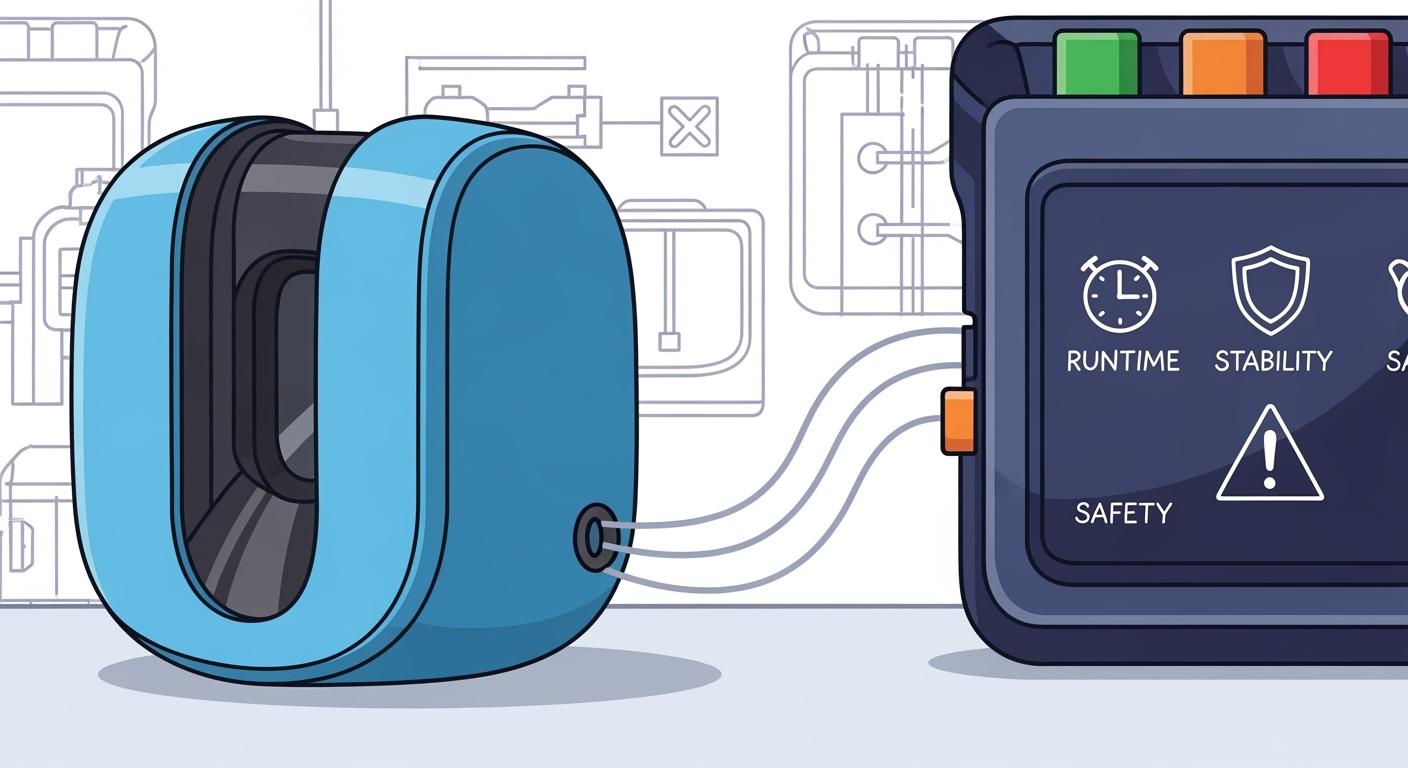
You need reliable battery packs to keep your portable 3D scanners working in the field. Start by choosing the right lithium-ion cell type and plan your cell configuration for the best balance of voltage and capacity. Pay close attention to battery management system (BMS) integration and custom designs that reduce size and weight. Battery swappability matters more than raw capacity, especially when you work in remote areas. Always consider environmental influences and follow safety standards for long-lasting performance.
Key Takeaways
Assess your scanner’s power needs before designing battery packs. Match the battery’s voltage and current to avoid performance issues.
Choose the right battery chemistry. Lithium Iron Phosphate (LFP) offers safety and longevity, while Lithium Nickel Manganese Cobalt (NMC) provides higher energy density.
Integrate a robust Battery Management System (BMS) to regulate voltage and prevent overheating. This enhances safety and reliability.
Design custom battery packs that fit your scanner’s size and weight. A well-designed pack ensures stability and ease of use in various environments.
Regularly test and inspect battery packs for defects. This practice helps maintain performance and safety in critical applications.
Part1: Reliable Battery Packs & Runtime
1.1 Power Needs Assessment
You must start by understanding how much power your portable 3D scanner uses. Different types of scanners have different energy demands. For example, a 3D foot scanner usually needs less power than a full-body scanning mirror. The table below shows typical power consumption ranges for common portable 3D scanners:
Scanner Type | Power Consumption (Watts) |
|---|---|
3D Foot Scanner | 20 – 30 |
3D Body Scanning Mirror | 50 – 100 |
You should always match your battery pack to the scanner’s power requirements. If you design reliable battery packs that deliver the right voltage and current, you avoid performance drops and unexpected shutdowns. This is especially important in fields like medical imaging, robotics, and security systems, where stable operation is critical. You also need to consider the working environment. For example, scanners used in infrastructure inspections or industrial settings may face temperature extremes or vibration, which can affect battery performance.
Tip: Always check the manufacturer’s specifications for your scanner’s voltage and current needs before selecting cells or designing your battery pack.
1.2 Battery Capacity & Chemistry
You need to choose the right battery chemistry and capacity to maximize runtime and safety. Lithium-ion cells, such as the 18650 type, are popular for reliable battery packs because they offer high energy density and long cycle life. You can configure these cells in series to increase voltage or in parallel to boost capacity.
Comparison of Lithium Battery Chemistries
Battery Type | Platform Voltage (V) | Energy Density (Wh/kg) | Safety Features | Lifespan (Cycles) |
|---|---|---|---|---|
NMC (Nickel Manganese Cobalt Oxide) | 3.7 | 190 – 260 | Prone to overheating | 1,000 – 2,000 |
LFP (Lithium Iron Phosphate) | 3.2 | 90 – 130 | Highly stable, resistant to thermal runaway | 3,000 – 6,000 |
NMC batteries provide higher energy density, which means you get more runtime in a smaller package. This is useful for handheld scanners in consumer electronics or compact medical devices.
LFP batteries offer greater safety and a longer lifespan. They are less likely to overheat, making them ideal for industrial, infrastructure, and security applications where reliability is essential.
LFP batteries are recognized for their superior safety due to their stable chemical structure, which minimizes the risk of overheating and fire. In contrast, NMC batteries, while generally safe, can be susceptible to thermal runaway under extreme conditions. This makes LFP a more reliable choice for applications where safety is a priority.
You should also consider sustainability when selecting battery chemistry. LFP batteries often use more eco-friendly materials and have a longer service life, which reduces waste.
1.3 Energy Efficiency Optimization
You can extend the runtime of your reliable battery packs by optimizing energy efficiency. Here are some effective strategies:
Strategy | Description |
|---|---|
Energy Efficiency | Handheld 3D scanners are designed to operate effectively while consuming minimal energy. |
Compact Design | Their portability allows for easy operation in various environments without the need for extensive power sources. |
Battery Operation | Many models incorporate rechargeable batteries, enabling extended use without reliance on external power. |
Optimized Scanning Technology | Advanced algorithms ensure rapid data acquisition, reducing the time and energy required for scans. |
Eco-Friendly Materials | Many handheld scanners are constructed from sustainable materials, promoting environmentally responsible practices. |
You should use advanced scanning algorithms to reduce the time and energy needed for each scan. This approach is especially valuable in robotics and industrial automation, where efficiency translates to longer field operation. Compact and lightweight battery packs also make scanners easier to use in medical, infrastructure, and consumer electronics applications.
Note: Rechargeable lithium-ion battery packs not only support longer runtime but also reduce operational costs and environmental impact.
By carefully assessing power needs, selecting the right battery chemistry, and optimizing energy efficiency, you can design reliable battery packs that deliver consistent performance across a wide range of professional applications.
Part2: Stability & Protection
2.1 Voltage Regulation
You need stable voltage to keep your portable 3D scanner running smoothly. Voltage drops or spikes can cause errors or even damage sensitive electronics. To maintain steady voltage, you should use a battery management system (BMS). The BMS balances cells, prevents overcharging, and ensures each cell operates within safe limits.
A well-designed BMS includes overcharge and over-discharge protection. It also uses fuses, electronic circuit breakers, and current limiters to prevent short circuits. The table below shows common protection types and their functions:
Type of Protection | Description |
|---|---|
High-quality lithium-ion batteries | Use batteries with built-in protection circuits to prevent overcharging and over-discharging. |
Overcharge protection | Implemented in the Battery Management System (BMS) to prevent battery damage from overcharging. |
Over-discharge protection | Also part of the BMS, it prevents the battery from discharging too much, which can cause damage. |
Fuses and electronic circuit breakers | Protect against excessive current draw, preventing short circuits. |
Resettable Fuses (Polyfuses) | Automatically reset after cooling down, providing a reusable solution for overcurrent protection. |
Electronic Current Limiters | Shut down power if excess current is detected, protecting the battery from damage. |
Tip: Always select a BMS that matches your scanner’s voltage and current needs for the best performance.
2.2 Thermal Management
Temperature control is critical for reliable battery packs. Lithium-ion batteries work best within specific temperature ranges. Charging outside these limits can reduce lifespan or cause safety risks. The table below shows safe operating temperatures:
Operation Type | Temperature Range |
|---|---|
Safe Charging | 0°C to 45°C |
Safe Discharging | -20°C to 60°C |
You should use thermal sensors and heat sinks to keep batteries within these ranges. In medical, robotics, and industrial applications, scanners may face high or low temperatures. Proper thermal management prevents overheating and extends battery life.
Note: Avoid charging batteries in freezing conditions or exposing them to direct sunlight for long periods.
2.3 Electrical Fault Prevention
Electrical faults can lead to failures or safety hazards. You can prevent most faults by using clean manufacturing environments, advanced quality control, and strong cell designs. Automation reduces human error during production. Reinforced separators and thermal sensors protect against shock, vibration, and overheating. The table below lists common causes and prevention strategies:
Cause of Electrical Faults | Prevention Strategies |
|---|---|
Foreign particle contamination during fabrication | Clean manufacturing environments |
Microscopic rough spots on electrodes | Advanced quality control measures |
Material impurities at the raw material level | Stronger cell designs |
Human handling errors during early production stages | Automation in manufacturing |
External stress (shock, vibration, overheating) | Reinforced separators and thermal sensors |
Overcharging and charging at extreme temperatures | Advanced battery management systems (BMS) |
Reliable battery packs with robust protection features are essential for scanners used in security systems, infrastructure inspections, and consumer electronics. By focusing on voltage regulation, thermal management, and fault prevention, you ensure stable and safe operation in any environment.
Part3: Safety Considerations

3.1 Lithium Chemistry Risks
You must understand the risks of lithium battery chemistries when designing battery packs for portable 3D scanners. Lithium Nickel Manganese Cobalt Oxide (NMC) batteries offer high energy density (190–260 Wh/kg), a platform voltage of 3.7 V, and a cycle life of 1,000–2,000 cycles. Lithium Iron Phosphate (LFP) batteries provide a platform voltage of 3.2 V, energy density of 90–130 Wh/kg, and a longer cycle life of 3,000–6,000 cycles. NMC batteries can overheat and experience thermal runaway if not managed properly. LFP batteries have a more stable chemical structure, which reduces the risk of fire and explosion.
You should always match the chemistry to your application. In medical and robotics sectors, safety and reliability are critical. LFP batteries are often preferred in these fields. In consumer electronics and compact industrial devices, NMC batteries may be chosen for their higher energy density, but you must implement strict safety controls.
⚠️ Tip: Never use damaged or swollen lithium batteries. Replace them immediately to prevent hazards.
3.2 Safety Circuitry & BMS
You need advanced safety circuitry and a robust Battery Management System (BMS) to protect your battery packs. The BMS monitors voltage, current, and temperature. It prevents overcharging, over-discharging, and overheating. The table below shows essential safety features you should include:
Safety Feature | Description |
|---|---|
Electrical Protection | Prevents battery damage by monitoring current and voltage to ensure operation within safe limits. |
Thermal Protection | Manages battery temperature through heating and cooling systems to maintain optimal performance. |
Capacity Management | Ensures the battery operates within its designed capacity to prolong lifespan and enhance safety. |
The integration of safety circuitry, such as a safety reinforced layer (SRL), interrupts current flow during dangerous conditions like voltage drops or overheating. This feature greatly reduces the risk of thermal runaway. Tests on pouch cells show that adding an SRL can lower battery explosion rates from 63% to 10%. You should always use these safety measures in Reliable Battery Packs for scanners used in security systems, infrastructure inspections, and industrial automation.
3.3 Standards Compliance
You must comply with international safety standards when designing and shipping lithium battery packs for portable 3D scanners. These standards help protect users and equipment from fire, electric shock, and hazardous material leaks. The most relevant standards include:
UL 2054: Applies to household and commercial batteries. It evaluates the entire battery pack, including protection circuits and housing.
IEC 62133: Focuses on safety requirements for portable lithium batteries used in devices like 3D scanners.
When you ship battery packs by air, sea, road, or rail, you must follow strict transport regulations:
Air transport: Follow ICAO Technical Instructions and IATA DGR 2025, including packing and state-of-charge limits.
Sea freight: Adhere to IMDG Code Amendment 41-22 for stowage and segregation.
Road and rail: Comply with ADR/RID 2025 for labeling and documentation.
Postal and courier: Only ship batteries contained in equipment, as required by Royal Mail and Parcelforce.
Multimodal shipments: Use a Multimodal Dangerous Goods Note for compliance.
You should also ensure your supply chain aligns with responsible sourcing practices. Review the conflict minerals statement to support ethical sourcing of materials.
📋 Note: Always keep documentation for compliance audits and customer assurance.
3.4 User Handling Guidelines
You must train users to handle, charge, and store battery packs safely. The table below summarizes best practices:
Best Practice | Description |
|---|---|
Charging Environment | Charge batteries in a dry indoor area to avoid electrical shock. |
Battery Storage | Store at about 30% charge in a well-ventilated space, away from metal objects. |
Charging Frequency | Charge the battery the day it will be used or the day before for best performance. |
Deep Discharge Handling | If deeply discharged, allow up to 36 hours for a full recharge. Replace if it does not recover. |
Temperature Guidelines | Charge between 0°C and +45°C. Store at -20°C to 60°C when at 30% charge. |
You should never expose battery packs to water, direct sunlight, or extreme temperatures. Always use the charger specified by the manufacturer. In medical, industrial, and security applications, proper handling prevents downtime and protects sensitive equipment.
✅ Tip: Regularly inspect battery packs for signs of damage or wear. Replace any pack that shows swelling, leakage, or unusual heat during use.
By following these safety considerations, you ensure that your battery packs deliver reliable performance and protect both users and equipment in every application.
Part4: Integration & Testing
4.1 Custom Pack Design
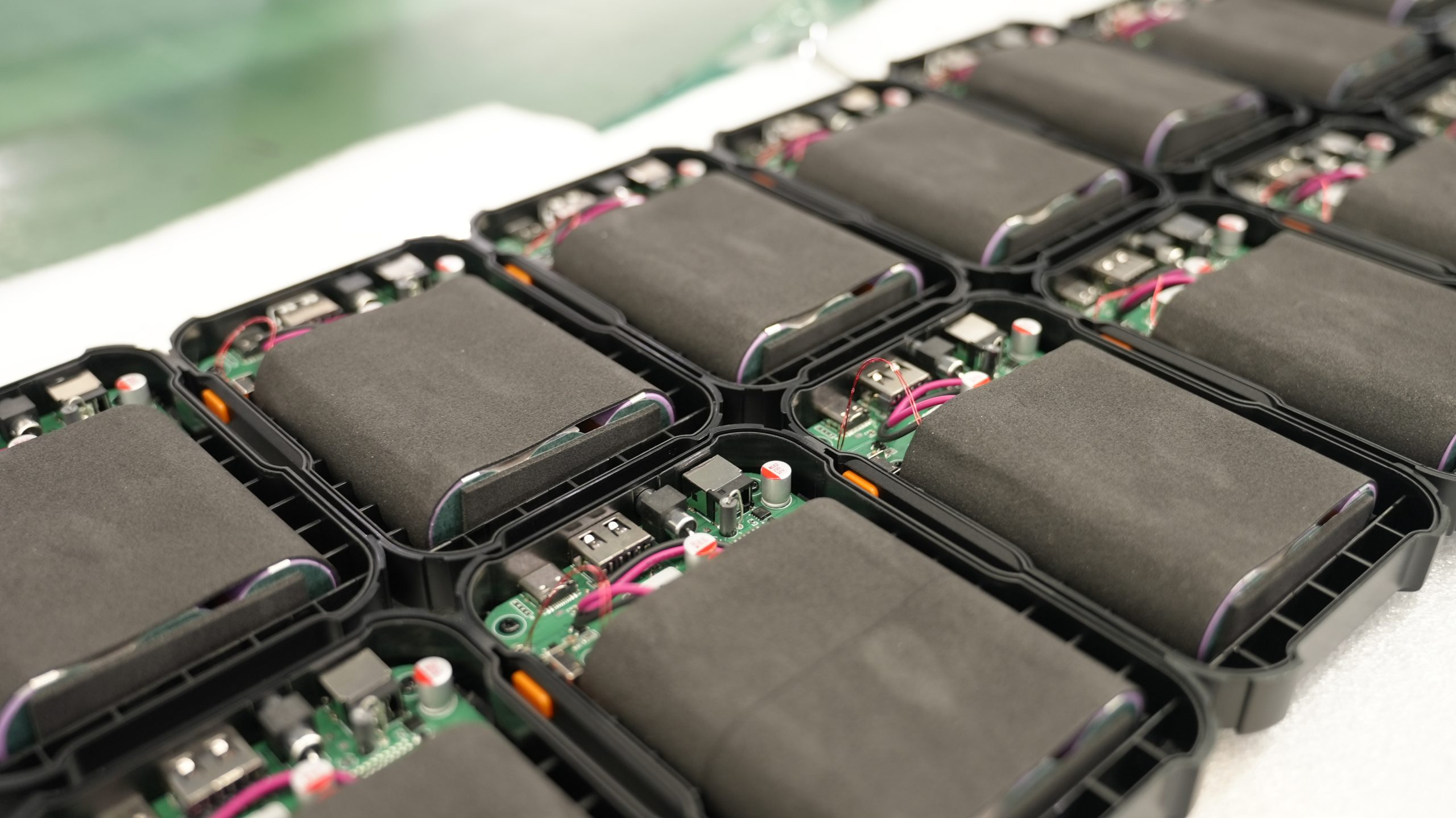
You need to design battery packs that fit your portable 3D scanner’s size and weight limits. Start by selecting the right cell configuration. The way you arrange the cells affects both the function and the look of your scanner. Choose the battery chemistry that matches your energy needs and safety requirements. For example, Lithium Nickel Manganese Cobalt Oxide (NMC) offers a platform voltage of 3.7 V, energy density of 190–260 Wh/kg, and a cycle life of 1,000–2,000 cycles. Lithium Iron Phosphate (LFP) provides a platform voltage of 3.2 V, energy density of 90–130 Wh/kg, and a cycle life of 3,000–6,000 cycles. You must also design an enclosure that protects the battery from dust, moisture, and impacts. The table below highlights key considerations:
Consideration | Description |
|---|---|
Cell Configuration | Proper arrangement of cells affects functionality and aesthetics, ensuring the pack fits design constraints. |
Chemistry Selection | The choice of battery chemistry impacts size, cost, and performance, influencing energy density and voltage. |
Enclosure Design | The enclosure must protect the battery from environmental factors and allow for accessibility during use. |
4.2 3D Modeling for Battery Holders
You can use 3D modeling software to create custom battery holders. This approach helps you visualize the fit inside your scanner before you build anything. You can adjust the holder’s shape to match the scanner’s internal space. This step ensures the battery pack stays secure during movement or vibration. In sectors like robotics and security systems, a well-designed holder prevents accidental disconnections and damage. You can also test different materials in your model to find the best balance between strength and weight.
4.3 Real-World Testing
You must test your battery packs in real-world conditions. This step reveals problems that lab tests might miss. Many issues come from using low-cost or counterfeit battery packs. X-ray scans show that 33 out of 424 batteries from low-cost brands had defects that could cause short circuits or fires. The risk of dangerous defects in these batteries is nearly 8%. Some counterfeit brands show defect rates as high as 12–15%. Poor edge alignment in these batteries increases the chance of short circuits and performance loss. You should always use reputable suppliers and test each batch before deployment.
Low-cost or counterfeit packs often have hidden defects.
Defect rates can reach up to 15% in some brands.
Poor edge alignment increases the risk of short circuits.
⚠️ Tip: Always inspect new battery packs with X-ray or similar methods before use in critical applications.
4.4 Troubleshooting
You need a clear troubleshooting process for battery packs in the field. If your scanner shuts down unexpectedly, check the battery voltage first. Look for signs of swelling, heat, or leakage. Replace any pack that shows damage. If you see rapid capacity loss, test each cell’s voltage and balance. In medical and industrial settings, keep spare packs and tools ready for quick swaps. Document each issue and solution to improve future designs.
🛠️ Note: Regular maintenance and testing help you catch problems early and keep your 3D scanners running reliably.
You can design reliable lithium battery packs for portable 3D scanners by following these steps:
Assess power needs and select the right lithium battery chemistry (NMC: 3.7 V, 190–260 Wh/kg, 1,000–2,000 cycles; LFP: 3.2 V, 90–130 Wh/kg, 3,000–6,000 cycles).
Integrate a robust BMS for voltage regulation and safety.
Use custom pack designs for medical, robotics, security, and industrial applications.
Test packs regularly and follow international safety standards.
Tip: Ongoing testing and proper user training help you maintain performance and safety.
FAQ
What lithium battery chemistry should I choose for my portable 3D scanner?
You should select Lithium Nickel Manganese Cobalt Oxide (NMC) for high energy density (3.7 V, 190–260 Wh/kg, 1,000–2,000 cycles) or Lithium Iron Phosphate (LFP) for safety and long life (3.2 V, 90–130 Wh/kg, 3,000–6,000 cycles). Match chemistry to your application needs.
How does a Battery Management System (BMS) improve safety?
A BMS monitors voltage, current, and temperature. It prevents overcharging, over-discharging, and overheating. You reduce fire and failure risks in medical, robotics, security, and industrial applications by using a robust BMS.
Can I use the same battery pack design for different 3D scanners?
You should not use one design for all scanners. Each scanner has unique voltage, current, and size requirements. Custom battery packs ensure optimal performance and safety in consumer electronics, infrastructure, and industrial sectors.
What is the best way to store lithium battery packs?
Store packs at about 30% charge in a cool, dry place. Avoid metal objects and direct sunlight. This practice extends battery life and reduces safety risks for all sectors, including medical and security systems.
How do I ensure compliance with international safety standards?
You must follow UL 2054 and IEC 62133 for lithium battery packs. Always keep documentation for audits. Compliance protects your business and ensures safe operation in every application.


