

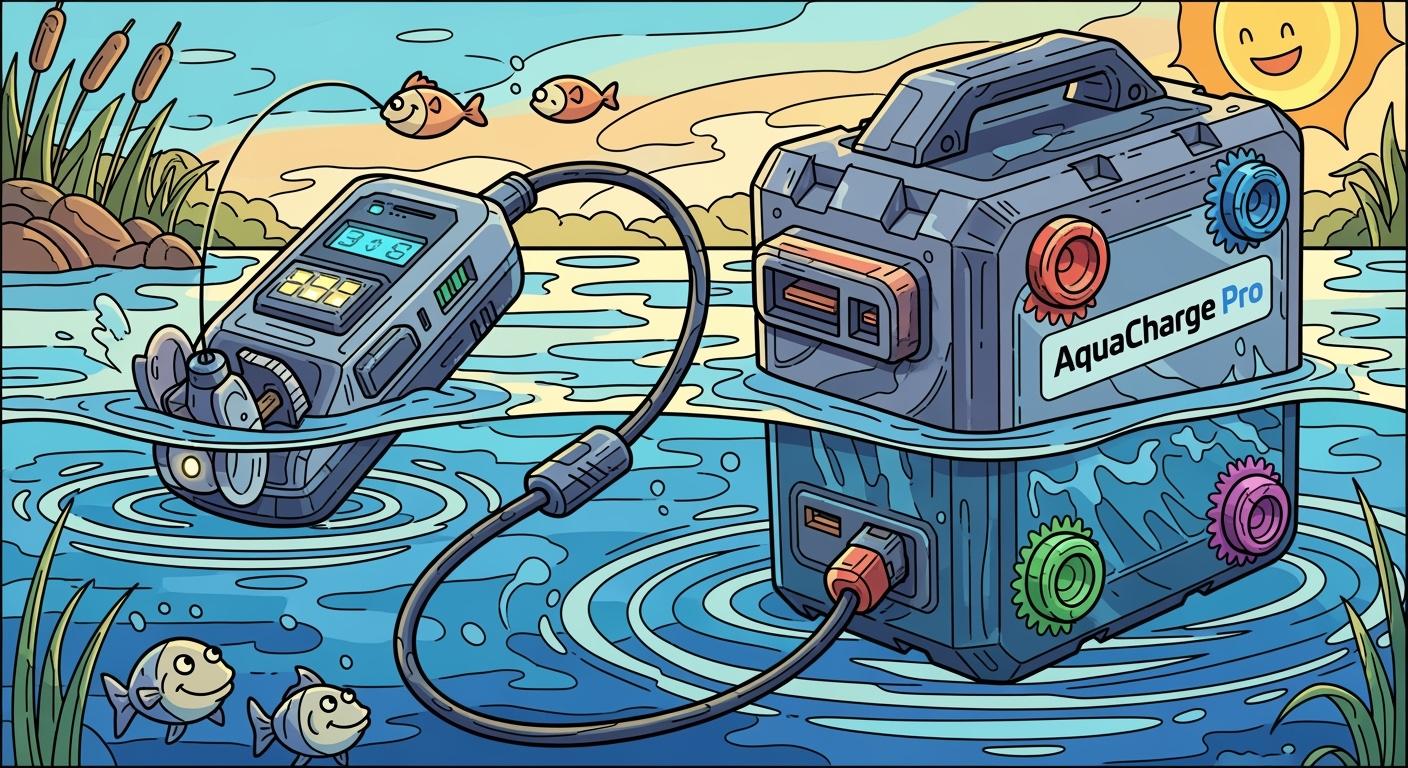
Choosing the right battery for electric fishing gear is critical. You need stable power output and a water-resistant design to ensure reliable performance in harsh environments. Fishing operations face unique challenges, including supply chain vulnerabilities for materials, difficulties in battery operation at sub-zero temperatures, and strict regulatory compliance. The table below highlights these key obstacles:
Challenge Type | Description |
|---|---|
Supply Chain Vulnerabilities | Risks related to availability and cost stability of critical raw materials like lithium, cobalt, and nickel. |
Battery Development Complexity | Challenges in creating batteries that function effectively in sub-zero temperatures. |
Regulatory Compliance Issues | Constraints from safety standards and environmental impact that affect innovation and market entry. |
Understanding battery requirements helps you reduce risk and improve efficiency in demanding fishing applications.
Key Takeaways
Choose batteries with stable power output to ensure your fishing gear operates efficiently and safely.
Select water-resistant batteries with high IP ratings to protect against corrosion and ensure longevity in harsh environments.
Follow safety standards and compliance rules to avoid legal risks and maintain smooth operations in your fishing activities.
Consider lithium battery packs for their lightweight design, long lifespan, and fast charging capabilities, enhancing your fishing experience.
Match battery capacity and voltage to your equipment’s needs to maximize runtime and performance during fishing trips.
Part1: Battery Requirements Overview
1.1 Stable Power Output
You need stable power output to ensure your electric fishing gear works efficiently and safely. Unstable voltage can cause several problems:
Fish tank oxygenators may lose effectiveness, which can lead to low oxygen levels and harm your catch.
Electric winches may malfunction or lose efficiency, making it harder to haul nets or traps.
Night fishing lights may flicker or dim, reducing your ability to see and work safely.
Stable power output supports consistent performance for all your equipment. This is especially important for professional operations where downtime or equipment failure can lead to financial losses.
1.2 Water-Resistant Design
Fishing environments expose batteries to water, salt, and humidity. You must choose batteries with strong water-resistant features to prevent failures and hazards. The industry uses IP ratings to measure water resistance. The table below shows common ratings for marine batteries:
IP Rating | Description | Recommended Use |
|---|---|---|
IP67 | Protected against immersion in water up to 1 meter for 30 minutes | Trolling marine batteries for durability in water environments |
IP68 | Protected against continuous immersion in water beyond 1 meter | High-end marine applications requiring maximum water resistance |
Water-resistant batteries protect against corrosion, especially in saltwater. They also help prevent short circuits and electrical fires. You get a longer battery lifespan and better value over time.
1.3 Safety and Compliance
You must follow strict safety standards and compliance rules when selecting batteries for electric fishing gear. These requirements affect the types of batteries you can use, how you install them, and how you maintain them. For example:
Regulations may require you to use IMO-compliant marine batteries to protect crew safety and ensure smooth operations.
Installation standards often include ventilated compartments and specific spacing for lithium batteries.
Meeting these Battery Requirements helps you avoid legal risks and ensures your operations run smoothly. You also protect your investment and reputation by following industry best practices.
Part2: Battery Chemistry and Types
2.1 Battery Chemistry Comparison
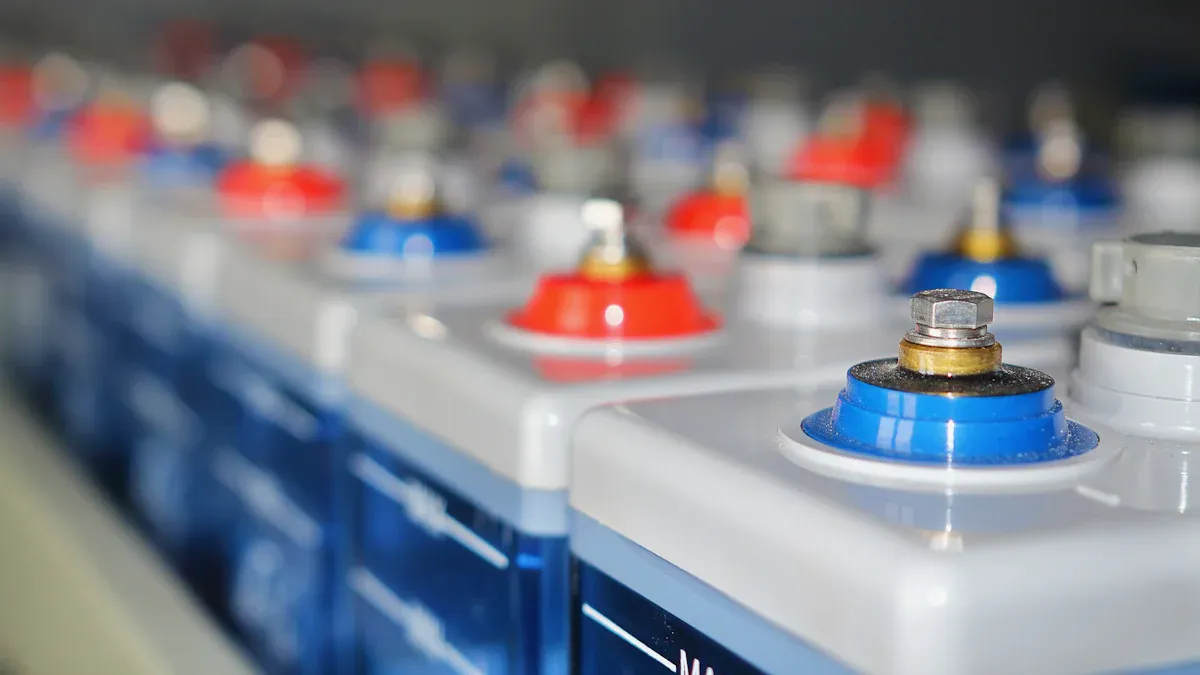
Selecting the right battery chemistry is essential for meeting the unique Battery Requirements of electric fishing gear. You will find three main types in the market: lead-acid, lithium-ion, and lithium iron phosphate (LiFePO4). Each chemistry offers different energy density, cycle life, and cost performance. The table below summarizes these differences:
Battery Type | Energy Density | Cycle Life | Cost Performance |
|---|---|---|---|
Lead-Acid | Low | ~500 cycles | Excellent initial cost, but heavy |
Lithium-Ion (NMC, LCO, LMO) | High | ~1,500 cycles | Lightweight, quick charging, low maintenance |
LiFePO4 | Moderate | 4,000+ cycles | Long lifespan, high safety, economical long-term |
You should consider weight and size when choosing a battery. Lightweight batteries, such as lithium-ion and LiFePO4, work best for portable fishing gear like kayaks and ice-fishing setups. These batteries also require less maintenance and offer easier transport.
2.2 Lithium Battery Pack Advantages
Lithium battery packs, especially those using LiFePO4 chemistry, deliver significant advantages for professional fishing operations. You benefit from a longer lifespan, lightweight design, and fast charging cycles. The table below highlights key advantages:
Advantage | Description |
|---|---|
Longer lifespan | Thousands of charge cycles without losing efficiency, outlasting traditional batteries. |
Lightweight and compact design | Easier to transport and handle, ideal for kayaks and small boats. |
Fast charging cycles | Charges quickly, giving you more time on the water. |
Consistent power output | Keeps your devices running at optimal efficiency throughout the day. |
Low self-discharge rate | Holds a charge longer when not in use, perfect for intermittent fishing. |
Eco-friendly design | Sustainable production and longer life reduce waste and replacements. |
You also gain operational efficiency. Lithium battery packs can reduce vessel weight by up to 50%. They charge up to 70% in just 30 minutes and maintain stable power output, which prevents sudden power loss during critical moments. Their eco-friendly design helps protect marine environments.
Tip: For advanced safety and performance, consider battery packs with a Battery Management System (BMS). Learn more about BMS here: https://www.large-battery.com/bms-and-pcm/
2.3 Use Cases for Different Chemistries
You should match battery chemistry to your fishing scenario:
Inshore Fishing: Kayak anglers prefer lithium batteries for their lightweight and compact design. This improves vessel stability and makes transport easier.
Offshore Fishing: Larger capacity batteries (100Ah or more) are necessary to power multiple devices, such as chart plotters and sonar systems, for extended trips.
Industrial Use: The evolution of battery technologies, especially lithium chemistries, supports the demands of large-scale fishing operations.
Lithium battery packs also serve in medical, robotics, security systems, infrastructure, consumer electronics, and industrial sectors. Their reliability and long cycle life make them a preferred choice for professional users who need stable power and low maintenance.
Part3: Selection Criteria and Sizing
3.1 Capacity and Runtime Needs
You must select the right battery capacity to meet the runtime needs of your electric fishing gear. Capacity, measured in ampere-hours (Ah), determines how long your equipment will operate before you need to recharge. Larger amp-hour ratings provide longer runtimes, which is essential for extended fishing trips or when powering multiple devices.
Here is a table showing how battery capacity translates to actual runtime for different motor draws:
Battery Capacity (Ah) | Motor Draw (A) | Runtime (hours) |
|---|---|---|
120 | 30 | 4 |
50 | 40 | 1.25 |
50 | 50 | 1 |
You can calculate runtime using this formula:
(Total battery capacity ÷ total amp draw of your motor) × 60 minutes = Run time at maximum power.
For example, a 100Ah lithium iron phosphate (LiFePO4) battery running a 40A trolling motor will last about 2.5 hours at full throttle. If you use a 23Ah battery for a smaller device, you can expect several hours of operation at lower power settings.
Fishing scenarios require different capacities. Trolling at 20-30% throttle gives you 4-6 hours of runtime. Cruising at 50-70% throttle provides 2-4 hours. Full throttle drains the battery in 1-2 hours. You should match your battery size to your typical usage pattern and the demands of your gear.
3.2 Voltage and Compatibility
Voltage compatibility is critical for safe and efficient operation. Most electric fishing gear uses 12V or 14.8V lithium battery packs. You must match the battery voltage to your equipment’s requirements to avoid damage and ensure optimal performance.
The table below outlines typical voltage and capacity needs for common fishing electronics:
Fish Finder Type | Current Draw (A) | Recommended Battery (Ah) | Runtime (hours) |
|---|---|---|---|
Smaller portable units | 0.3 to 0.8 | 7 to 10 | 10 to 20 |
Mid-range units | 0.8 to 1.5 | 10 to 15 | 8 to 15 |
Larger display systems | 1.5 to 2.5 | 18 to 30 | 8 to 12 |
Multi-unit sonar systems | 3 to 5 | 30 to 50 | 6 to 10 |
You should always check your device’s voltage rating before selecting a battery. Using the wrong voltage can shorten equipment life or cause malfunctions. Lithium battery packs offer stable voltage output, which is important for sensitive electronics like fish finders and sonar systems.
3.3 Charger and Integration
Choosing the right charger is essential for battery safety and longevity. Lithium battery packs require chargers designed for their chemistry and equipped with a Battery Management System (BMS). Quick chargers can fully recharge lithium batteries in under two hours, which is valuable for operations with tight turnaround times. Normal chargers work for lead-acid batteries but are not suitable for lithium packs.
Charger Type | Description | Compatibility |
|---|---|---|
Quick Charger | Charges quickly, works with BMS-equipped lithium batteries | Lithium-ion, LiFePO4 |
Normal Charger | Slower charging, for traditional batteries | Sealed lead-acid |
Smart chargers with multistage charging prevent overcharging and extend battery life. You should maintain a full charge, especially for lead-acid batteries, to avoid sulfation. For lithium batteries, regular monitoring and proper storage help maintain performance. Always use chargers recommended by the battery manufacturer to ensure integration and safety.
Tip: Use a battery maintainer during off-season storage to keep your batteries in top condition.
3.4 Durability and Warranty
Durability is a key factor in Battery Requirements for electric fishing gear. You should assess build quality and weather resistance to ensure batteries withstand water, salt, and temperature changes. Look for features such as:
Overcharge protection
Thermal management
Choose lithium battery packs from reputable brands with strong warranty coverage. A good warranty provides peace of mind and reliable support if issues arise. In harsh environments, robust construction and advanced safety features protect your investment and reduce downtime.
3.5 Water-Resistant Enclosures
Water-resistant enclosures are vital for battery safety and performance. You should target at least an IP67 rating, which protects against immersion in water up to 1 meter. For maximum protection, IP68-rated enclosures allow for deeper submersion.
Design Goal | Best Practice | |
|---|---|---|
Waterproof sealing | Prevents short circuits and safety failures | Target at least IP67 |
Salt water attacks fasteners and joints | Use marine-grade materials | |
Mechanical strength | Withstands waves, debris, and vibration | Reinforce shell and mounts |
Electrical safety | Reduces risk near metal and water | Maintain clearance and grounding |
Lightweight design | Use optimized materials | |
Thermal performance | Maintains battery life and performance | Build heat paths into enclosure |
You should also consider enclosure materials. Aluminum alloy (6061/6082) offers light weight and good thermal conductivity, but needs salt-resistant coatings. Duplex stainless steel (2205) provides excellent corrosion resistance but adds weight. Composite materials, like glass fiber reinforced PPS, are light and insulating but require flame retardants.
Best practices include multi-step flange sealing, waterproof vent valves, and marine-grade connectors. These features ensure your battery packs remain safe and reliable in wet and salty conditions.
Note: Lithium battery packs with advanced enclosures are also used in medical, robotics, security, infrastructure, consumer electronics, and industrial sectors due to their reliability and safety.
By carefully considering capacity, voltage, charger compatibility, durability, and enclosure design, you can meet the demanding Battery Requirements of professional electric fishing gear and ensure stable power output in any environment.
Part4: Recommended Models and Applications
4.1 Top Lithium Battery Packs
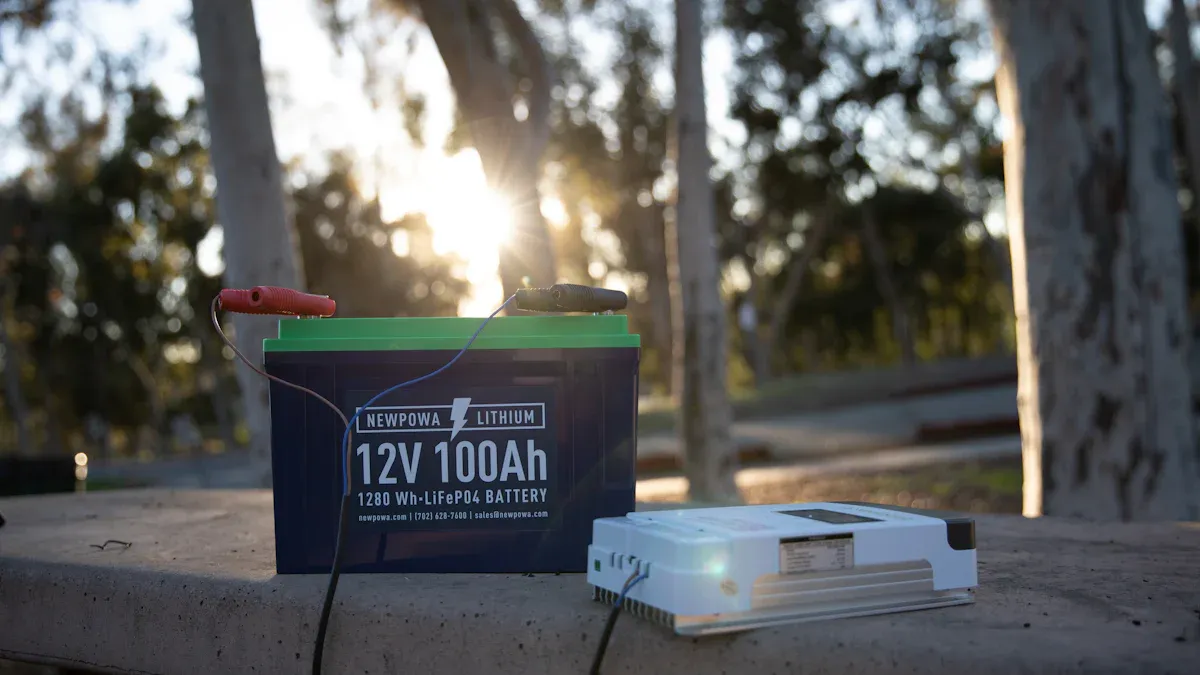
You can find several high-performing lithium battery packs for electric fishing gear. These models stand out for their reliability and advanced features:
Impulse Lithium: Delivers consistent power output and supports fast charging. You get a lightweight design that makes handling and installation easier.
WattCycle LiFePO4: Offers a long cycle life and strong water resistance. This model works well for both inshore and offshore fishing.
WenMia Lithium Pack: Provides compact size and moderate capacity, ideal for portable gear and smaller vessels.
X2Power Lithium: Users report improved boat performance and longer runtime. You can fish for several days without recharging.
Key features you should look for include a longer lifespan, lightweight construction, fast charging cycles, and an eco-friendly design. These batteries also maintain consistent power output, which supports reliable operation for your fishing electronics.
4.2 Model Comparison Table
You need to compare battery models based on voltage, capacity, weight, and cost. The table below summarizes the main specifications for popular lithium battery packs:
Model | Voltage Options | Capacity (Ah) | Weight | Key Features |
|---|---|---|---|---|
Impulse Lithium | 12V, 24V | 10, 18, 24 | Very Light | Fast charging, long cycle life, BMS included |
WattCycle LiFePO4 | 12V, 24V | 18, 24, 50 | Light | High water resistance, robust enclosure |
WenMia Lithium Pack | 12V | 10, 18 | Compact | Portable, suitable for small devices |
X2Power Lithium | 12V, 24V | 50, 100 | Light | Extended runtime, reliable performance |
Lithium battery packs offer higher energy density and longer cycle life than lead-acid or AGM batteries. You also benefit from lower weight and reduced maintenance.
4.3 Scenario-Based Recommendations
You should match your battery choice to your fishing scenario:
Inshore and Kayak Fishing: Choose compact lithium packs (10Ah–18Ah) for fish finders and small motors. These batteries are easy to carry and install.
Offshore and Multi-Device Use: Select higher-capacity models (24Ah–100Ah) for longer trips and multiple electronics. Fast charging and long runtime help you stay productive.
Industrial and Commercial Operations: Use large LiFePO4 packs (50Ah–100Ah) with advanced BMS for maximum safety and durability. These batteries support heavy loads and frequent cycling.
Note: Lithium battery packs also power medical devices, robotics, security systems, infrastructure, and consumer electronics. Their reliability and long service life make them a top choice for demanding applications.
By selecting the right lithium battery model, you ensure stable power, safety, and efficiency for your fishing operations.
You must focus on Battery Requirements that ensure stable power, water resistance, and safety for electric fishing gear. Lithium battery packs offer long cycle life, high energy density, and reliable performance for professional use. You should always match battery specifications to your operational needs and follow best practices for installation, charging, and protection. The table below highlights essential guidelines for B2B clients:
Requirement | Description |
|---|---|
Use robust BMS with thermal management and shutdown alarms. | |
Charging System Compatibility | Ensure chargers match lithium battery chemistry. |
Main Battery Switch & Fusing | Install proper switches and circuit protection. |
Installation & Ventilation | Secure batteries, provide ventilation, and maintain watertight integrity. |
You can consult battery specialists or suppliers for tailored solutions. Regular maintenance and compliance help you achieve optimal performance in fishing, medical, robotics, and industrial applications.
FAQ
What is the typical voltage platform for lithium iron phosphate (LiFePO₄) battery packs?
You get a nominal voltage of 3.2V per cell for LiFePO₄. Most battery packs use 12.8V (4 cells) or 25.6V (8 cells) configurations. These voltages suit electric fishing gear, medical devices, and industrial robots.
How does lithium-ion (NMC) compare to LiFePO₄ in energy density and cycle life?
Lithium-ion (NMC) batteries offer 180–220 Wh/kg energy density and 1,000–2,000 cycles. LiFePO₄ batteries provide 90–140 Wh/kg but last 3,000–5,000 cycles. You should choose NMC for lighter weight and LiFePO₄ for longer service life.
Can you use lithium battery packs in other sectors besides fishing?
Yes. You can use lithium battery packs in medical equipment, robotics, security systems, infrastructure backup, and consumer electronics. Their stable power output and long cycle life make them ideal for industrial and commercial applications.
What safety features should you look for in lithium battery packs?
You should select packs with a Battery Management System (BMS), overcharge protection, thermal cutoff, and IP67 or higher water-resistant enclosures. These features protect your investment and ensure safe operation in harsh environments.
How do you maintain lithium battery packs for maximum lifespan?
Store batteries at 50–70% charge in a cool, dry place. Use manufacturer-approved chargers. Monitor voltage and temperature during use. Regular maintenance ensures reliable performance for fishing gear, medical devices, and industrial systems.


