

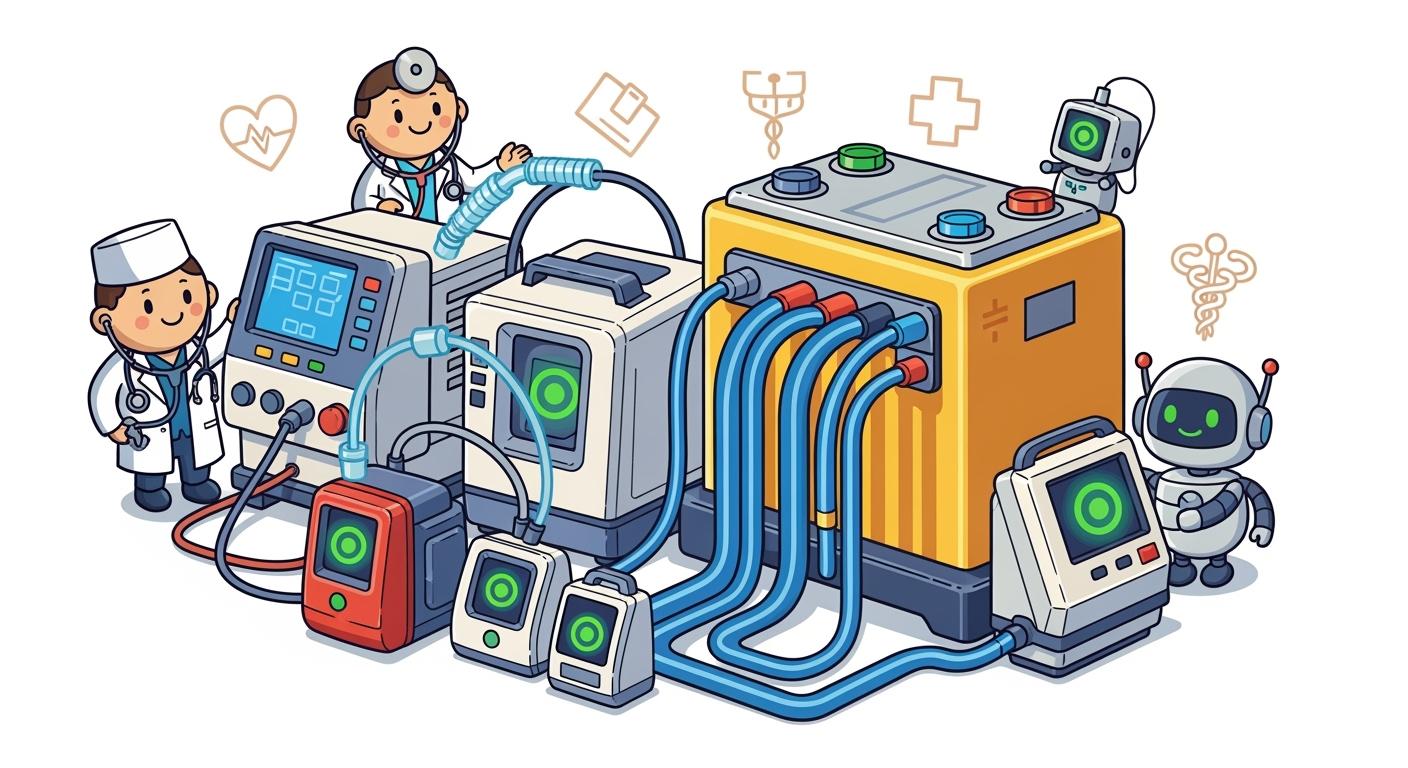
You need Reliable Battery Packs to keep medical equipment running without interruption. Ventilators, oxygen concentrators, and portable healthcare devices depend on steady power. Lithium battery packs deliver strong reliability, safety, and long-lasting energy. Custom solutions, smart battery management systems, and backup systems help you maintain continuous operation. Healthcare professionals and facility managers trust lithium technology, which leads the market in North America.
The medical battery pack market reached $4.58 billion in 2024 and will grow to $10.8 billion by 2035.
Year | Market Size (USD) | Region Leading in Share |
|---|---|---|
2024 | 4.58 billion | North America |
2035 | 10.8 billion | North America |
Key Takeaways
Choose battery packs that meet strict safety and reliability standards to ensure patient safety and device performance.
Lithium battery packs offer high energy density, fast charging, and low self-discharge rates, making them ideal for medical devices.
Select battery packs with smart battery management systems (BMS) for real-time monitoring and enhanced safety.
Prioritize lightweight and compact designs for portable medical devices to improve mobility and ease of use.
Follow best maintenance practices, such as keeping batteries within optimal charge ranges, to extend their lifespan and reliability.
Part1: Reliable Battery Packs—Key Criteria
1.1 Reliability and Safety Standards
You need Reliable Battery Packs that meet strict safety and reliability standards. Medical devices demand continuous operation, so you must choose battery packs that protect patients and equipment. Inventus Power and Excell Battery’s Criterion technology set benchmarks for reliability in the industry. Smart battery management systems (BMS) play a crucial role in maintaining safety and performance.
A BMS constantly monitors a battery pack’s temperature, voltage, current, state of health (SoH), and state of charge (SoC). It gathers data about the current conditions of the cells and compares them to set safety parameters. If the battery’s condition goes outside these parameters, the BMS will activate. These actions may involve sending an alert to the medical device user, turning off charging capabilities, or switching into safe mode.
You benefit from BMS features such as cell balancing, redundant safety, and updateable firmware. These features ensure Reliable Battery Packs operate safely in critical environments like hospitals, clinics, and mobile healthcare units. You can learn more about BMS and its impact on reliability here.
Key international safety standards for medical battery packs include:
ISO 13485: Quality management systems for medical devices.
IEC 60601-1: Safety and essential performance of medical electrical equipment.
UN38.3: Safe transport of lithium batteries.
UL 2054: Safety standards for household and commercial batteries.
IEC 62133: Safety requirements for batteries in portable applications.
ANSI/AAMI ES 60601-1: Basic safety and essential performance in medical applications.
You must select battery packs that comply with these standards to ensure patient safety and device reliability.
1.2 Lithium Battery Advantages
Lithium battery packs offer clear advantages for medical equipment. You gain high energy density, fast charging, and low self-discharge rates. These features keep devices ready for use and support long runtimes. Their lightweight design makes them ideal for portable healthcare devices, robotics, and security systems.
Main advantages of lithium battery packs:
High energy density and low self-discharge rates make lithium-ion batteries ideal for medical devices that require immediate readiness.
Lightweight nature is essential for the portability of medical devices.
Compact size and efficiency benefit applications where space is limited.
You can see how lithium batteries outperform other chemistries in medical and industrial applications. The table below compares lithium battery chemistries using standardized terminology and strict data output:
Chemistry | Platform Voltage (V) | Energy Density (Wh/kg) | Cycle Life (Cycles) | Typical Applications |
|---|---|---|---|---|
LiFePO4 | 3.2 | 90-160 | 2000-5000 | Medical, robotics, infrastructure |
NMC | 3.7 | 150-220 | 1000-2000 | Medical, industrial, security systems |
LCO | 3.7 | 150-200 | 500-1000 | Consumer electronics |
LMO | 3.7 | 100-150 | 300-700 | Portable devices, medical |
Solid-State | 3.7-4.2 | 250-400 | 2000-5000 | Medical, industrial |
Lithium Metal | 3.7-4.2 | 350-500 | 1000-2000 | Advanced medical, industrial |
You can read more about lithium battery advantages in medical devices at Nature.
The cycle life and energy density of lithium-ion batteries far exceed lead-acid and nickel-based batteries. This makes lithium battery packs the preferred choice for Reliable Battery Packs in medical, industrial, and security applications.
1.3 Compliance and Certification
You must ensure that your battery packs meet regulatory standards and certifications. Compliance guarantees safety, reliability, and approval for use in medical environments. Regulatory standards like IEC 62133 and UL 2054 set safety and performance criteria that manufacturers must follow. These standards ensure batteries are safe for patient use and help you obtain necessary regulatory approvals.
To meet medical certification requirements, lithium batteries must be manufactured in UL-certified facilities. Every stage, from chemical production to final testing, must adhere to strict safety and quality standards.
Certification standards for medical battery packs in the United States and Europe:
Certification Standard | Description |
|---|---|
IEC 62133 | Safety standard for secondary cells and batteries, including biocompatibility and safety features for medical use. |
UL 2054 | Safety standard for household and commercial batteries, applicable to medical device batteries, covering various safety requirements. |
ISO 13485 | Quality management system standard ensuring safe and reliable battery production. |
IEC 60601-1 | General requirements for the safety and performance of medical electrical equipment, including batteries. |
ISO 10993-1 | Guidelines for evaluating biological safety of medical devices, ensuring batteries do not cause adverse reactions. |
You must prioritize Reliable Battery Packs that meet these certifications. This ensures uninterrupted care and compliance with regulatory requirements in medical, industrial, and infrastructure sectors.
Part2: Battery Pack Types and Backup Solutions
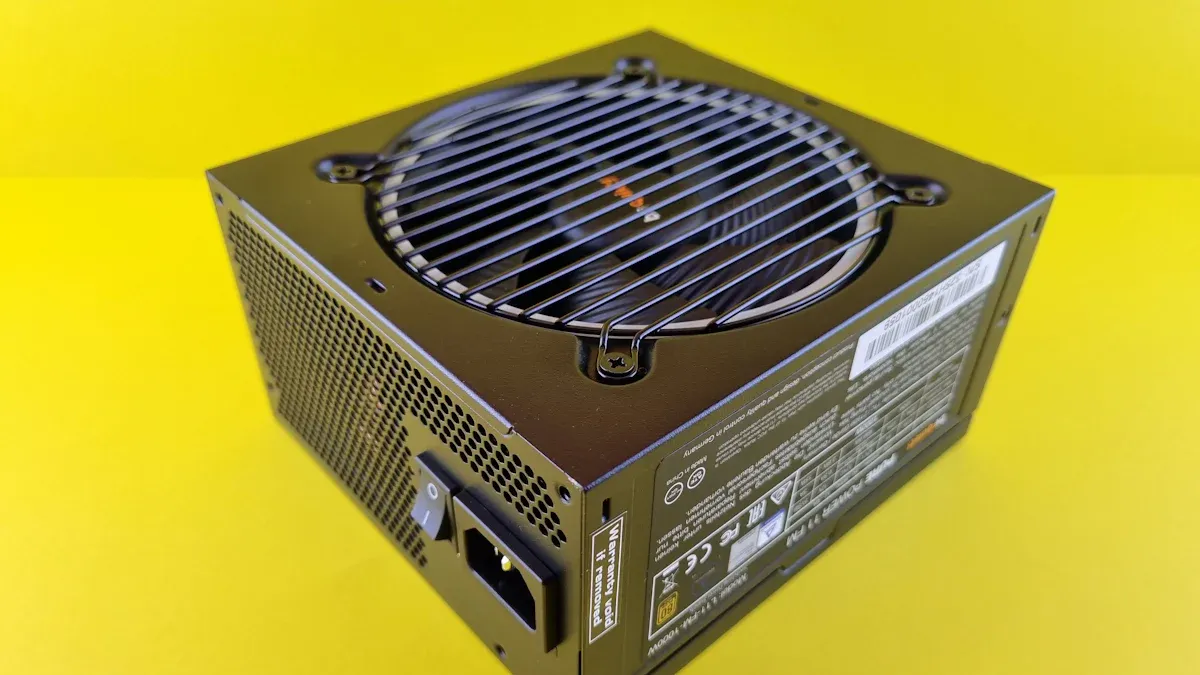
2.1 Lithium vs. Lead-Acid and Other Chemistries
You must understand how different battery chemistries impact performance in medical environments. Lithium-ion batteries, including LiFePO4, NMC, LCO, and LMO, lead the market for Reliable Battery Packs. These batteries power medical devices, robotics, security systems, and industrial equipment. You benefit from high energy density, long cycle life, and low self-discharge rates. Lead-acid batteries offer low cost and good cold resistance, but they have short life and high self-discharge. Nickel-metal hydride batteries provide non-toxic operation and high discharge current, but their energy density and lifespan do not match lithium options.
Battery Type | Advantages | Disadvantages |
|---|---|---|
Lithium-ion | High energy density, long life, low self-discharge rate, no memory effect | High cost, safety risks, limited cold resistance |
Lead-acid | Low cost, mature technology, good cold resistance | Low energy density, short life, high self-discharge rate, contamination risk |
Nickel-metal hydride | Non-toxic, small memory effect, high discharge current | Low energy density, short life, high self-discharge rate, higher cost than lead-acid |
You see lithium battery packs in ventilators, oxygen concentrators, and portable healthcare devices. These packs also support robotics and infrastructure systems that require reliable, long-lasting power.
2.2 Portable Power Stations and UPS
You need backup solutions to keep medical equipment running during power outages. Portable power stations and uninterruptible power supply (UPS) systems provide stable energy for home and facility use. A UPS supplies continuous power, so your devices stay operational even if the main power fails. The Growatt INFINITY 1500, for example, switches to battery power within 20 milliseconds. This fast response prevents downtime for critical medical devices. Portable power stations, such as Geneforce silent generators, offer quiet, reliable backup for oxygen concentrators and other portable healthcare equipment.
A UPS provides a continuous power supply during outages, ensuring that medical equipment remains operational.
The Growatt INFINITY 1500 features an EPS function that switches to battery power within 20ms, preventing downtime for critical devices.
Portable power stations can offer a stable power supply for home medical equipment, alleviating concerns during blackouts.
2.3 Integration with Medical Devices
You must select battery packs that integrate seamlessly with your medical devices. Custom lithium solutions, like the OxyGo NEXT Double Battery, extend runtime for oxygen concentrators and support patient mobility. Manufacturers design these packs for easy installation and safe operation. You can use Reliable Battery Packs in hospitals, clinics, and mobile healthcare units. Integration with smart battery management systems ensures safety, monitoring, and compliance with medical standards. This approach supports uninterrupted care and enhances the reliability of your medical equipment.
Part3: Essential Features for Medical Battery Packs
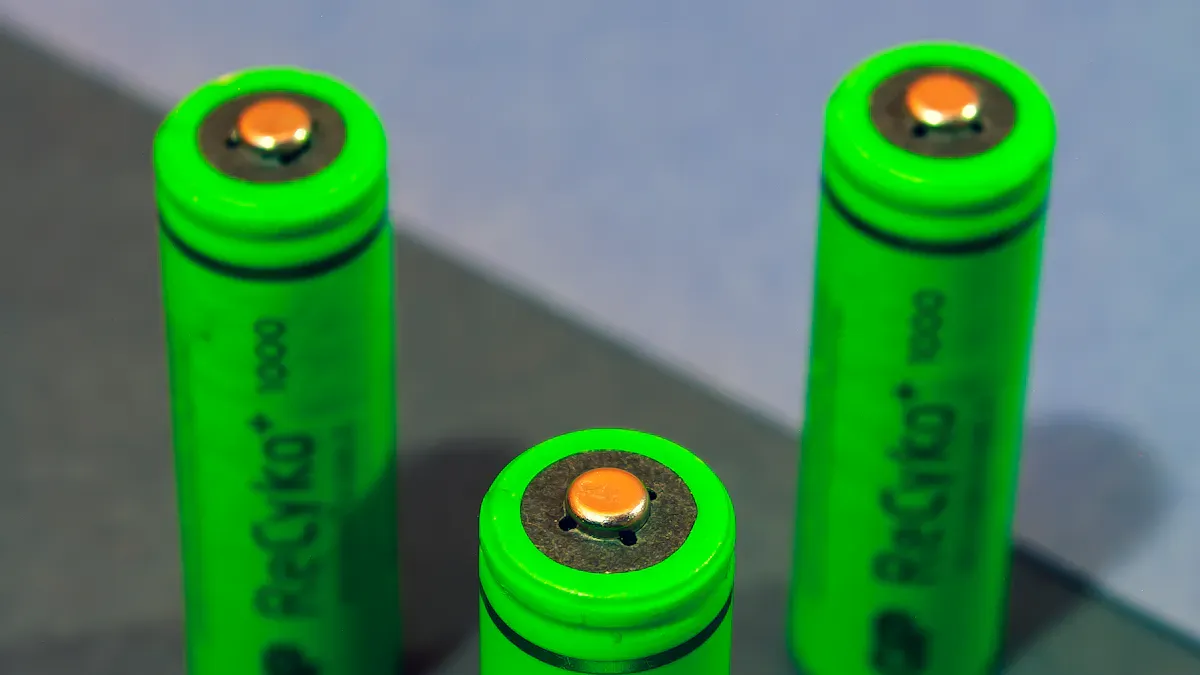
3.1 Capacity and Runtime
You need to consider battery capacity and runtime when selecting power solutions for medical equipment. Devices like ventilators and oxygen concentrators require batteries that can deliver continuous operation during emergencies or transport. Most experts recommend a minimum of 4–6 hours of runtime on a full charge for ventilators. Some advanced models, such as the EMV+ ventilator, provide up to 10 hours of operation and can recharge to 90% in just 2 hours. Reliable Battery Packs with long runtimes help you maintain patient safety and clinical efficiency, especially during power outages. Insufficient battery capacity can lead to dangerous interruptions in care, as seen during recent wildfire seasons when backup batteries with limited runtime put patients at risk.
3.2 Portability and Form Factor
You benefit from battery packs that are compact and lightweight. Portable healthcare devices, robotics, and security systems require batteries that integrate easily into device designs without adding unnecessary weight. The table below highlights key considerations for battery pack design:
Consideration | Description |
|---|---|
Size | Compact to integrate easily into the device design. |
Weight | Lightweight to ensure portability and comfort for the patient. |
Design | Must fit within the housing without adding unnecessary weight. |
Type | Typically uses ultra-compact prismatic or pouch cells. |
These features support mobility in medical and industrial environments, allowing you to deploy equipment wherever it is needed.
3.3 Safety and Noiseless Operation
You must prioritize safety and silent operation in healthcare and other critical settings. Lithium battery packs, including LiFePO4, NMC, LCO, and LMO chemistries, offer stable performance and quiet operation, making them suitable for hospitals, clinics, and mobile units. Advanced battery management systems (BMS) monitor temperature, voltage, and current to prevent overheating and extend battery life. These systems enhance reliability and safety in medical, robotics, and infrastructure applications.
Tip: Choose battery packs with integrated BMS for real-time monitoring and protection.
3.4 Charging Options
You need flexible and rapid charging options to keep medical devices ready for use. Lithium-ion technology supports fast charging, which minimizes downtime and allows for multiple recharge cycles each day without significant wear. Optimized charging profiles balance speed and battery longevity. Advanced power management prevents overheating and adapts to environmental conditions. Wireless charging technology enables automatic charging for medical carts near stations, improving workflow and ensuring devices are always ready for emergencies.
Rapid charging reduces equipment downtime.
Wireless charging supports efficient workflows and device readiness.
These features make lithium battery packs the preferred choice for Reliable Battery Packs in medical, industrial, and security sectors.
Part4: Selecting Battery Packs for Medical Devices
4.1 Ventilators: Power Needs
You must match the power needs of ventilators to the right battery pack. Ventilators in intensive care units and during patient transport require stable and long-lasting power. You should consider both the power demand and the runtime needed for each application.
Power Requirement | Specification |
|---|---|
Power Demand | 15W at 5L/min airflow |
Battery Type | 3.7V / 6000mAh Li-Po cell |
Runtime | Approximately 8 hours |
Additional Notes | Multiple packs can be connected in parallel for extended use |
You should always have two ventilators available for each patient. Each ventilator must include a disconnection alarm. An internal battery is essential, and you should add an external battery if the device does not have one.
Ventilator battery requirements differ between home care and hospital settings. The following table shows the main differences:
Setting | Power Consumption | Required Backup Time | Recommended Battery Capacity | Additional Features |
|---|---|---|---|---|
Home Care | 20W | 6 hours | Lithium-ion, high-capacity | |
Hospital Backup | 25W | 8 hours | ≥200Wh (dual setup) | Smart BMS, hot-swappable design |
For home care, you need batteries with at least 120Wh capacity to ensure backup during outages. In hospitals, you should use a dual battery system with at least 200Wh total capacity. This setup provides redundancy and continuous operation. You should choose lithium-ion chemistries such as LiFePO4 or NMC for their high energy density and long cycle life. Smart battery management systems (BMS) and hot-swappable designs add safety and flexibility.
4.2 Oxygen Concentrators: Selection Guide
You must select battery packs for oxygen concentrators based on application—ambulatory or stationary. Portable oxygen concentrators need lightweight batteries with enough runtime for patient mobility. Stationary units require longer battery life for backup during power loss.
Factor | Description |
|---|---|
Battery Life | Most portable oxygen concentrators offer 3–5 hours. Some, like the CAIRE Freestyle Comfort, provide up to 8 hours. |
Weight | Longer-lasting batteries weigh more, which can reduce portability. |
Charging While In Use | Not all models allow charging during use. This feature is important for return trips and continuous therapy. |
You should balance battery life and weight to meet patient needs. For ambulatory use, select lithium-ion packs with high energy density, such as NMC or LiFePO4. These chemistries provide long runtimes without adding much weight. For stationary concentrators, prioritize battery packs with extended life and the ability to charge while in use. This ensures uninterrupted oxygen delivery during emergencies or transport.
Tip: Always check if the battery pack allows charging while the device is running. This feature is critical for continuous care.
4.3 Portable Healthcare Devices: Custom Solutions
You face unique challenges when powering portable healthcare devices. Each device may have different voltage, capacity, and safety requirements. Custom battery solutions address these needs and support a wide range of medical applications.
Excell Battery provides smart battery solutions for advanced applications, including critical Class I, Class II, and select Class III medical equipment. As advancements in medical equipment require higher operational performance and reliability, Excell Battery continues to innovate its battery technology and manufacturing capabilities.
Custom battery packs power many types of portable healthcare devices:
Surgical power tools
Medical mobility equipment
Cardiac devices
Infusion pumps
Patient monitoring devices
Respiratory care equipment
Imaging devices
Diagnostics tools
Application Type | Battery Solution Description |
|---|---|
Surgical Procedures | Custom battery packs designed for surgical tools, ensuring reliability and compliance with medical standards. |
Emergency Room Use | Portable power solutions for emergency medical equipment, enhancing mobility and readiness. |
Therapeutic Practices | Battery solutions tailored for therapeutic devices, focusing on safety and performance. |
Blood-Glucose Testing Meters | Compact battery packs that provide reliable power for essential monitoring devices. |
Respirators and Surgical Tools | Life-saving devices powered by custom medical battery packs, crucial for patient care. |
Imaging Devices | Advanced battery solutions for imaging equipment, ensuring high performance and reliability. |
Patient Monitoring Devices | Custom solutions that support continuous monitoring, addressing unique clinical needs. |
Infusion Pumps | Battery systems designed for infusion devices, ensuring consistent and safe medication delivery. |
Cardiac Devices | Specialized battery solutions for cardiac monitoring and treatment devices, focusing on safety and efficiency. |
Medical Mobility Equipment | Power solutions that enhance the portability of medical mobility devices, improving patient care. |
Custom battery solutions optimize device performance, extend battery lifespan, and improve safety. You benefit from compact designs and advanced features that meet strict medical regulations. Lithium polymer (LiPo) batteries are popular for portable healthcare devices because they offer flexibility, small size, and high energy density.
You should always choose Reliable Battery Packs that match the specific requirements of your medical devices. This approach ensures safety, compliance, and uninterrupted care in clinical and mobile healthcare environments.
Part5: Cost, Value, and Applications
5.1 Cost and ROI
You must consider both the initial investment and long-term value when choosing lithium battery packs for medical equipment. While lithium chemistries like LiFePO4 and NMC have higher upfront costs than lead-acid batteries, you gain significant savings over time. These batteries offer longer cycle life, higher energy density, and lower maintenance needs. You reduce downtime and replacement frequency, which lowers total cost of ownership. In critical sectors such as healthcare, robotics, and infrastructure, reliable power means fewer disruptions and better patient outcomes. You also benefit from improved safety and compliance, which can help avoid costly regulatory issues.
5.2 Case Studies and Real-World Use
You see the value of custom lithium battery solutions in real-world deployments, especially in remote or emergency settings. Medical teams use advanced battery packs with multi-sensors for health monitoring, capacitive touch wear-detection, and Bluetooth communication. These features support continuous care and efficient workflows.
Feature | Benefit |
|---|---|
Multi-sensors for health monitoring | Enables continuous tracking of vital signs, improving timely interventions for patients in remote settings. |
Capacitive touch wear-detection | Reduces unnecessary power consumption, extending battery life and ensuring reliable monitoring for at-risk patients. |
Bluetooth communication | Facilitates remote transmission of vital signs, easing healthcare providers’ workload and reducing unnecessary hospital visits. |
You can apply these solutions in mobile clinics, emergency response units, and telemedicine. Reliable lithium battery packs help you deliver care where it matters most.
5.3 Maintenance and Charging Tips
You extend the lifespan and reliability of your battery packs by following best practices. Always use manufacturer-approved chargers and avoid overcharging or deep discharging. Keep batteries within the optimal charge range, usually between 20–80 percent. Store batteries in a cool, dry place and maintain a partial charge (40–60%) for long-term storage. Rotate your stock so older batteries get used first. Update device software regularly to optimize battery usage. Avoid frequent fast charging to prevent excess heat. Replace batteries in critical equipment every year or two, even if they show no signs of failure. This proactive approach helps you prevent emergencies and ensures uninterrupted operation.
Tip: Regular maintenance and timely replacement of lithium battery packs protect your investment and support continuous patient care.
To choose Reliable Battery Packs for medical equipment, you should:
Assess capacity and runtime for each device.
Select batteries with proven reliability, safety certifications, and smart BMS.
Ensure compatibility with your equipment.
Prioritize lightweight, portable designs for emergency use.
Follow regular maintenance and testing schedules.
Lithium battery packs with smart BMS deliver dependable power and fast charging. Prioritize safety, capacity, and compliance to support uninterrupted patient care. Invest in high-quality battery solutions for long-term value.
FAQ
What certifications should you look for in lithium battery packs for medical equipment?
You should check for IEC 62133, UL 2054, ISO 13485, and IEC 60601-1 certifications. These standards guarantee safety and reliability for medical, robotics, and industrial applications.
How do lithium battery chemistries like LiFePO4 and NMC differ in medical devices?
LiFePO4 offers longer cycle life (2000–5000 cycles) and stable platform voltage (3.2V). NMC provides higher energy density (150–220 Wh/kg) and lighter weight. Choose based on your device’s runtime and portability needs.
Why is a smart battery management system (BMS) important?
A smart BMS monitors temperature, voltage, and current. It protects your lithium battery pack from overheating and ensures safe operation in medical, security, and infrastructure systems.
Can you use lithium battery packs in portable healthcare and industrial devices?
Yes. Lithium battery packs power portable healthcare devices, robotics, and industrial equipment. Their high energy density and compact size support mobility and continuous operation.
What maintenance tips help extend lithium battery pack lifespan?
Store batteries in a cool, dry place. Keep charge between 20–80%. Use manufacturer-approved chargers. Rotate stock regularly. These steps help you maximize reliability and reduce downtime.


