

You depend on reliable battery systems to keep railway track inspection devices running over long distances. Stable power means you can monitor infrastructure without interruption. Lithium battery technology now leads the way, giving you zero emissions and greater efficiency. Following industry standards like IEC 62928 ensures safety and reliability. Regular management and maintenance protect your investment and support smooth railway operations.
Key Takeaways
Choose lithium battery packs for railway inspections. They offer high energy density, long cycle life, and zero emissions.
Follow IEC 62928 standards to ensure safety and reliability in battery systems. Compliance protects your equipment and personnel.
Implement regular maintenance practices. Inspect batteries, monitor performance, and keep detailed records to extend battery life.
Utilize Battery Management Systems (BMS) for real-time monitoring. BMS helps prevent failures by managing voltage, current, and temperature.
Stay informed about new battery technologies. Innovations like sodium-ion batteries can enhance efficiency and reduce maintenance needs.
Part1: Power Demands and Challenges
1.1 Track Inspection Device Energy Needs
You rely on track inspection devices to deliver accurate data over long distances. These devices use sensors, cameras, and communication modules that require steady power. You need Battery Systems that can support high energy demands for extended periods. Lithium battery packs offer superior energy density and fast recharge times. You benefit from their long cycle life, which reduces downtime and maintenance costs. When you select the right battery, you ensure your inspection equipment operates efficiently and reliably.
1.2 Environmental and Distance Factors
You face many environmental challenges during railway inspections. Extreme temperatures, humidity, and vibration can affect battery performance. The table below shows how different battery types respond to harsh conditions:
Battery Type | Performance in Extreme Conditions | Key Features |
|---|---|---|
Sodium-ion | Strong performance in hot and cold climates | Longer cycle life, faster recharge rates, environmentally responsible |
Lithium-Ion | Requires thermal management in extreme temperatures | Superior energy density, fast recharge times, long cycle life |
Nickel-Based | Limited temperature range and environmental constraints | Less frequently used due to performance limitations |
Lead Acid | Preferred for durability and predictable behavior | Deep cycle capabilities, reliable in various conditions |
Sealed Consumer | Often fails prematurely under high load | Limited cycle life, instability in demanding environments |
You travel long distances with inspection devices. You need batteries that maintain stable voltage and capacity throughout the journey. Lithium battery packs require thermal management to perform well in extreme heat or cold. You must consider these factors when planning inspections and choosing Battery Systems.
Tip: Always monitor battery temperature and humidity levels during operation. This helps you prevent unexpected failures and extend battery life.
1.3 Risks of Power Loss
You risk losing valuable data and operational efficiency if your battery fails during inspection. Power loss can halt inspections, delay maintenance, and increase costs. You must use Battery Systems with built-in protection and control modules. These features help you avoid sudden shutdowns and protect sensitive electronics. You reduce risks by choosing batteries with reliable performance and regular maintenance schedules.
Part2: Battery Systems and Technologies
2.1 Lithium Battery Packs in Railways
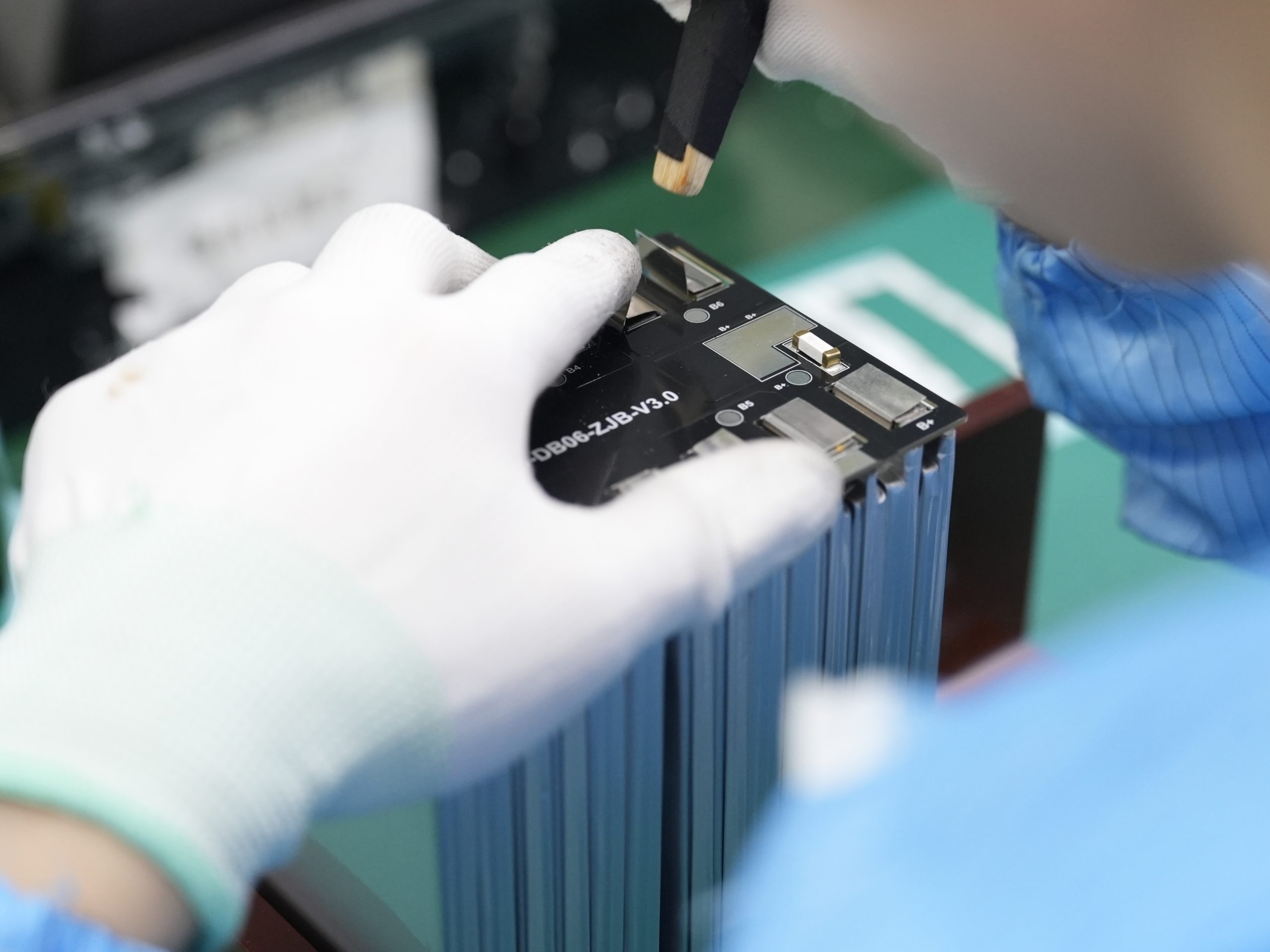
You see lithium battery packs transforming railway track inspection. These advanced batteries deliver zero emissions and high efficiency. You can choose from several chemistries, each with unique strengths. The most common types include LiFePO4 (Lithium Iron Phosphate), NMC (Nickel Manganese Cobalt Oxide), LCO (Lithium Cobalt Oxide), and LMO (Lithium Manganese Oxide). You benefit from their high energy density, long cycle life, and stable platform voltage. The table below compares these chemistries:
Chemistry | Platform Voltage | Energy Density (Wh/kg) | Cycle Life (cycles) |
|---|---|---|---|
LiFePO4 | 3.2V | 90–120 | 2,000–5,000 |
NMC | 3.7V | 150–220 | 1,000–2,000 |
LCO | 3.7V | 150–200 | 500–1,000 |
LMO | 3.7V | 100–150 | 300–700 |
You gain reliable power for long-distance monitoring. LiFePO4 stands out for safety and long life. NMC offers high energy density for compact designs. You can use these batteries in infrastructure, medical, robotics, security systems, consumer electronics, and industrial sectors. Many companies now focus on sustainable battery technologies. You can learn more about sustainability on our sustainability page. When you select lithium battery packs, you also help reduce the use of conflict minerals. For more information, visit our conflict minerals page.
2.2 Lead-Acid and Alternative Batteries
You may still find lead-acid batteries in railway applications. These batteries provide auxiliary power and have predictable behavior. However, you face several limitations. Lead-acid batteries have lower energy density and shorter cycle life compared to lithium options. You also deal with higher operating costs over time. The table below shows a cost comparison between lead-acid and lithium (LiFePO4) battery systems for railway track inspection devices:
Cost Category | Lead-Acid (36V) | Lithium (36V – LiFePO4) |
|---|---|---|
Battery Purchase Price | $10,000 | $28,339 |
Charger Purchase Price | $3,800 | $5,500 |
Battery Life | 5 years | 7 years |
Battery Operating Cost/hr | $8.25 | $3.21 |
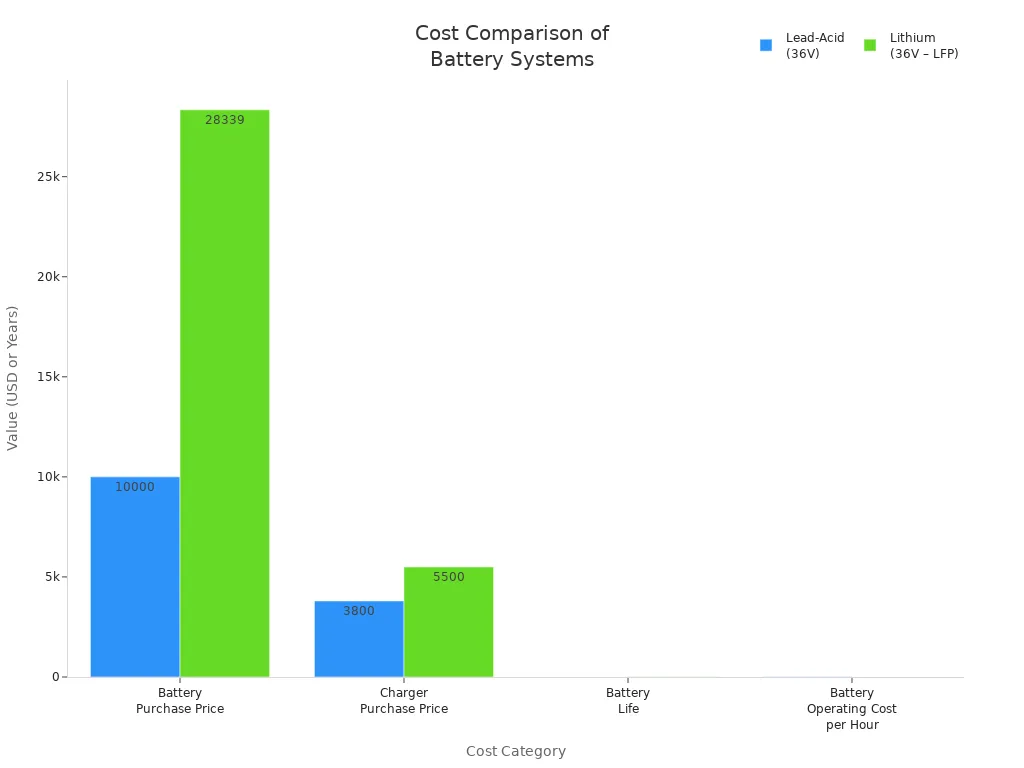
You pay more upfront for lithium battery packs, but you save on operating costs and replacement cycles. You also reduce maintenance and downtime. Alternative batteries, such as sodium-ion, show promise for extreme environments, but lithium chemistries remain the preferred choice for most railway Battery Systems.
Note: You should always consider total cost of ownership, not just purchase price, when choosing Battery Systems for critical infrastructure.
2.3 Compliance with IEC 62928
You must ensure your Battery Systems meet industry standards. IEC 62928 sets requirements for safety, reliability, and performance in railway applications. You protect your equipment and personnel by following these guidelines. The standard covers electrical, mechanical, and environmental testing. You also gain confidence that your battery packs will perform under real-world conditions. Many railway operators now require IEC 62928 compliance for all new Battery Systems. You should always verify certification before installation.
Tip: You can improve safety and reduce risk by choosing certified lithium battery packs for your railway inspection devices.
Part3: Battery Management and Maintenance
3.1 Protection and Control Modules
You rely on protection and control modules to keep your Battery Systems safe during railway track inspections. These modules, often called Battery Management Systems (BMS) and Protection Circuit Modules (PCM), monitor and control the flow of electricity within lithium battery packs. They help you prevent overcharging, deep discharging, and overheating. This ensures your devices operate safely and efficiently, even in demanding environments.
You need to understand the most common failure modes these modules detect. Here are the top issues:
Lack of redundancy in voltage, current, and temperature measurement can lead to catastrophic failure if sensors malfunction.
Instability in the microcontroller clock frequency can cause the BMS control system to malfunction, triggering dangerous failure conditions.
Errors in microcontroller firmware can prevent the BMS from diagnosing and controlling the electrical system, potentially leading to severe system failures.
You can see why robust BMS and PCM design is critical. These systems protect your investment and help you avoid costly downtime. In railway, industrial, and medical applications, you must choose lithium battery packs with advanced protection features.
Tip: Always verify that your lithium battery packs include certified BMS and PCM modules before deployment.
3.2 Monitoring and Diagnostics
You must monitor battery health to ensure reliable performance during long-distance inspections. Modern Battery Systems use advanced tools to assess the condition of lithium battery packs in real time. The table below shows two common tools and their functions:
Tool | Description |
|---|---|
Ohmmeters | Used to test the internal resistance of batteries in rail vehicles, ensuring they are in good condition for power supply. |
Battery Management System (BMS) | Monitors battery internal resistance in real-time, providing alerts for abnormal values to optimize performance and lifespan. |
You use ohmmeters for periodic checks. You rely on BMS for continuous monitoring and early warnings. This approach helps you detect problems before they cause failures. In railway and industrial sectors, you benefit from real-time diagnostics that extend battery life and reduce maintenance costs.
Note: Regular monitoring helps you maintain stable voltage and capacity, especially in lithium battery packs with high energy density and long cycle life.
3.3 Maintenance Best Practices
You need a structured maintenance plan to keep your Battery Systems operating at peak performance. Start with regular visual inspections. Look for signs of swelling, corrosion, or physical damage. Test battery voltage and internal resistance at scheduled intervals. Clean terminals and connectors to prevent poor contact.
You should also:
Update BMS and PCM firmware as recommended by the manufacturer.
Store lithium battery packs in a cool, dry place when not in use.
Replace batteries that show abnormal resistance or fail to hold charge.
Keep detailed maintenance records for each battery pack.
You improve safety and reliability by following these best practices. In railway track inspection, you cannot afford unexpected power loss. Proper maintenance ensures your lithium battery packs deliver stable power for every mission.
Callout: A proactive maintenance program reduces downtime and extends the service life of your Battery Systems.
Part4: Real-World Applications and Trends

4.1 Battery-Powered Inspection Vehicles
You see battery-powered inspection vehicles changing how you monitor railway tracks. These vehicles use lithium battery packs to deliver stable, emissions-free power. You benefit from lower fuel consumption, less maintenance, and improved reliability compared to traditional fuel-powered vehicles. The table below shows how battery-powered vehicles compare to fuel-powered options:
Aspect | Battery-Powered Vehicles | Traditional Fuel-Powered Vehicles |
|---|---|---|
Fuel Consumption | 2 to 3 gallons per service call | 10 to 15 gallons per service call |
Maintenance Costs | Minimal maintenance | Higher due to more engine usage |
Reliability | Zero downtime over 18 months | Potential downtime from engine issues |
Noise Levels | Reduced noise levels | Higher noise levels |
You notice that technicians prefer electrified setups. You get smoother operation and better control. You also find it easier and safer to position heavy components because there is no engine noise or vibration. Companies like MidSouth Aggregate have seen dramatic cuts in fuel costs and maintenance. You can expect shorter payback periods and improved equipment longevity when you switch to battery-powered systems.
4.2 Automated Track Monitoring Systems
You rely on automated track monitoring systems to collect data without human intervention. These systems use lithium battery packs for long-lasting, stable power. You can deploy them in remote areas where traditional power sources are not available. You see similar lithium battery applications in medical, robotics, security systems, infrastructure, consumer electronics, and industrial sectors. You benefit from high energy density, long cycle life, and reliable performance. Automated systems help you detect faults early and reduce the risk of accidents.
Tip: Use real-time monitoring to track battery health and optimize maintenance schedules for your automated systems.
4.3 Future Trends in Battery Systems
You see rapid advancements in battery energy density shaping the future of railway inspection devices. New technologies like sodium-ion and improved lithium-ion batteries allow you to operate longer and reduce maintenance needs. You notice the railway battery market growing as more companies shift to electrification and modern energy solutions. These trends support the move away from diesel and help you transition to hybrid and electric trains. You can expect cost-effective electrification and better sustainability across global rail networks.
Callout: Stay updated on the latest battery technologies to keep your inspection devices efficient and competitive.
You see advanced Battery Systems changing railway track inspection. Lithium battery packs give you stable, emissions-free power for long distances. You ensure safety and efficiency with compliance, strong management, and regular maintenance. New solutions keep emerging. For example, battery-electric propulsion systems and last-mile battery-powered locomotives lower costs and reduce emissions.
Innovation | Description |
|---|---|
Battery-electric propulsion system | Scalable lithium-ion batteries and charging make operation easier and cut ownership costs. |
Predictive maintenance and energy management systems help you save money and improve reliability.
The trend toward electrification and smart monitoring will shape the future of railway infrastructure.
FAQ
What makes lithium battery packs ideal for railway track inspection devices?
You gain high energy density, long cycle life, and stable platform voltage with lithium battery packs. These batteries deliver zero emissions and reliable performance. You can operate inspection devices over long distances without frequent recharging.
How do you ensure lithium battery packs meet safety standards?
You must verify compliance with IEC 62928. This standard covers electrical, mechanical, and environmental testing. You protect your equipment and personnel by choosing certified lithium battery packs.
What maintenance steps help extend lithium battery pack lifespan?
You should inspect batteries regularly, monitor internal resistance, and update Battery Management System firmware. Clean terminals and store packs in cool, dry places. Replace batteries showing abnormal resistance or failing to hold charge.
Tip: Keep detailed maintenance records for each lithium battery pack.
How does a Battery Management System (BMS) improve reliability?
You rely on BMS to monitor voltage, current, and temperature. BMS prevents overcharging, deep discharging, and overheating. You receive real-time alerts for abnormal values, which helps you avoid failures and extend battery life.
Can lithium battery packs operate in extreme environments?
You can use lithium battery packs in harsh conditions, but you must manage temperature carefully. LiFePO4 chemistry offers stable performance and long cycle life. You should monitor battery temperature and humidity during operation.


