

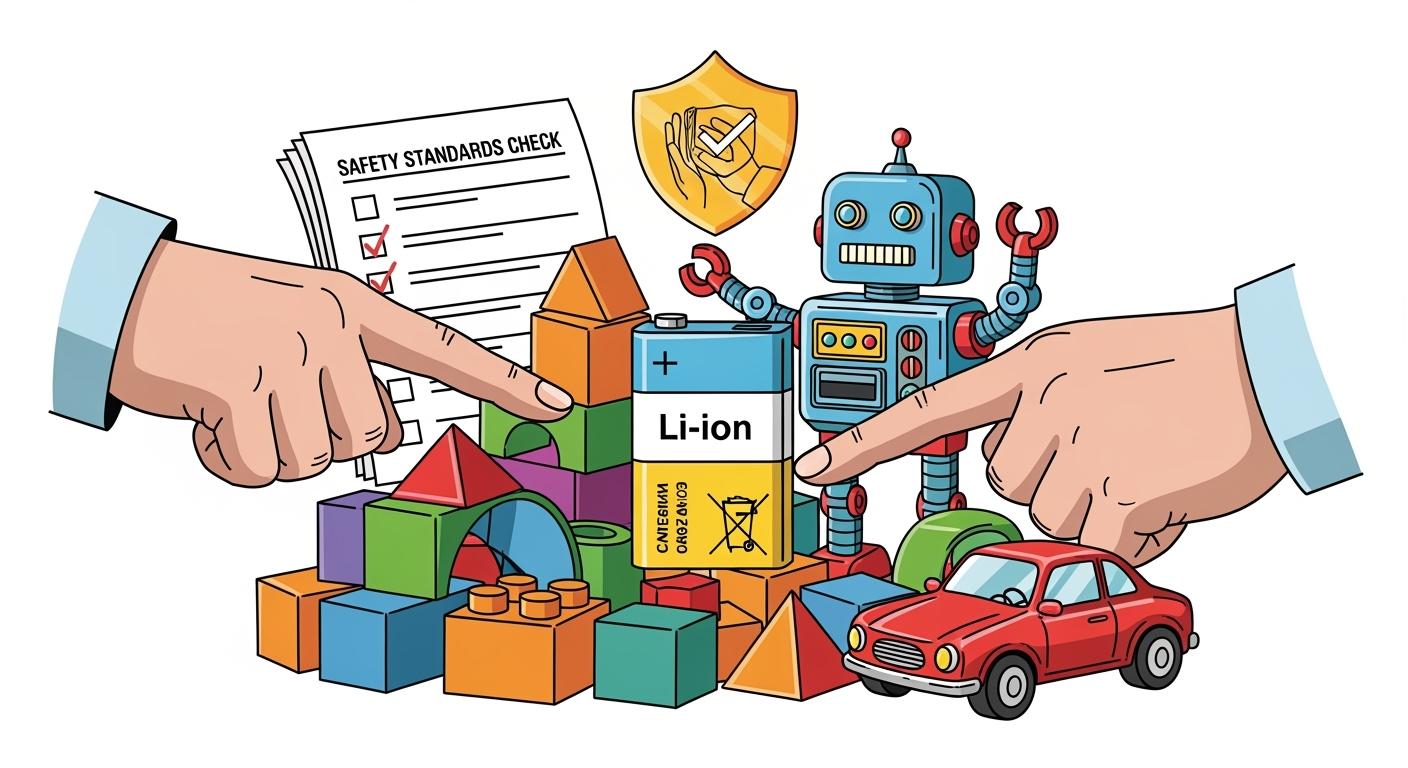
You face increasing pressure to meet battery safety standards in children’s products, especially with lithium and button cell batteries. Recent updates like ANSI/UL 4200A-2023 require tools to open battery compartments, raising safety expectations. Thousands of children suffer injuries each year from battery ingestion, with severe safety hazards and fatalities reported. Non-compliance with safety standards can lead to legal action and product recalls. You must prioritize battery safety, stay informed on evolving safety standards, and ensure you properly dispose of old batteries to protect children and your business.
Key Takeaways
Prioritize battery safety by designing secure compartments that require tools for access. This prevents children from easily reaching batteries.
Stay informed about evolving safety standards like ANSI/UL 4200A-2023. Compliance helps avoid legal issues and protects your brand.
Conduct regular third-party testing to ensure your toys meet safety regulations. This builds consumer trust and reduces the risk of recalls.
Maintain detailed documentation of safety tests and supplier certifications. Good records support compliance and help during audits.
Educate your team on safety standards and best practices. Training ensures everyone understands the importance of battery safety in toys.
Part1: Battery Safety Standards Overview
1.1 Defining Battery Safety Standards For Kids Toys
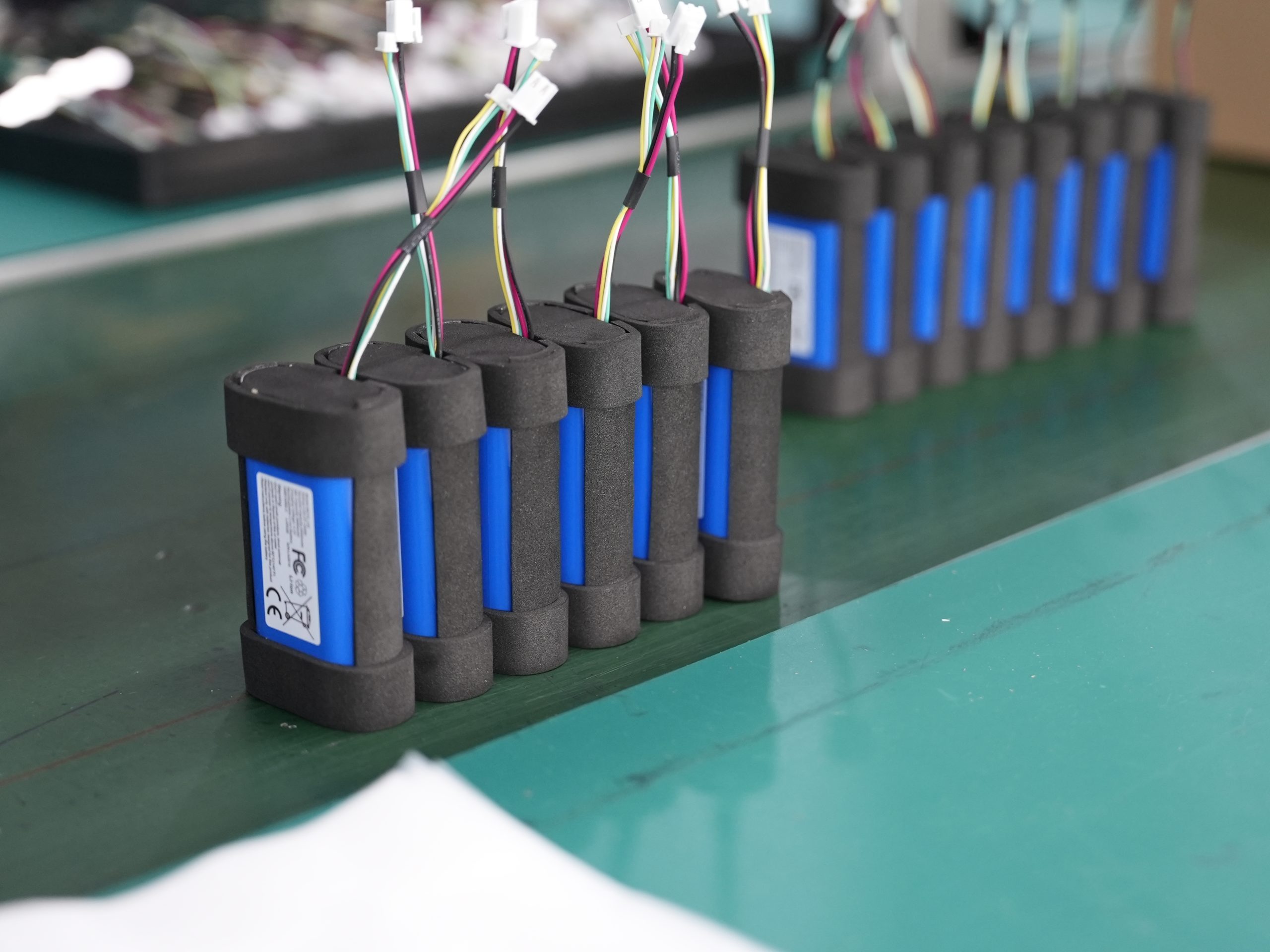
You must understand that battery safety standards for kids toys set strict requirements to protect children from hazards. These standards cover lithium and button cell batteries, which are common in modern toys. The Commission regularly reviews and updates toy safety standards to ensure the highest level of safety. For example, current regulations require battery compartments to need tools for opening, which prevents children from accessing batteries easily.
Test Procedure | Purpose |
|---|---|
Accessibility Test | Ensures children cannot open the compartment without tools. |
Ingress Protection | Prevents moisture and dust from causing shorts. |
Thermal Cycling | Assesses structural integrity under temperature extremes. |
IEC 62115 Compliance | Measures force and water penetration against international standards. |
You must follow toy safety regulations such as ASTM F963 and UL 62133 in the United States, and EN 62115 and IEC 62133 in the European Union. These standards require secure battery compartments and specific testing to ensure compliance.
1.2 Importance Of Safety Standards In Electric Toy Safety
Toy safety standards play a vital role in preventing injuries. In 2022, over 145,000 toy-related injuries were treated in US emergency departments for children under 12. Secure battery compartments and clear warning labels are essential features required by safety standards. You must ensure that your toys meet these regulations to avoid risks and protect children.
Note: Third-party testing is mandatory for all children’s toy products. You must obtain a Children’s Product Certificate to demonstrate compliance with toy safety regulations.
1.3 Risks Of Non-Compliance And Ingestion Hazards
Non-compliance with battery safety standards can lead to serious consequences. If children access batteries, they face risks such as ingestion, burns, and chemical exposure. Between 2016 and 2022, there were fifty reported nonfatal incidents related to battery compartment failures. These incidents highlight the importance of secure compartments and strict adherence to toy safety standards.
Hazard Type | Description |
|---|---|
Battery Compartment | Ensures batteries are securely enclosed to prevent access by children, reducing swallowing risks. |
Overheating | Testing evaluates protection against overheating, which can lead to burns or fires. |
Chemical Hazards | Prevents exposure to harmful chemicals from leaking batteries. |
You must comply with all toy safety regulations to avoid fines, product recalls, and damage to your brand reputation. Following battery safety standards protects both children and your business.
Part2: Toy Safety Standards And Lithium Battery Regulations
2.1 US Toy Safety Standards (CPSC, ASTM F963, UL 4200A)
You must follow strict toy safety standards in the United States to ensure the safety of kids toys with lithium batteries. The Consumer Product Safety Commission (CPSC) enforces regulations that address battery access and ingestion risks. ASTM F963-17 and ASTM F963-23 set safety requirements for electric toy safety, including electrical and mechanical safety. UL 4200A-2023 requires tools to open battery compartments, which helps prevent children from accessing batteries. UL 696 covers toys with electrical systems, focusing on risks like shock and fire. These standards protect children and help you meet compliance requirements.
Key US Safety Standards for Lithium Battery Packs:
ASTM F963-17: Addresses electrical safety for toys with lithium batteries.
ASTM F963-23: Enhances safety measures for battery-operated toys.
UL 4200A-2023: Requires secure battery compartments.
UL 696: Ensures safety against electrical hazards.
Test Procedure | Purpose |
|---|---|
Accessibility Test | Ensures children cannot open the compartment without tools. |
Ingress Protection | Prevents moisture and dust from causing shorts. |
Thermal Cycling | Assesses structural integrity under temperature extremes. |
IEC 62115 Compliance | Measures force and water penetration against international standards. |
Safety tip: Always use third-party testing to verify compliance with toy safety regulations and obtain safety certifications.
2.2 EU Toy Safety Standards (EN 62115, Toy Safety Directive)
You must also comply with European Union toy safety standards if you sell toys in the EU. EN 62115 and the Toy Safety Directive set requirements for electric toy safety, battery safety, and general risks. These standards require secure battery installation, protection against leakage, and prevention of electrical hazards. The Toy Safety Directive covers physical, chemical, and mechanical risks, ensuring the safety of children and caregivers.
Key Area | Description |
|---|---|
Electrical Safety | Prevents hazards from electrical circuits and ensures safe operation. |
Battery Safety | Requires secure battery installation and protection against leakage. |
General Risks | Addresses health and safety of children and caregivers. |
Particular Risks | Covers physical, mechanical, flammability, chemical, electrical, hygiene, and radioactivity. |
2.3 Global Safety Standards (IEC 62133, ISO)
You must understand global safety standards to ensure compliance in multiple markets. IEC 62133 is the main international standard for rechargeable lithium-ion batteries, including LiFePO4 Lithium battery, NMC Lithium battery, LCO Lithium battery, and LMO Lithium battery chemistries. This standard sets requirements for electrical, mechanical, and chemical safety. It includes tests for drop, crush, and performance throughout the battery’s lifespan. ISO standards also address safety requirements for battery packs in toys.
Region | Standard(s) | Key Requirements |
|---|---|---|
United States | ASTM F963 & UL 62133 | Batteries must be securely enclosed; button cell batteries require tools for access; lithium-ion batteries must pass safety tests. |
European Union | EN 62115 & IEC 62133 | Requires protection circuits; mandatory drop and crush tests for batteries. |
China | GB 19865-2005 & GB 6675.4-2014 | Aligns with IEC 62133; includes additional fire hazard tests. |
Japan | ST 2016 & JIS C8712 | Includes standards for battery casing durability to prevent leaks. |
2.4 Regional Differences In Battery Safety Standards
You must consider regional differences in safety standards and regulations when designing toys for global markets. The United States, European Union, China, and Japan each have unique requirements for lithium battery packs in toys. For example, the US uses UL 1642 and UL 2054, while the EU requires CE Marking and EN IEC 62485-5. China and Japan have their own national standards and certification systems. These differences affect your compliance strategies and product design.
Region | Key Regulations and Standards |
|---|---|
United States | UL 1642, UL 2054, UN/DOT 38.3, FCC, OSHA |
European Union | CE Marking, EN IEC 62485-5, EN IEC 62619, UN 38.3, IEC 62619, Battery Passport |
China | GB 31241-2014, GB/T 31485, CCC Certification, UN 38.3 |
Japan | PSE Mark, METI Safety Guidelines |
Other Markets | India (IS 16046), South Korea (KC Certification), Australia (ADR, AS/NZS standards) |
You must stay updated on changes to toy safety regulations and safety requirements in each region. This approach helps you avoid costly recalls and ensures the safety of children using your toys.
Part3: Compliance Requirements For Kids Toys
3.1 Secure Battery Compartments And Mechanical Strength
You must design battery compartments in kids toys to meet strict safety standards. Secure battery compartments prevent children from accessing lithium battery packs without tools. Screw-fastened covers and robust mechanical strength are essential. If you use button or coin batteries, you must ensure the compartment passes all safety testing. Inadequately secured compartments often fail toy safety regulations due to ingestion hazards.
Feature | Description |
|---|---|
Secure battery compartments | Must prevent child access to batteries without tools. |
Screw-fastened covers | Ensures that battery compartments are securely closed. |
Proper polarity markings | Helps in correct battery installation to prevent hazards. |
Prevention of overheating | Reduces risk of battery leakage and potential hazards. |
Mechanical strength requirements | Ensures compartments withstand force and prevent access. |
Testing methods such as IEC 62115, ASTM F963-23, and UL 4200A-23 verify that compartments withstand force and remain secure. Drop testing also checks durability after accidental drops.
3.2 Overheating Protection And Electric Toy Safety
You must address overheating risks in electric toy safety. Signs of overheating include a hot surface, burning smell, or swollen battery compartment. Regular inspection and proper battery handling reduce these risks. Always use the correct battery type and never mix old and new batteries. Safety testing procedures check for heating, electric strength, and moisture resistance. These steps help you comply with safety standards and toy safety regulations.
Safety tip: Discard any toy that emits heat or smells burnt to prevent hazards.
3.3 Marking, Labeling, And Instructions For Toy Safety Standards
You must follow labeling requirements set by toy safety standards and safety regulations. Markings must specify battery type, size, number, and polarity. Warnings about ingestion hazards are mandatory, especially for button cell batteries. If the toy is too small for a label, include safety information on packaging or a hangtag. Clear instructions for non-replaceable batteries and proper battery handling must be provided to meet compliance and certification requirements.
Standard | Requirement |
|---|---|
ASTM F963 | Must specify battery type, size, and number; include battery polarity, size, and voltage markings. |
UL 4200A-23 | Requires warning label for ingestion hazard; can use internationally recognized warning icon if small. |
Section 1263.4 | Establishes warning label requirements for packaging of button cell batteries. |
ANSI Z535.4 | Provides guidelines for safety signs and labels, including design and placement recommendations. |
3.4 Age-Appropriate Design And Hazard Prevention
You must design toys to match the age group of children. For children under 3 years, avoid exposed electrical components. For ages 3-8, secure battery compartments with screws and use only low-voltage DC power. For ages 8 and above, provide clear instructions and ensure components do not exceed 24V DC. User testing and compliance with safety standards help reduce battery-related incidents. Age-appropriate design and proper safety certifications protect children and support consumer product safety.
Age Group | Design Considerations |
|---|---|
Under 3 years | Must not contain any electrical components that can be touched; only low-voltage power sources allowed. |
Ages 3-8 | Battery compartments must be secured with screws; low-voltage DC power only, with no exposed wires. |
Ages 8+ | Clear instruction manuals for safe assembly; circuit components should not exceed 24V DC; shock-resistant insulation required for exposed wires. |
You must follow all toy safety regulations, safety standards, and certification requirements to ensure compliance and protect your brand.
Part4: Testing, Certification, And Practical Tips
4.1 Electric Toy Safety Testing Procedures
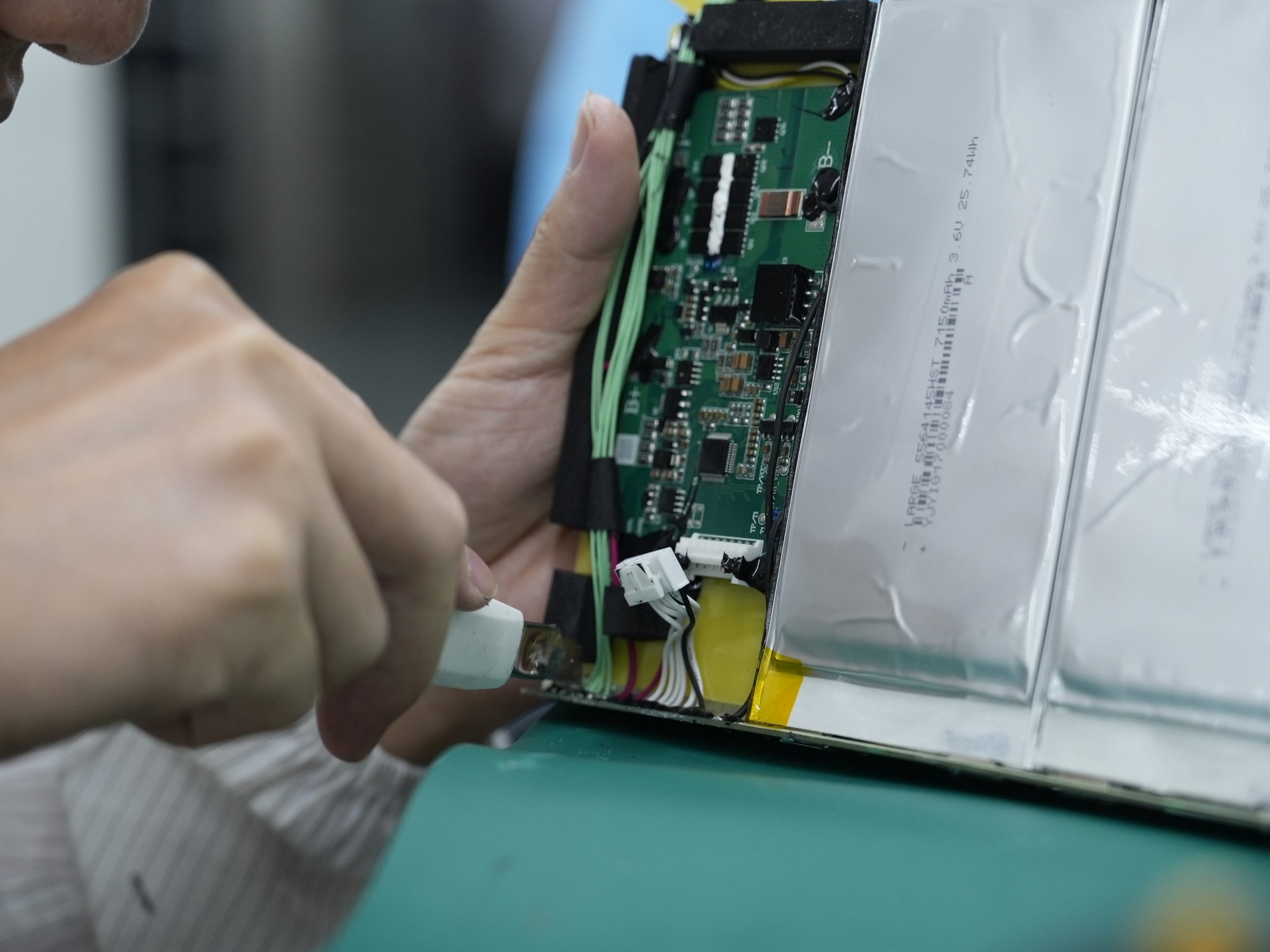
You must follow strict testing procedures to meet safety requirements for toys with lithium battery packs. Testing ensures your products comply with regulations and protect children from hazards. The table below summarizes key standards and their focus areas:
Standard | Description |
|---|---|
16 CFR Part 1263 | Addresses button cell or coin batteries, requiring secure compartments and warning labels. |
ASTM F963 | Covers toy safety, including small parts testing and battery compartment requirements. |
CPSIA | Sets substance restrictions and testing requirements for children’s products with lithium batteries. |
Testing includes accessibility checks, mechanical strength, and chemical safety. You must verify that battery compartments cannot be opened by children and that batteries do not leak or overheat during use.
4.2 Certification For Battery Safety Standards (UL, CE)
You need to obtain safety certifications to demonstrate compliance with battery safety standards. The certification process involves several key requirements:
Certification Process | Details |
|---|---|
Standard Requirements | All products with button batteries must pass UL4200A tests and have a valid UL test report. |
Purpose | Reduces the risk of children swallowing button batteries. |
Scope | Applies to consumer products with button or coin batteries. |
Exclusions | Toys compliant with 16 CFR Part 1250, products using zinc-air batteries, and professional-use items. |
Key Tests | Battery impact, compression, glow-wire, overcharge, friction, needle puncture, pressure, short-circuit, and fire resistance tests. |
CE certification is mandatory for toys sold in the EU. It shows your products meet health, safety, and environmental standards, which builds consumer trust and supports compliance with regulations.
4.3 Avoiding Counterfeit Batteries In Kids Toys
You must source batteries from reputable suppliers to meet safety requirements and avoid counterfeit products. Counterfeit batteries often fail safety standards and increase the risk of overheating, leakage, or fire. Always request documentation and safety certifications from your suppliers. Conduct regular audits and pre-compliance testing to ensure all lithium battery packs in your toys meet current regulations.
Safety tip: Never use batteries without clear traceability or proper documentation. This protects children and supports consumer product safety.
4.4 Documentation And Ongoing Compliance
You must maintain detailed records to demonstrate ongoing compliance with safety requirements and regulations. Documentation should cover all aspects of battery safety, including design, testing, and supplier information. The table below highlights important documentation sections:
Section | Description |
|---|---|
4.25 | Addresses safety of all battery-operated toys. |
4.25.4 | Discusses hazards of choking or swallowing batteries. |
4.25.4.1 | Focuses on battery accessibility for children under 3 years old. |
4.25.4.2 | Addresses accessibility of small part batteries, including button cell or coin cell batteries. |
Updates | Strengthened requirements for battery accessibility and safety testing. |
To maintain compliance, you should audit your product line, source alternative materials if needed, and train your supply chain on new regulations. Pre-compliance testing and robust data systems help you adapt to evolving standards and ensure consumer product safety.
You must take clear steps to comply with battery safety standards for kids toys. Secure battery compartments protect children from hazards. Regular testing and certification help you meet regulations. Stay alert to updates in safety standards. Prioritize electric toy safety to safeguard children and your brand reputation. Strict adherence ensures your products remain trusted in the market.
FAQ
What lithium battery chemistries are most common in children’s toys?
You often find LiFePO4 Lithium battery, NMC Lithium battery, LCO Lithium battery, and LMO Lithium battery in toys. Each chemistry offers different platform voltages, energy densities, and cycle lives. Always select the chemistry that matches your product’s safety and performance needs.
How do you ensure battery compartments meet safety standards?
You must design compartments that require a tool for access. Use screw-fastened covers and test for mechanical strength. Follow standards like ASTM F963 and UL 4200A to verify compliance and prevent child access to lithium battery packs.
Why is third-party testing important for lithium battery compliance?
Third-party testing verifies that your toys meet all safety standards. It helps you identify design flaws, ensures regulatory compliance, and reduces the risk of recalls or legal penalties. Testing also builds trust with retailers and consumers.
What documentation should you keep for battery safety compliance?
You should keep test reports, supplier certifications, design records, and compliance certificates. Maintain detailed records for each lithium battery pack, including chemistry type and safety test results. Good documentation supports audits and regulatory inspections.
Can you use the same lithium battery pack for toys and industrial products?
No, you must select battery packs designed for the specific application. Toys require strict safety features and certifications. Industrial lithium battery packs may not meet toy safety standards. Always match the battery chemistry and design to the intended use.


