


When you start camera battery selection for security, you need to focus on battery type, capacity, and how well the battery matches your camera and monitoring needs. Outdoor security and video surveillance systems require batteries that support 24/7 monitoring, especially for battery-powered cameras in wireless outdoor security system setups. Lithium battery packs, such as LiFePO4 and NMC, offer excellent battery longevity for reliable outdoor surveillance and indoor high-security surveillance in intelligent city surveillance. The table below shows the advantages and disadvantages of common battery types:
Battery Type | Advantages | Disadvantages |
|---|---|---|
Lead-Acid | Secure power, Cost-efficient, dependable | Needs upkeep, heavy, shorter lifespan |
LFP | Lightweight, long service life, safe | Lower Energy Density, Lower Power Density |
NMC | Higher Energy Density, Higher Power Density | Higher Cost, shorter lifespan |
You must match the battery to your camera, outdoor conditions, and surveillance requirements to ensure dependable performance.
Key Takeaways
Choose lithium battery packs like LiFePO4 or NMC for outdoor security cameras. They offer long life and stable performance in harsh conditions.
Match battery capacity to your camera’s usage. Higher capacity batteries provide longer runtime, essential for continuous monitoring.
Verify voltage compatibility with your camera model. Using the wrong voltage can damage your camera and disrupt security coverage.
Consider environmental factors when selecting batteries. Temperature extremes can affect battery efficiency and lifespan.
Prioritize suppliers with strong reputations and warranties. Reliable support ensures your security system remains operational.
Part1: Camera Battery Selection Essentials
1.1 Battery Capacity & Runtime
When you begin camera battery selection for security systems, battery capacity stands out as a primary factor. Capacity, measured in milliamp-hours (mAh) or watt-hours (Wh), determines how long your camera can operate before needing a recharge. For commercial outdoor surveillance, you should consider battery packs in the 5,000–10,000 mAh range. Higher capacity means longer runtime, which is critical for continuous monitoring in high-traffic or remote locations.
Tip: Always match battery capacity to your expected camera usage and site activity. Cameras in busy areas require more frequent activations, which increases power consumption.
Here is a quick reference for how battery capacity impacts runtime and best use cases:
Battery Capacity | Estimated Runtime | Best Use Case |
|---|---|---|
2000mAh | 1-2 weeks | Low-traffic, easy access for charging |
4000mAh | 2-4 weeks | Moderate usage, standard features |
6000-10000mAh | 2-3 months | High-traffic, premium features, outdoor sites |
Outdoor environments introduce challenges that affect battery performance. Cold weather can reduce battery efficiency by up to 30%. High temperatures can degrade battery health. Real-world runtime often falls below manufacturer claims, especially when cameras activate frequently due to motion detection. You should set realistic expectations and plan for regular maintenance.
1.2 Voltage & Model Compatibility
Selecting the correct voltage and model compatibility is essential for reliable security camera operation. Using batteries with the wrong voltage can cause immediate damage to the camera’s circuit board. Common symptoms include random reboots, flickering infrared LEDs, and unstable video feeds. These issues can compromise your security coverage.
Manufacturers provide specification sheets that detail the required voltage and current for each camera model. You must review these documents carefully. Features like infrared LEDs or PTZ motors increase power demands, especially at night. Always choose lithium battery packs (LiFePO4, NMC) that match the camera’s voltage and current requirements to ensure stable performance and protect your investment.
1.3 Environmental Performance
Outdoor surveillance systems face harsh conditions. Environmental factors such as motion detection frequency, weather, and Wi-Fi signal strength all impact battery life. Cameras that detect frequent motion drain batteries faster because they must wake up, process images, and transmit data each time an event occurs.
Lithium-ion batteries outperform alkaline options in extreme temperatures. For example, the HL18650V lithium battery operates reliably from -40°C to +85°C. Special electrolytes and separators in lithium battery packs maintain performance in both cold and heat. This ensures your security system remains operational during winter storms or summer heatwaves. Stable voltage output from lithium chemistries prevents camera malfunctions, supporting continuous monitoring and safety features.
1.4 Size & Installation
Battery size and form factor influence installation options for outdoor security cameras. Most commercial systems use lithium-ion (Li-ion) or lithium-polymer (Li-Po) packs due to their high energy density and lightweight design. These batteries support flexible mounting and compact camera designs.
Battery Type | Characteristics |
|---|---|
Alkaline (AA/AAA) | Used in budget cameras, not rechargeable, frequent replacements needed |
NiMH | Reusable, eco-friendly, lower energy density |
Lithium-Ion (Li-ion) | High capacity, lightweight, long-lasting, ideal for outdoor use |
Lithium-Polymer | Slim, flexible, fits compact designs |
You should select battery packs that fit your camera’s housing and installation site. Larger packs offer longer runtime but may require more space and longer charging times. For sustainable solutions, consider the environmental impact of your battery choice.
Note: Proper battery selection ensures your security features remain active and your surveillance system operates without interruption.
Part2: Safety & Reliability in Security Systems
2.1 Built-in Safety Features
You must prioritize safety when selecting batteries for security camera systems. Lithium battery packs, such as LiFePO4 and NMC, use advanced Battery Management Systems (BMS) to protect your surveillance equipment. A BMS monitors voltage, current, and temperature to prevent overheating and fire accidents. It also balances cells for efficient energy use and longer product life.
Safety Feature | Description |
|---|---|
Safety Protection | Protects against heat accumulation and overheating, preventing catastrophic failures and fire accidents. Continuous monitoring of voltage, current, and temperature ensures safe operation. |
Thermal Resistance | Provides 100% protection against thermal fluctuations, high impact forces, mechanical shocks, and vibrations. |
Cell Balancing | Ensures efficient energy utilization within battery cells, increasing product life cycle and enhancing sustainability. |
Remote Tracking | Enables tracking of the device’s state (charging, discharging, or idle) and location, enhancing operational safety. |
These features help you maintain reliable security coverage and reduce the risk of downtime.
2.2 Cycle Life & Durability
You need batteries that last through many charge and discharge cycles. High-quality lithium battery packs deliver long cycle life, which means your camera systems stay operational for years. Durability matters for outdoor installations. Batteries must withstand temperature changes, humidity, and physical stress. If a battery fails, your camera may shut down during cold weather or overnight. This creates gaps in your security and increases risk. Reliable batteries support continuous surveillance and protect your assets.
2.3 Standards & Certifications
You should only use batteries that meet strict industry standards. Certifications show that a battery has passed safety and performance tests. The table below lists important standards for security camera batteries:
Standard | Description |
|---|---|
UL 1642 | Standard for Lithium Batteries |
UL 2054 | Standard for Household and Commercial Batteries |
UL 1989 | Standard for Valve Regulated or Vented Batteries |
UL 4200A | Standard for Products Incorporating Button Batteries or Coin Cell Batteries |
UL 2271 | Standard for Batteries for Use in Light Electric Vehicle (LEV) Applications |
UL 2056 | Standard for Power Banks |
UL/CSA/IEC 60950 | Standard for Information Technology Equipment |
UL/CSA/IEC 60065 | Standard for Audio, Video and Similar Electronic Apparatus |
IEC/UL 62133-1 | Safety Requirements for Portable Sealed Secondary Cells – Nickel Systems |
IEC/UL 62133-2 | Safety Requirements for Portable Sealed Secondary Cells – Lithium Systems |
Japan’s DENAN Ordinance | National safety regulation for batteries |
CTIA—IEEE 1625 and 1725 | Standards for rechargeable batteries in mobile devices |
Taiwan’s BSMI standards | National standards for battery safety |
IATA/UN DOT/UN 38.3 | Transportation safety standards for lithium batteries |
You should verify that your supplier provides batteries with these certifications. This ensures your security system meets legal and operational requirements.
Tip: Always choose batteries with proven safety features, long cycle life, and proper certifications for your security camera installations.
Part3: Comparing Battery Types for Security
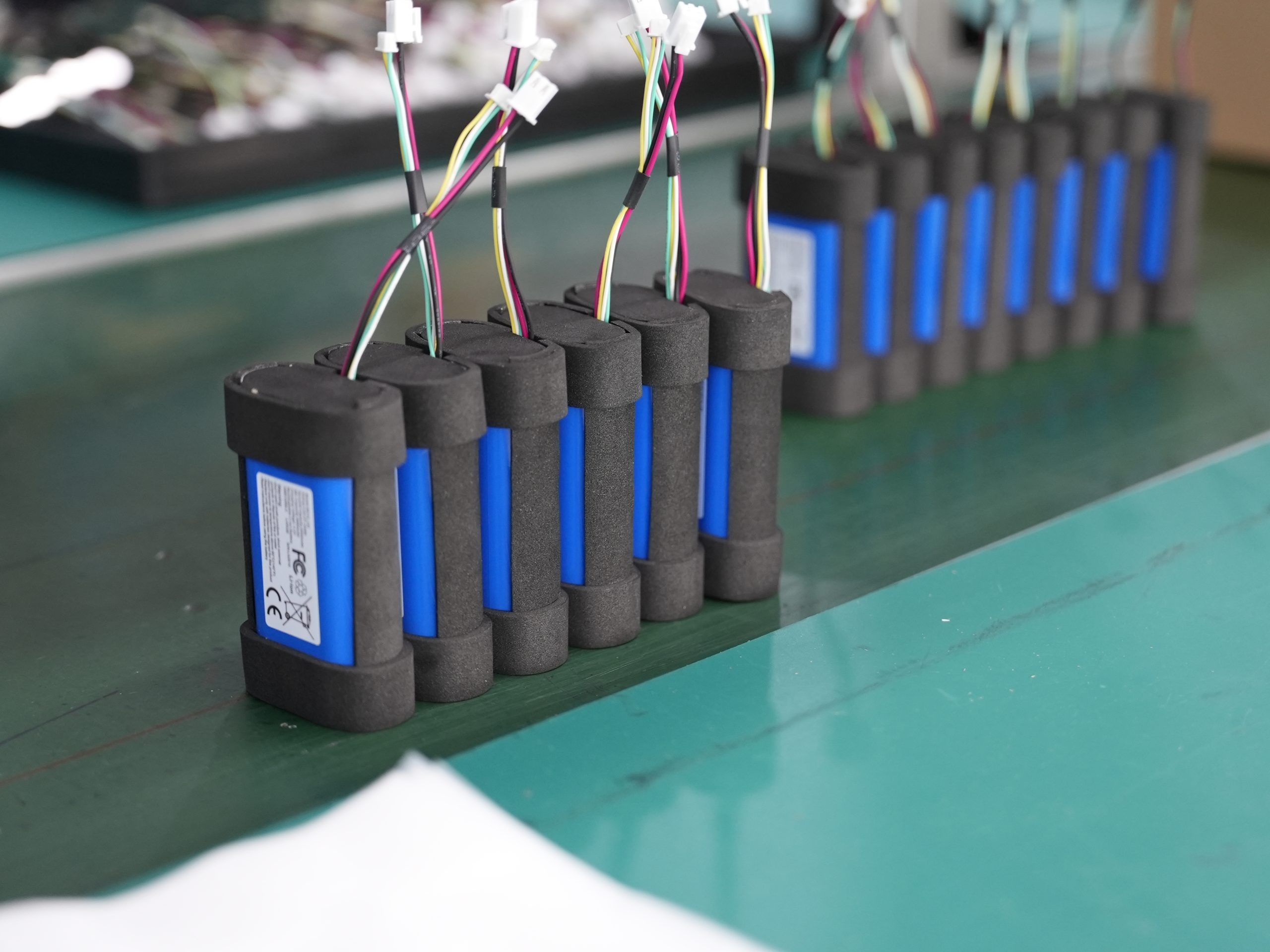
3.1 Lithium-Ion & LFP Advantages
You need to understand why lithium-ion (Li-ion) and lithium iron phosphate (LiFePO4, or LFP) batteries lead the market for outdoor security camera applications. These batteries deliver high energy density, which allows you to design compact camera systems for outdoor and intelligent city surveillance. You benefit from a low self-discharge rate, so your security cameras retain charge even during storage. Both chemistries offer long cycle life, supporting multi-year operation for video surveillance systems.
High energy density (150–250 Wh/kg) enables compact camera designs.
Low self-discharge rate (2–3% per month) maintains charge during storage.
Long cycle life (Li-ion: 300–500 cycles; LFP: up to 4000+ cycles) ensures reliable outdoor surveillance.
Consistent voltage output keeps camera performance stable.
Fast charging capability reduces downtime between charging cycles.
LFP batteries provide excellent thermal stability and safety, which is crucial for outdoor environments.
Battery Type | Safety | Lifespan | Energy Density | Typical Voltage | Cycle Life (cycles) |
|---|---|---|---|---|---|
Li-ion | Moderate | Long (hundreds) | High | 3.6–3.7 V | 300–500 |
LFP | High | Very Long (up to 4000+) | Lower | 3.2–3.3 V | 2000–4000+ |
Note: LFP batteries excel in safety and lifespan, making them ideal for outdoor security features in harsh conditions.
3.2 NMC & Lead-Acid Options
Nickel manganese cobalt (NMC) batteries offer higher energy density and good low-temperature performance. You may choose NMC for applications that demand compact size and strong performance in cold climates. However, NMC batteries come with higher costs and a shorter lifespan compared to LFP.
Lead-acid batteries remain cost-efficient and dependable for some security applications. You might select lead-acid batteries if you need compatibility with existing infrastructure or require a solution that endures frequent power outages. However, lead-acid batteries are heavy, require regular maintenance, and have a shorter lifespan.
Advantages | Disadvantages | Typical Voltage | Energy Density | Cycle Life (cycles) | |
|---|---|---|---|---|---|
High energy density, good cold weather | Higher cost, shorter lifespan | 3.6–3.7 V | 150–220 Wh/kg | 500–1000 | |
Lead-Acid | Cost-efficient, dependable, compatible | Heavy, needs maintenance, short life | 2.0 V/cell | 30–50 Wh/kg | 200–500 |
3.3 Choosing the Right Chemistry
You should select the battery chemistry that matches your camera’s operational needs and the demands of your outdoor security environment. Consider these factors:
Factor | Description |
|---|---|
Battery Capacity | Essential for consistent operation; outdoor cameras typically require at least 2000mAh. |
Environmental Stress | Batteries must withstand humidity, precipitation, and physical impacts. |
Continuous Operation | Batteries must support constant power drain from high-definition cameras and wireless transmitters. |
Peak Demands | Batteries should handle power surges from features like infrared or PTZ motors. |
Maintenance Needs | Long cycle life reduces replacements and lowers maintenance costs. |
LFP batteries provide the best safety and lifespan for outdoor security.
Li-ion and NMC batteries offer high energy density for compact camera designs.
Lead-acid batteries suit legacy systems and cost-sensitive projects but require more maintenance.
Tip: For reliable outdoor surveillance, prioritize lithium battery packs with high cycle life and robust safety features. This approach ensures your security system delivers consistent performance and minimizes downtime.
Part4: Power & Charging Solutions

4.1 Charging Methods
You have several charging options for battery powered wireless security camera systems. Most outdoor cameras use USB-C or Micro-USB cables for direct charging. Some brands offer magnetic charging docks, which simplify the process and reduce wear on connectors. Solar panel charging stands out as a sustainable choice for outdoor installations. Connecting a camera to a small solar panel can keep it charged efficiently. Just 10–30 minutes of continuous solar charging can power a camera for 24 hours. Charging times depend on battery size:
3000mAh: about 2 hours
5200mAh: about 3–4 hours
10000mAh: about 5–6 hours
Tip: Choose a charging method that matches your camera’s deployment and maintenance schedule.
4.2 Solar & Backup Integration
Solar power offers a reliable solution for outdoor battery smart home security camera systems. Solar-powered cameras operate without greenhouse gas emissions and help lower your carbon footprint. These systems align with sustainability goals and reduce environmental impact. The table below summarizes the benefits and limitations of solar integration:
Benefits | Limitations |
|---|---|
Extended operational capabilities | Initial costs |
Cost efficiency | Environmental conditions affect battery performance |
Environmental friendliness | Need for proper battery management systems |
Backup power solutions, such as Uninterruptible Power Supplies (UPS), ensure your security cameras remain active during outages. UPS devices provide emergency power, prevent loss of critical surveillance footage, and protect against electrical damage.
4.3 Maintenance Tips
Proper maintenance extends the life of your battery and ensures reliable security. Keep the battery’s state of charge between 20% and 80% to prolong lifespan. Avoid frequent full discharges and do not charge lithium batteries to 100% or let them drop to 0%. Charge batteries in a cool environment to prevent heat buildup, which can degrade performance. Discharge lithium batteries to about 20% before recharging to preserve chemical stability.
Note: Regular maintenance and smart charging habits help you achieve continuous outdoor surveillance and reduce downtime for your camera systems.
Part5: Supplier & Warranty Considerations
5.1 Supplier Reputation
You should always evaluate the reputation of your supplier before selecting a battery for your outdoor security camera system. Established brands often provide reliable products that have proven performance in real-world surveillance and monitoring applications. Customer reviews and testimonials offer valuable insights into the supplier’s reliability and the quality of their support. Facility managers and security professionals often share their experiences, highlighting satisfaction with battery longevity and consistent charging performance. Industry certifications, such as ISO or UL, confirm that the supplier meets strict standards for quality and professionalism. These certifications help you trust that your outdoor camera battery will perform as expected in demanding environments.
5.2 Warranty & Support
Warranty terms play a critical role in your decision-making process. A strong warranty demonstrates the supplier’s confidence in their battery packs and their commitment to your security operations. You should look for clear warranty coverage that includes both the battery and charging components. Comprehensive support services, such as troubleshooting and installation guidance, can save you time and reduce downtime for your outdoor surveillance system. Responsive customer support ensures you receive help quickly if technical issues arise. This support is especially important for large-scale security deployments where uninterrupted monitoring is essential.
Warranty Feature | Why It Matters for Outdoor Security Cameras |
|---|---|
Length of Coverage | Longer coverage protects your investment |
Scope of Warranty | Covers battery, charging, and related components |
Support Availability | Fast response reduces surveillance interruptions |
Tip: Always review the warranty policy and support options before finalizing your battery supplier.
5.3 Customization Options
Outdoor security camera systems often require custom battery solutions. You may need specific chemistries, such as LiFePO4 or NMC, to match your camera’s power and charging needs. Leading suppliers offer customization for capacity, voltage, and form factor. This flexibility ensures your battery fits the camera housing and meets the demands of outdoor surveillance. Custom solutions also help you address unique installation challenges, such as remote locations or harsh weather. When you work with a supplier that provides tailored options, you can optimize your monitoring system for both performance and reliability.
Note: Custom battery packs can improve runtime and reduce maintenance, especially for outdoor security applications with high charging demands.
Part6: Decision Guide & Common Mistakes
6.1 Step-by-Step Selection
You can streamline camera battery selection by following a clear checklist. This approach helps you match your security system’s needs with the right lithium battery pack.
Identify your camera’s voltage and current requirements.
Calculate the required battery capacity based on expected runtime and camera activity.
Choose the appropriate lithium chemistry (LiFePO4, NMC, LCO, LMO) for your environment.
Verify compatibility with your camera model and installation site.
Check for essential safety features, such as BMS and thermal protection.
Confirm certifications (UL, IEC, IATA) for compliance and transport.
Evaluate supplier reputation, warranty, and support services.
Consider custom solutions for unique commercial or industrial applications.
Tip: Use this checklist for every camera battery selection project to ensure reliable and safe operation.
6.2 Mistakes to Avoid
You can avoid common pitfalls by staying alert to these issues:
Selecting batteries with incorrect voltage or insufficient capacity.
Ignoring environmental factors like temperature and humidity.
Overlooking the need for certified lithium battery packs.
Failing to match battery chemistry to operational demands.
Neglecting supplier support and warranty terms.
Mistake | Impact on Security System |
|---|---|
Wrong voltage/capacity | Camera malfunction or shutdown |
Poor environmental performance | Reduced battery life |
Lack of certifications | Safety and legal compliance risks |
Incompatible chemistry | Shorter lifespan, safety issues |
Weak supplier support | Increased downtime, higher costs |
6.3 Application Scenarios
Lithium battery packs power a wide range of professional systems. Here are examples from key sectors:
Sector | Application Example | Preferred Chemistry |
|---|---|---|
Security Systems | Outdoor wireless surveillance, PTZ cameras | LiFePO4, NMC |
Medical | Portable diagnostic devices, emergency monitors | LCO, NMC |
Robotics | Autonomous patrol robots, industrial AGVs | LFP, NMC |
Infrastructure | Remote monitoring stations, smart grid sensors | LiFePO4 |
Consumer Electronics | Smart home hubs, wireless sensors | LCO, LMO |
Industrial | Process control cameras, hazardous area monitoring | LiFePO4, NMC |
You can see that camera battery selection impacts reliability and safety across many industries. Always tailor your choice to the operational environment and application requirements.
You can achieve reliable outdoor surveillance by following a clear process for camera battery selection. Start by checking your camera and security system requirements. Choose a lithium battery pack with the right capacity for outdoor use. Confirm that the battery matches your camera and outdoor environment. Work with trusted suppliers to ensure your security and surveillance needs are met. Use the decision guide to avoid mistakes and improve your outdoor camera performance. Consult suppliers for custom battery solutions that support your surveillance goals.
Review camera and security needs
Select lithium battery packs for outdoor use
Confirm battery and camera compatibility
Partner with reliable suppliers for security
Use the decision guide for surveillance success
FAQ
What is the best battery chemistry for outdoor security cameras?
You should choose LiFePO4 or NMC lithium battery packs for outdoor security cameras. These chemistries offer long cycle life, stable voltage, and strong performance in harsh environments. They also provide reliable power for continuous operation.
How do temperature changes affect battery performance in surveillance systems?
Temperature swings can reduce battery efficiency. Cold weather lowers capacity and runtime. High heat can shorten battery lifespan. You should select lithium battery packs designed for wide temperature ranges to keep your surveillance system running smoothly.
Can I use solar charging with lithium battery packs for security applications?
Yes, you can integrate solar charging with lithium battery packs. Solar panels provide a sustainable power source for remote security installations. Make sure your battery pack supports solar input and includes a proper charge controller for safe operation.
How often should I replace batteries in surveillance camera systems?
You should replace lithium battery packs every 3–5 years, depending on cycle life and usage. Regular maintenance and monitoring help you detect performance drops early. High-quality packs last longer and reduce replacement costs.
What certifications should I look for when selecting batteries for security systems?
You should look for certifications like UL, IEC, and UN 38.3. These standards confirm that your lithium battery packs meet safety and transport requirements. Certified batteries help you comply with regulations and ensure reliable operation.


