

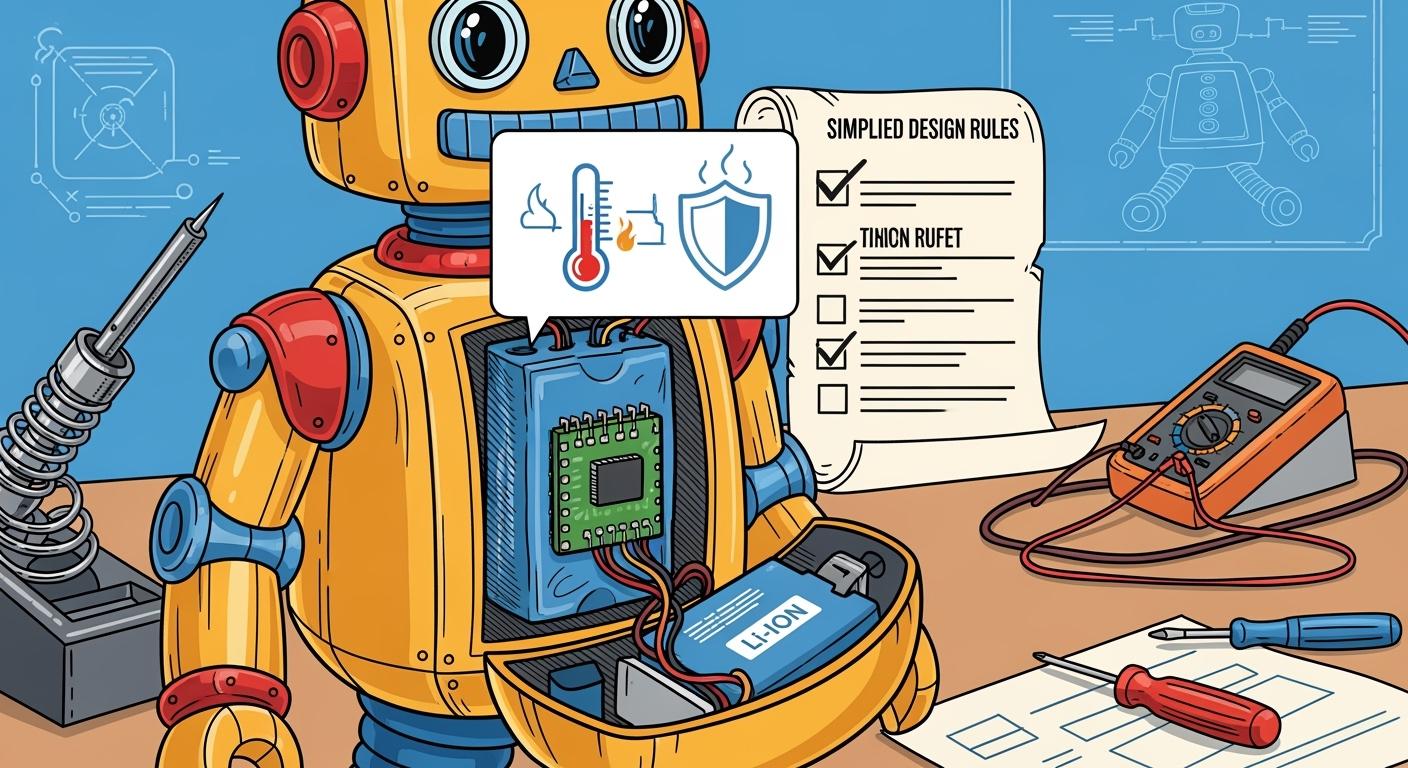
When you build rechargeable battery packs for toys, you must understand the specific power needs of your application. Choose lithium battery cells that match these requirements and always include robust protection circuits. Focus on safety by planning each step, using the right connection methods, and controlling heat within the pack. Industry standards require clear warning labels, proper disposal instructions, and compliance with ASTM F963-23 and IEC 62133 for safety and reliability.
Key Takeaways
Understand your toy’s power needs before building a battery pack. This ensures the right voltage, current, and runtime.
Select lithium cells carefully. Match chemistry and specifications to ensure safety and performance.
Integrate a Battery Management System (BMS) to monitor and protect your battery pack from electrical hazards.
Prioritize thermal safety by ensuring proper cell spacing and ventilation in your battery pack design.
Conduct regular maintenance checks to ensure your battery packs remain safe and reliable over time.
Part1: Planning Rechargeable Battery Packs
1.1 Power Requirements and Pack Sizing
You should start by understanding the power needs of your toy or device. This step ensures that your rechargeable battery packs deliver the right voltage, current, and runtime. Follow these steps to determine the optimal pack size and output:
Check the required operating voltage for your device.
Identify the device’s power consumption in watts.
Measure the maximum current draw in amperes.
Decide how long you want the battery to last per charge.
Calculate the required battery capacity using this formula:
Capacity (Ah) = Device Power (W) × Operating Time (h) / Battery Voltage (V).Confirm that the battery can handle the maximum discharge current.
Choose the right battery pack type for your application, such as standard, high-discharge, or custom packs.
Tip: Always size your battery pack with a safety margin to handle unexpected power surges.
1.2 Cell Selection and Matching
Selecting and matching lithium cells is critical for safety and performance. You must consider chemistry, supplier, and charger compatibility. The table below compares common lithium battery chemistries used in rechargeable battery packs for sectors like medical, robotics, security, infrastructure, consumer electronics, and industrial applications:
Chemistry | Platform Voltage (V) | Energy Density (Wh/kg) | Cycle Life (cycles) | Typical Applications |
|---|---|---|---|---|
LiFePO4 | 3.2 | 90–120 | 2000–4000 | Medical, Industrial, Security |
NMC | 3.7 | 150–220 | 1000–2000 | Robotics, Consumer Electronics |
LCO | 3.7 | 150–200 | 500–1000 | Consumer Electronics |
LMO | 3.7 | 100–150 | 300–700 | Infrastructure, Industrial |
You should also check these criteria before finalizing your cell selection:
Criteria | Description |
|---|---|
Battery type and configuration | Specify cell type and ratings |
Supplier specification | Use approved brands and models |
BMS board specification | Confirm presence and compatibility |
Compartment fastener type | Ensure proper screw and torque specs |
Lab test reports | Verify current cell specification is covered |
Required labels | Prepare all warning labels for the destination market |
Charger specification | Match charger output voltage and current rating |
1.3 Initial Safety Checks
You must perform initial safety checks before assembling rechargeable battery packs. These checks help prevent failures and ensure compliance with safety standards.
Safety Issue | Description | Solution |
|---|---|---|
Battery Management System Failure | A single cell failure can cause pack failure and safety risks | Use multi-layer protection and redundancy |
Environmental Adaptability | Batteries face vibration and temperature extremes | Conduct strict testing and certification |
Follow this checklist for your safety inspection:
Verify that polarity markings are visible.
Check that the compartment design prevents reverse polarity.
Ensure the battery management system provides overcharge protection.
Note: Inspectors look for clear polarity markings and compartment designs that prevent incorrect insertion. Overcharge protection is essential for safe operation.
Part2: Protection Circuit and Connections
2.1 Battery Management System (BMS)
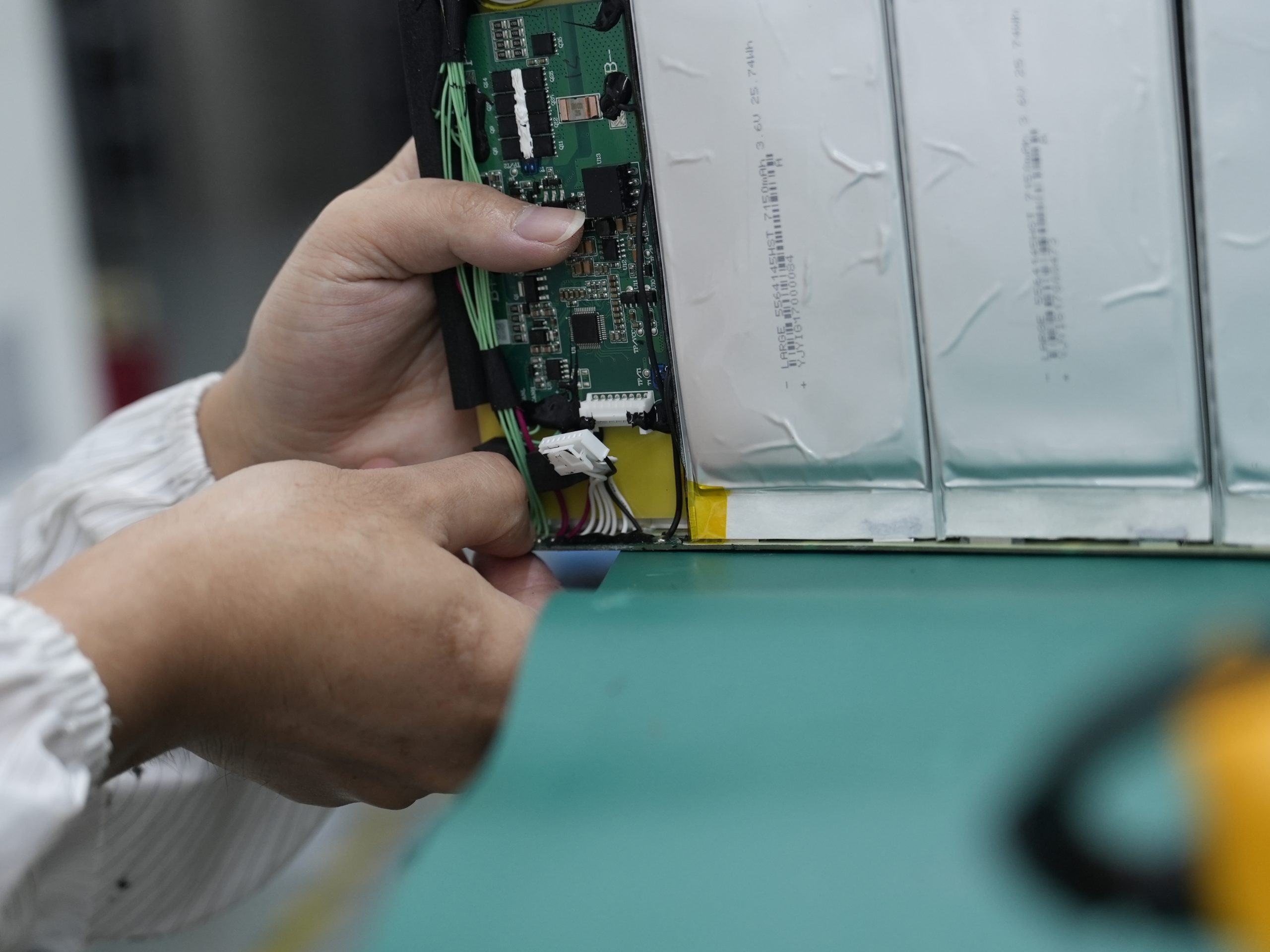
You must integrate a Battery Management System (BMS) into your rechargeable battery packs to ensure safe operation and reliable performance. The BMS monitors each cell and protects the pack from electrical hazards. This is especially important for lithium battery chemistries like LiFePO4, NMC, LCO, and LMO, which are widely used in medical, robotics, security, infrastructure, consumer electronics, and industrial applications.
A BMS provides several functions that help you maintain safety and extend battery life. The table below summarizes key BMS functions:
Function Type | Description |
|---|---|
Charge Management | Protects against over-voltage and over-current; sends alerts for abnormal temperature; warns about large voltage differences between cells; prevents short circuits; balances charge between cells |
Discharge Management | Prevents damage from over-voltage or under-voltage; protects against operation with no load; alerts for short circuits; warns about overheating or unusual temperature changes |
More Functions | Provides self-heating in low temperature environments; operates with very low power when idle; protects against incorrect connections; reduces self-discharge during long-term storage |
Note: You can learn more about BMS integration and its importance for lithium battery packs in our Battery Management System Guide.
You should always select a BMS that matches the chemistry and configuration of your pack. This ensures compatibility and maximizes safety for your application.
2.2 Fuses and Overcurrent Protection
You need to install fuses and overcurrent protection devices in your rechargeable battery packs. These components prevent electrical faults and protect your pack from damage. Miniature fuses are common in consumer electronics and toys, but you must choose the right type for your application.
Miniature fuses provide basic protection against electrical faults.
Slow blow fuses work well for applications with temporary surges, such as motors in robotics or industrial toys.
Fast acting fuses offer immediate protection and are ideal for sensitive electronics in medical or security devices.
Tip: Always match the fuse rating to the maximum current your pack can safely handle. This prevents accidental overloads and ensures compliance with industry standards.
2.3 Nickel Strips, Spot Welding, and Wiring
You must connect cells in your rechargeable battery packs using reliable methods. Nickel strips, thick wire, and spot welding are common choices for lithium battery packs in B2B applications. Each method has advantages and disadvantages.
The table below compares welding methods for connecting cells:
Welding Method | Advantages | Disadvantages |
|---|---|---|
Resistance Spot Welding | High throughput, low equipment cost, easy automation | Heat-affected zone (HAZ), electrode wear, weld quality depends on surface preparation |
Laser Beam Welding | Minimal HAZ, high weld quality, suitable for dissimilar metals | Higher equipment cost, skilled operators needed, may require shielding gas |
Ultrasonic Welding | Minimal heat input, no consumables, good weld integrity | Limited material thickness, joint design constraints, higher initial equipment cost |
Wire bonding offers flexibility for connecting cells. You can accommodate height differences between terminals and busbars. Wire bonding acts as a fuse, isolating failing cells to prevent chain reactions. You can place wires directly against enclosures for improved heat dissipation. However, wire bonding is generally weaker than fusion welds and may not suit high-current applications. Oxide build-up can compromise bond quality.
Callout: Resistance spot welding is cost-effective and easy to automate. It works well for many lithium battery pack applications, but it is less effective for connecting dissimilar materials. Wire bonding is best for lower power packs due to its flexibility and lower thermal impact.
You should select the connection method based on your application scenario. Medical and consumer electronics often require precise, low-heat connections. Industrial and robotics packs benefit from durable welds and thick wiring for high current demands.
Part3: Thermal Safety and Enclosure
3.1 Cell Spacing and Heat Dissipation
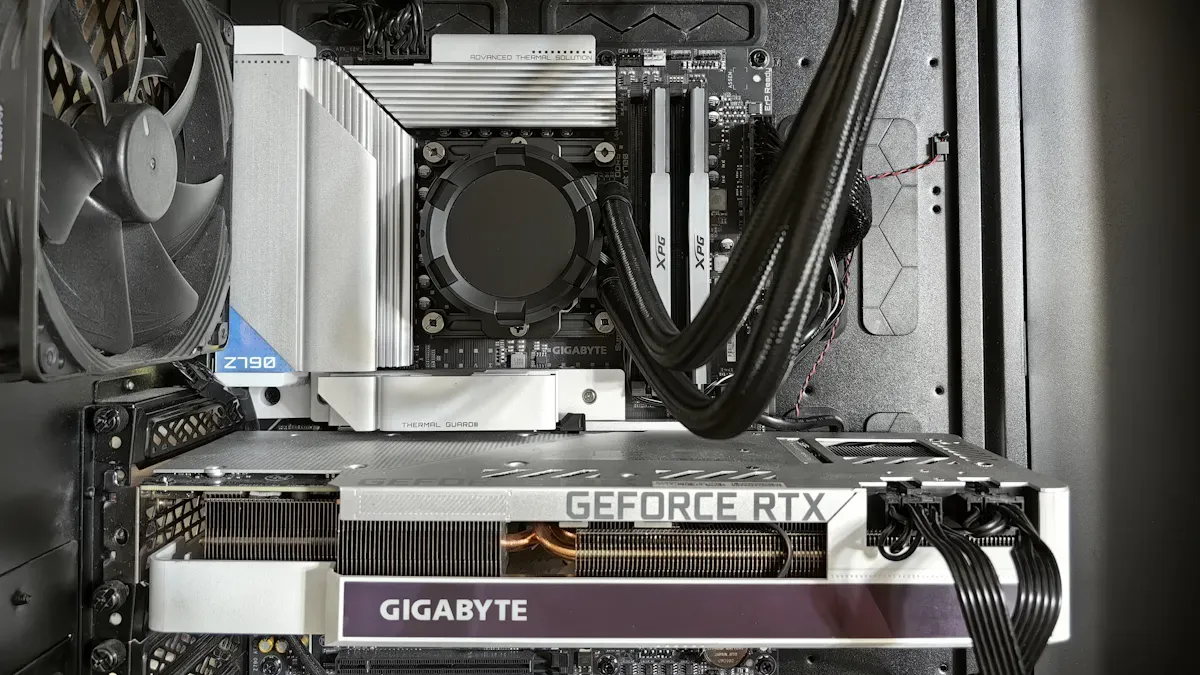
You must pay close attention to cell spacing and heat dissipation when designing rechargeable battery packs for toys and industrial applications. Proper spacing prevents overheating and extends battery life. You can use several strategies to optimize heat management:
Leave small air gaps between parallel cell groups. This allows heat to escape and reduces the risk of thermal buildup.
Use honeycomb cell holders. These holders create uniform spacing and improve airflow around each cell.
Avoid wrapping the entire pack in thick foam. Foam traps heat and prevents air from moving around the cells.
For higher power packs, use cell spacers to keep rows separated. Spacers help maintain consistent temperature across the pack.
Add metal plates or heat spreaders if the pack runs hot. Metal components transfer heat away from the cells and protect sensitive electronics.
Ensure the layout allows air to move around the hottest zones. The middle of the pack and main busbars often generate the most heat.
You can also implement advanced heat dissipation techniques to further improve safety and reliability:
Air-cooled structures use cooling fans and ventilation holes to enhance airflow. This method works well in robotics and industrial battery packs.
Heat-conducting silicone pads placed on electrode terminals transfer heat to the metal shell. This technique is common in medical and security devices.
Liquid cooling structures transfer heat from the battery cell to a liquid-cooled tube. Circulating cooling liquid maintains a uniform temperature, especially in high-capacity infrastructure packs.
Heat-conducting silicone sheets provide insulation and resilience. These sheets protect against vibration and short circuits in consumer electronics and industrial applications.
Tip: Always design your pack so air can move freely around the cells. This prevents hot spots and improves the safety of lithium battery chemistries like LiFePO4, NMC, LCO, and LMO.
3.2 Enclosure Materials and Ventilation
You must select enclosure materials that ensure thermal safety and durability. The right enclosure protects the cells from impact, vibration, and heat. The table below summarizes recommended materials for battery pack enclosures:
Material Type | Advantages | Use Cases |
|---|---|---|
Plastic cases | Light, cheap, easy to work with; flame-retardant ABS or PC | Portable power packs, medical devices |
Metal cases | Better heat dissipation and impact protection; must be insulated inside | High-capacity, robotics, industrial packs |
DIY boxes | Flexible and easy to customize | Infrastructure, solar power station projects |
3D-printed enclosures | Perfect for tight spaces; heat-resistant materials | RC vehicles, compact consumer electronics |
Insulation materials | Fish paper, Kapton tape, foam padding, rubber strips | Protect cells from rubbing and vibration |
Heat management | Small air gaps, honeycomb cell holders, avoid thick foam wrapping | High-current or high-capacity builds |
You should always include ventilation features in your enclosure design. Ventilation holes or slots allow heat to escape and prevent overheating. For high-power packs, consider adding cooling fans or heat sinks. Metal cases provide superior heat dissipation but require proper insulation to prevent electrical shorts. Flame-retardant plastics offer lightweight protection and are easy to shape for custom applications.
Note: Enclosure materials and ventilation play a critical role in the safety and reliability of rechargeable battery packs used in medical, robotics, security, infrastructure, consumer electronics, and industrial sectors.
3.3 Temperature Monitoring Features
You must monitor the temperature of your battery pack during operation, charging, and storage. Temperature sensors and monitoring circuits help you detect overheating and prevent damage. You can use thermistors, thermal switches, or integrated temperature sensors in your design.
The table below shows recommended temperature thresholds for safe operation:
Operation Type | Temperature Range |
|---|---|
Charging | 0°C to 45°C (32°F to 113°F) |
Discharging (Usage) | -20°C to 60°C (-4°F to 140°F) |
Long-Term Storage | 15°C to 25°C (59°F to 77°F) |
You should set alarms or automatic shutdown features if the pack exceeds these limits. This protects lithium battery chemistries such as LiFePO4, NMC, LCO, and LMO from thermal runaway and extends cycle life. Temperature monitoring is essential for packs used in medical devices, robotics, security systems, infrastructure, consumer electronics, and industrial equipment.
Callout: Always test your temperature monitoring system before deploying rechargeable battery packs. Reliable monitoring prevents accidents and ensures compliance with industry standards.
Part4: Assembly, Testing, and Maintenance
4.1 Step-by-Step Assembly Process
You should follow a clear process when assembling rechargeable battery packs for toys and industrial devices. Start by organizing your workspace and gathering all required materials, including lithium cells (LiFePO4, NMC, LCO, LMO), nickel strips, a spot welder, wiring, and the enclosure.
Arrange the cells in the desired configuration, ensuring correct polarity alignment.
Use spot welding to attach nickel strips between cell terminals. This method provides strong and reliable connections for high-current applications in robotics and industrial sectors.
Install the Battery Management System (BMS) and connect each cell group to the BMS leads. Secure all connections and insulate exposed wires with heat-shrink tubing.
Place the assembled pack into the enclosure. Use honeycomb holders or spacers to maintain cell spacing and improve airflow.
Add insulation materials, such as fish paper or Kapton tape, to protect against vibration and short circuits.
Secure the enclosure with captive fasteners. Make sure the design prevents children from accessing the battery compartment.
Attach warning labels and ensure all polarity markings are visible.
Tip: Always double-check wiring and connections before closing the enclosure. This step helps prevent assembly errors and improves safety.
4.2 Charging/Discharging Rates and Testing
You must use proper charging and discharging rates to protect lithium battery packs and extend their lifespan. The table below shows recommended rates for different charging methods:
Charge Type | Rate | Charging Time |
|---|---|---|
Rapid Charge | 0.5C | 3 hours or more |
Fast Charge | Up to 1C | ~1 hour |
Ultra-Fast Charge | 1C to 10C | ~1 hour or less |
After assembly, you should test the battery pack for safety and performance. Follow these steps:
Inspect the battery compartment for secure construction and captive fasteners.
Check for clear polarity markings and a design that prevents incorrect insertion.
Verify the charger matches the battery specifications and includes overcharge protection.
Confirm all warning labels meet regulatory requirements.
Note: Testing ensures your rechargeable battery packs meet safety standards for medical, robotics, security, infrastructure, consumer electronics, and industrial applications.
4.3 Maintenance and Troubleshooting
Regular maintenance keeps your battery packs safe and reliable. Use the table below to guide your routine checks:
Maintenance Routine | Description |
|---|---|
Check Battery | Inspect for corrosion or damage and ensure a full charge. |
Visual Inspection | Look for cracks, leaks, bulges, and terminal corrosion. |
Voltage Check | Use a multimeter; below 6V (for 6V packs) or below 12V (for 12V packs) signals possible issues. |
Load Testing | Test the pack under load to identify weak cells. |
Battery Age | Replace packs after 3-5 years or if nearing end of life. |
Electrolyte Levels | For removable cap batteries, top up with distilled water if low. |
If a battery pack fails to operate, follow these troubleshooting steps:
Check the battery voltage with a multimeter. Replace the pack if voltage is too low.
Inspect all wiring connections for looseness or corrosion. Secure or replace as needed.
Examine the fuse near the battery. Replace it if blown.
Callout: Routine maintenance and prompt troubleshooting help prevent downtime and ensure safe operation in all B2B sectors using rechargeable battery packs.
You can build safe rechargeable battery packs for toys by following careful planning, selecting the right lithium chemistry (LiFePO4, NMC, LCO, LMO), and using a Battery Management System. Always install proper fuses and insulation to prevent short circuits and overheating. Regularly check your packs and use chargers that match the battery type. Operate batteries in suitable environments and avoid extreme temperatures. For continued learning, review ASTM F963-23 and IEC 62133 standards. These steps help you achieve safety and reliability in medical, robotics, security, infrastructure, consumer electronics, and industrial applications.
FAQ
What lithium battery chemistry should you choose for industrial toy battery packs?
You should select LiFePO4 for long cycle life (2000–4000 cycles), NMC for high energy density (150–220 Wh/kg), or LCO for compact consumer electronics. Match chemistry to your application scenario and platform voltage requirements.
How does a Battery Management System (BMS) improve safety in B2B lithium battery packs?
A BMS monitors cell voltage, temperature, and current. You gain protection from overcharge, over-discharge, and short circuits. This system ensures reliability in medical, robotics, security, and industrial applications.
Why is cell matching important when assembling lithium battery packs?
You must match cells for voltage and capacity. This prevents imbalance, overheating, and premature failure. Proper matching supports safe operation in infrastructure, consumer electronics, and industrial sectors.
What enclosure materials work best for heat dissipation in high-capacity battery packs?
Metal cases provide superior heat dissipation and impact protection. You should use flame-retardant plastics for lightweight builds. Always insulate metal cases to prevent electrical shorts in robotics and industrial applications.
How often should you perform maintenance checks on rechargeable lithium battery packs?
You should inspect packs every three to six months. Check for corrosion, voltage drops, and physical damage. Regular maintenance ensures safe performance in medical, security, and infrastructure environments.


