

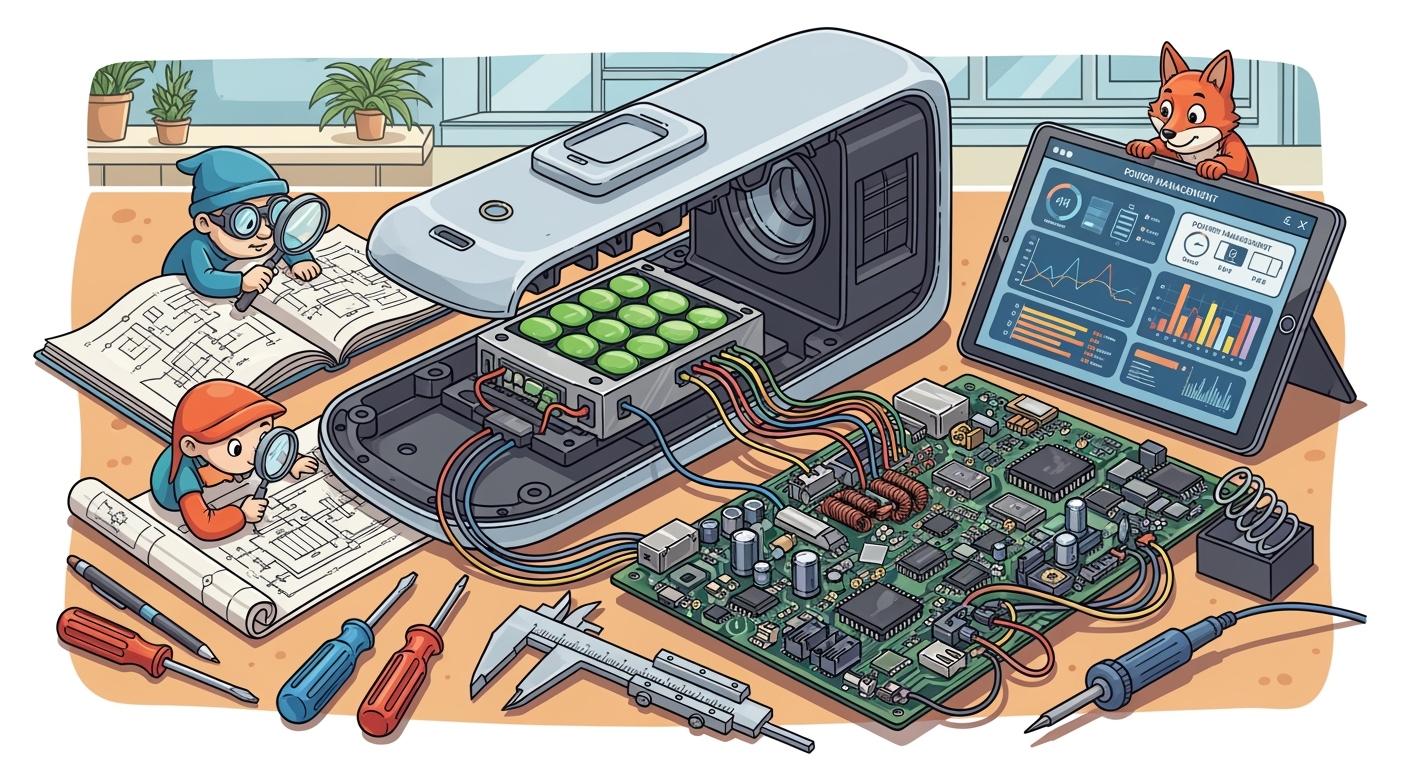
You face critical challenges in OEM Battery Pack Design for 3D scanners. Precision power management ensures your scanner operates with accuracy and reliability. Structural durability, safety, and quality control shape the foundation of battery pack integration. The table below shows how industry standards impact reliability:
Aspect | Description |
|---|---|
Structural Integrity | Inspections at production stages guarantee safety and quality. |
Quality Control Measures | Rigorous checks improve reliability of battery components. |
Inspection Techniques | Automated inspections detect defects and ensure safe operation. |
Material Quality | High-quality materials boost battery performance and longevity. |
Final Assembly Tolerances | Tight tolerances enable efficient and safe battery operation. |
How can you overcome these challenges to deliver reliable, high-performance 3D scanning?
Key Takeaways
Ensure precise power delivery by matching battery specifications to your 3D scanner’s operational needs. This enhances performance and extends device lifespan.
Select the right battery chemistry based on application requirements. Consider energy density for medical scanners and cycle life for industrial tools.
Implement advanced Battery Management Systems (BMS) to monitor voltage and temperature. This prevents overheating and extends battery life.
Adopt robust quality control techniques, such as automated inspections, to detect defects early. This ensures reliability and safety in battery packs.
Stay informed about next-gen battery technologies like solid-state batteries. These offer improved safety and energy density for future 3D scanner designs.
Part 1: 3D Scanner Power Needs
1.1 Precision in Power Delivery
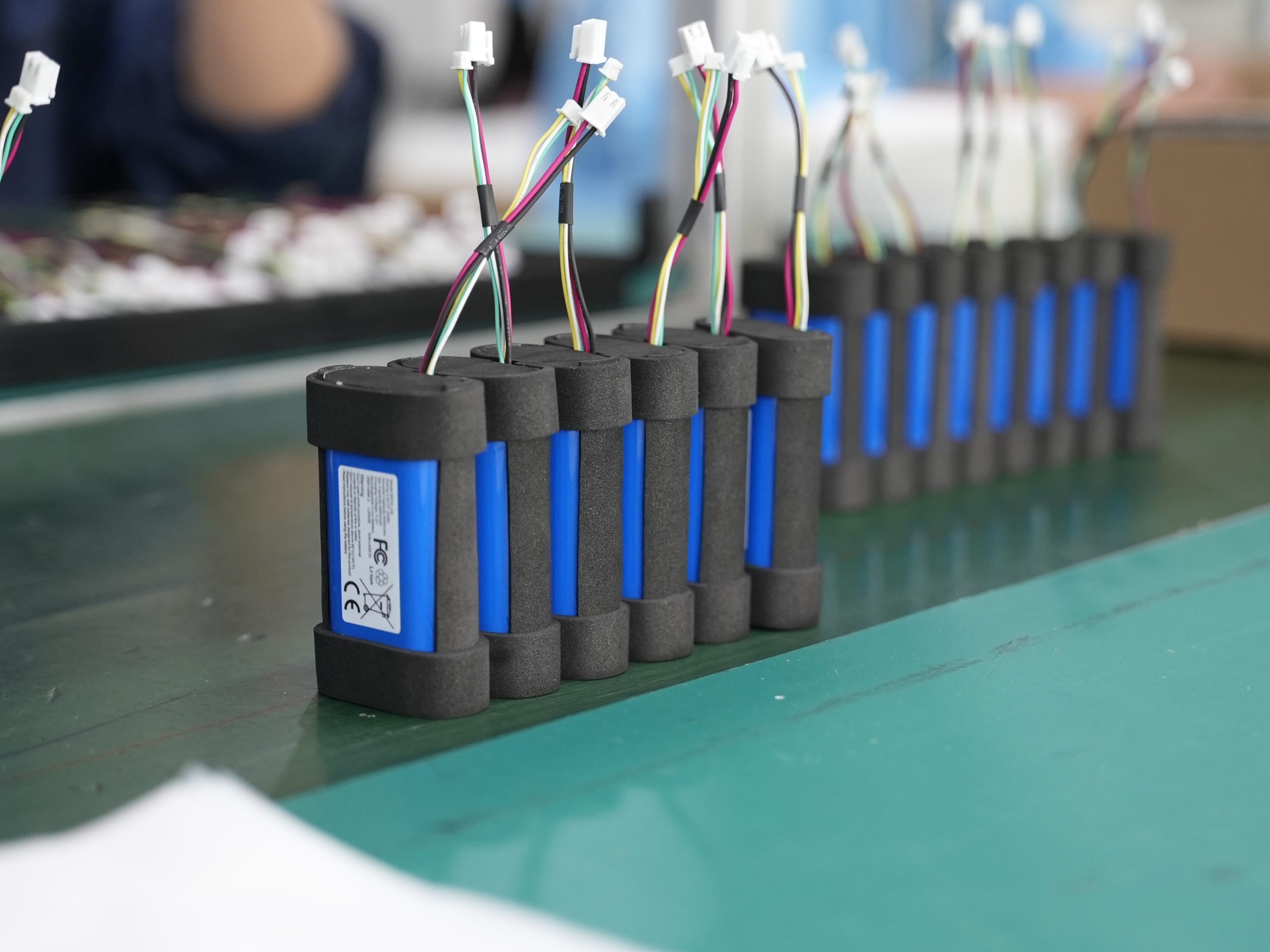
You rely on precise power delivery to achieve accurate 3D scanning results. Lithium battery packs provide stable voltage and current, which is essential for maintaining sensor calibration and data integrity. In medical imaging, a sudden voltage drop can cause errors in patient scans. In robotics, inconsistent power affects movement tracking and mapping. Security systems need steady power to avoid false alarms or missed detections. Infrastructure inspection tools depend on reliable energy to capture detailed measurements. Consumer electronics and industrial platforms require consistent performance for quality assurance.
Tip: Always match battery pack specifications to the scanner’s operational requirements. This reduces the risk of performance issues and extends device lifespan.
1.2 Consumption Profiles and Variability
Different sectors present unique power consumption profiles. Medical scanners often run for extended periods, demanding high energy density and long cycle life. Robotics applications experience fluctuating loads due to movement and sensor activation. Security systems may operate in standby mode, then spike during active scanning. Infrastructure tools face harsh environments, requiring robust battery packs. Consumer electronics prioritize lightweight design, while industrial scanners need durability.
Here’s a comparison of common lithium battery chemistries used in OEM Battery Pack Design:
Chemistry | Platform Voltage (V) | Energy Density (Wh/kg) | Cycle Life (cycles) |
|---|---|---|---|
Lithium-ion (NMC) | 3.7 | 180-220 | 1000-2000 |
Lithium-polymer | 3.7 | 150-200 | 500-1000 |
Lithium-iron phosphate (LFP) | 3.2 | 90-120 | 2000-4000 |
You must analyze these profiles to select the right battery chemistry. This ensures your 3D scanner operates reliably across all application scenarios.
Part 2: OEM Battery Pack Design Challenges

2.1 Voltage and Current Stability
You need stable voltage and current to guarantee the performance of your 3D scanners. Fluctuations can cause errors in sensor readings and disrupt data collection. OEM Battery Pack Design must address these issues by selecting lithium battery chemistries with consistent platform voltage and low internal resistance. For example, Lithium-ion (NMC) batteries offer a platform voltage of 3.7V and energy density between 180-220 Wh/kg. Lithium-iron phosphate (LFP) batteries provide a platform voltage of 3.2V and higher cycle life, making them suitable for applications that demand reliability and longevity.
A robust Battery Management System (BMS) monitors voltage and current in real time. You can prevent overcharging, deep discharge, and short circuits by using advanced BMS features. This approach reduces the risk of downtime and extends the operational life of your scanners.
2.2 Structural Durability and Safety
You must design battery packs that withstand mechanical stress and environmental hazards. Structural durability ensures that the battery pack remains intact during transport, installation, and operation. Safety incidents often result from thermal runaway, which occurs when excessive heat triggers uncontrolled chemical reactions. You can mitigate this risk by using thermal barriers and active cooling systems in your battery pack design. A well-designed BMS plays a crucial role in monitoring battery conditions and preventing overheating. Safer lithium battery chemistries, such as Lithium-iron phosphate (LFP), offer higher thermal stability compared to other lithium-ion types.
Note: You should consider using LFP batteries for applications where safety and thermal stability are critical. These batteries reduce the risk of fire and improve operational reliability.
2.3 Thermal and EMI Management
Thermal management and electromagnetic interference (EMI) directly impact the safety and performance of your battery packs. Excessive heat from low-capacity batteries can lead to hazards, including thermal runaway. Abnormal currents caused by internal short circuits may create magnetic anomalies, which help you detect faults early. Variations in battery capacity and internal resistance can cause uneven current distribution, accelerating battery aging and reducing reliability.
Here is a summary of how thermal and EMI issues affect battery pack performance:
Evidence Type | Description |
|---|---|
Thermal Management | Excessive heat from low-capacity batteries can lead to safety hazards, including thermal runaway. |
EMI Impact | Abnormal currents due to internal short circuits can create magnetic anomalies, aiding in fault detection. |
Performance Consistency | Variations in capacity and internal resistance can lead to uneven current distribution, accelerating battery aging. |
You should implement advanced cooling solutions and EMI shielding to maintain consistent performance and protect sensitive electronics.
2.4 Certification and Scalability
You must meet industry standards and certification requirements to ensure your battery packs are safe and reliable. Certifications such as UL, CE, and IEC validate the quality and safety of your products. OEM Battery Pack Design should incorporate rigorous quality control measures, including automated inspections and advanced measurement systems. These practices help you detect defects early and maintain high standards throughout production.
Scalability is another challenge. You need to design battery packs that can adapt to different scanner models and application environments. Modular designs and standardized components make it easier to scale production and customize solutions for your clients. By focusing on quality control and certification, you build trust with your customers and support long-term business growth.
Tip: Invest in automated inspection systems and modular battery pack designs to streamline production and improve reliability.
Part 3: Solutions and Best Practices
3.1 Advanced BMS Integration
You need advanced Battery Management System (BMS) integration to ensure safety and reliability in your 3D scanner battery packs. A modern BMS provides real-time monitoring of voltage, temperature, and current. This system prevents overcharging and deep discharging, which protects battery health. In industrial inspection, a BMS can trigger cooling if temperatures rise, reducing the risk of degradation. In medical imaging, protection circuitry detects short circuits and opens contactors to prevent thermal runaway. Cell balancing ensures each cell maintains the same state of charge, which extends battery lifespan in robotics and security applications.
Here is a summary of how BMS functions contribute to safety and longevity:
Function | Contribution to Safety and Longevity |
|---|---|
Voltage Monitoring | Prevents overcharging and deep discharging, maintaining battery health. |
Temperature Monitoring | Triggers cooling to reduce current, mitigating degradation risks. |
Protection Circuitry | Detects short circuits and opens contactors to prevent thermal runaway. |
Cell Balancing | Ensures all cells maintain the same State of Charge, enhancing lifespan. |
Tip: Choose a BMS with real-time data logging and remote diagnostics to support predictive maintenance in critical applications.
3.2 Material and Cell Configuration
Selecting the right battery chemistry and cell configuration is essential for optimizing energy density and cycle life in OEM Battery Pack Design. You should evaluate the specific needs of your application. For example, medical scanners require high energy density for long operation times, while industrial platforms may prioritize cycle life and safety.
The table below compares common lithium battery chemistries for 3D scanner battery packs:
Battery Chemistry | Advantages | Disadvantages |
|---|---|---|
Lithium Nickel Manganese Cobalt (NMC) | High energy density, improved power capability. | N/A |
Lithium Nickel Cobalt Aluminum Oxide (NCA) | Excellent power performance, high energy density. | N/A |
Lithium Titanate Oxide (LTO) | Excellent cycle life, high safety, rapid charging capability. | Low energy density, high production costs. |
You should match the chemistry to your application. NMC and NCA chemistries work well for portable 3D scanners in robotics and security, where high energy density is important. LTO batteries suit industrial inspection tools that need rapid charging and long cycle life, even though they have lower energy density.
Note: Always consider the trade-off between energy density and cycle life when designing battery packs for different environments.
3.3 Quality Control Techniques
You must implement robust quality control techniques to detect defects during battery pack assembly. High-quality battery packs reduce the risk of failures in precision electronics. Automated inspection systems, such as 3D X-ray imaging, provide comprehensive internal views and help you identify hidden defects. 2D X-ray imaging is useful for surface defect detection. Acoustic imaging detects flaws based on sound wave propagation, which is valuable for complex assemblies. Electrochemical tests assess the performance of individual cells, ensuring they meet required standards. Dissection and cross-section analysis allow for detailed examination but are more labor-intensive.
The table below summarizes effective quality control techniques:
Technique | Description | Cost Considerations |
|---|---|---|
3D X-ray imaging (CT) | Provides comprehensive internal views of battery packs. | High capital costs, low operational costs. |
2D X-ray imaging | Identifies surface defects. | High capital costs, low operational costs. |
Acoustic imaging | Detects defects using sound wave propagation. | Varies based on equipment and setup. |
Electrochemical tests | Assesses electrochemical performance of cells. | Costs depend on tests and equipment. |
Dissection and cross-section | Detailed examination of internal structures. | Low capital costs, high operational costs. |
You should use a combination of these techniques to ensure the reliability of your lithium battery packs in OEM Battery Pack Design.
3.4 Electronics Integration
You need to integrate battery packs with the electronics of your 3D scanner for optimal performance. Proper integration ensures stable voltage and current delivery to sensitive components. You should use shielded cables and EMI filters to protect against electromagnetic interference. Advanced measurement systems help you monitor battery performance in real time, which is critical for applications like medical imaging and industrial inspection.
Tip: Collaborate with your electronics engineering team early in the design process to ensure seamless integration and reduce the risk of compatibility issues.
By following these best practices, you can overcome the main challenges in OEM Battery Pack Design for 3D scanners. You will improve safety, reliability, and performance across a range of precision electronics applications.
Part 4: Future Trends in Battery Pack Design
4.1 Next-Gen Battery Technologies
You will see rapid changes in battery technology for precision electronics. Solid-state batteries (SSBs) now lead the way in safety and energy density. These batteries use a solid electrolyte instead of a liquid one. This design reduces the risk of leaks and fires. SSBs can reach energy densities up to 500 Wh/kg. In comparison, lithium-ion batteries (LIBs) usually reach 250 Wh/kg. You also get longer lifespans with SSBs. They last over 1,000 cycles, while typical LIBs last about 500 cycles. This improvement means you can build 3D scanners that run longer and require less maintenance.
Here is a comparison of next-generation and current lithium battery chemistries:
Battery Type | Platform Voltage (V) | Energy Density (Wh/kg) | Cycle Life (cycles) | Safety Level |
|---|---|---|---|---|
Solid-State Battery | 3.7 | Up to 500 | >1,000 | Very High |
Lithium-ion (NMC) | 3.7 | 180-220 | 1,000-2,000 | Moderate |
Lithium-iron phosphate (LFP) | 3.2 | 90-120 | 2,000-4,000 | High |
Note: As you plan for future projects, consider how solid-state batteries can improve both safety and performance in your 3D scanner designs.
4.2 Smart Power and IoT Integration
You can now use smart power management and IoT integration to boost battery pack performance. Smart battery packs use sensors to track voltage, temperature, and current in real time. These packs send data to your cloud systems or local servers. You can predict failures before they happen. This helps you schedule maintenance and avoid downtime.
IoT integration also lets you monitor battery health across many devices. You can adjust charging patterns based on usage data. This approach extends battery life and improves reliability. Smart power systems support remote diagnostics and firmware updates. You can keep your 3D scanners running at peak efficiency.
Tip: Start integrating IoT-ready battery packs to gain a competitive edge in precision electronics.
You can overcome OEM battery pack design challenges for 3D scanners by focusing on safety, quality control, and continuous innovation. Recent advances include:
Battery safety electrolyte detectors that prevent failures in sealed lithium-ion packs.
High-quality Battery Management Systems that balance cells and monitor parameters in real time.
AI-powered diagnostics that improve battery health assessments and predictive maintenance.
Key Focus Areas | Description |
|---|---|
Thermal Management | Integrated into complex battery system architecture. |
Fast Charging | Supports ultra-fast charging for demanding applications. |
Safety & Scalability | Ensures safe, scalable, and durable battery solutions. |
You will see power management evolve with smarter systems and new chemistries, driving the future of precision electronics.
FAQ
What makes lithium battery packs ideal for 3D scanner applications?
You benefit from lithium battery packs because they offer high energy density, stable platform voltage, and long cycle life. These features support reliable, uninterrupted operation for your precision electronics in demanding industrial environments.
How do you ensure battery pack safety in OEM designs?
You implement advanced Battery Management Systems (BMS), thermal barriers, and robust cell configurations. These measures help you prevent overheating, short circuits, and thermal runaway, which protects your equipment and your team.
Which lithium battery chemistry should you choose for industrial 3D scanners?
You should consider Lithium Nickel Manganese Cobalt (NMC) for high energy density, or Lithium Iron Phosphate (LFP) for superior cycle life and safety. Match the chemistry to your application’s energy, safety, and longevity requirements.
How does EMI affect your 3D scanner’s battery performance?
Electromagnetic interference (EMI) can disrupt battery monitoring and sensitive electronics. You should use EMI shielding and proper cable management to maintain stable power delivery and accurate data collection.
Why is quality control critical in lithium battery pack manufacturing?
You rely on strict quality control to detect defects early. Automated inspections, electrochemical tests, and imaging techniques ensure your battery packs meet industry standards and deliver consistent performance.


