

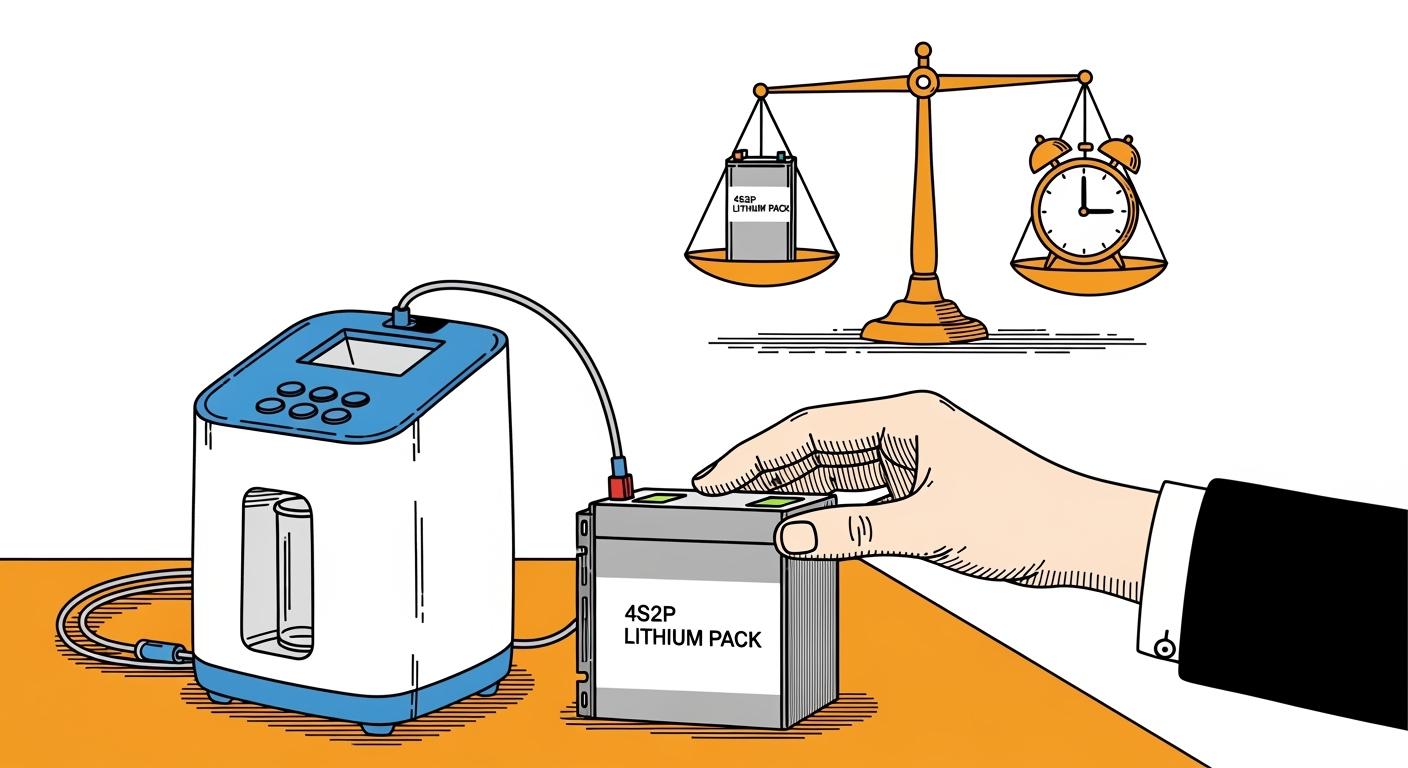
You can achieve a strong balance of runtime and weight for portable oxygen concentrators with 4S2P lithium battery solutions. Battery chemistry, safety, and regulatory compliance require your attention. Review key FAA guidelines:
Regulation | Description |
|---|---|
49 CFR 175.10(a)(18) | Passengers may carry an unlimited number of lithium ion batteries up to 100 Wh for their POC. |
49 CFR 173.185 | Lithium batteries must meet specific testing requirements, including Test T.7 (Overcharge). |
SFAR requirements | Passengers must remove a POC battery if the device lacks two features preventing accidental operation. |
Battery safety rankings depend on the application scenario. Some chemistries offer enhanced safety, but all require proper handling.
You must understand battery configuration and compatibility. Consider these factors:
Battery chemistry and voltage
Weight, size, and runtime
Charging speed and daily oxygen flow needs
Battery advancements directly impact device performance and user satisfaction.
Key Takeaways
4S2P lithium battery solutions provide a perfect balance of runtime and weight, making portable oxygen concentrators easier to carry and use.
Choosing the right battery chemistry, like LiFePO4 for safety or lithium-ion for energy density, is crucial for optimal performance in medical devices.
Always verify battery compliance with safety certifications and FAA guidelines to ensure safe air travel with portable oxygen concentrators.
Part1: 4S2P Lithium Battery Solutions Overview
1.1 4S2P Configuration Explained
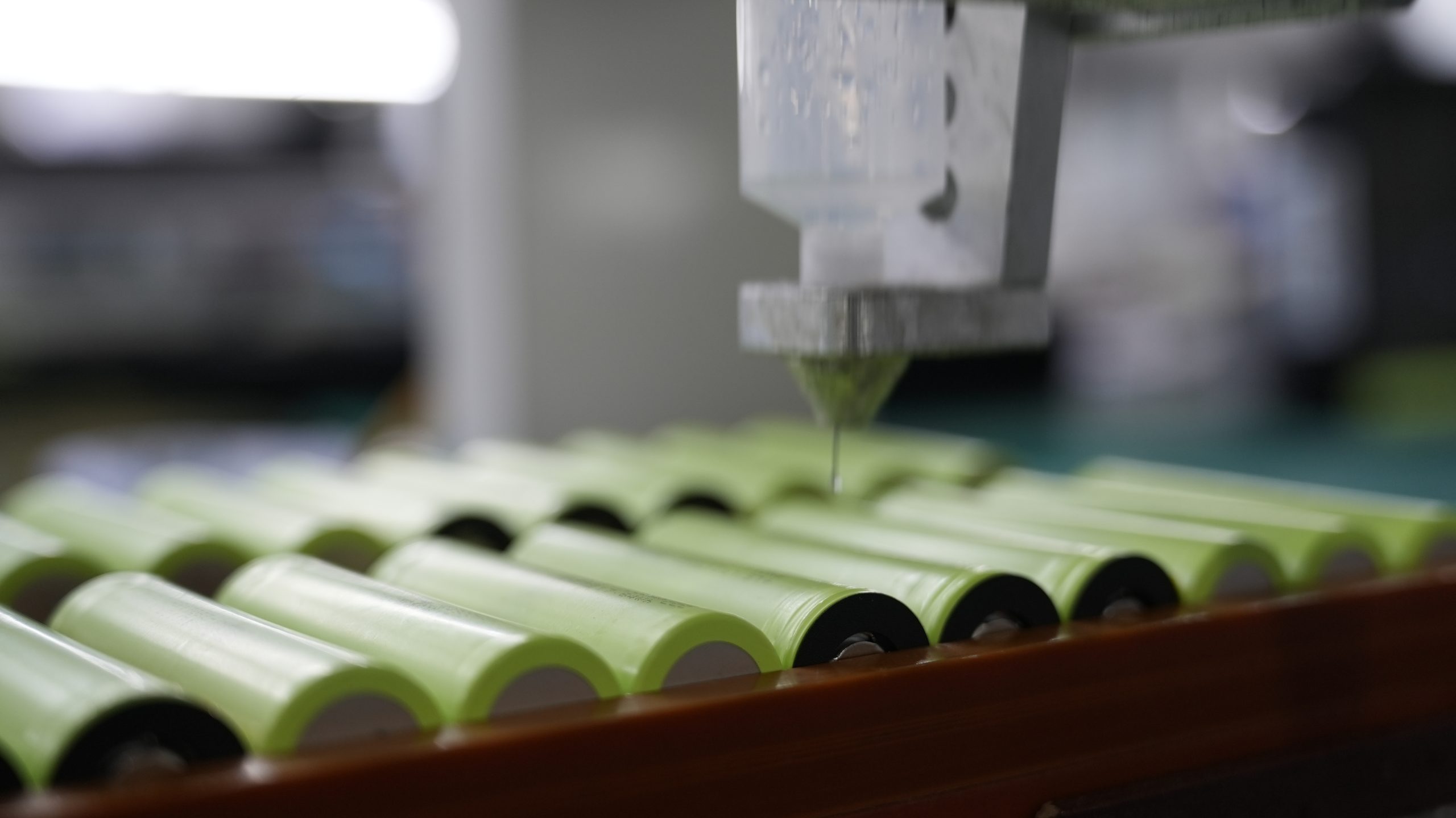
You need to understand how a 4S2P configuration works when evaluating lithium battery solutions for portable oxygen concentrators. This setup uses four cells in series, which gives you a nominal voltage of 12.8V. Two sets of these cells connect in parallel, doubling the total capacity. This structure increases both power and runtime, making it ideal for high-demand medical applications. Series connections add voltage, while parallel connections boost capacity and reduce internal resistance. You benefit from a battery pack that balances energy output and durability, which is essential for portable oxygen concentrators.
1.2 Battery Chemistries: Li-ion, LiFePO4, LiPo
Selecting the right lithium battery solutions means comparing different chemistries. Each type offers unique advantages for medical devices. You often see lithium-ion, LiFePO4, and lithium-polymer/LiPo batteries in the market. The table below summarizes their key features:
Battery Type | Nominal Voltage | Energy Density | Cycle Life | Safety |
|---|---|---|---|---|
LiFePO4 | 3.2V/cell | Lower | 2000–5000 | Excellent |
Lithium-ion | 3.6–3.7V/cell | High | 500–1500 | Good |
Lithium-polymer/LiPo | 3.7V/cell | Highest | 500–1000 | Moderate |
Lithium-ion batteries offer higher energy density, so you get more power in a smaller package.
1.3 Compatibility with Portable Oxygen Concentrators
You must check several factors to ensure compatibility with portable oxygen concentrators. Voltage and capacity must match device requirements. For example, a minimum capacity of 3900mAh and a continuous discharge of at least 15A are typical. Safety certifications matter. Look for compliance with standards such as IEC 62133, UN/DOT 38.3, and UL 1642. These certifications confirm that your lithium battery solutions meet global safety and transport regulations. Always verify physical dimensions and thermal stability to guarantee a proper fit and safe operation.
Part2: Balancing Runtime, Weight, and Safety

2.1 Runtime vs. Weight Trade-Off
You must find the right balance between runtime and weight when designing battery packs for portable oxygen concentrators. Lightweight batteries improve portability, making it easier for users to carry their devices and reducing fatigue during daily activities. High energy density batteries extend runtime, so users do not need to recharge as often. Devices that weigh less than five pounds fit easily in bags, which is important for users who need oxygen therapy while traveling or moving around.
You can optimize this trade-off through several engineering strategies:
Use lightweight and compact battery designs to enhance portability.
Select high energy density cells to maximize runtime, which is critical for medical applications.
Choose lithium-ion battery technology for its long cycle life and low weight, which helps you achieve the best balance between runtime and weight.
These strategies ensure that portable oxygen concentrators deliver reliable performance without adding unnecessary bulk.
2.2 Safety and Certification Considerations
You must prioritize safety and regulatory compliance when selecting battery solutions for medical device engineering. Portable oxygen concentrators require batteries that meet strict international standards. The following table summarizes the main certifications and their purposes:
Certification / Test | Purpose |
|---|---|
UN38.3 | Ensures air transport and shipping safety |
IEC62133-2 | Establishes cell and pack safety standards for portable batteries |
UL1642 / UL2054 | Conducts safety and flammability tests, particularly for the US market |
MSDS | Provides chemical safety documentation |
CB Scheme | Offers global electrical safety recognition |
You should always verify that your battery packs comply with these certifications. Compliance with FAA guidelines is also essential for air travel. These measures protect users and ensure that your products meet the requirements for global distribution.
2.3 Charging and Maintenance Tips
You can extend the lifespan and reliability of your battery packs by following best practices for charging and maintenance. Here are some practical tips:
Use only chargers recommended by the manufacturer to prevent overcharging or overheating.
Store batteries in a cool, dry place to maintain optimal performance.
Avoid deep discharges; recharge batteries before they are fully depleted.
Schedule regular inspections for signs of swelling, leakage, or damage.
Consider backup options for uninterrupted oxygen therapy. For example, a single battery with 6400mAh capacity can provide up to 3.5 hours of use, while a double battery with 10400mAh can last up to 6 hours.
Tip: Always keep a fully charged backup battery available, especially for travel or extended use.
2.4 Market Trends and Emerging Technologies
You must stay informed about the latest trends in lithium battery technology to remain competitive in the medical device market. Current advancements include:
Higher energy density, which extends operating time and reduces the size and weight of battery packs.
Enhanced safety features, such as advanced protection circuits to prevent overheating and short-circuiting.
Improved thermal management systems that help maintain safe operating temperatures and extend battery life.
Faster charging technologies that reduce downtime and improve user convenience.
Integration of wireless charging capabilities, which is becoming a significant innovation in the industry.
Emerging technologies, such as solid-state batteries, are also influencing the design of portable oxygen concentrators. The next generation of lithium batteries will offer higher energy density, shorter charging times, and longer cycle life. Manufacturers are focusing on recyclability and green manufacturing to create more environmentally friendly batteries. Design innovations are making devices more compact and lightweight, while modular systems allow for easy integration of oxygen compression, filtration, and output functions.
You should monitor these trends to ensure your products meet the evolving needs of users and regulatory bodies.
You gain optimal runtime, weight, and safety with 4S2P lithium battery solutions for portable oxygen concentrators. Review the table below to see key advantages:
Advantage | Description |
|---|---|
Energy Density | High, supports longer runtimes |
Long Cycle Life | Many charge cycles, less frequent replacement |
Weight | Lightweight, ideal for portability |
Safety Features | Advanced protections for medical use |
Evaluate battery chemistry, supplier reliability, and compliance. Always follow maintenance best practices and consider custom battery solutions for unique needs.
FAQ
What makes 4S2P lithium battery packs ideal for portable oxygen concentrators during travel?
You gain reliable runtime and lightweight design. These packs support portable oxygen concentrators, ensuring uninterrupted therapy and travel convenience for users who need medical support on the go.
How do I ensure battery safety and compliance for air travel with portable oxygen concentrators?
You must select certified lithium battery packs. Large Power provides custom battery solutions that meet FAA and international standards, making air travel with portable oxygen concentrators safe and efficient.
Can I use the same battery pack for travel in other sectors like robotics or security systems?
You can use 4S2P lithium battery packs for travel in robotics, security systems, and industrial applications. Always confirm voltage, certification, and runtime requirements before travel.


