

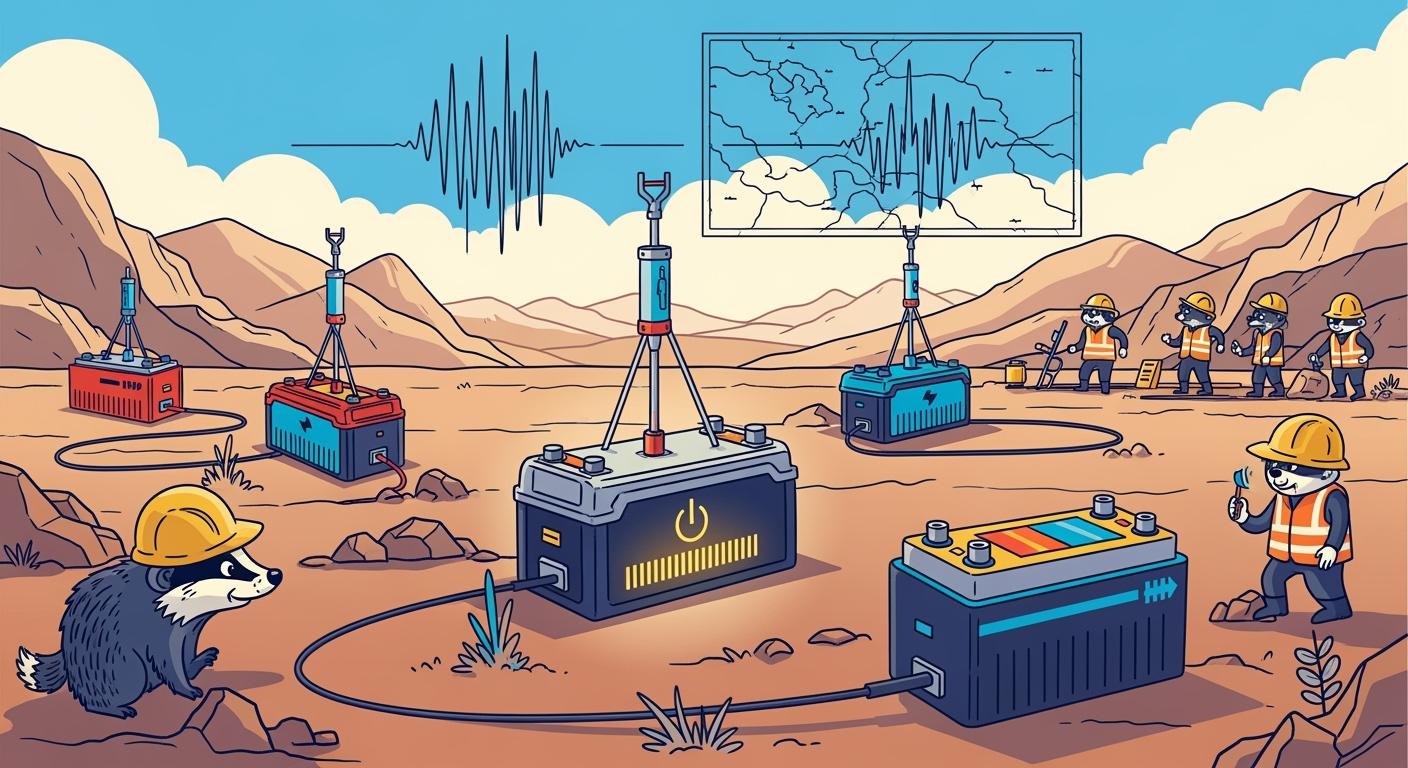
You need battery solutions that deliver consistent power during seismic surveys. Lithium-ion battery packs offer unmatched reliability and efficiency, especially when you work in harsh environments. Recent innovations in smart battery management and rugged designs help you keep your equipment running longer and safer. These advancements support your operations and protect the quality of your data.
Key Takeaways
Choose lithium-ion batteries for seismic surveys. They provide reliable power and long-lasting performance in harsh conditions.
Consider energy density and weight when selecting battery packs. High energy density allows for more nodes with less weight, improving efficiency.
Utilize smart battery management systems. These systems monitor battery health and help extend service life, ensuring continuous operation.
Follow best practices for battery deployment. Charge batteries before use, store them properly, and monitor their status to avoid interruptions.
Plan for battery redundancy. Carry spare packs and rotate them to maintain consistent recording and avoid data loss.
Part 1: Power Requirements
1.1 Node Energy Needs
You rely on seismic acquisition systems to collect accurate data during surveys. Each node must operate for days or weeks without interruption. Battery solutions must deliver enough energy to power sensors, recorders, and communication modules. You need a reliable nodal system that supports cableless seismic acquisition, which reduces setup time and increases flexibility. High energy density in lithium battery packs allows you to deploy more nodes with less weight. This improves efficiency and lowers transportation costs.
1.2 Environmental Challenges
Field deployment exposes your battery solutions to harsh conditions. You often work in areas with extreme temperatures and high humidity. These factors affect battery performance and durability. Consider the following technical parameters:
Parameter | Value |
|---|---|
Operating Temperature (°C) | -30 to 71 |
Humidity | Operates in 95% relative humidity |
Lithium battery packs withstand these conditions, offering extreme durability and reliability. You can trust them to perform in deserts, forests, or mountainous regions. Rugged battery solutions protect your seismic nodes from moisture, dust, and temperature swings.
Tip: Always check battery specifications for environmental ratings before deployment.
1.3 Impact on Survey Success
Reliable battery solutions ensure continuous operation of seismic nodes. You avoid data loss and reduce downtime. Consistent power supply supports acquisition and improves the quality of your seismic data. When you select battery solutions with proven durability, you increase the success rate of your surveys. You also minimize maintenance and replacement needs. This lets you focus on data analysis and project goals.
Part 2: Battery Solutions Overview
2.1 Primary vs. Rechargeable Options
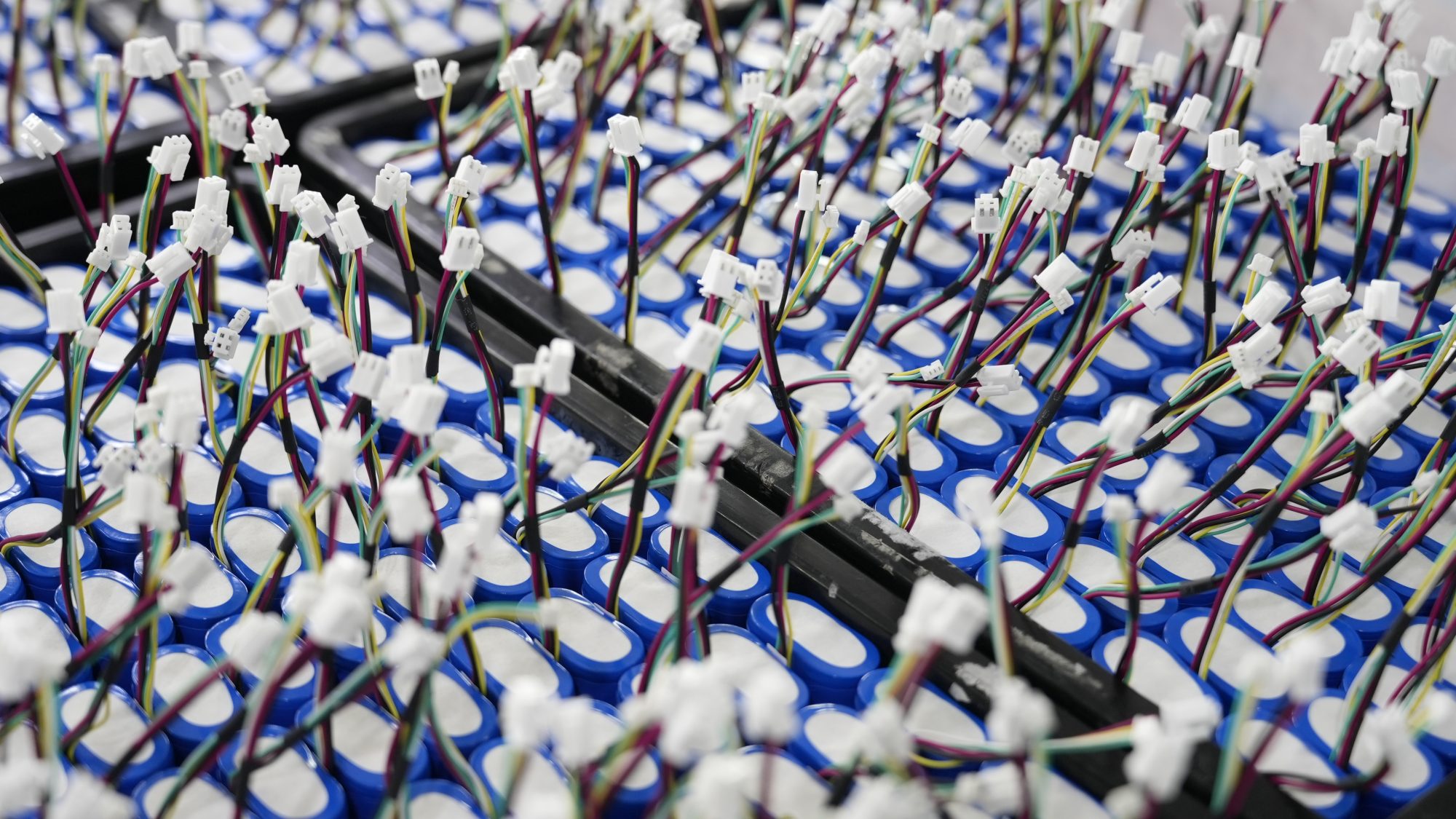
When you select battery solutions for seismic node operations, you must decide between primary (single-use) and rechargeable (secondary) batteries. Primary batteries, such as lithium-thionyl chloride (Li-SOCl₂), offer high energy density and long shelf life. You often find these in remote deployments where recharging is not practical. However, you must replace them after each use, which increases operational costs and creates environmental challenges.
Rechargeable batteries, especially lithium-ion, have become the standard for seismic applications. You can recharge and reuse them for hundreds or even thousands of cycles. This reduces waste and lowers your total cost of ownership. In addition, rechargeable systems support advanced battery management systems (BMS), which help you monitor battery performance and extend service life.
Feature | Primary Batteries (Li-SOCl₂) | Rechargeable Batteries (Lithium-Ion) |
|---|---|---|
Energy Density | High | High |
Reusability | No | Yes |
Maintenance | Low | Moderate (requires charging) |
Environmental Impact | Higher (disposal) | Lower (recycling possible) |
Typical Use Cases | Remote, one-time use | Long-term, repeated use |
Note: In medical, robotics, and security systems, rechargeable lithium-ion batteries provide reliable power and reduce replacement frequency.
2.2 Lithium-Ion Advantages
Lithium-ion battery solutions dominate seismic node deployments due to their superior performance. You benefit from high energy density, lightweight design, and excellent cycle life. These features allow you to deploy more nodes with less logistical effort. Lithium-ion packs also deliver stable voltage, which ensures consistent data acquisition and protects sensitive electronics.
Recent advancements have improved lithium-ion battery performance in harsh environments. Ruggedized packs withstand vibration, moisture, and extreme temperatures. Smart battery management systems monitor health, prevent overcharging, and balance cells for maximum durability. Compact charging systems, such as those used in Stryde and SmartSolo nodes, streamline operations.
You can see the impact of scalable charging systems in your daily workflow:
You charge and download data from trays containing up to 90 nodes at once, which saves time and reduces labor.
Lightweight node designs and high-capacity chargers let you rotate thousands of nodes daily, speeding up seismic data cycles and giving your team a competitive edge.
Lithium-ion batteries also support sustainability goals. You can recycle most components, and many suppliers follow responsible sourcing practices.
Application Sector | Lithium-Ion Benefits |
|---|---|
Medical | Reliable backup, lightweight, safe |
Robotics | High power, fast charging, long cycle life |
Security Systems | Stable voltage, remote monitoring |
Infrastructure | Scalable, rugged, low maintenance |
Consumer Electronics | Compact, energy efficient |
Industrial | High capacity, robust, cost-effective |
2.3 Alternative Chemistries
You may encounter other battery chemistries in seismic and industrial applications. Nickel-metal hydride (NiMH) and alkaline batteries offer lower upfront costs but lack the energy density and cycle life of lithium-ion. Some specialized nodes use nuclear batteries for ultra-long deployments. However, these present significant environmental and logistical challenges.
When you consider environmental impact, nuclear battery disposal and recycling require specialized processes. You must manage secure storage, decontamination, and material separation to prevent contamination. End-of-life management involves unique decommissioning protocols and long-term stewardship due to radioactive decay.
Chemistry | Energy Density | Cycle Life | Environmental Impact | Typical Use Cases |
|---|---|---|---|---|
Lithium-Ion | High | High | Recyclable | Seismic, medical, robotics |
Nickel-Metal Hydride | Moderate | Moderate | Recyclable | Consumer, backup power |
Alkaline | Low | Single-use | Disposal required | Low-drain devices |
Nuclear | Very High | Very High | Complex disposal | Specialized, remote sensing |
Tip: Always evaluate the full lifecycle of your battery solutions, including sourcing, use, and disposal, to minimize environmental impact and ensure regulatory compliance.
You can see that lithium-ion battery solutions offer the best balance of performance, durability, and sustainability for seismic node operations and a wide range of industrial and commercial sectors.
Part 3: Selecting Battery Solutions
3.1 Energy Density & Weight
You need to select lithium battery packs that offer high energy density and low weight. This helps you deploy more seismic nodes and reduces transportation costs. Energy density measures how much power you get per unit of weight. Lightweight packs make field deployment easier and support autonomous recording in remote locations. You can see the technical comparison in the table below:
Battery Chemistry | Energy Density (Wh/kg) | Typical Weight (kg) | Application Scenario |
|---|---|---|---|
Lithium-Ion | 150-250 | 0.5-2 | Medical, robotics, seismic |
Nickel-Metal Hydride | 60-120 | 1-3 | Consumer electronics |
Alkaline | 100 | 1-2 | Security systems |
Tip: Choose lithium battery packs for a reliable nodal system that supports continuous recording and reduces manual labor.
3.2 Temperature & Durability
You must consider temperature tolerance and extreme durability when selecting battery solutions. Lithium battery packs operate in a wide range of temperatures, from freezing cold to intense heat. This ensures reliability during seismic surveys in deserts, forests, or mountains. Rugged designs protect against moisture, dust, and vibration. You can trust these packs for autonomous deployment in harsh environments. The table below shows temperature ranges and durability ratings:
Battery Chemistry | Operating Temp (°C) | Durability Rating | Application Scenario |
|---|---|---|---|
Lithium-Ion | -30 to 71 | High | Infrastructure, industrial |
Nickel-Metal Hydride | -20 to 60 | Moderate | Consumer electronics |
Alkaline | 0 to 50 | Low | Security systems |
3.3 Safety & Cost
You must evaluate safety features and lifecycle cost before making your choice. Lithium battery packs include built-in protection circuits that prevent overheating and overcharging. This reduces maintenance and improves reliability. You also benefit from lower lifecycle costs because you can recharge and reuse these packs many times. The table below compares safety and cost:
Battery Chemistry | Safety Features | Lifecycle Cost | Application Scenario |
|---|---|---|---|
Lithium-Ion | BMS, PCM, rugged case | Low | Medical, industrial |
Nickel-Metal Hydride | Basic protection | Moderate | Robotics |
Alkaline | None | High | Security systems |
Callout: Always select battery solutions with smart management and rugged construction for safe and cost-effective seismic operations.
Part 4: Field Practices & Case Studies
4.1 Real-World Deployments
You see lithium battery packs powering seismic node deployments in many industries. In seismic acquisition projects, you need recording systems that work for weeks in remote locations. Companies like Stryde, ICCNexergy, and SmartSolo use high capacity flash recording to store large amounts of data. You can rely on these systems for durability and low power consumption. Medical, robotics, and security systems also use similar battery technology for reliable recording. You gain flexibility to deploy nodes in challenging environments, including environmentally sensitive areas, because these packs are lightweight and robust.
Application Sector | Key Benefit | Example Use Case |
|---|---|---|
Seismic | Long-duration recording | Oil & gas exploration |
Medical | Reliable backup recording | Patient monitoring |
Robotics | Autonomous recording | Industrial automation |
Security Systems | Secure event recording | Surveillance |
Infrastructure | Remote recording | Bridge monitoring |
Consumer Electronics | Portable recording | Wearable devices |
Industrial | High-capacity recording | Asset tracking |
4.2 Deployment & Monitoring Tips
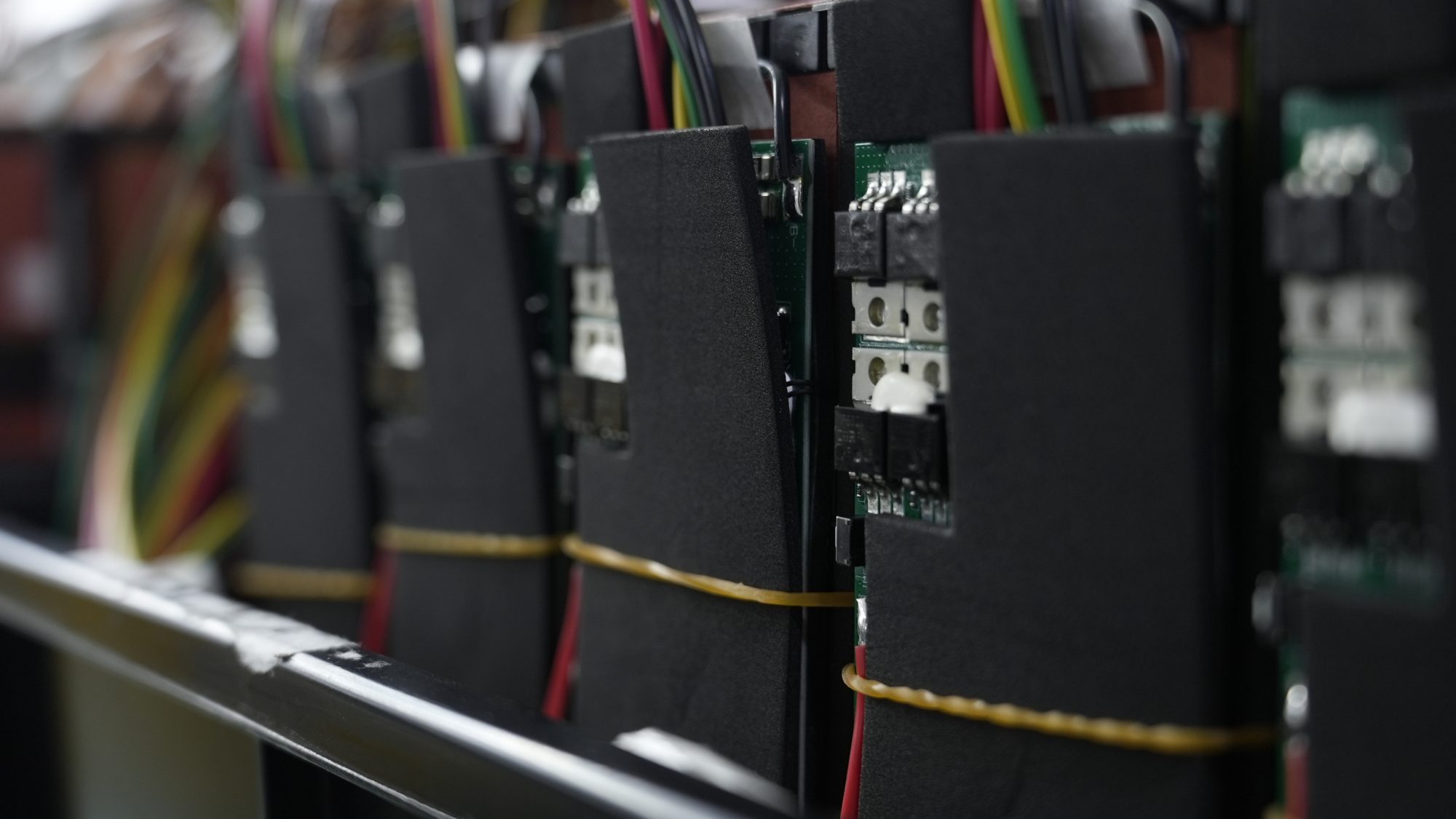
You should follow best practices to maximize recording reliability. Always charge lithium battery packs with approved chargers. Store batteries in cool, dry places to extend service life. Use smart node management systems to monitor battery status and recording health. Schedule regular checks during seismic acquisition projects to ensure continuous recording. In environmentally sensitive areas, use sealed packs to prevent leaks and protect the environment.
Charge batteries before deployment.
Monitor recording status with smart systems.
Store batteries safely between projects.
4.3 Replacement & Redundancy
You need a plan for battery replacement and redundancy. Carry spare lithium battery packs to avoid recording interruptions. Rotate packs to balance usage and extend overall service life. Use modular node designs for quick battery swaps during data retrieval. This approach keeps your seismic node network active and supports uninterrupted recording.
Tip: Redundant recording systems help you avoid data loss and maintain high data quality in all conditions.
You gain reliable power for seismic surveys when you choose lithium-ion battery packs. These solutions deliver long-lasting performance and withstand harsh environments. Matching battery packs to your operational needs ensures consistent data and efficient workflows. Smart management systems help you monitor battery health and maximize uptime. You benefit from best practices that protect your equipment and improve survey results. Ongoing innovation will give you even greater capabilities in future projects.
FAQ
What makes cableless seismic acquisition ideal for long-duration surveys?
You benefit from cableless seismic acquisition because it reduces setup time and increases flexibility. You can deploy nodes quickly in remote areas. This method supports real-time data collection and helps you maintain high data quality, even in challenging environments.
How do lithium battery packs improve battery life in cableless recording systems?
Lithium battery packs provide high energy density and a low self-discharge rate, allowing cableless seismic recording systems to operate for weeks without frequent charging or battery replacement. This extends field operation time, reduces maintenance requirements, and lowers overall operating costs. Contact Large Power for a custom battery pack designed for your cableless recording system.
Can cableless seismic acquisition support real-time data collection?
Yes. You can use cableless seismic acquisition to enable real-time data collection. This lets you monitor seismic activity as it happens. You can make quick decisions and adjust your survey strategy. Real-time access improves efficiency in industrial and infrastructure projects.
How do you ensure safety and reliability in cableless seismic acquisition?
You should select lithium battery packs with advanced safety features. These packs protect against overheating and overcharging. You can trust them in cableless seismic acquisition for medical, industrial, and consumer electronics applications. Reliable packs help you avoid downtime and data loss.
What are the main advantages of cableless seismic acquisition over traditional systems?
Cableless seismic acquisition gives you greater flexibility and faster deployment. You avoid the limitations of cables. You can use lightweight nodes in rugged environments. This approach supports real-time data collection and lowers costs in seismic, robotics, and infrastructure sectors.


