

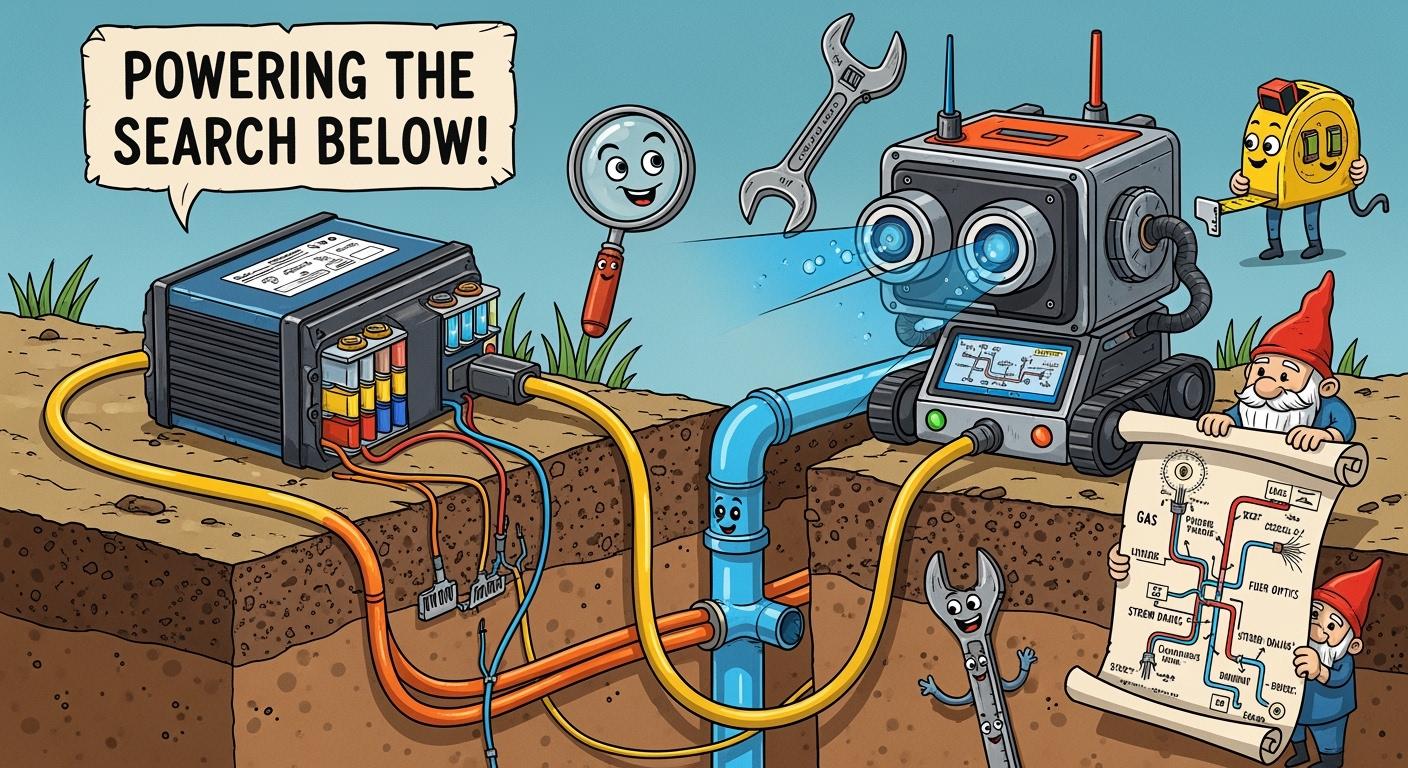
Advanced battery technology drives progress in modern utility inspection. You rely on devices that need consistent power to locate cables, pipes, and infrastructure deep underground. Custom Lithium Battery Packs deliver longer runtime, boost reliability, and improve efficiency in the field. These packs help you avoid downtime and enable your inspection teams to cover more ground.
Key Takeaways
Custom Lithium Battery Packs provide longer runtime, allowing inspection devices to operate for over 12 hours on a single charge, which reduces downtime.
These battery packs are significantly lighter than traditional batteries, improving portability and reducing operator fatigue during fieldwork.
Fast charging capabilities mean some lithium battery packs can be fully charged in just 8 minutes, minimizing interruptions and keeping devices ready for use.
Custom lithium batteries are designed for safety and durability, with features like IP-rated enclosures that protect against harsh environmental conditions.
Selecting the right battery pack involves considering capacity, voltage, and safety certifications to ensure reliable performance in demanding applications.
Part1: Utility Locators and Inspection Devices
1.1 Device Overview
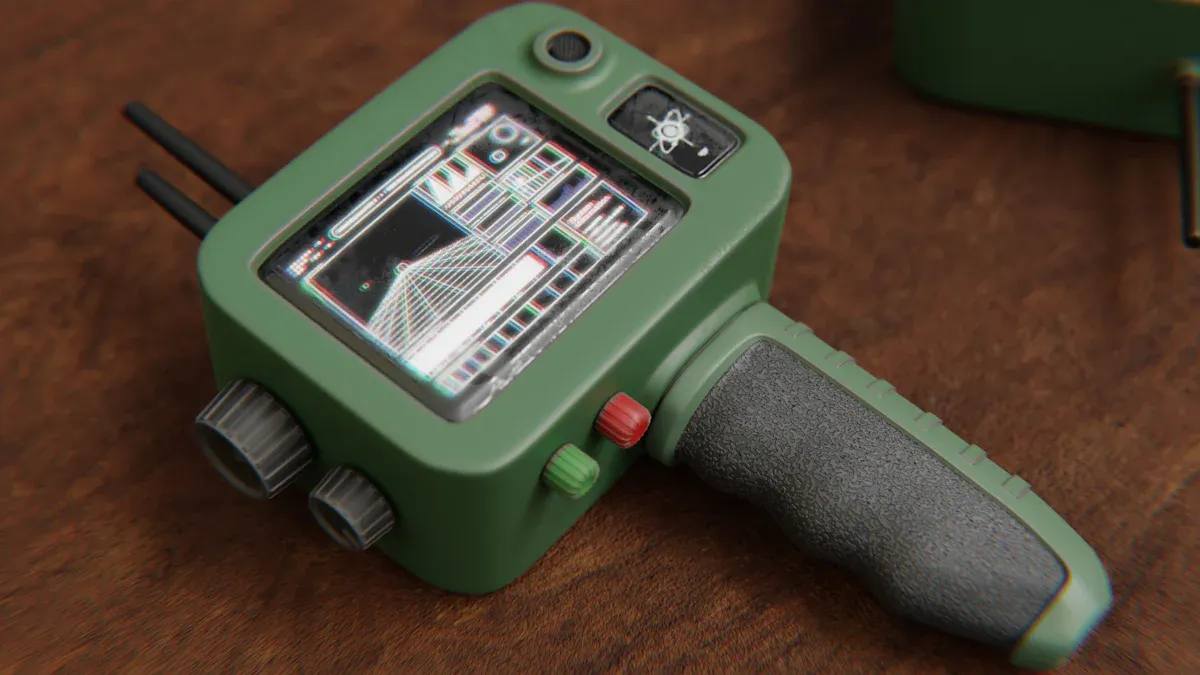
You use underground utility locators to find cables, pipes, and other infrastructure hidden below the surface. These devices use advanced sensors and signal processing to detect metal and non-metal utilities. Many models include features like GPS mapping, digital displays, and wireless data transfer. You can find these locators in industries such as infrastructure, medical, robotics, and security systems.
Custom Lithium Battery Packs power these devices, making them lighter and more portable. You can carry them for long hours in the field without worrying about frequent recharging. The compact design of lithium battery packs supports the integration of advanced features in modern locators.
1.2 Role in Infrastructure Inspection
You rely on utility locators to ensure safety and accuracy during inspection projects. These devices help you avoid damaging underground utilities, which can lead to costly repairs and dangerous accidents.
Note: The accuracy of your locating tools depends on factors like soil conditions, utility depth, environmental interference, and your skill as an operator. Understanding these factors helps you achieve better results and maintain safety standards.
When you combine traditional locating methods with modern technology, you increase the accuracy of your inspections. Proper utility locating prevents significant damage and addresses severe safety hazards. You protect your team and the public by using reliable devices powered by Custom Lithium Battery Packs.
Prevents costly repairs and downtime
Reduces safety hazards in the field
Improves project efficiency and accuracy
You can see the impact of advanced battery technology in every successful inspection. Reliable power solutions help you complete projects on time and with confidence.
Part2: Power Needs in Field Operations
2.1 Importance of Reliable Power
You depend on your underground utility locators to work in tough environments. Reliable power keeps your equipment running during long field operations. If your device loses power, you risk missing important data or delaying your project. Reliable power solutions help you avoid downtime and keep your team productive.
In the field, you face many challenges that affect your power needs. You often use multiple locating technologies to cross-check results and improve accuracy. Advanced equipment, like those used in medical, robotics, and security system industries, requires more energy to support features such as GPS mapping and wireless data transfer. You need operators who receive comprehensive training, so they can use these features effectively. Historical data and GIS mapping technologies also demand consistent power for accurate results. Regular equipment calibration and quality control measures help you maintain high standards, but only if your devices stay powered.
Tip: Always check your battery status before starting a job. This simple step can prevent unexpected interruptions.
2.2 Limitations of Traditional Batteries
Traditional batteries, such as alkaline or nickel-cadmium, often fall short in demanding field conditions. They provide limited runtime and add extra weight to your equipment. You may find yourself carrying spare batteries or stopping work to recharge, which reduces efficiency.
The table below compares common lithium battery chemistries with traditional options:
Chemistry | Energy Density (Wh/kg) | Cycle Life (cycles) | Weight | Maintenance | Typical Use Cases |
|---|---|---|---|---|---|
Alkaline | 100 | 1 | High | High | Consumer electronics |
Nickel-Cadmium | 45-80 | 500-1000 | High | High | Industrial tools |
LCO (Lithium Cobalt Oxide) | 150-200 | 500-1000 | Low | Low | Consumer electronics |
NMC (Nickel Manganese Cobalt) | 150-220 | 1000-2000 | Low | Low | Medical, robotics, infrastructure |
LiFePO4 (Lithium Iron Phosphate) | 90-160 | 2000-4000 | Low | Low | Industrial, security systems |
LMO (Lithium Manganese Oxide) | 100-150 | 300-700 | Low | Low | Power tools, medical |
Solid-State | 250-350 | 2000+ | Low | Low | Emerging applications |
Lithium Metal | 500+ | 500+ | Low | Low | Research, specialty devices |
Custom Lithium Battery Packs use advanced chemistries like NMC or LiFePO4. These options give you longer runtime, lighter weight, and less maintenance. You can focus on your inspection work without worrying about frequent battery changes or unexpected power loss.
Part3: Custom Lithium Battery Packs Benefits
3.1 Extended Runtime
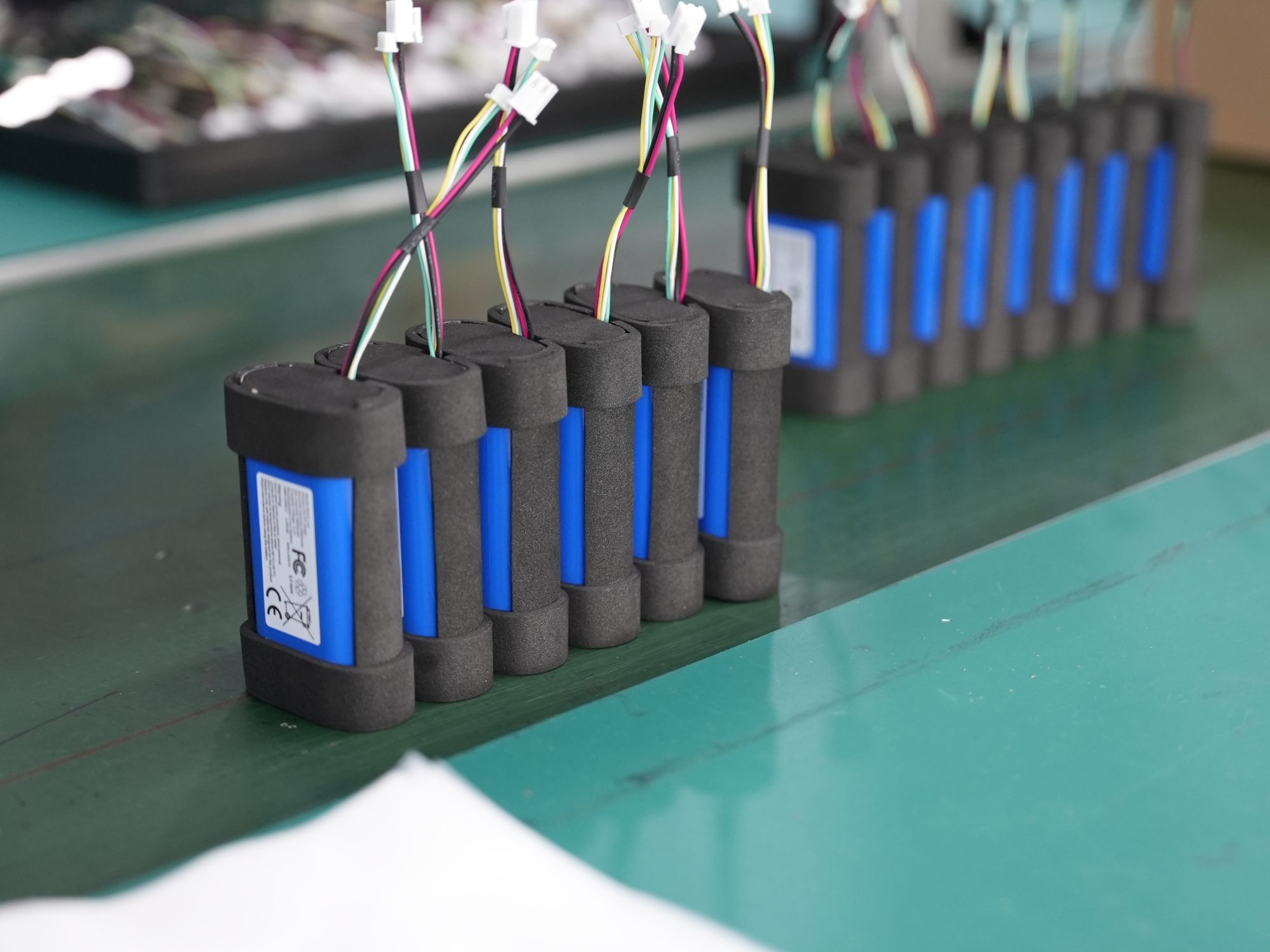
You need your inspection devices to last through long shifts in the field. Custom Lithium Battery Packs give you extended runtime compared to standard batteries. Many utility locators now operate for over 12 hours per charge, while older alkaline or NiMH batteries often last only 6 hours. This improvement lets you finish more inspections without stopping to recharge or replace batteries.
You double your operation time with custom lithium battery packs.
You reduce maintenance frequency by 50%.
You improve reliability in both field and lab environments.
Industry leaders like Radiodetection and Apex Mobile Power use lithium battery packs to power their advanced locators. These packs help you avoid downtime and keep your projects on schedule. Medical devices, robotics, and security systems also benefit from longer battery life, ensuring continuous operation in critical situations.
3.2 Lightweight and Portable
You carry your equipment across job sites, so weight matters. Custom Lithium Battery Packs achieve weight reductions of 60-75% compared to traditional lead-acid batteries. This lighter design makes your devices easier to handle and reduces operator fatigue.
Lighter weight means less strain on your team.
Portable devices improve efficiency and safety.
You can maneuver equipment more easily in tight spaces.
Kress electric tools show how lighter batteries make devices easier to use. Operators experience less fatigue and can work longer without discomfort. In industries like robotics and consumer electronics, portability is essential for productivity and user satisfaction.
3.3 Fast Charging and Low Maintenance
You want to minimize downtime and keep your devices ready for action. Custom Lithium Battery Packs offer fast charging solutions. Some models, like the Kress CyberPack, reach a full charge in just 8 minutes. On-site charging options, such as the Kress CyberTank, let you recharge batteries even in remote locations.
NiMH batteries last 300 to 500 cycles and require frequent replacements.
NiMH batteries lose up to 30% of their charge per month, even when not in use.
Lead-acid batteries need special storage areas with ventilation and take extra time to transport and maintain.
Lithium battery packs require less maintenance. You avoid issues like memory effect and crystal formation that reduce battery life in older chemistries. You spend less time managing batteries and more time focusing on your inspection work.
3.4 Safety and Customization
You need batteries that match your device requirements and field conditions. Custom Lithium Battery Packs are engineered for safety and performance. Manufacturers like Totex Manufacturing design packs with features such as lockable enclosures, removable panels, and IP-rated sealing for cable management.
Customization Aspect | Description |
|---|---|
Size and Configuration | Custom dimensions for battery packs, including single or multi-bay designs. |
Access and Security | Lockable enclosures and removable panels for service access. |
Mounting Options | Vehicle and wall mounting systems for different applications. |
Cable Management | IP-rated sealing and strain relief provisions for safe cable management. |
Monitoring Integration | Sensor and temperature monitoring integration. |
Battery Chemistry Needs | Specific enclosure designs for safety and performance. |
Operating Environment | Indoor vs. outdoor enclosures, weatherproofing, UV resistance. |
Maintenance Access | Easy access vs. secure, maintenance-free options. |
Weight Constraints | Lightweight materials for mobile applications. |
Thermal Management Needs | Active cooling for high-discharge applications, natural convection for low-power needs. |
You select the right chemistry and enclosure for your application. You ensure safe operation in harsh environments, from outdoor infrastructure projects to sensitive medical equipment. Customization lets you optimize battery performance for each device, improving reliability and safety.
Note: Custom lithium battery packs support a wide range of industries, including medical, robotics, security systems, infrastructure, consumer electronics, and industrial sectors. You benefit from tailored solutions that meet your specific needs.
Part4: Choosing the Right Custom Lithium Battery Pack
Selecting the right battery pack for your underground utility locators requires careful consideration. You must balance performance, safety, and compatibility to ensure your devices operate reliably in the field. This section guides you through the most important factors.
4.1 Capacity and Voltage
You need to match the battery’s capacity and voltage to your device’s requirements. Capacity, measured in ampere-hours (Ah), determines how long your locator can run before needing a recharge. Voltage must align with your device’s operating range to avoid performance issues or damage.
Higher capacity means longer runtime, which is essential for extended field operations.
Correct voltage ensures stable device performance and prevents malfunctions.
Application industries like medical, robotics, and security systems often require custom solutions to meet unique power demands.
You should consult your device’s technical documentation and work with your battery supplier to specify the right parameters. Industry leaders such as Lithion and Epec recommend testing battery packs under real-world conditions to confirm they meet your operational needs.
4.2 Environmental Durability
Field operations expose your equipment to harsh environments. You must choose battery packs that withstand temperature extremes, moisture, and vibration. These factors can affect both performance and lifespan.
Elevated temperatures improve efficiency but shorten lifespan due to faster electrolyte breakdown.
Low temperatures reduce capacity and slow lithium-ion movement.
Excessive moisture causes corrosion and degrades the electrolyte, especially when moisture exceeds 500 ppm.
Vibrations and mechanical stress can damage internal structures, increasing resistance and causing capacity loss.
Tip: Select battery packs rated for your typical operating environment. Look for IP-rated enclosures and robust construction to protect against dust, water, and impact.
You can see the impact of environmental durability in industries like infrastructure and industrial applications, where equipment faces constant exposure to challenging conditions.
4.3 Safety and Compliance
Safety is critical when you deploy lithium battery packs in the field. You must ensure your battery packs meet international safety standards and certifications. The following table summarizes key certifications:
Certification/Standard | Description |
|---|---|
UN 38.3 | Testing for lithium batteries to ensure safety during transport. |
IEC 62133-2 | Safety standard for portable sealed secondary cells and batteries. |
You should verify that your battery supplier provides documentation for these certifications. Compliance with these standards reduces the risk of accidents and ensures your batteries can be shipped and used globally.
A Battery Management System (BMS) is essential for safety and performance. The BMS monitors and controls charging and discharging, preventing overcharging, short circuits, and thermal runaway. This system ensures your battery operates safely and reliably, especially in critical applications. For a deeper understanding of BMS, visit our Battery Management System resource.
4.4 Device Integration
Seamless integration of your battery pack with your utility locator is vital for optimal performance. You should collaborate with your technical team and battery manufacturer to define requirements and address engineering challenges.
Work closely with R&D teams to ensure the battery fits your device’s architecture.
Include protection devices and advanced management logic in the design.
Plan for mandatory testing and certification, such as UN38.3 and IEC standards.
Focus on maximizing capacity and service life while maintaining a compact form factor.
Industry leaders like Lithotop and Epec emphasize the importance of co-design and ongoing dialogue between your team and the battery supplier. This approach helps you develop a tailored solution that meets your operational needs and enhances system performance.
Note: Best practices include early collaboration, clear communication of requirements, and thorough testing. These steps ensure your Custom Lithium Battery Packs deliver reliable power in every application, from infrastructure inspection to robotics and medical devices.
Part5: Applications and Sourcing Guidance
5.1 Field Use Cases
You see custom lithium battery packs powering underground utility locators across many industries. These packs help you inspect cables, pipes, and infrastructure in harsh environments. You work in medical, robotics, security systems, infrastructure, consumer electronics, and industrial sectors. Each sector demands reliable power for accurate inspections.
Benefit | Description |
|---|---|
Shock and Vibration Resistance | You operate on rough terrain and need batteries that stay reliable. |
Dust and Moisture Exposure | You work underground where dust and moisture threaten device performance. |
Long Duty Cycles | You complete long shifts without frequent recharging. |
Thermal Stress Management | You face temperature changes and need stable battery performance. |
High Current Demand | You use devices that require steady power during demanding tasks. |
Limited Maintenance Access | You benefit from batteries that need less maintenance in tough locations. |
You improve inspection accuracy and operational uptime with custom lithium battery packs. For example, Mark Stevenson avoided a $150k penalty by re-certifying a battery configuration in ten days. Sophia Chen solved a voltage sag issue, achieving 100% accurate runtime data. Sarah Miller switched to LFP chemistry and saw zero thermal incidents over two years. You align your design goals, enhance safety, and eliminate compromises in critical systems.
5.2 Sourcing Steps
You follow clear steps when sourcing custom lithium battery packs for your field devices:
Determine charger voltage based on lithium-ion cell count and voltage.
Implement safety features like a Battery Management System (BMS) for temperature and voltage control.
Ensure proper cell balancing to prevent overcharging or deep discharging.
Select materials for anodes, cathodes, electrolytes, and separators based on chemistry.
Design battery enclosures to protect against environmental hazards.
Battery pack certification demands systematic attention to design specifications and regulatory requirements. You must consider thermal management, cell spacing, and venting mechanisms to meet standards like UN38.3, IEC 62133-2, and UL 2054.
You avoid common mistakes by treating batteries as a system, not just a component. You select suppliers who guarantee consistent cell quality and understand real-world conditions. You ensure your battery packs meet safety and compliance standards, supporting reliable performance in every application.
You see how Custom Lithium Battery Packs improve the performance and reliability of underground utility locators in industries like infrastructure, robotics, and security systems. When you upgrade your power solutions, consider these factors:
Real-time monitoring and IoT integration
Reduced risk and increased safety
Lower costs over time
Faster project timelines
Better decision making and planning
Regulatory compliance and liability protection
You also notice new trends, such as zinc-air and sodium-sulfur batteries, which may shape future inspection devices. Now is the time to evaluate your current systems and invest in advanced battery technology for greater success.
FAQ
What advantages do custom lithium battery packs offer over standard batteries?
Custom lithium battery packs deliver longer runtime, lighter weight, and improved reliability compared with standard batteries. You gain a pack designed around your device’s voltage, capacity, size, connector, and safety needs for medical, robotics, security system, infrastructure, consumer electronics, and industrial applications. Need a pack matched to your equipment? Request a custom battery solution from Large Power.
How do you ensure battery safety and compliance in field operations?
You should select lithium battery packs with certifications such as UN 38.3 and IEC 62133-2. A reliable Battery Management System monitors charging, prevents overcharging, and maintains safe operation in demanding environments. Large Power can help you design certified packs for field inspection and utility equipment.
Which lithium battery chemistry suits underground utility locators best?
Chemistry | Runtime | Weight | Cycle Life | Typical Use |
|---|---|---|---|---|
NMC | Long | Low | 1000-2000 | Infrastructure, robotics |
LiFePO4 | Medium | Low | 2000-4000 | Security systems, industrial |
You can choose NMC for longer runtime and lighter equipment, or LiFePO4 Lithium battery for longer cycle life and higher safety. If you are unsure which chemistry fits your locator, Large Power can evaluate your power profile and recommend the right pack.
Can you customize battery packs for harsh environments?
Yes. You can customize battery packs with IP-rated enclosures, thermal management, vibration resistance, and reinforced connectors. These features support reliable operation in medical, industrial, infrastructure, and outdoor inspection settings. For rugged field devices, explore Large Power’s custom battery solution.
What steps should you follow when sourcing custom lithium battery packs?
You should define capacity and voltage needs, specify safety features, select the right chemistry, and request certifications. Then you test the pack with your device before deployment. Large Power engineers can support design, prototyping, certification, and integration for your custom lithium battery pack project.


