

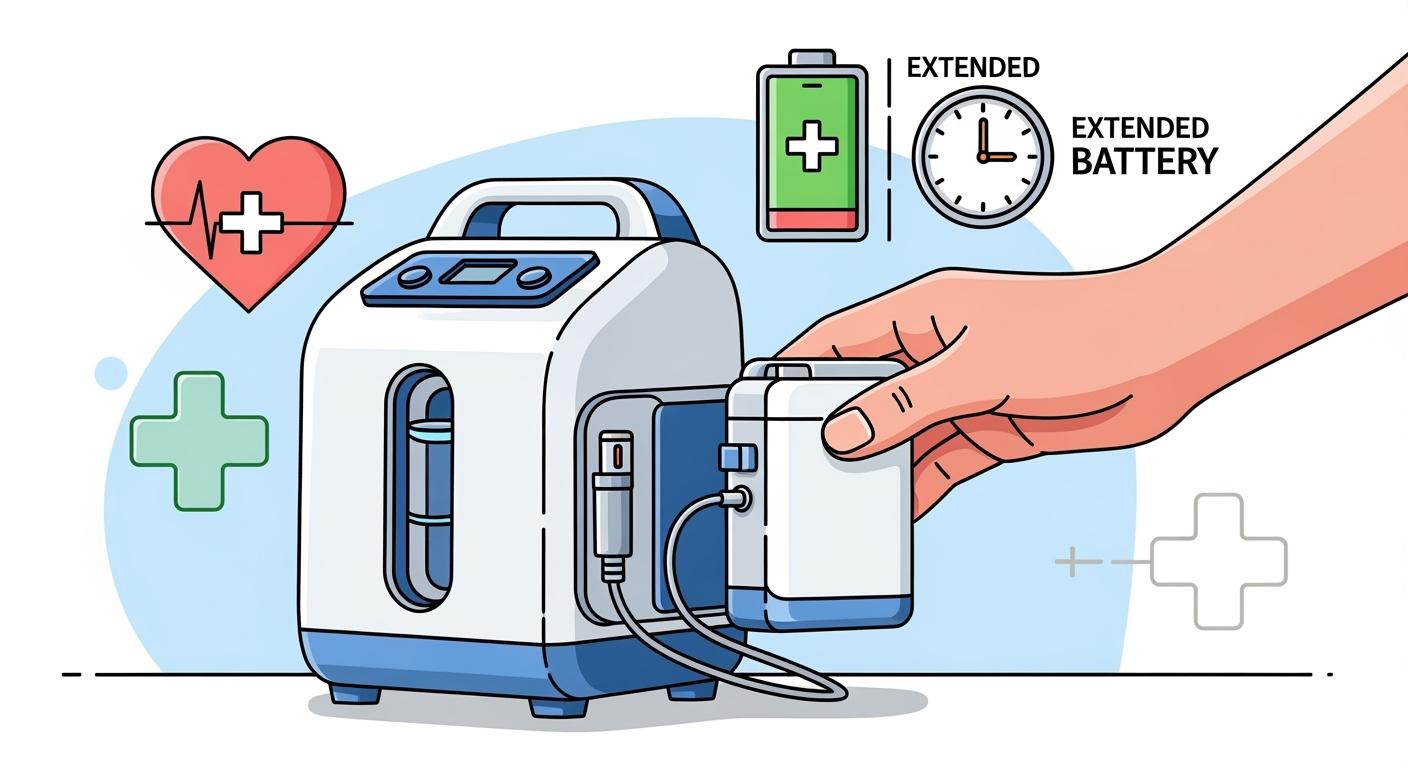
You improve portable oxygen concentrator battery runtime and reliability by selecting high-capacity lithium-ion battery packs, following regular maintenance, and monitoring device settings. Battery performance directly affects patient safety, device uptime, and mobility in home care, clinics, and field medical environments. Portable oxygen concentrators typically provide 2 to 6 hours of runtime per charge, while battery service life often reaches 3 to 5 years with proper care. Reliable medical device battery solutions should support stable output, safety protection, and compliance needs to reduce hazards and maintain essential performance.
Key Takeaways
Choose high-capacity lithium-ion batteries for longer runtime and reliability.
Regularly inspect and maintain batteries to prevent unexpected failures.
Adjust device settings to lower flow rates, maximizing battery life.
Store batteries at the right temperature and charge level to ensure safety.
Replace aging batteries before they fail to maintain patient safety.
Part 1: Battery Performance in Medical Use
1.1 Importance for Patient Safety
You rely on oxygen concentrator battery performance to protect patient safety in clinical settings. Reliable batteries ensure uninterrupted oxygen therapy, which is critical for patients with respiratory conditions. If a battery fails, patients may experience dangerous drops in oxygen levels. You must consider both operational duration and expected lifespan when selecting batteries. You should check battery duration at different device settings and recharge times. Compatibility with power sources, such as pure sine wave inverters, helps maintain safe operation. Adding a safety buffer of 20-30% to battery capacity calculations protects against performance dips in extreme temperatures.
Proper care practices extend battery lifespan. You need to understand factors that impact battery life to guarantee uninterrupted therapy.
Operational duration and expected lifespan matter for patient safety.
Battery duration varies with device settings and recharge times.
Compatibility with power sources ensures optimal performance.
Pure sine wave inverters support safe operation.
Safety buffer of 20-30% in capacity calculations prevents hazards.
1.2 Impact on Device Uptime
You depend on battery reliability to maintain continuous oxygen delivery. If the battery fails, the device stops working, which can lead to medical emergencies. You must select lithium-ion battery packs with high capacity and robust lifecycle ratings. These batteries support longer oxygen concentrator runtime and reduce downtime.
The table below compares battery life and efficiency for different oxygen delivery types:
Oxygen Delivery Type | Battery Life | Efficiency |
|---|---|---|
Continuous Flow | Shorter | Less efficient due to constant output |
Pulse Flow | Longer | More efficient as it delivers oxygen only when inhaled |
You can maximize runtime by choosing pulse flow settings when possible. You should monitor battery age and charge cycles to prevent unexpected failures. Regular maintenance and timely replacement help you maintain device uptime and patient safety.
Part 2: Battery Types and Compatibility
2.1 Lithium-Ion vs. Other Chemistries
You need to understand why lithium-ion batteries dominate portable oxygen concentrators. These batteries deliver higher energy density, longer cycle life, and low self-discharge rates. You can see the advantages in the table below:
Advantage | Description | Impact |
|---|---|---|
Higher Energy Density | Stores more energy per unit weight and volume. | Enables compact medical devices and longer oxygen concentrator runtime. |
Longer Cycle Life | Lasts 500–1,500+ cycles, outlasting lead-acid and NiMH. | Reduces replacement costs and downtime. |
Low Self-Discharge Rate | Retains charge at 1–2% per month. | Keeps devices ready for emergencies. |
No Memory Effect | Can charge anytime without loss of capacity. | Simplifies charging routines. |
Environmental Benefits | Contains no toxic heavy metals. | Reduces environmental impact and maintenance. |
You can compare lithium battery chemistries and their application scenarios in the table below:
Chemistry | Typical Cycle Life | Application Scenarios |
|---|---|---|
LCO | 300–500 | Consumer electronics |
NMC | 500–1,500 | Medical, industrial, robotics |
LiFePO4 | 2,000–5,000 | Infrastructure, security systems, medical |
LMO | 300–700 | Consumer electronics, industrial |
Solid-State | 5,000–10,000 | Medical, infrastructure (potential) |
Lithium Metal | 500–1,000 | Robotics, security systems (emerging) |
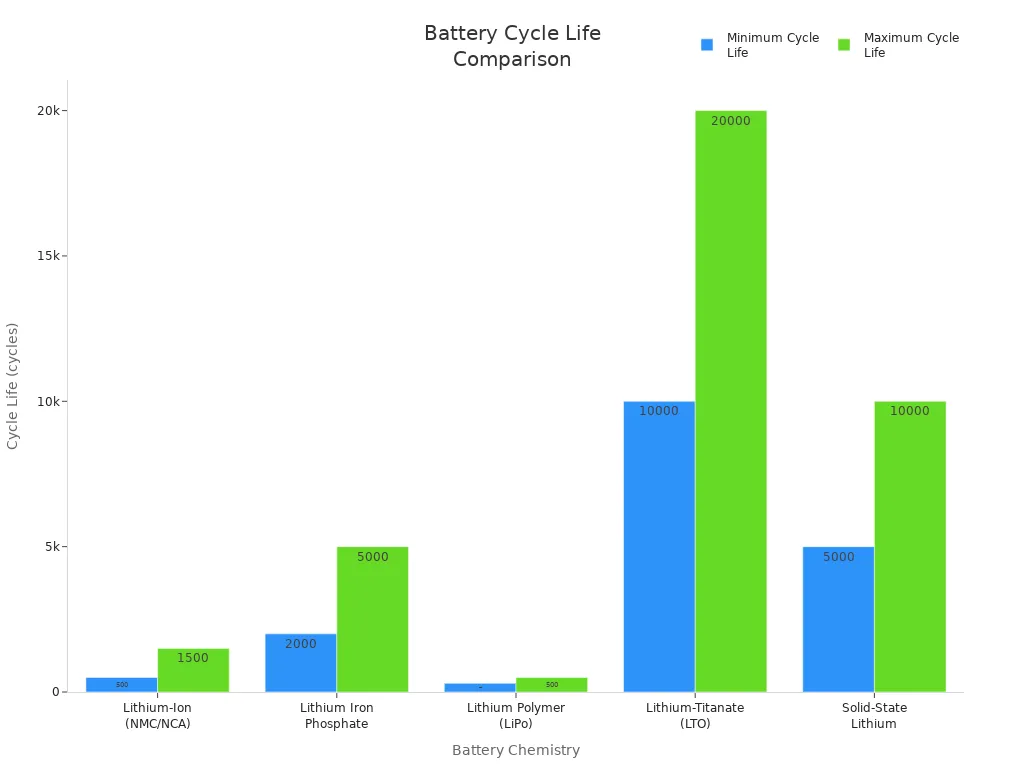
Lithium-ion batteries offer higher specific energy and efficiency, which is essential for medical devices that require reliable power.
2.2 Choosing High-Capacity Batteries
You should select high-capacity batteries to maximize oxygen concentrator battery life. Consider these factors:
Battery life at different oxygen output levels.
Recharge cycles and how capacity decreases over time.
Charging convenience and whether the device operates while charging.
Charging habits that follow manufacturer guidelines.
You can achieve longer runtime by choosing batteries with robust lifecycle ratings and planning for usage away from power sources.
2.3 Device Compatibility Considerations
You must use batteries certified for your portable oxygen concentrators. Using unverified third-party batteries risks device failure, warranty voids, and fire hazards. Manufacturers provide battery life details based on oxygen output levels. You can ensure uninterrupted therapy by choosing devices with larger batteries or carrying spares. Charging convenience matters for active users.
Part 3: Factors Affecting Battery Performance
3.1 Device Settings and Flow Rates
You can directly influence oxygen concentrator runtime by adjusting device settings and flow rates. Portable oxygen concentrators offer both continuous and pulse flow options. Each setting impacts power consumption and battery life in different ways.
Higher flow rates require the compressor to work harder, which increases power use and reduces runtime.
Lower flow rates help you maximize usage time, especially when you select pulse flow instead of continuous flow.
Flow rates are measured in liters per minute (LPM). A setting of 2 LPM uses less power than 5 LPM, so choosing the lowest effective setting extends battery life.
Pulse flow systems deliver oxygen only when you inhale. This method improves efficiency and supports longer runtime.
Continuous flow systems provide a steady stream of oxygen, which can waste energy when you are not inhaling. These units often limit output to 3 LPM to balance battery size and reliable mobility.
Tip: Always select the lowest flow rate that meets therapeutic needs. This approach helps you achieve uninterrupted oxygen therapy and longer oxygen concentrator runtime.
3.2 Environmental Conditions
Environmental factors play a major role in battery performance. You need to operate your device within the recommended temperature and humidity ranges to maintain battery health and device reliability.
Ambient temperature affects lithium battery efficiency. Cold temperatures reduce runtime per charge, while high temperatures can cause the device to overheat or shut down.
The ideal operating temperature for medical device lithium batteries ranges from -20°C to 60°C. For charging, keep the temperature between 0°C and 45°C. For long-term storage, aim for 15°C to 25°C.
Humidity also impacts performance. The best humidity range is 35% to 50%. High humidity can cause moisture blockages, while low humidity may dry out internal components.
Use dehumidifiers or humidifiers to maintain optimal humidity. Always keep the device dry, as moisture can damage sensitive electronics.
High ambient temperatures may force the machine to shut down to prevent damage. Make sure you leave space around the unit for proper cooling.
If you operate the device at high altitudes, the compressor must work harder, which can reduce runtime.
Operation Type | Temperature Range |
|---|---|
Medical Device Lithium Batteries | -20°C to 60°C |
Charging | 0°C to 45°C |
Long-Term Storage | 15°C to 25°C |
Note: Following these guidelines helps you protect your oxygen concentrator battery and ensures consistent performance in medical and industrial environments.
3.3 Battery Age and Charge Cycles
The age of your battery and the number of charge cycles directly affect reliability and runtime. You need to monitor these factors to avoid unexpected power loss.
Most lithium-ion batteries, including NMC and LiFePO4, lose capacity after about 300 charge cycles. After this point, batteries may not fully recharge.
As batteries age, their ability to hold a charge decreases. This means shorter oxygen concentrator runtime and less reliable mobility for patients and staff.
Deep discharge cycles—when you let the battery drain to very low levels—cause extra stress and heat. This accelerates wear on the electrodes and shortens battery life.
To prolong battery life, fully charge your batteries to 100% at least twice per month. Avoid frequent deep discharges to maintain battery health.
Evidence Type | Details |
|---|---|
Charge Cycle Threshold | Batteries typically do not fully recharge after approximately 300 cycles. |
Aging Impact | As batteries age, their ability to hold a charge diminishes. |
Maintenance Advice | To prolong battery life, ensure batteries are fully charged to 100% twice per month. |
Good charging habits and regular monitoring help you maximize usage time and support uninterrupted oxygen therapy in all medical and industrial applications.
Part 4: Maximizing Oxygen Concentrator Runtime
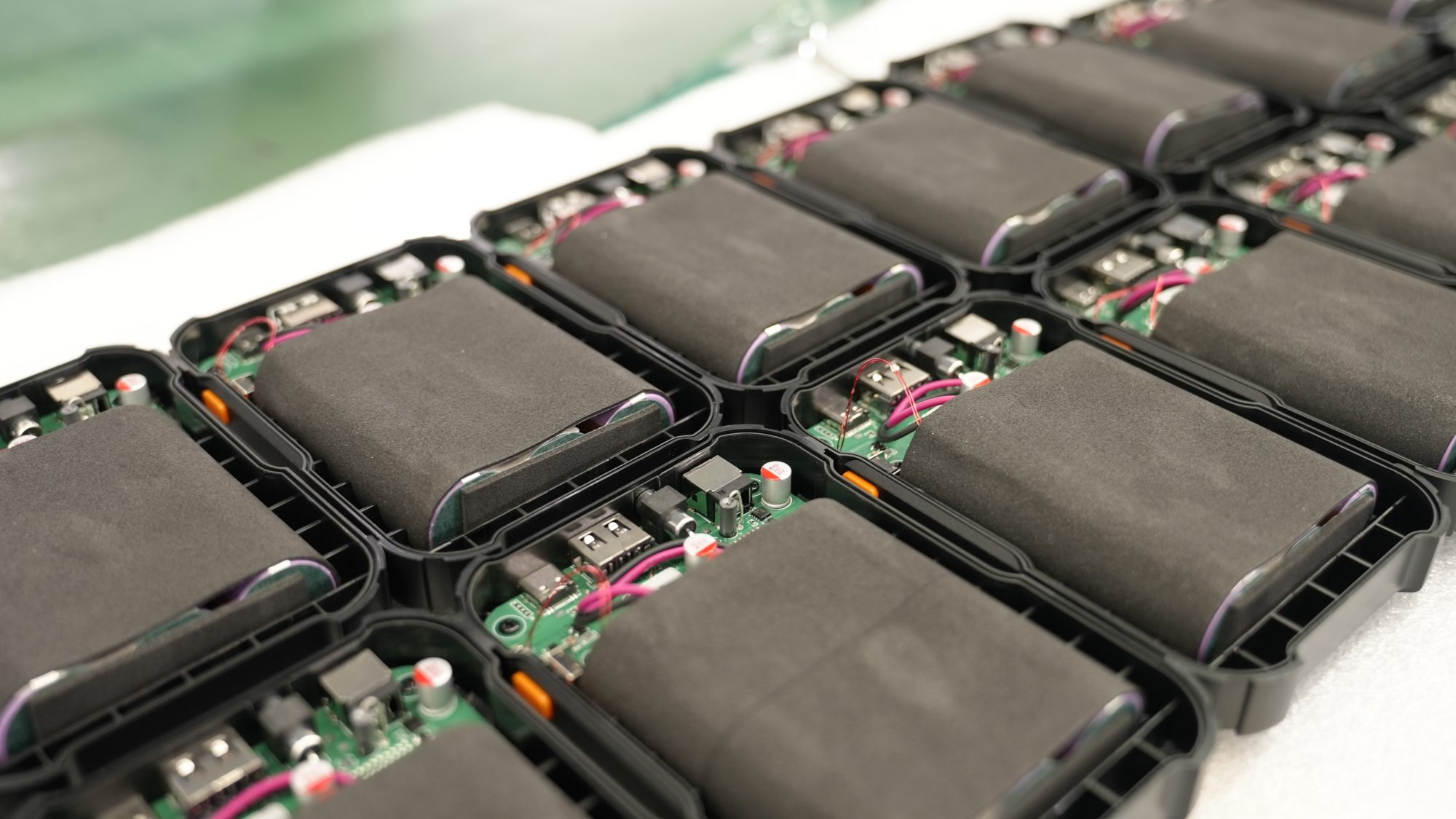
4.1 Optimal Charging Practices
You can extend the runtime and reliability of your portable oxygen concentrator by following optimal charging practices. Charging habits play a key role in maintenance and in maintaining battery health. Always use the charger provided by the manufacturer. Avoid using third-party chargers, as they may not deliver the correct voltage or current.
Charge your battery before it drops below 20%. Deep discharges can shorten battery lifespan and reduce reliability.
Do not leave your battery plugged in for extended periods after it reaches 100%. Overcharging can cause heat buildup and accelerate internal wear.
If you notice your battery becoming warm during light use, this signals early internal deterioration. This can compromise the reliability of your medical device and may require immediate maintenance.
Schedule regular charging cycles. Fully charge your battery to 100% at least twice per month to keep it in good condition.
Use a battery management system (BMS) to monitor charging status and prevent overcharging or deep discharge. BMS technology helps optimize runtime and supports safe operation in medical environments.
Tip: Set reminders for regular charging and inspection. This simple step can prevent unexpected downtime and support continuous oxygen therapy.
4.2 Battery Rotation and Backup
Rotating your batteries and keeping backups ready are essential strategies for maximizing device uptime and ensuring patient safety. You should always keep at least one fully charged backup battery available, especially in critical care settings or during travel.
Keeping batteries fully charged ensures your portable oxygen concentrator is always ready for use.
Rotating batteries helps maintain their condition, prolonging their lifespan and reliability.
Backup batteries are essential for ensuring continuous oxygen supply during power outages or emergencies.
The importance of home battery backup increases during situations like power outages, ensuring that medical equipment remains operational.
Backup battery strategies, such as using Uninterruptible Power Supply (UPS) systems, enhance device uptime in critical medical scenarios. UPS systems provide immediate power during outages and protect sensitive equipment from electrical disturbances. This stabilization is vital for maintaining operational integrity in environments like ICUs and surgical suites.
Note: Regular maintenance of all batteries, including backups, is necessary. Test backup batteries monthly and replace them if you notice reduced performance.
4.3 Storage and Transportation Tips
Proper storage and transportation practices help you avoid safety risks and extend battery life. Lithium-ion batteries used in portable oxygen concentrators require special care due to their chemical properties.
Store lithium-ion batteries at an ideal temperature of around 15°C (59°F) to ensure safety.
Maintain a state of charge around 40% when storing batteries for long periods. This prevents instability and reduces the risk of fire hazards.
Use fire suppression systems in storage areas to mitigate risks associated with hazardous materials.
Ensure compliance with EPA, OSHA, and NFPA regulations for safe storage practices.
Improper storage can lead to thermal runaway, posing fire and explosion risks.
Do not store batteries fully charged to prevent degradation.
Return damaged batteries for inspection to ensure safety.
When transporting batteries, use protective cases to prevent physical damage. Avoid exposing batteries to extreme temperatures or direct sunlight during transit. Always follow local and international regulations for shipping lithium-ion batteries, especially in medical, industrial, and infrastructure applications.
Callout: Good storage and transportation practices are a key part of maintenance. They help you avoid costly downtime and ensure your oxygen concentrator is ready when needed.
Storage Factor | Best Practice |
|---|---|
Temperature | Store at 15°C (59°F) |
State of Charge | Maintain at 40% for long-term storage |
Fire Safety | Use fire suppression systems |
Regulatory Compliance | Follow EPA, OSHA, NFPA guidelines |
Battery Condition | Return damaged units for inspection |
By following these guidelines, you support maintaining battery health and extend the operational life of your portable oxygen concentrator. Consistent maintenance, including charging, rotation, and storage, ensures reliable performance and patient safety in all medical and industrial environments.
Part 5: Battery Maintenance and Safety
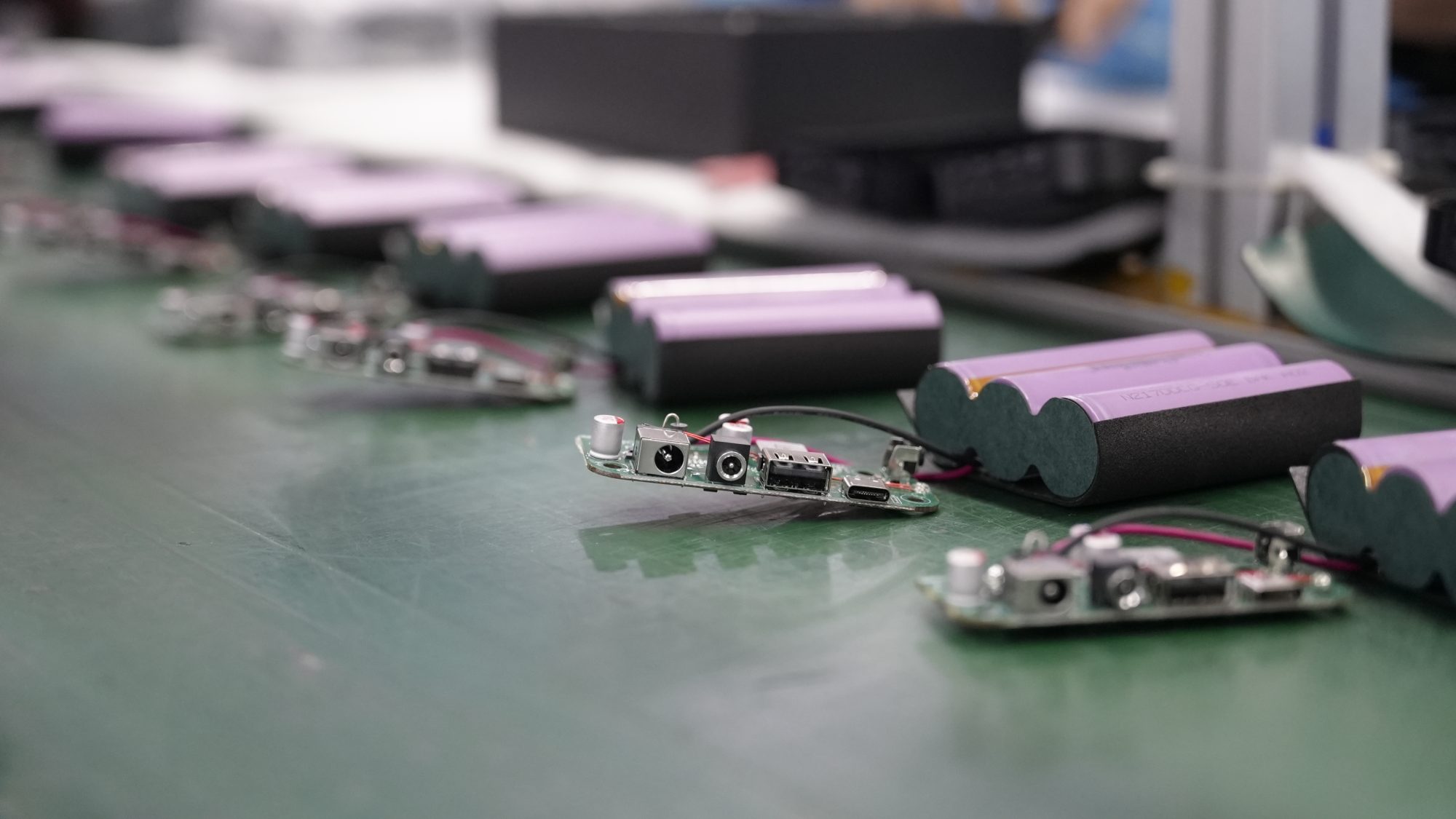
5.1 Regular Inspection and Cleaning
You need to inspect and clean your lithium-ion battery packs regularly. Routine maintenance helps you spot early signs of wear or damage. You should check for swelling, corrosion, or loose connections. Clean battery terminals with a dry cloth to remove dust and debris. Hospitals that follow structured maintenance practices see fewer emergency failures and better device reliability. Stable charging and regular inspections help maintain battery chemistry and extend lifespan.
Routine testing gives you insights into battery health.
Early identification of potential failures prevents downtime.
Structured maintenance extends battery life.
Proactive programs reduce emergency failures.
Tip: Schedule monthly inspections for all batteries used in medical devices. This habit supports uninterrupted oxygen therapy and reliable operation.
5.2 Calibration and Firmware Updates
You must calibrate your portable oxygen concentrator batteries to ensure accurate runtime readings. Calibration helps your device measure battery capacity correctly. Manufacturers often provide instructions for calibration. You should update device firmware when new versions become available. Firmware updates improve battery management and add safety features. Always use approved software from the device manufacturer.
Maintenance Task | Frequency | Benefit |
|---|---|---|
Battery Calibration | Every 6 months | Accurate runtime readings |
Firmware Updates | As released | Enhanced safety and reliability |
Note: Keeping your device software current helps you avoid unexpected battery issues and supports compliance with medical standards.
5.3 Safe Handling and Emergency Response
You must handle lithium-ion batteries with care. Follow established standards such as ANSI/AAMI ES 60601-1 and IEC guidelines. These standards focus on proper design, user education, and risk reduction. Only use approved batteries and chargers. Store batteries in cool, dry places. Remove damaged or overheated batteries promptly to prevent thermal runaway. Warehouses should have strict inspection policies for battery storage.
To respond to emergencies, train staff to recognize battery hazards. Provide clear instructions for safe storage, charging, and maintenance. Design devices to prevent the use of unapproved batteries. These steps protect patients and staff in medical, industrial, and infrastructure settings.
⚠️ Alert: Never ignore signs of battery damage. Immediate action prevents safety incidents and maintains device reliability.
Part 6: Troubleshooting and Replacement
6.1 Signs of Battery Deterioration
You need to recognize early warning signs of battery deterioration in your portable oxygen concentrators. Identifying these issues helps you prevent unexpected device failures and maintain patient safety. The table below outlines common signs at each stage:
Stage of Deterioration | Common Signs |
|---|---|
Early-Stage | Shorter runtime, longer charging times, small voltage drops, reduced accuracy in remaining-time estimates |
Mid-Stage | Device switches to backup power earlier, unexpected shutdowns, fast percentage drops, increased charging frequency, higher internal resistance |
Advanced Signs | Swelling or deformation of battery casing, rapid heat buildup, sudden voltage collapse, visible leakage, repeated alarms from power management system |
⚠️ Alert: If you notice swelling, heat, or leakage, remove the battery immediately and follow emergency protocols.
6.2 When to Replace Batteries
You should replace lithium-ion battery packs when you observe persistent performance drops or advanced deterioration signs. Frequent unexpected shutdowns, rapid drops in charge percentage, or visible damage signal the need for replacement. Most lithium battery chemistries, such as NMC and LiFePO4, require replacement after 300–1,500 cycles, depending on application and usage. Always use certified batteries compatible with your medical devices to ensure safety and compliance.
Replace batteries if runtime falls below safe operational limits.
Swap out units showing swelling, heat, or leakage.
Follow manufacturer guidelines for replacement intervals.
Tip: Schedule regular battery assessments to avoid unplanned downtime in medical, industrial, or infrastructure environments.
6.3 Proper Disposal and Recycling
You must handle used lithium-ion batteries with care to protect both people and the environment. Direct disposal can release toxic materials like cobalt, lithium, and nickel, which pose long-term health risks. Strict regulations govern the handling of waste lithium-ion batteries in medical and industrial sectors.
Inspect batteries for damage before storage.
Remove batteries that release heat or exceed approved charge levels.
Avoid storing batteries fully charged for long periods.
Return compromised batteries to the supplier for inspection.
Transport old batteries separately from household waste.
Use safe containers for storage before disposal.
Dispose of batteries at designated recycling or hazardous waste collection points.
🌱 Sustainability matters: Learn more about battery recycling and sustainability to support responsible practices in your organization.
By following these steps, you help reduce environmental impact and maintain compliance with global safety standards.
You can improve oxygen concentrator battery runtime and reliability by choosing high-capacity lithium-ion packs, following strict maintenance routines, and monitoring device settings. You should train your staff on best practices and schedule regular battery checks.
Select certified lithium battery chemistries like NMC or LiFePO4.
Rotate and store batteries properly.
Replace aging units before failures occur.
Stay informed about new battery technologies and industry standards. Reliable battery management protects patient safety and supports operational success.
FAQ
What is the best lithium battery chemistry for portable oxygen concentrators?
You should choose NMC batteries. It offers high energy density, long cycle life, and strong safety records. The table below compares their features:
Chemistry | Cycle Life | Application Scenarios |
|---|---|---|
NMC | 500–1,500 | Medical, robotics, industrial |
LiFePO4 | 2,000–5,000 | Medical, infrastructure |
For portable oxygen concentrator projects, Large Power can help evaluate voltage, capacity, cell chemistry, enclosure design, and BMS protection for reliable medical use.
How often should you replace lithium-ion batteries in medical devices?
You should replace batteries after 300–1,500 cycles for many lithium-ion packs, depending on chemistry, discharge depth, charging habits, and operating temperature. Monitor for reduced runtime, swelling, overheating, charging failure, or abnormal device alerts. Always follow the medical device manufacturer’s instructions and use certified battery packs for safe operation.
Can you use third-party batteries in portable oxygen concentrators?
You should avoid uncertified third-party batteries in portable oxygen concentrators. Use batteries approved for the device or work with a qualified medical device battery solutions provider when developing OEM replacement packs. Certified packs help maintain safety, warranty protection, electrical compatibility, and regulatory compliance.
What is the ideal storage condition for lithium-ion batteries?
Store lithium-ion batteries in a cool, dry, well-ventilated area, away from direct sunlight, heat sources, moisture, and metal objects. For long-term storage, keep batteries around 40% to 60% state of charge and follow the manufacturer’s temperature range. Proper storage reduces aging, swelling risk, and safety hazards.
Why does battery runtime change with different oxygen flow settings?
Higher oxygen flow rates require more power, which reduces battery runtime. Pulse flow settings usually consume less energy than continuous flow because the device delivers oxygen only during inhalation. You can maximize runtime by using the lowest clinically appropriate flow setting, maintaining filters, and selecting a battery pack with the right capacity and discharge performance.


