

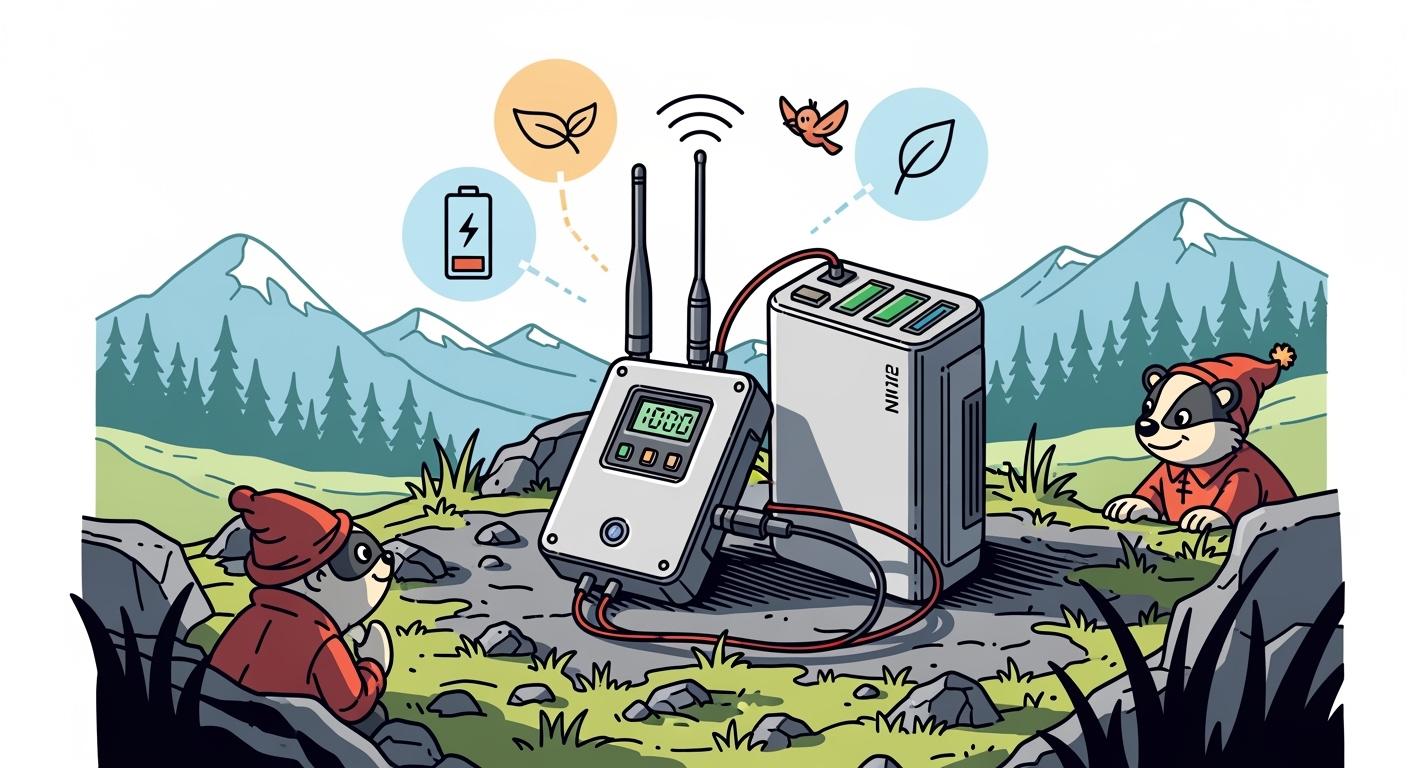
Custom Battery Packs give you the power to keep portable environmental monitoring systems running in remote locations. You need stable and reliable energy to collect data without interruption, even when facing harsh weather or difficult terrain. Precision-engineered packs with high energy density, such as LiFePO4, deliver unmatched cycle life and wide temperature tolerance. Smart sensors and battery management systems help prevent outages and allow real-time monitoring. These advanced solutions support your field operations and improve safety and performance.
Key Takeaways
Custom Battery Packs provide reliable power for remote environmental monitoring, ensuring continuous data collection even in harsh conditions.
Choosing the right battery chemistry, like LiFePO4, enhances safety and longevity, reducing maintenance needs and costs.
Advanced Battery Management Systems (BMS) monitor performance in real-time, preventing failures and extending battery life.
Smart sensors enable predictive maintenance, allowing you to address issues before they lead to costly downtime.
Sustainable practices, such as recycling and eco-friendly materials, help minimize the environmental impact of battery use.
Part1: Power Demands in Remote Monitoring
1.1 Continuous Operation Needs
You rely on remote environmental monitoring systems to collect data around the clock. These systems often operate in places where you cannot easily reach them for maintenance or battery replacement. You need stable, long-lasting power to keep sensors and communication modules running without interruption. Custom Battery Packs designed for these applications deliver consistent energy output over extended periods. This reliability reduces the risk of data loss and minimizes the need for costly field visits.
1.2 Environmental and Access Challenges
Remote sites often face extreme weather, temperature swings, and high or low humidity. These factors can affect the performance and lifespan of lithium battery packs. For example:
High temperatures can cause thermal stress, which leads to performance drops and even permanent damage to electronic components.
Low temperatures can reduce battery capacity and slow down system functions.
High humidity may cause condensation, leading to corrosion and possible short-circuiting of sensitive parts.
Low humidity increases the risk of static electricity, which can harm electronics.
You must choose battery solutions that withstand these challenges. Custom Battery Packs using chemistries like LiFePO4 or NMC offer wide temperature tolerance and robust protection against environmental stress.
1.3 Impact on Data Reliability
Reliable power is essential for accurate and continuous data collection. If a battery fails due to harsh conditions or insufficient capacity, you risk losing valuable environmental data. This loss can impact research, regulatory compliance, or operational decisions. By selecting battery packs engineered for durability and resilience, you ensure your monitoring systems deliver trustworthy results. You also reduce downtime and avoid unexpected maintenance trips, which saves time and resources.
Part2: Custom Battery Packs Design Essentials
2.1 High Energy Density and Lightweight Design
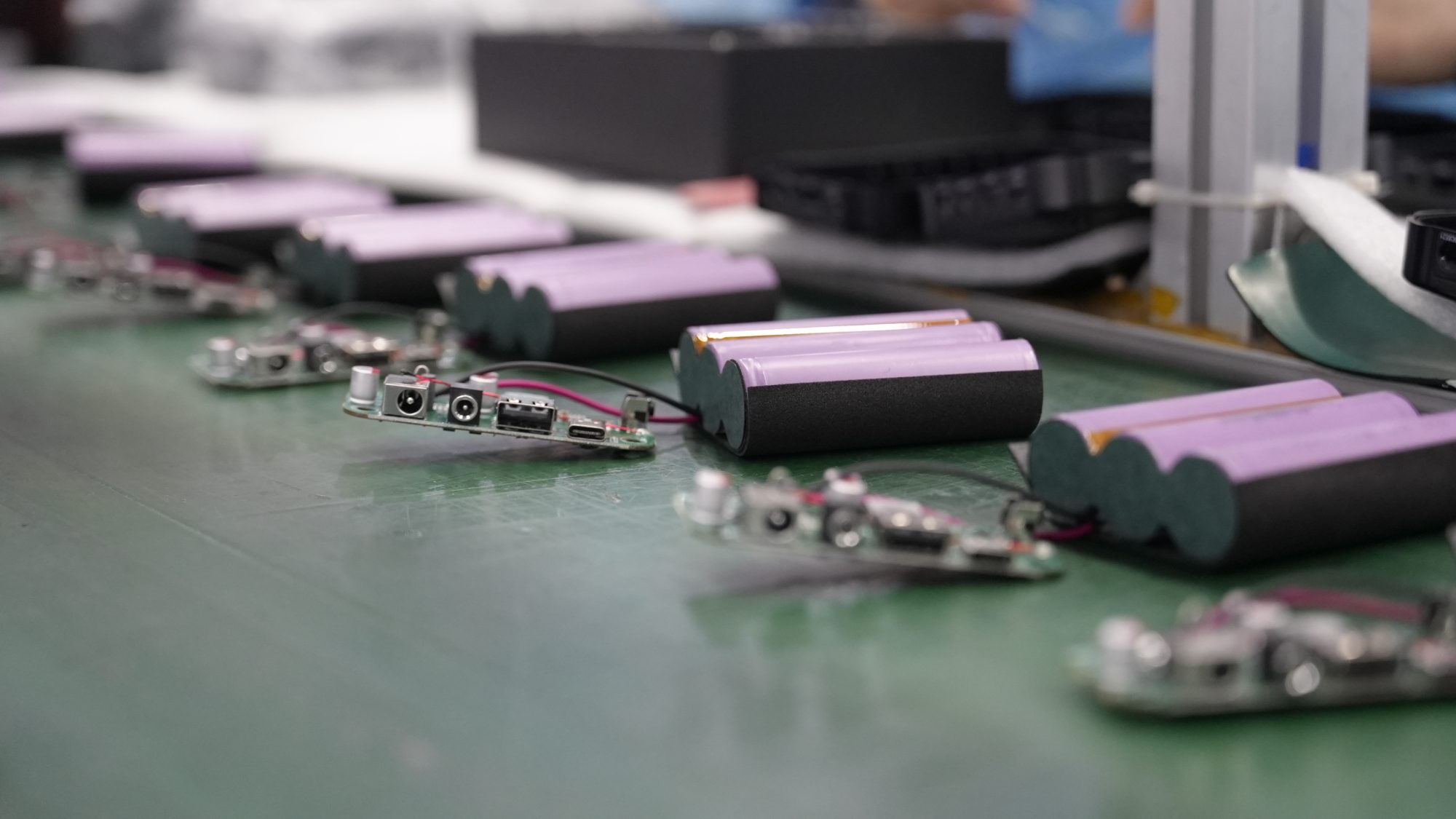
You need portable monitoring devices that last longer and weigh less. Custom Battery Packs use advanced lithium chemistries to maximize energy density. This lets you design smaller, lighter systems that are easier to deploy in remote locations. High-energy-density batteries improve runtime and reduce downtime, which boosts productivity for professionals in fields like medical, robotics, security, infrastructure, consumer electronics, and industrial monitoring.
Tip: Choosing the right battery chemistry can help you balance weight and endurance for your monitoring system.
Here is a comparison of energy density for popular battery types:
Battery Type | Energy Density (Wh/kg) |
|---|---|
Lithium-ion | 150–250 |
Lithium-polymer | 300–400 |
You can see that lithium-polymer batteries offer higher energy density, which is ideal for applications where weight and size matter most.
The market for high-energy-density batteries is growing fast. You will see a projected value of USD 10.2 Billion by 2033, with a CAGR of 5.5% from 2026 to 2033. This growth comes from the adoption of mobile and wearable technology.
Modern materials also play a key role in lightweight design:
Thermoplastic composites provide strong, durable protection for battery packs. They are crucial for structural storage in next-generation vehicles and portable devices.
Elium® resin is a thermoplastic resin that makes composite parts up to 50% lighter than steel. It also offers recyclability.
Rilsan® Fine Powders are bio-based thermoplastics that resist corrosion and damage. They work well in extreme conditions and provide high insulation.
2.2 Safety and Environmental Resilience
You must ensure your Custom Battery Packs meet strict safety standards, especially when you deploy them in harsh environments. Safety certifications like IEC 62133, UN 38.3, UL 1642, ISO 26262, and MIL-STD-810 guarantee that your battery packs can withstand extreme temperatures, shocks, and vibrations.
Standard | Description |
|---|---|
IEC 62133 | Mandates temperature testing from -20°C to +75°C and thermal abuse testing up to 130°C. |
UN 38.3 | Covers transportation safety with eight rigorous tests for lithium batteries. |
UL 1642 | Specifies safety requirements for lithium batteries. |
ISO 26262 | Functional safety standards for automotive applications, extending temperature ranges to -40°C to +125°C. |
MIL-STD-810 | Environmental testing standards for military and aerospace applications, with temperature ranges from -55°C to +125°C. |
You can rely on these standards to protect your monitoring systems from environmental hazards. Custom Battery Packs use several strategies to maintain performance and safety:
Thermal management systems, such as liquid cooling, keep cells within safe temperature ranges. This improves cycle life and safety, especially during fast charging or high-power use.
Sealed aluminum or steel housings protect against water, dust, and impacts. Crash structures and reinforcements safeguard cells during physical stress.
Battery Management Systems (BMS) monitor voltage, current, and temperature. They balance cells and protect against overcharge, over-discharge, and over-temperature conditions.
Note: You should always check for these certifications and features when selecting battery packs for remote monitoring.
2.3 Maintenance and Lifecycle
You want battery packs that last longer and require less maintenance. Custom Battery Packs with lithium-ion chemistry offer longer lifespans and more charge cycles than other types. This reduces the frequency of service calls and lowers operational costs.
Battery Type | Average Lifespan | Charge Cycles |
|---|---|---|
Lithium-ion (Li-ion) | 2–5 years | 300–2,000 |
Nickel-Metal Hydride | 1–3 years | 200–400 |
Lead-Acid | 3–5 years | N/A |
Lithium-ion batteries support more charge cycles, which means you spend less time and money on maintenance. Regular maintenance and predictive monitoring help you minimize unexpected downtimes and improve resource management.
Lithium-ion batteries last 2–5 years and support 300–2,000 charge cycles.
Nickel-Metal Hydride batteries last 1–3 years and support 200–400 charge cycles.
Lead-Acid batteries last 3–5 years but do not support as many cycles.
You can use battery management systems to track performance and schedule maintenance before problems occur. This approach keeps your monitoring systems running smoothly and extends the lifecycle of your Custom Battery Packs.
Callout: Precision engineering supports IoT sensors and portable monitors by delivering stable power, reducing maintenance needs, and ensuring reliable operation in demanding environments.
Part3: Lithium Battery Technologies & Selection
3.1 Lithium-Ion vs. Lithium-Polymer
You need to understand the differences between lithium-ion and lithium-polymer batteries when designing power solutions for remote monitoring. Each type offers unique advantages and limitations.
Feature | Lithium-Ion | Lithium-Polymer |
|---|---|---|
Energy Density | 150–250+ Wh/kg | 130–200 Wh/kg |
Cycle Life | 500–1000 cycles | 300–400 cycles |
Safety | Well protected, less prone to damage | More vulnerable to punctures |
Lithium-ion batteries provide higher energy density. You can store more energy in a smaller space, which is important for long-endurance field deployments. These batteries also last longer, with up to 1000 charge cycles. You benefit from better protection against physical damage.
Lithium-polymer batteries have a flexible, lightweight design. You can use them in applications where space and weight are critical. However, they cost nearly twice as much as lithium-ion batteries. They also have a shorter lifespan, usually 300–400 cycles, and are more susceptible to swelling or fire if punctured.
Tip: Choose lithium-ion batteries for most remote monitoring systems that need high energy storage and long service life. Use lithium-polymer batteries only when your device requires a slim or custom shape.
3.2 Application-Based Selection
You must match the battery technology to your specific application. Consider the following criteria:
Criteria | Description |
|---|---|
Power Requirements | Measure current draw during all operating modes and calculate total energy consumption. |
Environmental Conditions | Assess battery performance in extreme temperatures and humidity. |
Physical Constraints | Ensure the battery fits within the device’s size and weight limits. |
Cost Targets | Evaluate total cost of ownership, including replacement and maintenance. |
Lithium-ion batteries work well in devices that need high capacity and long runtime, such as air quality stations or water analysis tools. You can rely on them for stable operation in most environments. Lithium-polymer batteries fit best in compact, lightweight devices like portable sensors, wearables, or drones. Their flexible form factor allows you to design ultra-thin or custom-shaped monitoring equipment.
Temperature plays a critical role in battery selection. All chemical reactions slow down at low temperatures, which reduces battery capacity. For extreme cold, you may consider chemistries like Li-SoCl2, which function down to -60°C, though with reduced capacity.
Note: In mission-critical monitoring, reliability matters most. Select a battery that can withstand harsh conditions to avoid costly failures.
3.3 Performance and Cost Trade-Offs
You face important trade-offs when choosing between lithium battery chemistries for Custom Battery Packs. Consider these points:
Lithium-ion batteries are more cost-effective due to mass production and standardized processes.
Lithium-polymer batteries are more expensive because of specialized materials and manufacturing techniques.
The initial purchase price is only one part of the total cost of ownership. You must also consider replacement frequency, maintenance, storage, and disposal costs.
Lithium-ion batteries are generally more affordable in the long run, especially for high-capacity and longevity applications.
You should also match battery performance to your application:
Portable electronics need a balance of capacity and power density for daily use and high power bursts.
Medical devices require high capacity for longevity and quick power delivery in emergencies.
Electric vehicles focus on high capacity for long range and sufficient power density for performance.
A comprehensive assessment of total cost of ownership helps you make informed investment decisions. You can avoid overspending and ensure your monitoring systems remain reliable and cost-effective.
Callout: Always evaluate both performance and cost when selecting batteries for remote monitoring. The right choice supports your operational goals and reduces long-term expenses.
Part4: Integration and Smart Monitoring
4.1 Battery Management Systems (BMS)
You need advanced battery management systems to keep your remote monitoring equipment safe and reliable. These systems track battery health and performance in real time. They use intelligent algorithms to estimate the state of charge and manage power distribution. This helps you avoid dangerous failures and extend battery life.
Here are the essential features of modern BMS for remote monitoring:
Feature | Description |
|---|---|
Real-time Data Acquisition | Tracks battery parameters continuously for immediate access. |
Monitoring and Diagnostics | Assesses battery health and performance. |
Communication Protocols | Enables data transfer and system integration. |
Intelligent Algorithms | Improves state estimation and power distribution. |
Thermal Management | Controls temperature for longer battery life. |
Modular Components | Allows for easy scaling and maintenance. |
A BMS also balances cells, monitors voltage and temperature, and protects against overcharging. You can trust these systems to prevent failures and keep your Custom Battery Packs running longer.
4.2 Smart Sensors and Predictive Maintenance
Smart sensors play a key role in predictive maintenance. They monitor temperature, voltage, and current to ensure your battery system stays within safe limits. These sensors can detect leaks or gas buildup, which helps you avoid costly damage.
With real-time data, you can predict when maintenance is needed. This reduces unplanned downtime and extends the life of your equipment. Predictive maintenance also lowers costs by preventing major repairs.
A telecom operator reduced battery-related service interruptions by 30% in one year using predictive maintenance. Maintenance teams replaced failing batteries early, which prevented unexpected outages.
You gain improved reliability, lower costs, and longer battery life by using smart sensors and predictive analytics.
4.3 Real-World Deployments
You can see the benefits of smart integration in real-world projects. The Bulgarian Antarctic Base uses advanced battery energy storage systems with photovoltaic power. Their system relies on reliable batteries that work at temperatures as low as -38°C. This setup ensures continuous power for climate research, even during harsh weather.
Custom battery designs also improve performance in other fields. For example, custom battery rebalancing technology increased the driving range of BYD electric vehicles by up to 84 kilometers. These solutions optimize energy density and safety, which is crucial for evolving technologies like drones and remote sensors.
Integrated monitoring systems support better lifecycle management and recycling, helping you achieve up to 95% recovery rates for materials like lithium and cobalt.
Part5: Trends and Sustainability
5.1 Emerging Battery Innovations
You see rapid progress in lithium battery chemistry, which boosts performance and longevity for portable environmental monitoring systems. New electrode materials and advanced electrolytes help batteries work efficiently in harsh environments. You benefit from integrated sensor technologies that monitor critical conditions, ensuring safety and reliability.
Innovations in battery design focus on energy efficiency and longer lifespans. You can use batteries with integrated heating elements and advanced insulating materials to maintain optimal function in extreme temperatures. Rugged enclosures and non-conductive materials protect batteries from environmental stress. Improved battery chemistries, such as LiFePO4 and NMC, deliver reliable operation even in cold climates. Smart sensors and battery management systems enhance monitoring and maintenance, supporting long-term reliability.
You gain longer endurance and better reliability for your monitoring devices by adopting these new technologies.
5.2 Environmental Impact
You must consider the environmental impact of lithium battery packs. Lithium mining causes land degradation and loss of biodiversity. Production requires significant water resources, which affects local agriculture and communities. Extraction processes lead to soil degradation and disrupt ecosystems.
Improper disposal of lithium-ion batteries creates electronic waste and releases harmful chemicals into the environment. Open-pit mining methods cause erosion, pollution, and damage to soil and water quality.
You can adopt sustainable practices to reduce these impacts:
Recycling prevents harmful substances from leaking into landfills.
You conserve finite resources like lithium and iron.
Recycling decreases your carbon footprint by using less energy and generating fewer emissions.
Practice | Description |
|---|---|
Material Selection | Use eco-friendly materials and minimize cobalt to reduce ecological impact. |
Design for Disassembly | Modular designs make recycling and second-life applications easier. |
Lifecycle Monitoring | Battery Management Systems guide maintenance and reduce waste. |
Recycling Method | Benefits |
|---|---|
Direct Recycling | Recovers valuable materials with less energy and lower costs. |
Hydrometallurgical Recycling | Minimizes carbon emissions compared to traditional methods. |
You support sustainability by choosing batteries with longer lifespans and recyclable materials. Educational initiatives help promote responsible battery disposal and recycling.
You gain many advantages when you choose Custom Battery Packs for remote environmental monitoring.
You see strong endurance and reliability, even in harsh conditions, which supports long-term data collection.
LiFePO4 batteries offer high safety and long life, reducing the need for frequent replacements.
Precision engineering and smart integration, like advanced BMS, give you stable performance and easy adaptation to your needs.
Future trends include higher energy density, longer lifecycles, and more sustainable battery designs.
FAQ
What makes custom battery packs better for remote monitoring?
Custom lithium battery packs are designed around your monitoring system’s voltage, capacity, runtime, size, communication, and environmental requirements. Chemistries such as LiFePO4 and NMC can provide stable voltage, long runtime, and reliable field performance. Custom enclosures, connectors, and protection circuits also simplify integration into remote monitoring and industrial systems.
How do battery management systems (BMS) improve reliability?
A Battery Management System (BMS) monitors cell voltage, current, temperature, state of charge, and other operating conditions. It balances cells and protects the pack against overcharge, over-discharge, overcurrent, short circuits, and overheating. Communication and diagnostic functions can also help operators identify abnormal conditions before they cause equipment downtime.
Which lithium battery chemistry should you choose for harsh environments?
Choose the chemistry according to runtime, weight, cycle life, discharge rate, and operating temperature. LiFePO4 batteries provide excellent thermal stability and long cycle life, while NMC lithium-ion batteries offer higher energy density for compact monitoring devices. For cold climates, a purpose-built low-temperature battery may be required.
How can you reduce maintenance costs with custom battery packs?
Custom battery packs can reduce maintenance by matching the battery’s capacity, chemistry, protection system, and enclosure to actual operating conditions. A BMS with health monitoring and communication functions helps detect cell imbalance, temperature abnormalities, and declining capacity at an early stage. This supports condition-based maintenance, reduces unnecessary service visits, and lowers the risk of unexpected equipment failure.
Are custom battery packs environmentally friendly?
They can be designed to support longer service life, repairable or replaceable modules, responsible material selection, and end-of-life recycling. Extending cycle life and avoiding premature replacement can reduce material consumption over the equipment’s operating life. Learn more about sustainability at Large Power and its Conflict Minerals Statement.


