

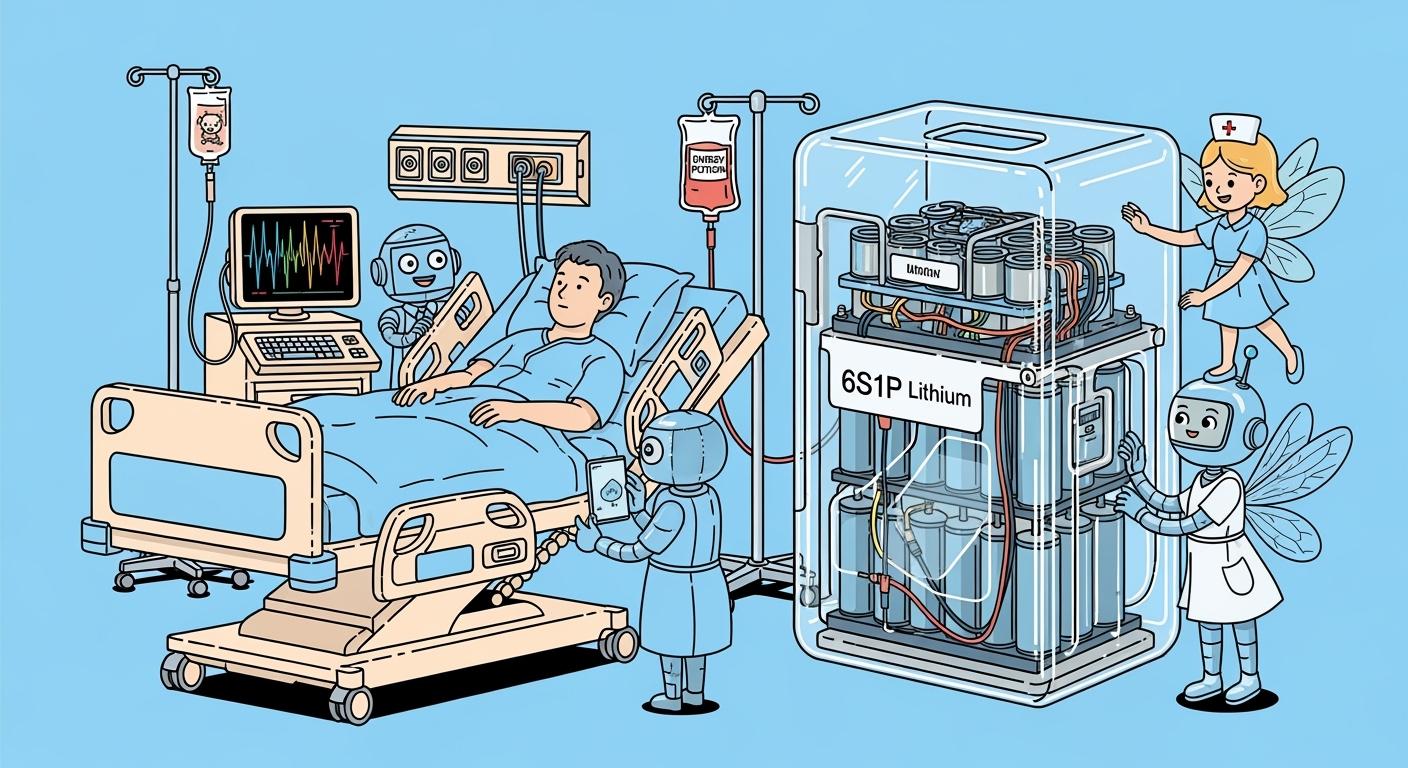
A 6S1P lithium battery pack uses six cells connected in series, with one cell in each series group. When built with standard lithium-ion cells, the pack typically provides a nominal voltage of 21.6V or 22.2V and reaches 25.2V when fully charged. A 3350mAh cell produces a 3350mAh pack capacity because the 1P configuration does not increase amp-hour capacity.
These lithium battery systems can provide backup and mobile power for adjustable electric hospital beds, supporting motorized positioning, control panels, sensors, and emergency adjustment during transport or a mains power interruption. Compared with older battery technologies, a properly engineered lithium-ion pack can reduce weight, improve usable runtime, and provide more consistent performance.
Reliable operation also depends on a suitable Battery Management System (BMS), charger compatibility, motor-start current capability, and system-level safety validation. These design considerations help maintain dependable performance in hospital beds and other powered medical devices.
Key Takeaways
The 6S1P lithium battery system provides reliable power for modern hospital beds, enhancing patient care and operational efficiency.
Upgrading to lithium batteries offers faster charging, longer life, and improved performance compared to older battery technologies.
Always check the Battery Management System (BMS) status before using hospital beds to ensure safety and optimal performance.
Part1: 6S1P Lithium Battery Systems in Smart Hospital Beds
1.1 Structure and Configuration
You encounter the 6S1P lithium battery system as a robust solution for modern hospital beds. This configuration uses six cells connected in series and one in parallel, delivering a platform voltage of 25.2V and a capacity of 3350mAh. The series arrangement increases the voltage, while the parallel connection boosts the current capacity. This structure ensures that hospital beds receive consistent power for extended periods. You benefit from a compact design that fits seamlessly into medical equipment, supporting both mobility and reliability. Lithium Battery Systems offer high energy density, which means you get more power in a smaller, lighter package compared to older battery technologies.
Tip: The 6S1P configuration balances voltage and capacity, making it ideal for devices that require stable and efficient power delivery.
1.2 Powering Bed Functions
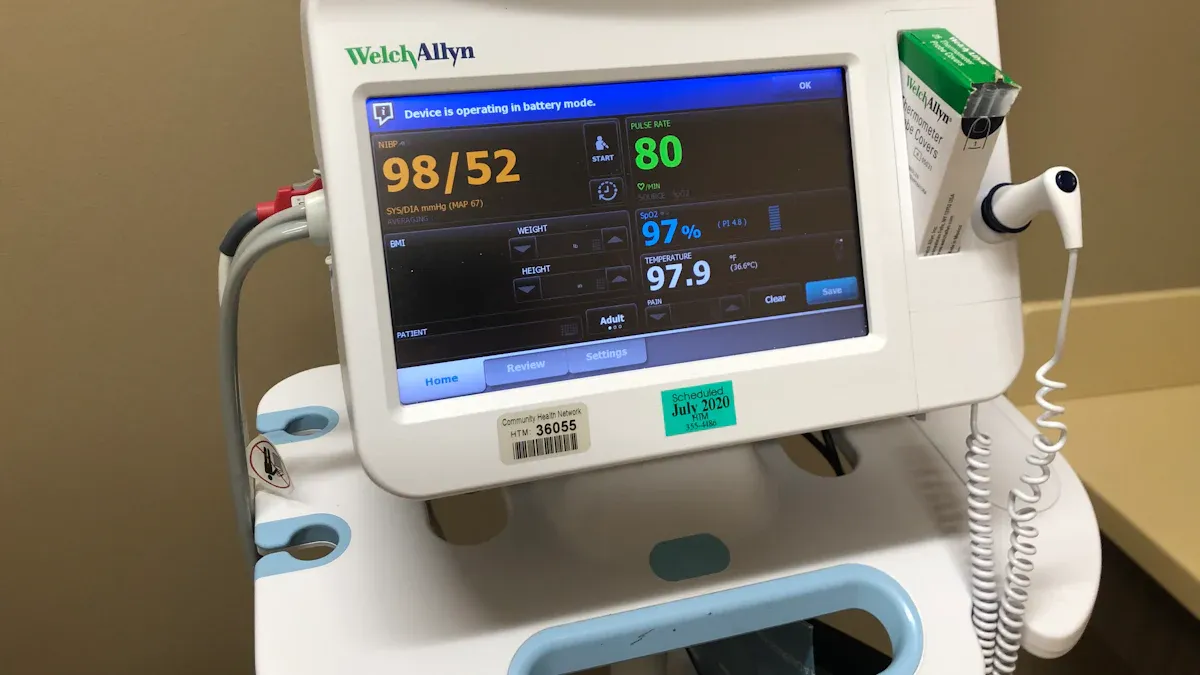
Lithium Battery Systems enable you to operate advanced hospital bed features with ease. You can adjust bed positions smoothly, monitor patient vitals, and move beds without worrying about frequent recharging. These batteries support integrated electronics, such as sensors and communication modules, which enhance patient care and streamline hospital workflows. You experience uninterrupted operation during power outages, ensuring patient safety and comfort. The high discharge rate of lithium batteries allows you to run motors and actuators efficiently, supporting functions like elevation, tilt, and emergency movement.
You gain flexibility in bed placement, as the battery system eliminates the need for constant connection to wall outlets.
You can rely on stable power for critical monitoring devices, reducing the risk of interruptions during patient care.
1.3 Key Advantages Over Older Batteries
You notice significant improvements when you switch from lead-acid or nickel-metal hydride (NiMH) batteries to Lithium Battery Systems. The table below highlights the differences in charging speed, power stability, charge retention, cycle life, and energy density:
Feature | 6S1P Lithium Battery Systems | Older Battery Technologies |
|---|---|---|
Charging Speed | Designed for efficiency | Generally slower charging speeds |
Power Stability | Delivers stable and consistent power | Often less stable under load |
Charge Retention | Loses only 1–3% charge per month | Higher self-discharge rates |
Cycle Life | 500–1000+ cycles with 80% capacity retention | Typically fewer cycles |
Energy Density | Higher energy-to-weight ratio | Lower energy density |
You benefit from faster charging, which reduces downtime and increases operational efficiency. Lithium Battery Systems deliver stable power, even under heavy loads, which is crucial for medical equipment. You experience longer battery life, with more cycles before replacement becomes necessary. The higher energy density means you can use lighter batteries, improving bed mobility and reducing strain on staff.
Note: Upgrading to lithium battery packs enhances reliability and performance in hospital beds, supporting advanced features and improving patient care.
Part2: Safety, Reliability, and Compliance
2.1 Battery Management Systems (BMS)
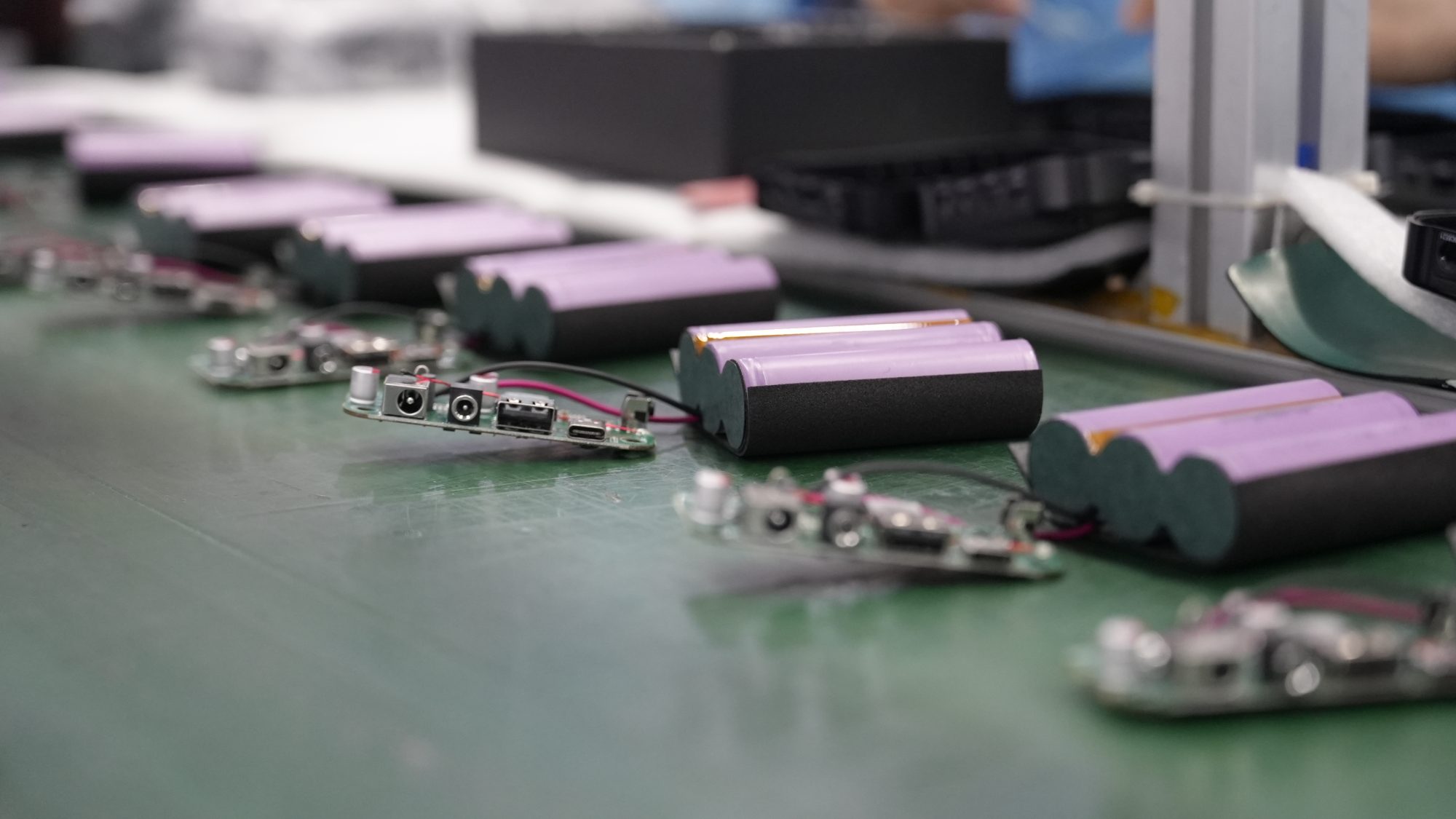
You depend on Battery Management Systems (BMS) to maintain the safety and performance of lithium battery packs in hospital beds. BMS technology monitors and controls every aspect of the battery’s operation. You gain protection from overcharging, over-discharging, and thermal runaway. The BMS tracks voltage, current, temperature, and charge level, ensuring safe operation at all times. You benefit from cell balancing, which maximizes energy output and extends battery lifespan. Real-time performance data displays help you make informed decisions. Sensors and alarms alert you to potential issues, such as overheating or overcharging. Communication interfaces allow the BMS to connect with other devices for diagnostics and monitoring. Emergency switches can disconnect the battery if needed.
Feature | Description |
|---|---|
Safety Mechanisms | Protects the battery from overcharging, over-discharging, and thermal runaway conditions. |
Monitoring Capabilities | Tracks parameters like voltage, current, temperature, and charge level to ensure safe operation. |
Performance Optimization | Includes cell balancing to maximize energy output and lifespan of the battery pack. |
Display | Shows real-time performance data such as temperature and charge level. |
Sensors | Monitors battery parameters and provides data for decision-making by the BMS. |
Alarm and Safety Features | Notifies users of potential issues like overheating or overcharging. |
Battery Balancer | Ensures balanced charging and discharging of cells to extend battery life. |
Communications Interface | Allows BMS to communicate with other devices for diagnostics and monitoring. |
Switches | Controls electricity flow and can disconnect the battery in emergencies. |
Tip: You should always check the BMS status before using hospital beds to ensure optimal safety and performance.
2.2 Preventing Thermal Runaway
You face risks like thermal runaway when using lithium battery packs in hospital beds. Overcharging generates excessive heat. Short-circuits occur when battery terminals contact directly, often due to physical damage. Poor quality electrodes, separators, or electrolytes can cause failures even under normal conditions.
Overcharging increases heat and can trigger thermal runaway.
Short-circuits result from physical damage and direct terminal contact.
Low-quality components raise the risk of battery failure.
You rely on safety design features to prevent these hazards. Built-in protection circuits guard against over-voltage, over-current, and short-circuit events. Thermal fuses protect the battery during high-load operations. Overcharge protection stops the battery from exceeding its capacity. Explosion-proof steel shells provide structural integrity and reduce rupture risk. High-temperature resistant diaphragms help prevent short circuits and thermal runaway.
Safety Feature | Description |
|---|---|
Built-in protection circuits | Includes over-voltage, over-current, and short-circuit protection to prevent fire hazards. |
Thermal fuses | Designed to prevent fire hazards during high-load operations. |
Overcharge protection | Prevents the battery from being charged beyond its capacity, reducing the risk of thermal runaway. |
Explosion-proof steel shell | Provides structural integrity and reduces the risk of battery rupture. |
High-temperature resistant diaphragm | Helps prevent short circuits and thermal runaway by withstanding high temperatures. |
Note: You should always use high-quality lithium battery packs and follow manufacturer guidelines to minimize risks.
2.3 Regulatory Standards
You must comply with strict regulatory standards when using lithium battery packs in hospital beds. Certification standards ensure batteries meet safety and performance requirements. IEC62133 protects against overcharge, over drainage, puncture, compression, and short circuit. IEC60601 and ISO 10535 provide additional protections for lift devices, containing battery damage. UN38.3 ensures batteries withstand rough handling and transportation conditions.
Certification Standard | Purpose |
|---|---|
IEC62133 | Ensures safety against overcharge, over drainage, puncture, compression, and short circuit |
IEC60601 and ISO 10535 | Includes additional protections for lift devices to contain battery damage |
UN38.3 | Ensures batteries can withstand rough handling and transportation conditions |
You need to verify that all lithium battery packs in hospital beds meet these standards. Compliance protects patients and staff, and ensures reliable operation.
Alert: You should always request certification documentation from your battery supplier.
2.4 Real-World Applications
You see lithium battery packs powering smart hospital beds in many healthcare settings. These batteries support adjustable positions, patient monitoring, and mobility. You operate beds within recommended environmental conditions. Lithium-ion batteries work best between 0°C (32°F) and 45°C (113°F). Insulated or weatherproof enclosures help mitigate temperature fluctuations. You avoid direct sunlight and moisture. Integrated heating or cooling elements protect batteries in extreme climates. For long-term storage, you keep batteries partially charged at around 50%.
You follow best charging practices to extend battery life. The “40-80 rule” recommends charging batteries between 40% and 80% capacity. This practice reduces stress on the battery and increases cycle life.
Operate batteries within safe temperature ranges.
Use insulated enclosures to protect from environmental hazards.
Store batteries at partial charge for long-term reliability.
Apply the “40-80 rule” for optimal charging.
Tip: You improve patient care and operational efficiency by following these guidelines for lithium battery packs in hospital beds.
You gain clear advantages by choosing 6S1P lithium battery systems for smart hospital beds.
Benefit Type | Description |
|---|---|
Safety | You meet strict medical safety standards, reducing risks in critical care environments. |
Reliability | Smart management systems protect against overheating, overcharging, and short circuits. |
Advanced Functionality | Consistent power output keeps patient monitoring and bed adjustments running smoothly. |
Compliance with medical device standards, such as NFPA 99 and NFPA 70, helps you prevent battery-related incidents and maintain a safe healthcare environment.
Emerging trends include:
Advancements in battery chemistry for longer life and higher energy density
Wireless charging for greater convenience
Miniaturization for more portable medical devices
You should consider upgrading to advanced lithium battery systems to improve patient care and operational efficiency.
FAQ
What makes 6S1P lithium battery packs ideal for hospital beds?
A 6S1P pack uses six cells connected in series and one cell in each series group. With standard lithium-ion cells, it typically provides a nominal voltage of 21.6V or 22.2V and reaches 25.2V when fully charged.
This configuration can provide a compact power source for motorized positioning, control panels, sensors, and emergency adjustment functions in electric hospital beds. Its suitability depends on the bed’s voltage, motor-start current, runtime, available installation space, and charging requirements.
Chemistry | Platform Voltage | Energy Density (Wh/kg) | Cycle Life (cycles) |
|---|---|---|---|
Lithium-ion | 25.2V | 150–250 | 500–1000+ |
Lead-acid | 12V | 30–50 | 200–300 |
NiMH | 7.2V | 60–120 | 300–500 |
How does Large Power support custom lithium battery solutions?
Large Power develops custom battery solutions for hospital beds and other powered medical devices. Engineering support can include cell selection, voltage and capacity matching, motor-load analysis, BMS/PCM development, enclosure design, connector configuration, charger compatibility, prototyping, testing, and compliance planning.
What safety features should you look for in lithium battery packs?
A hospital-bed battery pack should include a properly engineered Battery Management System (BMS) with protection against overcharge, over-discharge, overcurrent, short circuits, and abnormal temperatures. Depending on the design, additional safeguards may include temperature sensors, fuses, flame-retardant materials, reinforced insulation, secure connectors, and a mechanically robust enclosure.
The complete hospital-bed system should also be evaluated for motor-start loads, charger compatibility, foreseeable misuse, and applicable medical electrical equipment requirements. An explosion-proof enclosure is not a standard requirement for every hospital-bed battery and should only be specified when the risk assessment and operating environment require it.


