

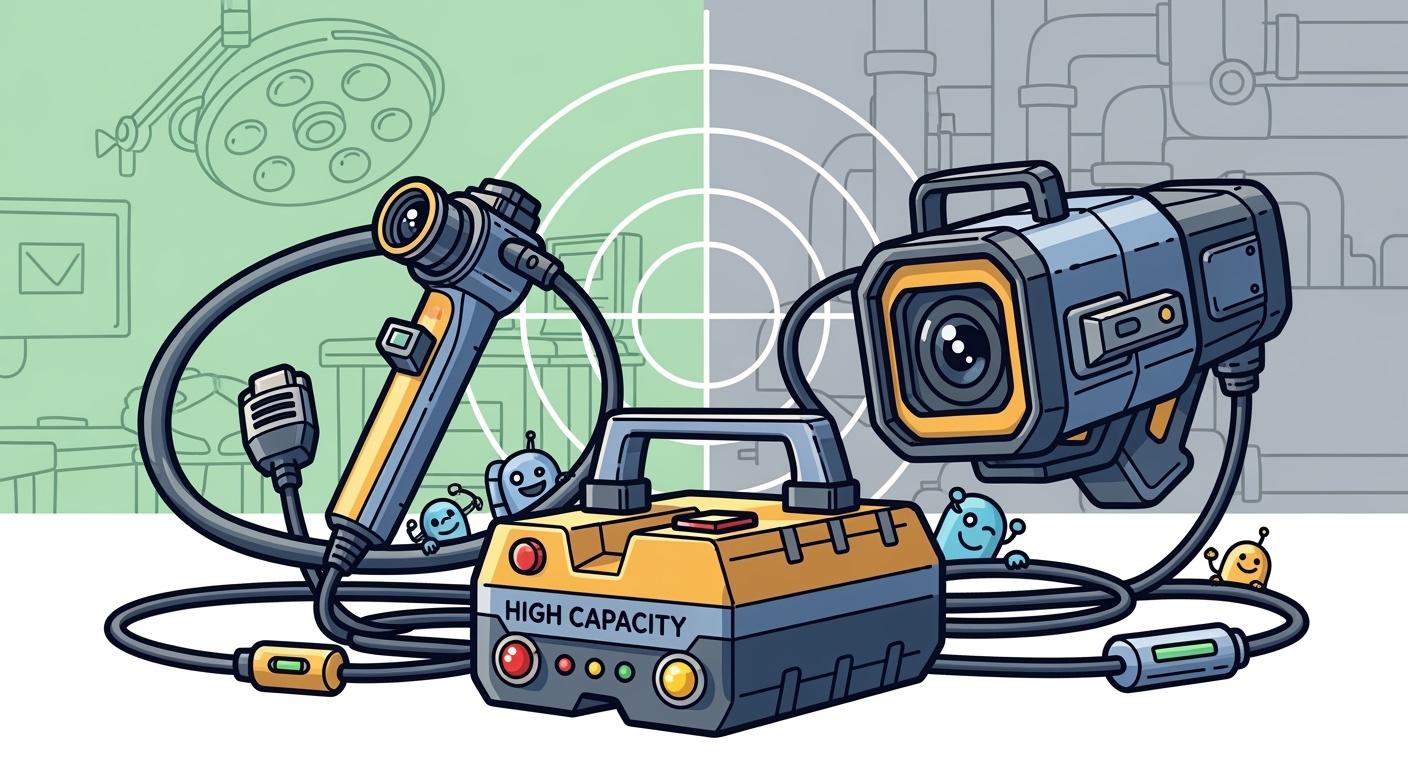
Portable endoscopes and industrial inspection cameras require stable, lightweight power to capture clear images, operate illumination modules, and transmit diagnostic data in demanding environments. A properly designed custom lithium battery system combines suitable cell chemistry, sufficient energy, low-noise voltage regulation, and an integrated Battery Management System (BMS) to support reliable visual inspection.
Typical lithium-ion chemistries provide different balances of energy density, cycle life, discharge capability, and thermal stability:
Battery Chemistry | Typical Energy Density | Primary Design Advantage |
|---|---|---|
Lithium Manganese Oxide (LMO) | 90–150 Wh/kg | Good power capability and thermal stability |
Lithium Cobalt Oxide (LCO) | 150–200 Wh/kg | High energy density for compact equipment |
Nickel Manganese Cobalt (NMC) | 150–220 Wh/kg | Balanced energy density, power, and cycle life |
Lithium Iron Phosphate (LiFePO4) | 90–160 Wh/kg | Long cycle life and strong thermal stability |
Battery capacity options such as 2,600 mAh, 3,000 mAh, or 4,500 mAh may suit different devices, but capacity alone does not determine runtime. Engineers must also evaluate nominal voltage, watt-hours, camera power consumption, illumination intensity, wireless transmission, operating temperature, and required inspection duration.
For portable medical devices, battery designs should prioritize patient safety, dependable runtime, low electrical noise, and applicable medical-device requirements. For industrial inspection systems, packs may also require rugged enclosures, vibration resistance, wide-temperature operation, and protection against dust or moisture. USB-C charging can improve convenience, but its charging profile, power negotiation, thermal behavior, and connector durability must be validated as part of the complete battery system.
Key Takeaways
Choose lithium-ion batteries for high energy density and lightweight design. These features ensure longer operation times for portable cameras.
Select battery capacities that match your device’s power needs. Higher capacities like 3000mAh or 4500mAh provide extended runtime for critical inspections.
Prioritize safety with battery management systems. These systems monitor battery health and prevent hazards, ensuring reliable performance during use.
Consider environmental factors when using batteries. Store and operate them in controlled conditions to maintain performance and safety.
Follow best practices for charging and maintenance. Regular checks and proper storage can extend battery life and prevent unexpected failures.
Part1: Power Needs for Portable Cameras
1.1 Power Consumption
You need to understand how much energy your portable camera uses during operation. Devices with high-intensity LED illumination or advanced articulation features often draw more power. For example, endoscopy cameras used in medical diagnostics or industrial borescopes for infrastructure inspections require steady energy to support clear imaging and internal recording. Battery capacities such as 2600mAh, 3000mAh, and 4500mAh are common. Higher capacities allow you to use advanced features longer without interruption. When you select a camera for robotics or security system inspections, consider how extra sensors or wireless transmission can increase power needs.
1.2 Runtime Expectations
You want your camera to last through a full inspection or diagnostic session. Battery Systems with 3000mAh or 4500mAh lithium-ion cells can provide several hours of continuous use, which is essential for fieldwork in sectors like transportation or industrial maintenance. If you work in environments with limited access to power, such as underground plumbing or remote infrastructure, longer runtime reduces downtime and increases productivity. Always match the battery capacity to your expected session length and the device’s energy demands.
1.3 Portability Factors
Portability matters when you move between job sites or need to access tight spaces. Lightweight lithium-ion Battery Systems keep your equipment easy to carry. Charging flexibility also supports field operations. Common charging methods include:
Wall adapter: Useful when you have access to outlets.
Power bank: Ideal for remote locations without power.
Laptop or desktop computer: Provides slower charging when other options are unavailable.
Car charger: Enables charging while traveling between sites.
You can use these methods to keep your devices ready, whether you inspect HVAC systems, perform automotive diagnostics, or conduct security checks. Features like flexible articulation and internal recording further enhance usability in complex environments.
Tip: Choose a battery system that balances capacity, weight, and charging convenience to maximize efficiency in professional applications.
Part2: Battery Systems Types and Comparison
2.1 Lithium-Ion Battery Systems
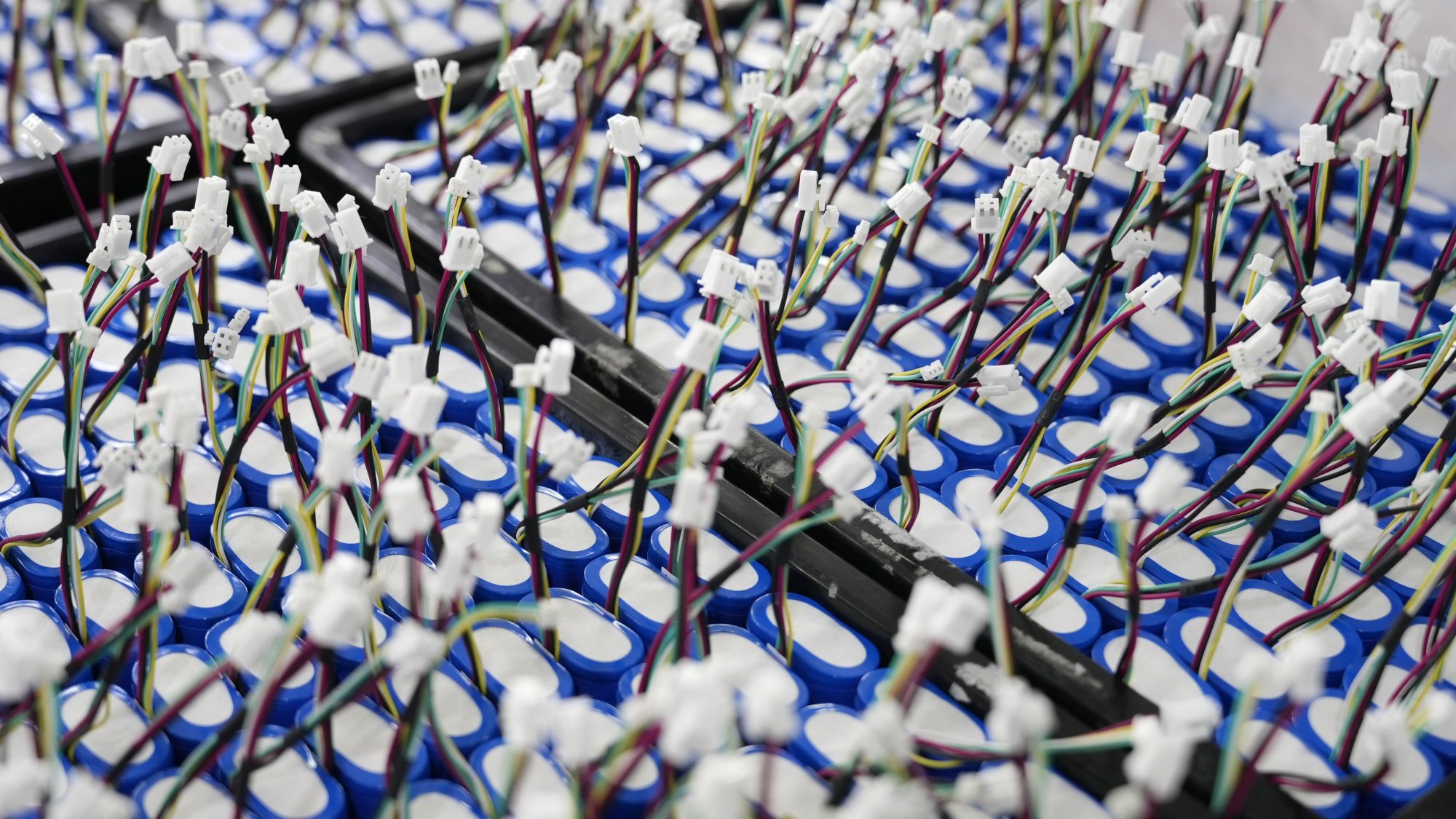
You will find lithium-ion battery systems as the leading technology for portable endoscopy and industrial inspection cameras. These batteries offer high energy density, which means your devices can run longer between charges. Their lightweight design makes your equipment easier to carry, especially when you move between job sites. You also benefit from a long cycle life, so your devices can handle many charge and discharge cycles without losing performance. Recent advancements in lithium-ion technology focus on new materials and electrode chemistries. These improvements boost energy density, reduce charging times, and add safety features. As a result, you get more reliable and efficient battery systems for your visual diagnostic tools.
Here is a comparison of common lithium battery chemistries used in professional applications:
Chemistry Name | Platform Voltage (V) | Energy Density (Wh/kg) | Cycle Life (cycles) |
|---|---|---|---|
Lithium Cobalt Oxide (LCO) | 3.7 | 150-200 | 500-1,000 |
Lithium Nickel Manganese Cobalt Oxide (NMC) | 3.7 | 150-240 | 1,000-2,000 |
Lithium Iron Phosphate (LiFePO4) | 3.2 | 90-160 | 2,000-5,000 |
Lithium Manganate (LMO) | 3.7 | 90-120 | 300-700 |
Solid-State Lithium | 3.7-4.2 | 250-400 | 2,000+ |
Lithium Metal | 3.7-4.2 | 350-500 | 500-1,000 |
Note: You should select the chemistry that matches your device’s needs for runtime, weight, and cycle life. NMC and LiFePO4 are popular choices for industrial and medical cameras due to their balance of safety, longevity, and performance.
2.2 Nickel-Metal Hydride Options
Nickel-metal hydride (NiMH) batteries serve as an alternative to lithium-ion systems. You may consider NiMH if you need a lower-cost solution or if your application does not require the highest energy density. However, NiMH batteries have a lower energy density and power density. They also self-discharge faster and have a shorter cycle life. Charging takes longer, but NiMH batteries are less sensitive to temperature changes. They also use a water-based electrolyte, which reduces the risk of overheating or fire.
Feature | Nickel-Metal Hydride (NiMH) | Lithium-Ion (Li-ion) |
|---|---|---|
Energy Density | Lower | Higher |
Power Density | Lower | Higher |
Self-Discharge Rate | Higher | Lower |
Cycle Life | Shorter | Longer |
Charging Capabilities | Slower | Faster |
Temperature Sensitivity | Less sensitive | More sensitive |
Cost | Generally cheaper | Generally more expensive |
Tip: NiMH batteries do not ignite when exposed to oxygen, making them safer in some environments. However, you may sacrifice runtime and device portability.
2.3 Custom Battery Packs
Custom battery packs give you the flexibility to tailor power solutions for specialized portable cameras. You can optimize for high energy density, light weight, or long cycle life. Custom packs also allow you to design for unique form factors or power requirements. However, you must consider strict charging requirements and temperature sensitivity. Custom packs often cost more upfront and may present challenges in repair or recycling.
Advantages | Disadvantages |
|---|---|
High Energy Density | Higher Upfront Cost |
Light Weight | Strict Charging Requirements |
Long Cycle Life | Temperature Sensitivity |
High Efficiency | Safety Risks When Misused |
Fast Charging | Capacity Degradation |
Low Self-Discharge | Repair Difficulty |
Flexible Designs | Recycling Challenges |
Strong Power Output | Compatibility Issues |
Alert: Always ensure your custom battery packs meet safety and compliance standards for your industry.
2.4 Pros and Cons
When you compare battery systems for portable cameras, you must weigh several factors:
Energy Density and Weight: Lithium-ion batteries provide the highest energy density and lowest weight, making them ideal for portable use. NiMH batteries are heavier and store less energy.
Rechargeability and Cycle Life: Lithium-ion systems last longer and recharge faster. NiMH batteries have a shorter lifespan and slower charging.
Safety: You must secure battery holders to withstand shocks and temperature changes. Lithium-ion batteries need special enclosures and protection circuits to prevent thermal runaway. Adequate ventilation is essential to dissipate heat. NiMH batteries use water-based electrolytes, so they pose less risk of fire or explosion.
Cost and Maintenance: NiMH batteries cost less but require more frequent replacement. Lithium-ion and custom packs cost more but offer better performance and longer service intervals.
Tip: Choose battery systems that balance performance, safety, and cost for your specific application. Always follow manufacturer guidelines for installation and maintenance.
You can maximize uptime and safety by selecting the right battery system for your portable endoscopy or industrial inspection cameras. This approach ensures your devices deliver reliable results in demanding environments.
Part3: Stable Power and Safety
3.1 Voltage Regulation
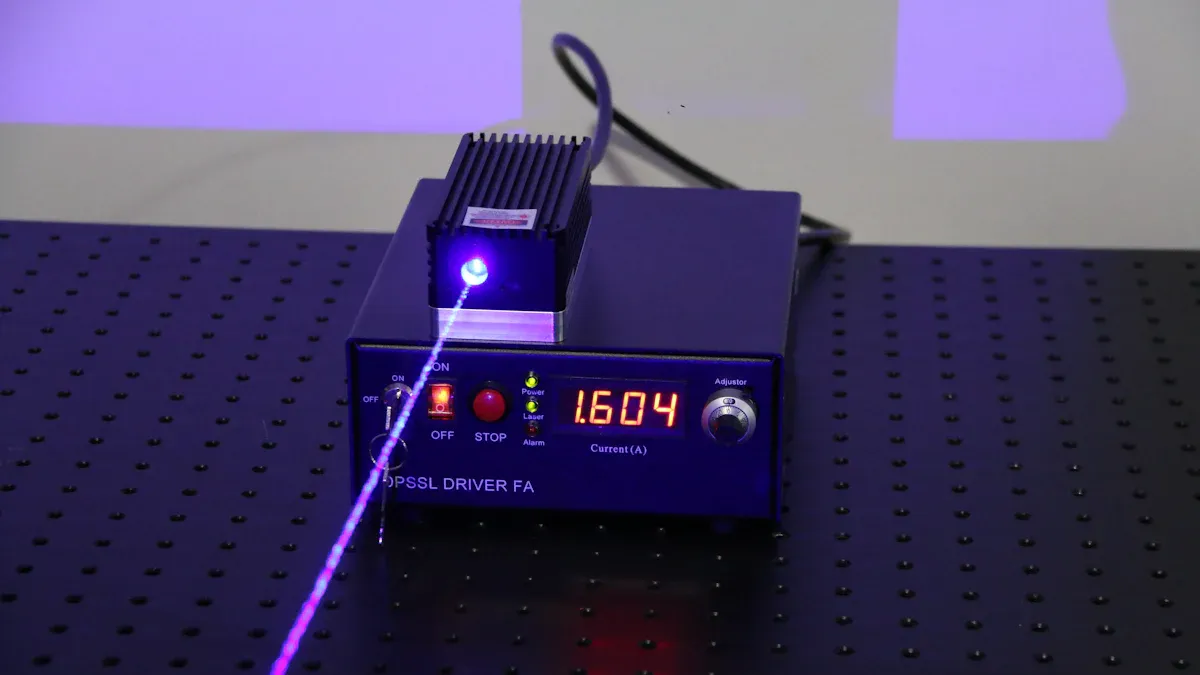
You need stable voltage to protect sensitive electronics in portable endoscopy and industrial inspection cameras. Voltage regulation ensures your device receives consistent power, even as the battery discharges. Without proper regulation, voltage drops can cause image distortion, device resets, or even data loss. Most advanced Battery Systems use integrated circuits to maintain steady voltage output. This technology helps you avoid interruptions during critical inspections and supports the high performance required in professional environments.
3.2 Battery Management Systems
You rely on battery management systems (BMS) to keep lithium battery packs safe and efficient. A BMS monitors and controls each cell, balancing charge and discharge cycles. This process extends battery life and prevents failures. The table below highlights the main functions of a BMS:
Function | Description |
|---|---|
Functional Safety | Prevents hazards, especially in large lithium-ion battery packs, ensuring user safety and preventing incidents like fires. |
Life Span and Reliability | Protects battery cells from aggressive usage and ensures they operate within safe limits, leading to a longer and more reliable service life. |
Performance and Range | Manages battery capacity through cell balancing, optimizing performance and preventing premature failure due to imbalances in charge and discharge cycles. |
Diagnostics and Data Collection | Continuously monitors battery cells, providing data for diagnostics and external communication, which helps in estimating state of charge and overall health of the battery pack. |
Cost and Warranty Reduction | While introducing costs, a BMS ultimately reduces overall expenses related to safety, performance, and warranty claims by ensuring proper management and maintenance of the battery system. |
3.3 Safety Features
You must prioritize safety when selecting Battery Systems for visual diagnostic devices. Manufacturers use several strategies to ensure reliability:
Rigorous testing and safety evaluations confirm battery reliability in medical devices.
Comprehensive risk assessments identify possible failure modes and their severity.
Evaluation of the interaction between the device and its battery ensures both performance and safety.
Custom testing and modeling help meet regulatory standards, including FDA and EU requirements.
These features protect your equipment and your team during demanding inspections.
3.4 Backup Options
You can prevent downtime by choosing the right backup power solutions for your portable cameras. The table below outlines common backup options:
Backup Power Option | Description |
|---|---|
Standby Generators | Provide instant, automatic power during outages, suitable for continuous operation. |
Battery Backups (UPS) | Offer short-term power to protect sensitive electronics from sudden shutdowns or surges. |
Portable Generators | Flexible and movable, ideal for smaller power needs but require manual setup and refueling. |
Solar Power Systems | Use renewable energy to charge batteries, providing a green alternative but needing significant initial investment. |
You can select the best backup option based on your operational needs and the critical nature of your inspections.
Part4: Choosing and Maintaining Battery Systems
4.1 Device Compatibility
You must ensure your battery packs match your portable camera’s requirements.
Check the device manual or battery compartment for compatibility.
Match the battery type to your device to avoid damage.
Remember that older cameras may use different batteries than newer models.
Selecting the right battery prevents operational issues and extends device life.
4.2 Environmental Factors
Temperature and humidity affect battery performance and safety.
Environmental Factor | Effect on Battery Systems |
|---|---|
High Temperature | Accelerates degradation, increases risk of thermal runaway, and can lead to electrolyte decomposition. |
High Humidity | Causes moisture penetration, affects electrochemical performance, increases internal resistance, and can lead to corrosion. |
You should operate and store batteries in controlled environments to maintain reliability.
4.3 Maintenance and Replacement
You need to monitor battery health regularly.
Lithium-ion batteries last two to three years or 300 to 500 charge cycles.
Replace batteries when capacity drops below recommended levels.
Track battery performance and replace units showing swelling, overheating, or rapid discharge.
Inspect batteries often to prevent unexpected failures.
4.4 Compliance and Certification
You must follow industry standards for safety and reliability.
Standard | Description | Application |
|---|---|---|
IEC 62133 | Safety requirements for portable sealed secondary cells and batteries | Rechargeable batteries in portable applications |
IEC 60086-4 | Safety of lithium batteries | Non-rechargeable batteries |
UL 2054 | Safety for household and commercial batteries | Both rechargeable and non-rechargeable batteries |
UL 1642 | Safety for lithium batteries |
Regulations for transport include UN/DOT 38.3, IATA Dangerous Goods Regulations, and US DOT Hazardous Materials Regulations.
4.5 Charging and Storage Best Practices
You maximize battery life and safety by following these practices:
Keep batteries at moderate temperatures (15°C to 25°C).
Avoid overcharging and deep discharging.
Use slower charging rates to reduce heat and stress.
Avoid keeping batteries at 100% charge for long periods.
Use compatible chargers to prevent overheating.
Keep discharge temperature within recommended range.
If you store lithium-ion batteries for a long time, keep them at about 50% charge in a cool, dry place. Storing fully charged or fully discharged batteries can cause capacity degradation.
Thermal runaway is a serious safety risk. Overcharging, external heating, internal short circuits, mechanical damage, and high-rate charging on degraded cells can trigger thermal runaway.
You protect your equipment and maintain stable operation by following these guidelines for Battery Systems.
You rely on advanced lithium-ion Battery Systems to deliver stable, reliable power for portable endoscopy and industrial inspection cameras. Matching your battery system to device needs and operational scenarios ensures safety and compliance. Consider these key factors:
Factor | Description |
|---|---|
Safety Margin | Built-in protection for different applications |
Separator Design | Controls shutdown temperature |
Casing Design | Prevents rupture and mechanical failure |
Tradeoffs | Balances performance, safety, and cost |
To optimize performance and safety, you should:
Choose suppliers with strong support and quality products.
Use precise charge control and advanced diagnostics.
Evaluate total cost of ownership and environmental impact.
These steps help you maximize uptime and extend device life in demanding B2B environments.
FAQ
What makes lithium-ion battery systems suitable for portable inspection cameras?
Lithium-ion batteries provide high energy density, relatively low weight, and stable power in compact enclosures. These characteristics can extend inspection time and support camera illumination, image processing, displays, and wireless data transmission. Fast charging may also reduce downtime when the cells, charger, connector, and thermal design are engineered for the required charging rate.
How do you extend battery life in industrial inspection cameras?
Avoid unnecessary deep discharge, prolonged exposure to high temperatures, and storage at a full or empty state of charge. Use a charger designed for the battery chemistry and pack configuration, keep connectors clean, and monitor declining runtime or abnormal temperature. For extended storage, follow the battery manufacturer’s recommended temperature and state-of-charge range rather than applying one fixed percentage to every pack.
Which lithium battery chemistry is best for portable medical endoscopy devices?
NMC is often suitable when a compact, lightweight design and high energy density are priorities. LiFePO4 batteries may be selected when long cycle life and thermal stability are more important than minimum size and weight. The final chemistry should be chosen according to runtime, peak current, available space, charging method, operating temperature, and the safety requirements of the complete medical device.
What safety features should a lithium battery pack include?
A professional battery pack should include an appropriate Battery Management System (BMS), overcharge and over-discharge protection, overcurrent and short-circuit protection, temperature monitoring, cell balancing, and a mechanically secure enclosure. Depending on the product classification and target market, standards such as IEC 62133-2, UL 2054, and UN 38.3 may be relevant. Compliance must be confirmed for the complete battery and device rather than assumed from the cells alone.
Can one battery system be used in different inspection camera models?
Only when the models have compatible voltage, power, dimensions, polarity, connector, charging profile, and communication requirements. Matching capacity alone is not sufficient. An incompatible pack can cause unreliable runtime, charging faults, equipment damage, or unsafe operation. A [custom


