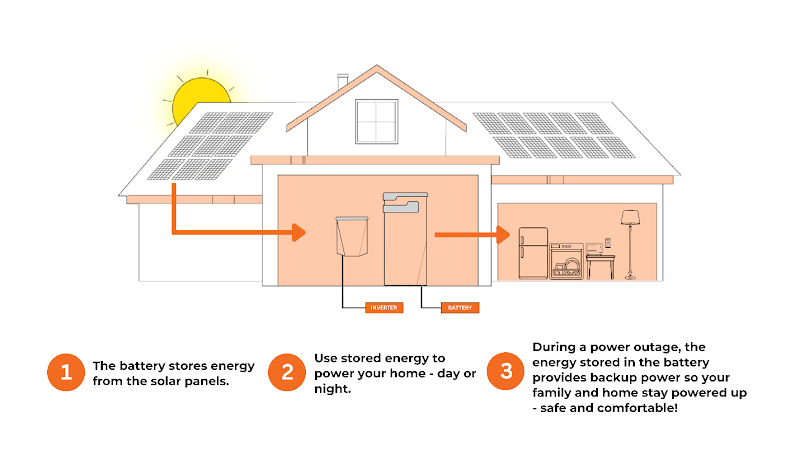
Partial Home Battery Backup vs. Whole-Home Battery Backup: What’s the Difference?
Home battery backup has improved significantly in recent years. Costs have come down, technology has proven itself and product software […]


Home battery backup has improved significantly in recent years. Costs have come down, technology has proven itself and product software […]
The global vaping market generates an estimated 150 million discarded lithium-ion cells annually. Each one contains cobalt, manganese, and lithium
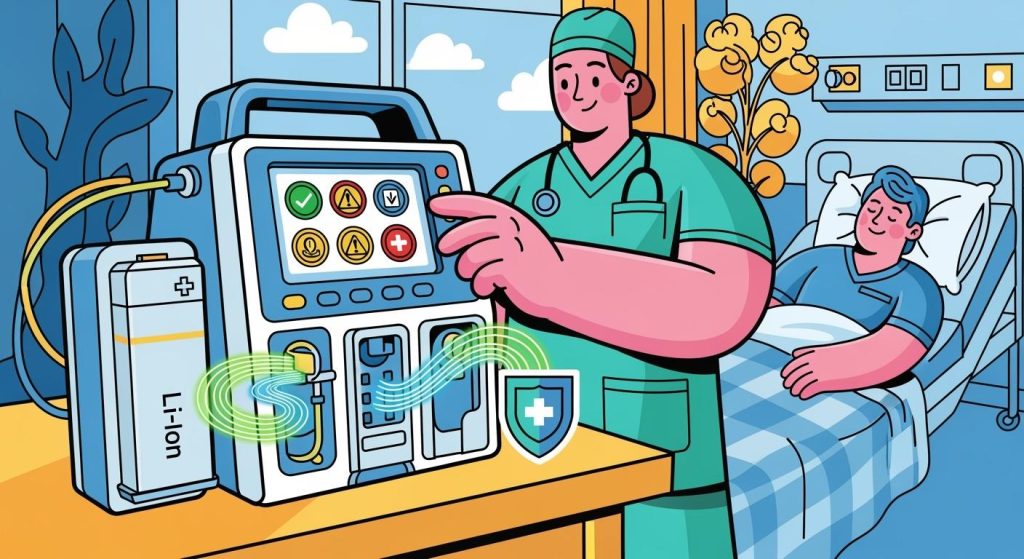
Medical Infusion Pumps now use high-safety lithium batteries for longer life, stable power, and enhanced patient safety in critical healthcare environments.
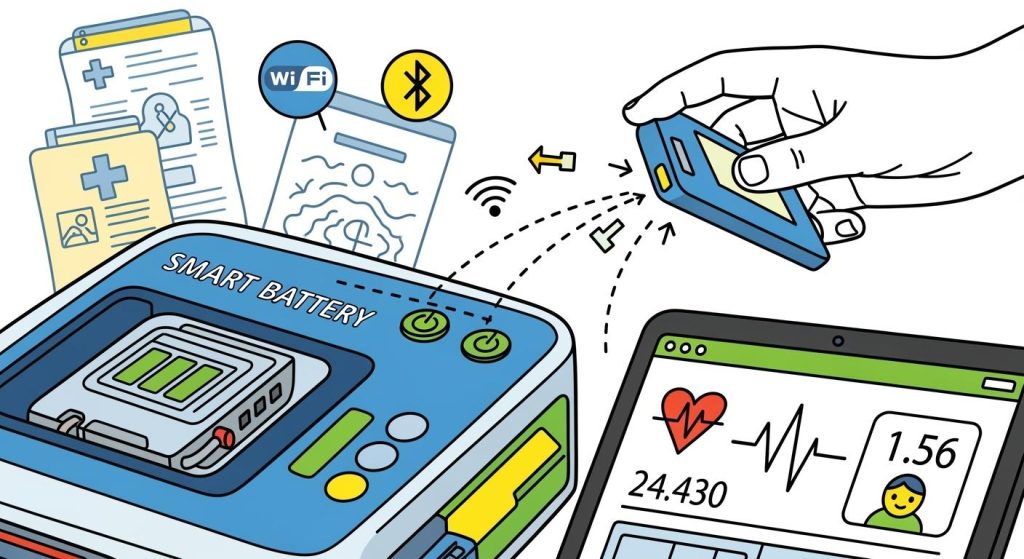
Smart batteries and data communication boost medical equipment safety, real-time monitoring, and reliability, ensuring optimal patient care and device uptime.
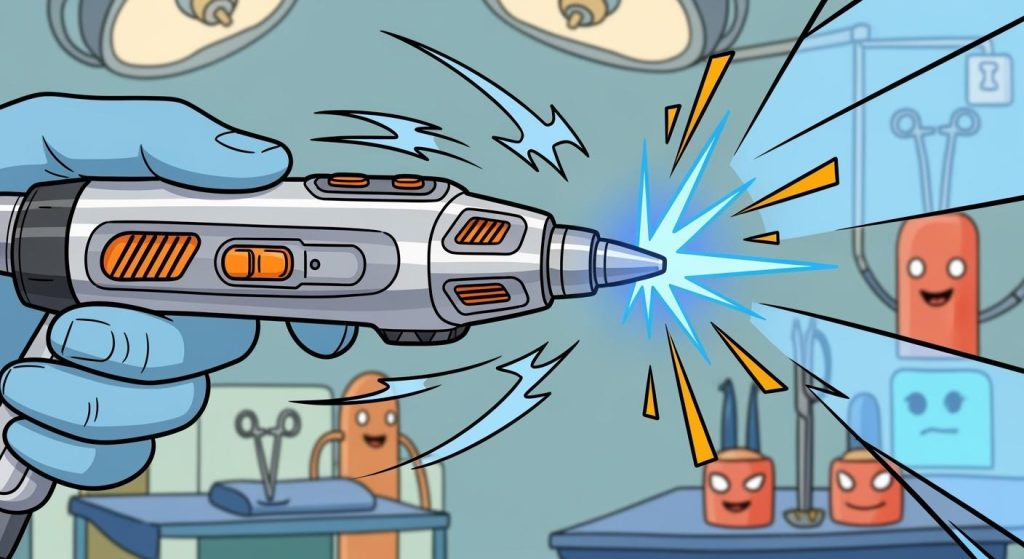
Peak power in surgical tools combines advanced batteries, motors, and controls for precise, safe, and reliable cutting and coagulation in surgery.
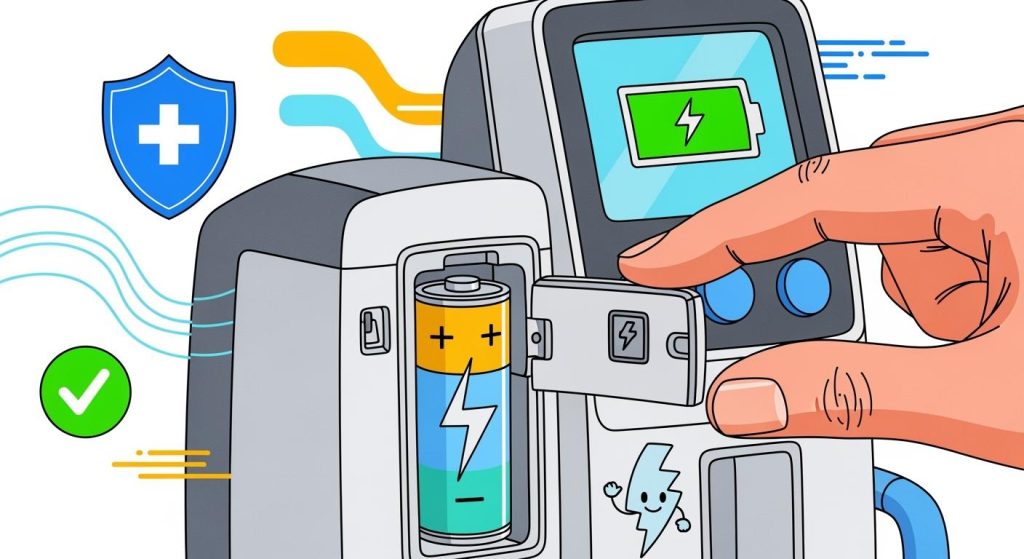
Battery Safety Standards reduce risks in medical devices, ensuring patient safety, reliability, and compliance with strict regulations and testing.
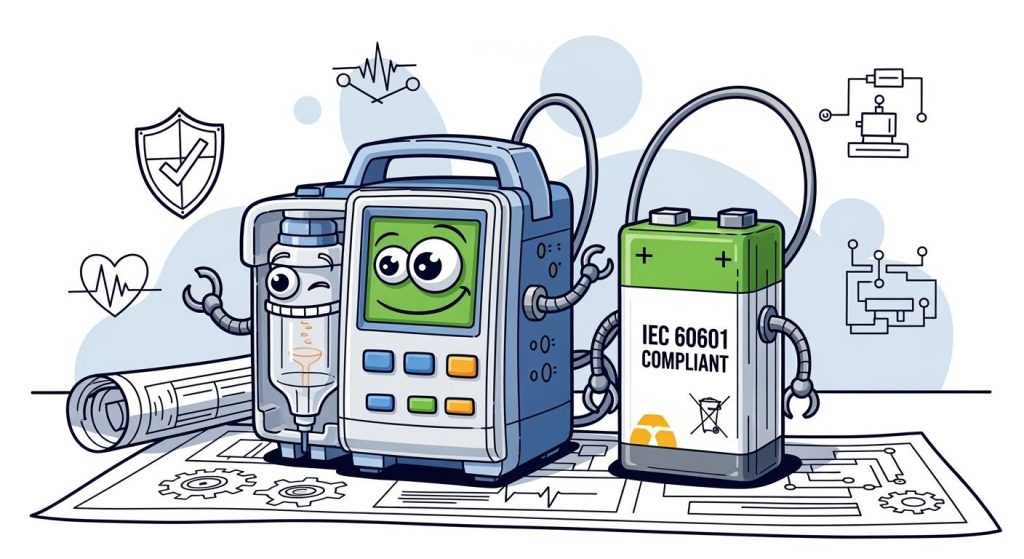
Ensure infusion pump lithium batteries meet IEC 60601 standards with design tips for safety, compliance, and reliable performance in medical devices.
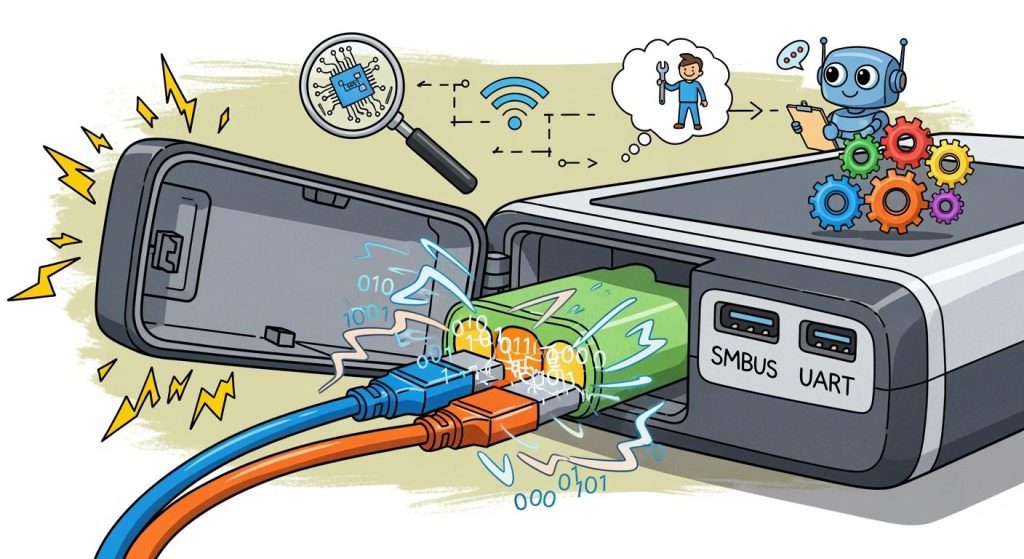
Battery Communication Interfaces like SMBus and UART enable real-time monitoring, diagnostics, and reliable operation in smart inspection devices.
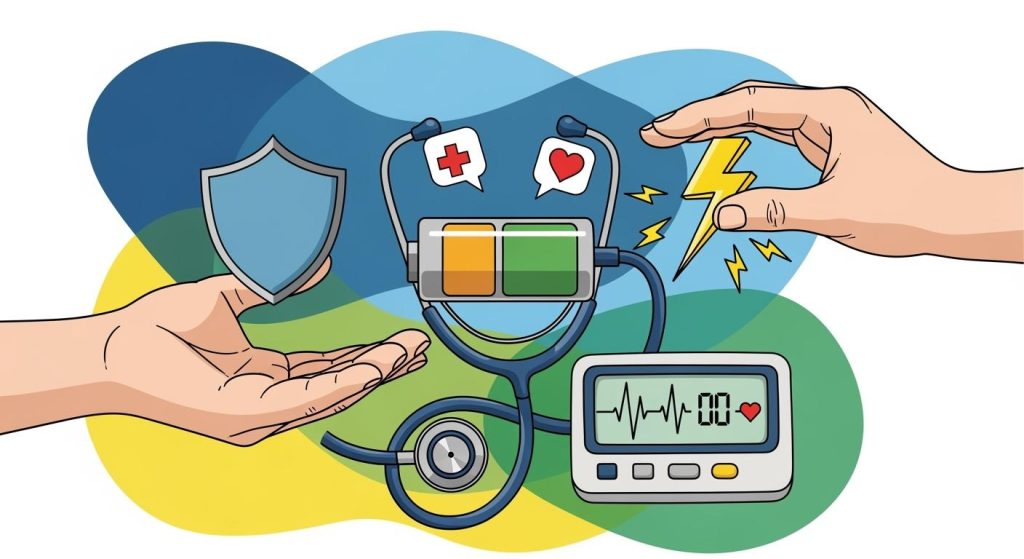
Medical battery design balances energy density and safety, optimizing device size, reliability, and patient protection for healthcare applications.
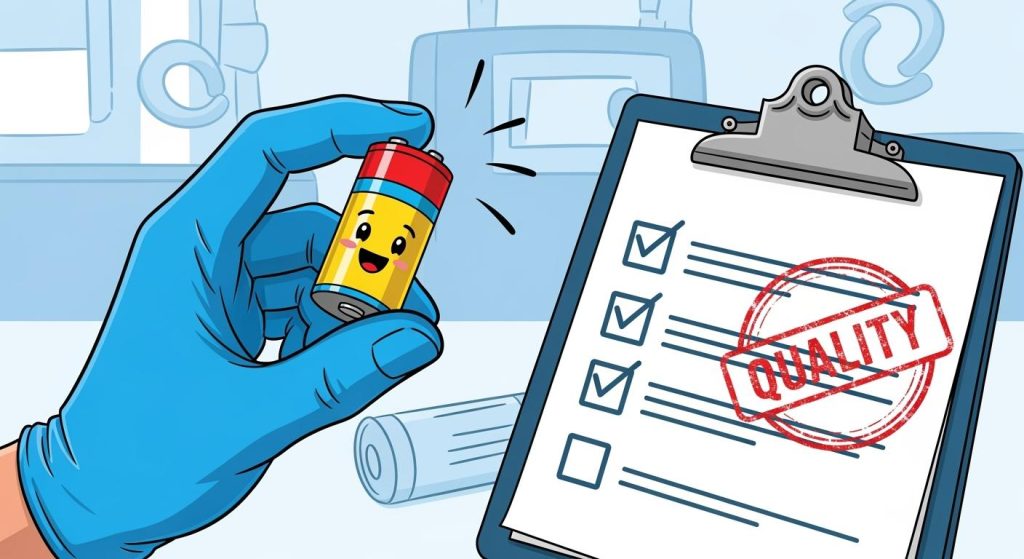
ISO 13485 ensures medical battery manufacturing meets strict quality, safety, and compliance standards, reducing recalls and boosting market access.

Long-lasting batteries like LiFePO4 extend grid patrol robots’ working hours, reduce downtime, and lower maintenance costs for efficient field operations.
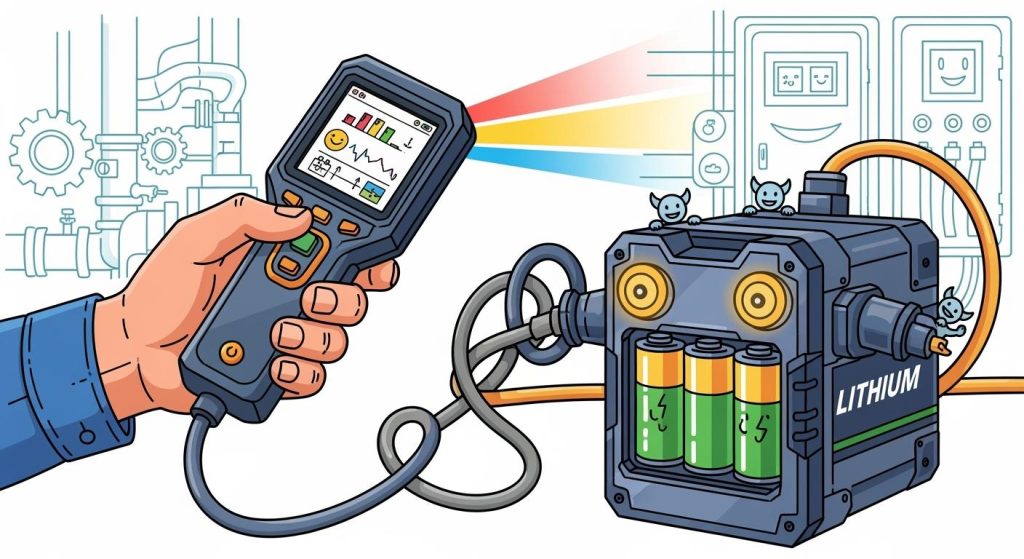
Power inspection devices achieve longer runtime, reliability, and safety with high-performance lithium battery solutions for demanding environments.


