
Why Impact Testing Is Key to Safer Lithium Batteries
Impact and collision testing on lithium batteries identifies vulnerabilities, prevents thermal runaway, and ensures safety in crash scenarios for EVs and other uses.


Impact and collision testing on lithium batteries identifies vulnerabilities, prevents thermal runaway, and ensures safety in crash scenarios for EVs and other uses.

Lithium battery kits offer high energy density, safety, and versatility. Learn about types, features, and how to choose the best kit for your needs.

Low-temperature charging of lithium batteries can cause lithium plating, reduced capacity, and safety risks. Pre-warming and specialized chargers are essential.

Discover how LiPo battery in low temperature faces challenges like capacity loss and safety risks, and explore innovations enhancing performance in extreme cold.

The optimal LiFePO4 charge voltage is 3.2V-3.65V per cell. Staying within this range ensures safety, extends battery life, and enhances performance.
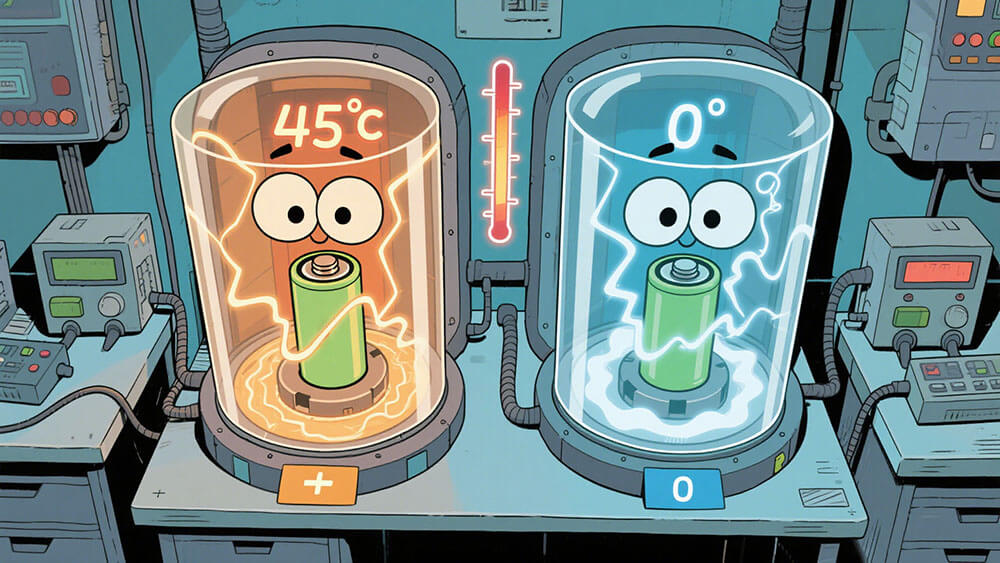
Understand how 45℃ impacts lithium battery performance, efficiency, and safety. Compare with other temperatures to optimize applications and ensure reliability.
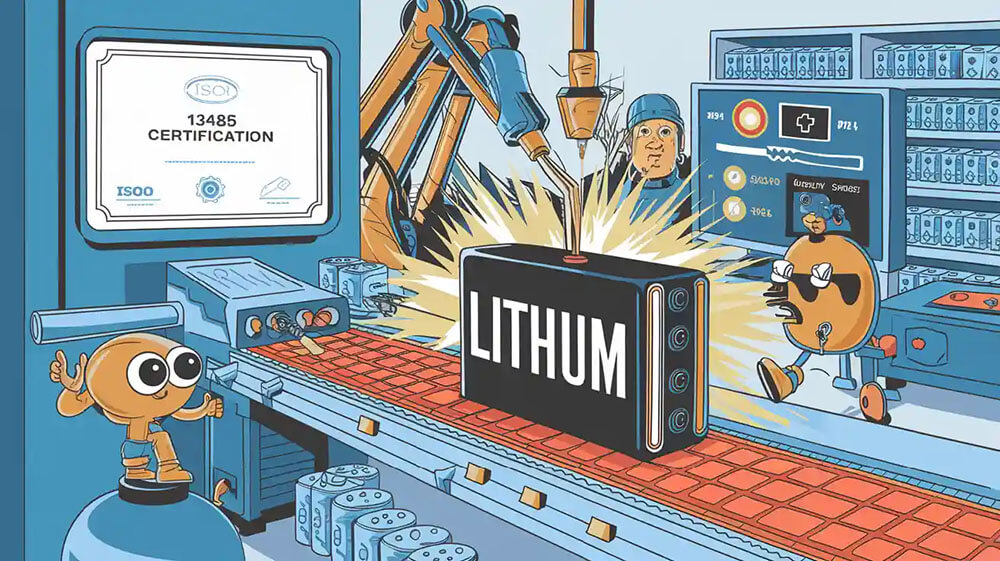
ISO 13485 ensures lithium battery manufacturers meet strict safety and quality standards for medical devices, enhancing reliability and regulatory compliance.

Half-cell test about lithium battery isolates electrode behavior to analyze performance, enabling precise optimization for better capacity, efficiency, and durability.

Internal short circuits in lithium batteries arise from material impurities, manufacturing defects, and environmental stress, posing safety and performance risks.
Voltage and lithium battery performance are closely linked, affecting energy density, safety, and lifespan. Learn how proper voltage management optimizes results.
UL 991 ensures lithium battery safety by testing fault tolerance in electronic controls, reducing risks like fire and enhancing reliability in battery systems.

Perform a vibration test of lithium batteries to ensure safety, durability, and compliance with standards like UN 38.3. Learn key steps and testing methods.


