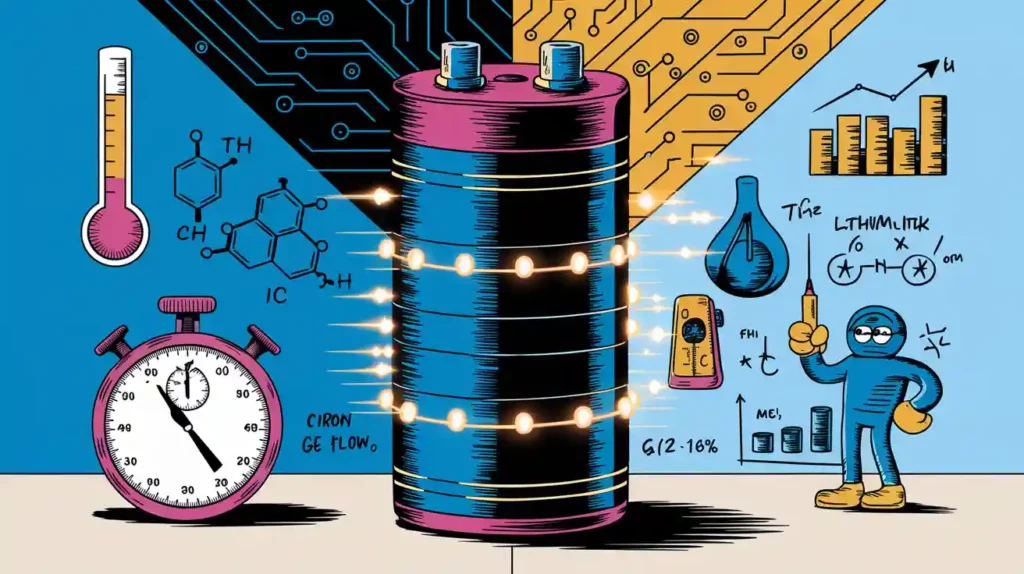
What Are the Main Factors Impacting Lithium Ion Battery Performance
Discover how temperature, usage patterns, design quality, and aging mechanisms are key factors affecting battery performance and lithium-ion efficiency.


Discover how temperature, usage patterns, design quality, and aging mechanisms are key factors affecting battery performance and lithium-ion efficiency.
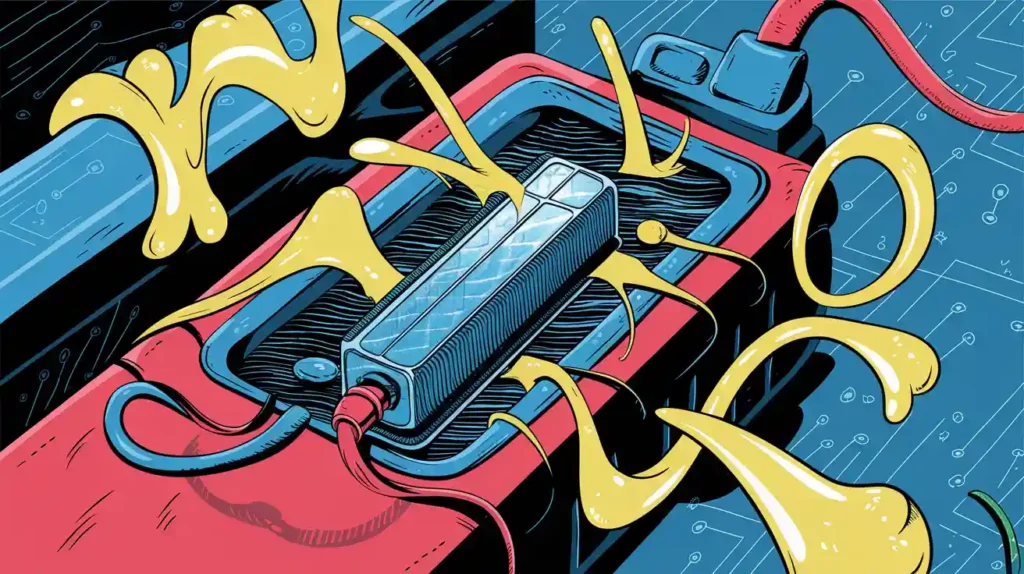
The PTC of lithium battery systems enhances safety by limiting current during overheating, preventing thermal runaway, and ensuring reliable performance.
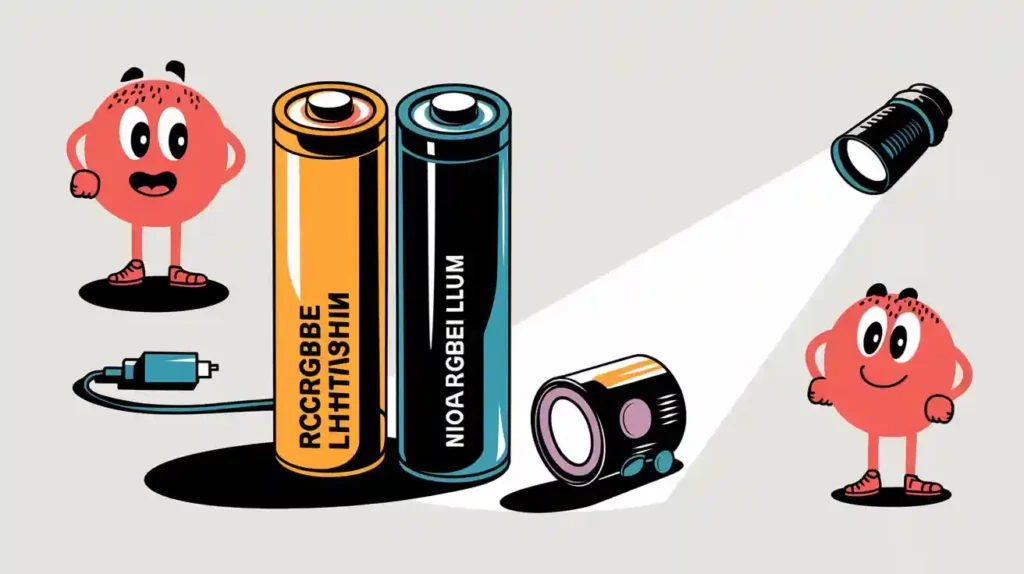
Compare lithium rechargeable and non-rechargeable batteries for torches. Discover cost, performance, and environmental impacts to choose the best option.
Choose the best large batteries by evaluating power needs, usage duration, environmental conditions, and compatibility for optimal performance and safety.
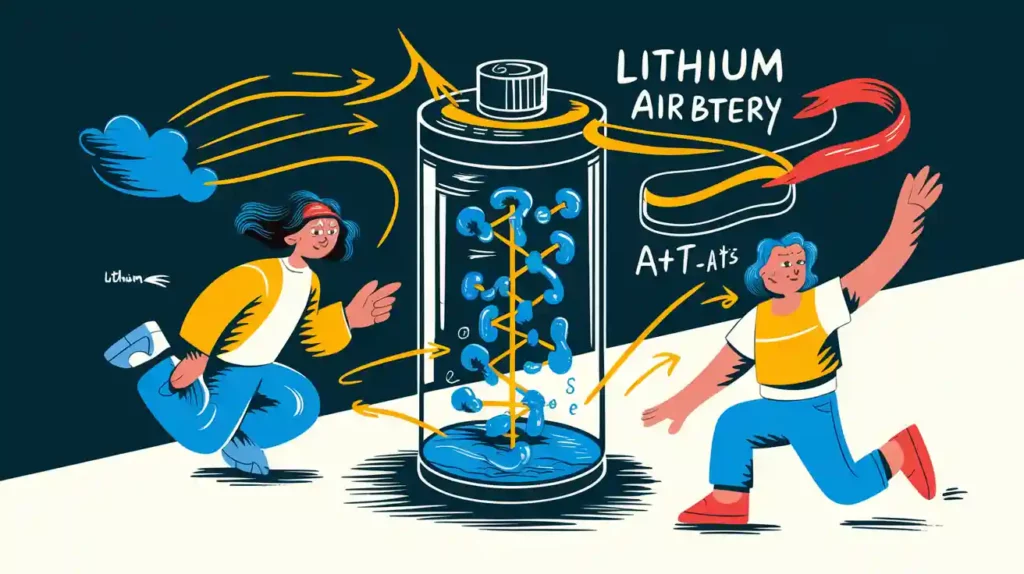
A lithium-air battery uses lithium and oxygen to achieve high energy density, making it lighter and more efficient than lithium-ion batteries for EVs and energy storage.

LMO-NMC batteries combine LMO’s high power and safety with NMC’s energy density and longevity, offering a balanced solution for diverse applications.

Understand watt hours to amp hours conversions and their applications in batteries for solar systems, medical devices, and consumer electronics.

Batteries store chemical energy, converting it into electrical energy during discharge. Learn how this process powers devices and supports modern applications.

NMC batteries excel in low-temperature performance vs lithium batteries due to their high energy density, thermal stability, and reliable power in cold climates.
RoHS Battery certification ensures lithium batteries meet global safety standards, reduce hazardous waste, and support sustainability while enabling market access.

A Battery Monitor Shunt ensures precise current measurement, real-time monitoring, and enhanced battery health, making it ideal for lithium battery systems.
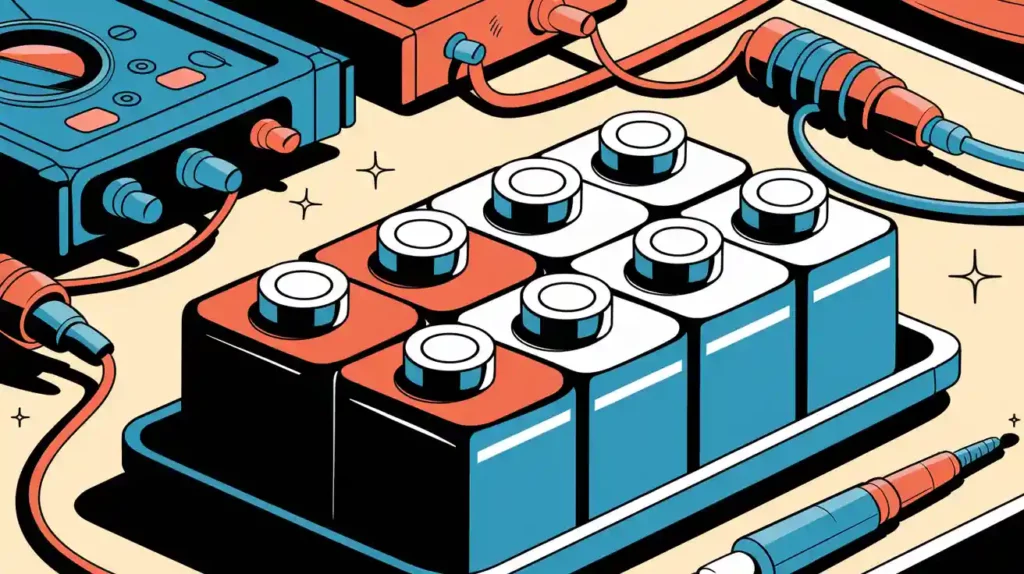
Cylindrical cells are robust lithium-ion batteries with high energy density, scalability, and durability, ideal for electric vehicles and energy storage systems.


