
What Makes Lithium Batteries the Best Choice for Smoke Detectors
Lithium batteries in smoke detectors offer a 10-year lifespan, reliable performance, and reduced maintenance, ensuring consistent safety and fewer replacements.


Lithium batteries in smoke detectors offer a 10-year lifespan, reliable performance, and reduced maintenance, ensuring consistent safety and fewer replacements.

LTO batteries offer enhanced safety, rapid charging, long cycle life, and wide temperature range performance, making them ideal for energy storage solutions.

Magnetic fields impact lithium-ion batteries by enhancing ionic conductivity, reducing polarization, and improving thermal stability, influencing performance and lifespan.

Ensure compliance with DOT and international standards for Class 9 hazardous goods and lithium battery labeling. Learn about UN numbers, handling labels, and placement.

Will LCO batteries be phased out? Discover 3 key reasons: limited lifespan, safety concerns, and cobalt dependency driving the shift to newer chemistries.

Low temperatures reduce LiFePO₄ battery capacity, increase resistance, and risk lithium plating. Discover strategies to enhance performance in cold conditions.

The 3.6V nominal voltage of lithium batteries ensures stable performance, compatibility across devices, and safety by balancing energy density and voltage range.

Cell to Chassis (CTC) for Robots integrates battery cells into the chassis, reducing weight, optimizing space, and boosting energy efficiency in robotics.
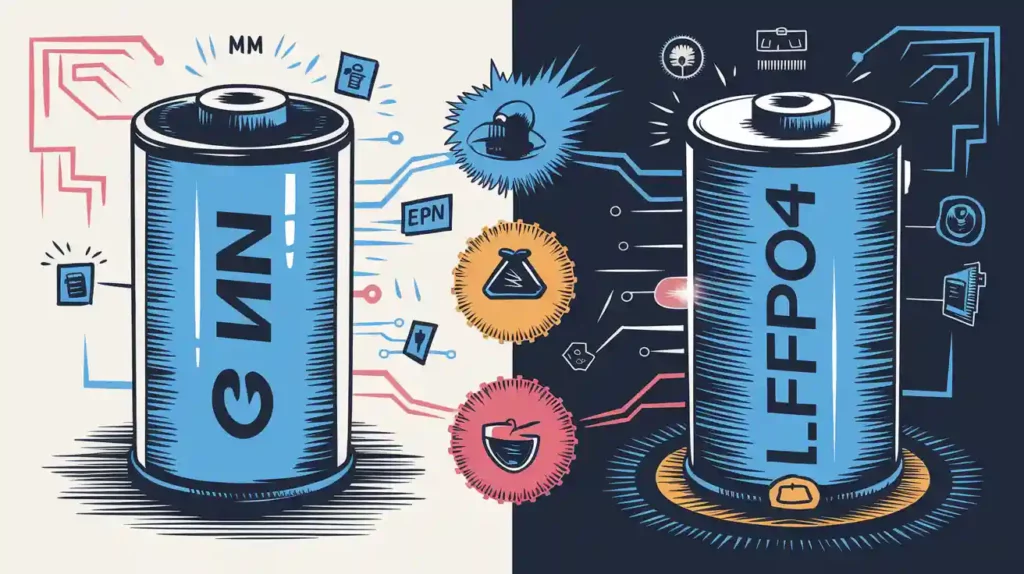
Compare NMC and LiFePO4 batteries: NMC offers higher energy density for EVs, while LiFePO4 excels in safety, longevity, and cost-effectiveness for storage.

Watts measure power at a moment, while watt-hours quantify energy over time. Understand watts and watt hours in battery systems for better energy decisions.

Explore the chemistry of 26650 lithium batteries, including cathode, anode, electrolyte, and separator materials, and their impact on performance and safety.
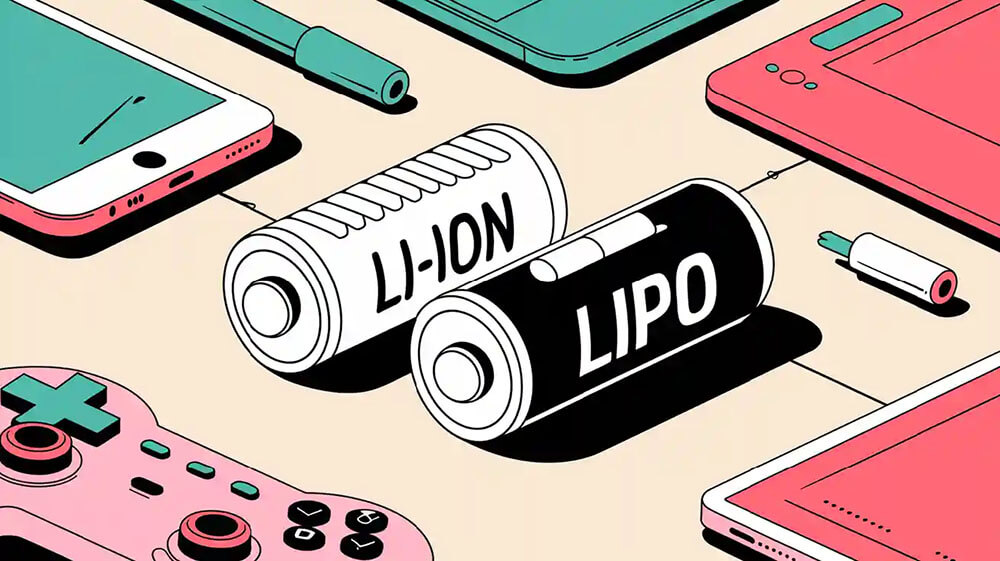
Compare lithium-ion and LiPo batteries for handheld devices. Li-ion offers high energy density and cost efficiency, while LiPo excels in lightweight designs.


