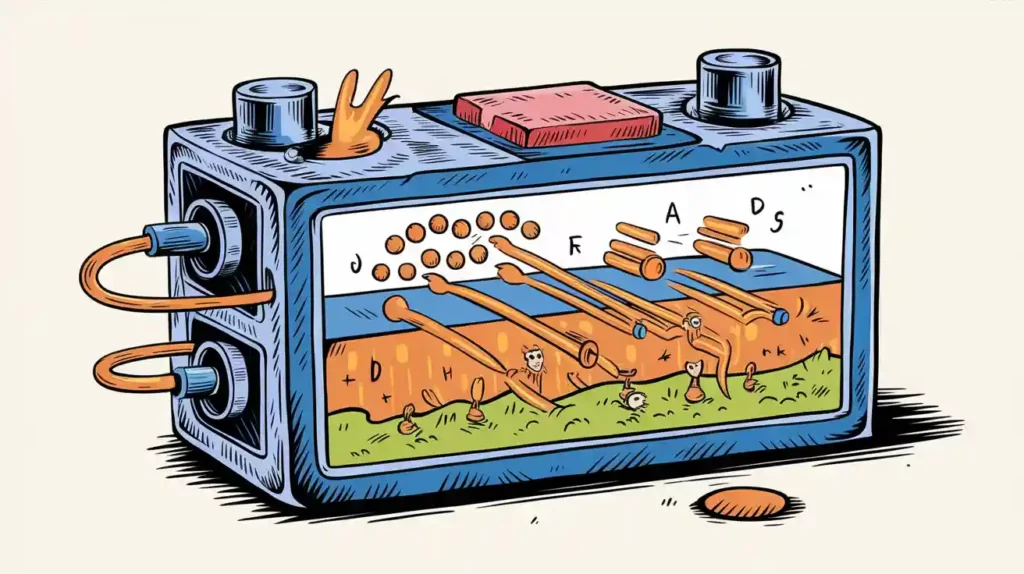
Breaking Down the Components of a Lithium-Ion Battery
Inside a lithium battery are key components like the cathode, anode, electrolyte, separator, and current collectors, ensuring efficient energy storage.


Inside a lithium battery are key components like the cathode, anode, electrolyte, separator, and current collectors, ensuring efficient energy storage.

Learn how to assemble a lithium battery pack with beginner-friendly tips on design, safety, and tools for optimal performance and reliability.

Discover the top materials for the tab of Lipo batteries, including copper, aluminum, and nickel, to enhance conductivity, durability, and energy efficiency.
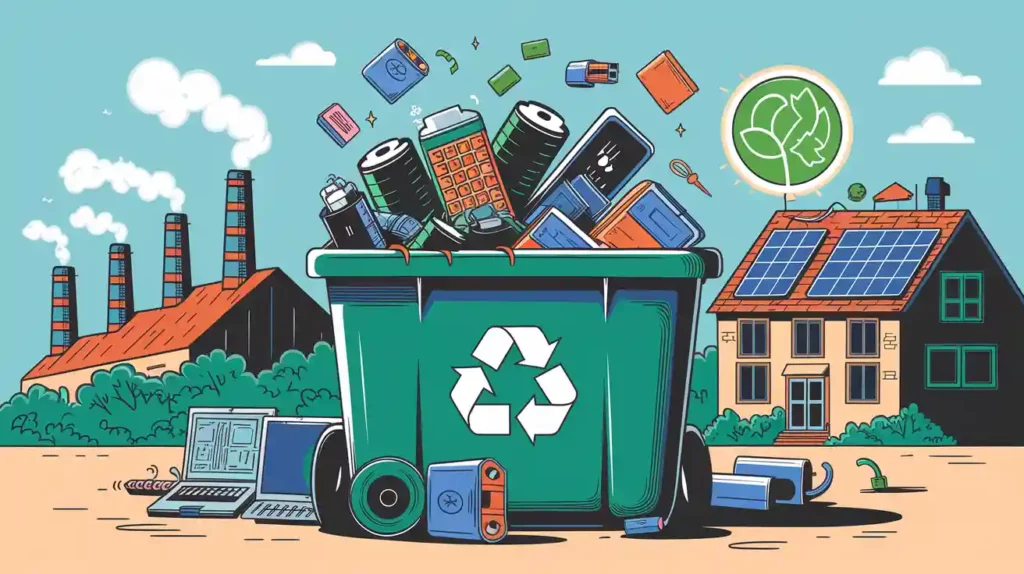
Discover how the WEEE standard and lithium battery recycling trends in 2025 will shape sustainability, compliance, and the circular economy.
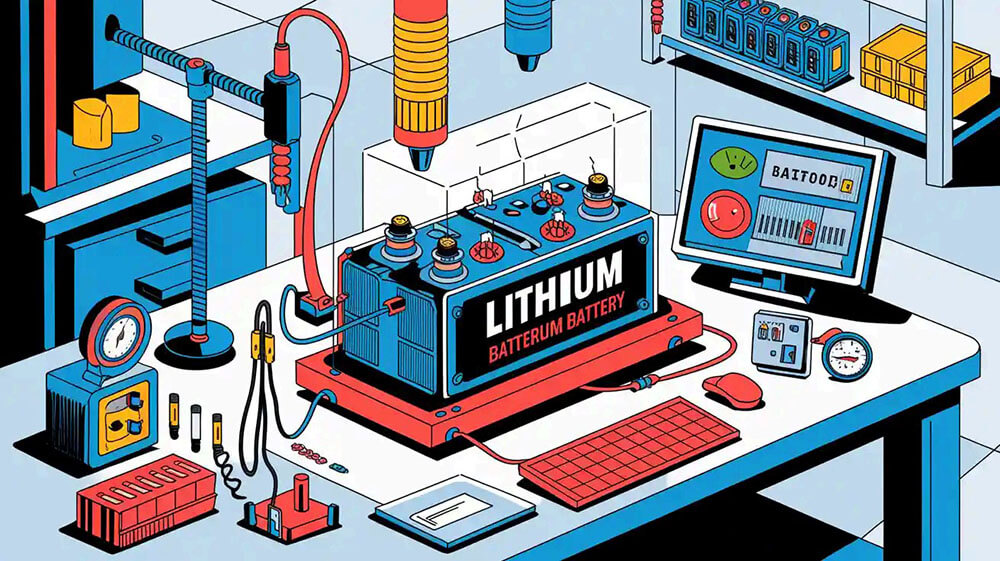
Safety performance tests for lithium batteries assess thermal, electrical, mechanical, and environmental risks, ensuring reliability and compliance with standards.
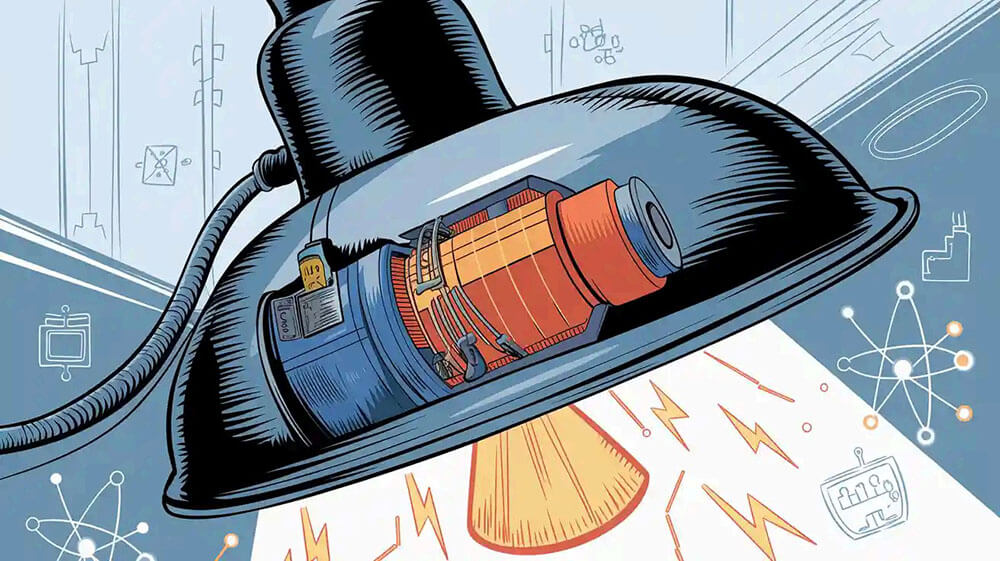
Lithium batteries in explosion-proof lamps offer high energy density, long life, and safety features, making them ideal for hazardous environments like refineries.
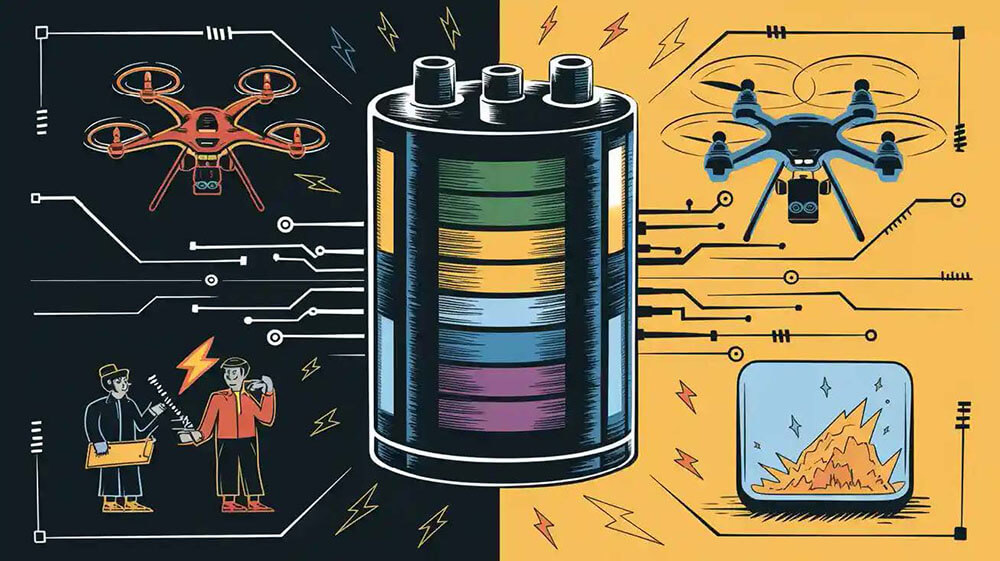
High discharge rate batteries offer rapid energy delivery for robotics, medical, and infrastructure but face challenges like safety risks, costs, and reduced lifespan.
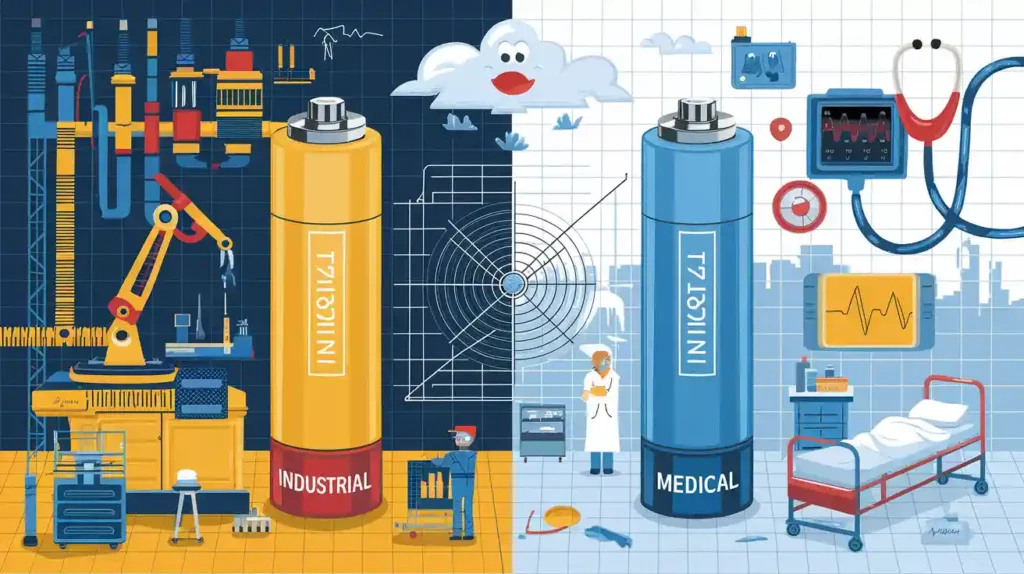
Understand how industrial and medical lithium batteries differ under IEC 60601 standards, focusing on safety, durability, and application-specific requirements.

Lithium battery for Ocean Bottom Nodes ensures reliable power for seismic data collection, offering durability, high energy density, and extended deployment.

Prevent short circuits in lithium batteries by using protective circuits, proper storage, and safe charging practices to ensure safety and reliability.
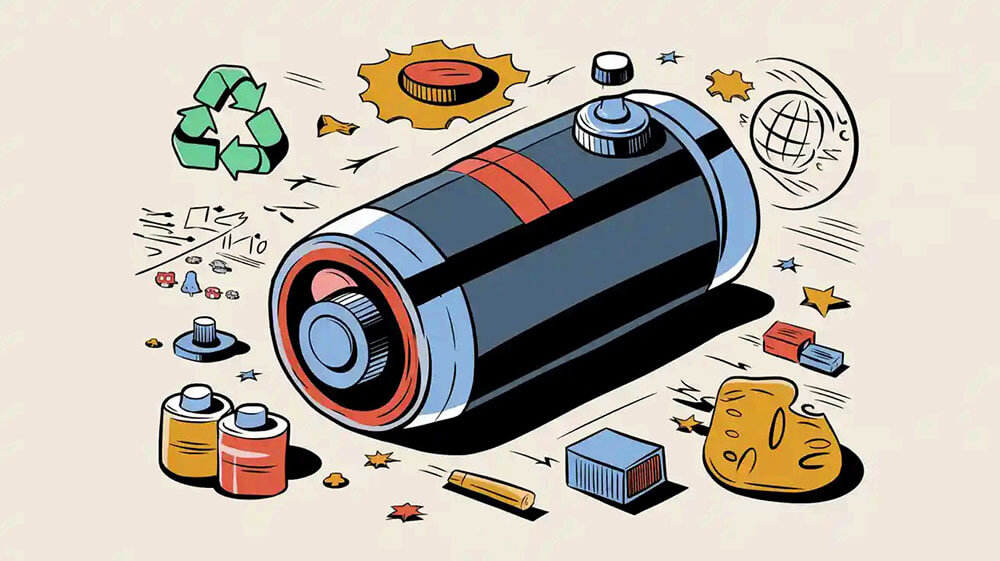
Understand WEEE standards for lithium battery recycling, ensuring compliance, safety, and sustainability while recovering valuable materials like lithium and cobalt.
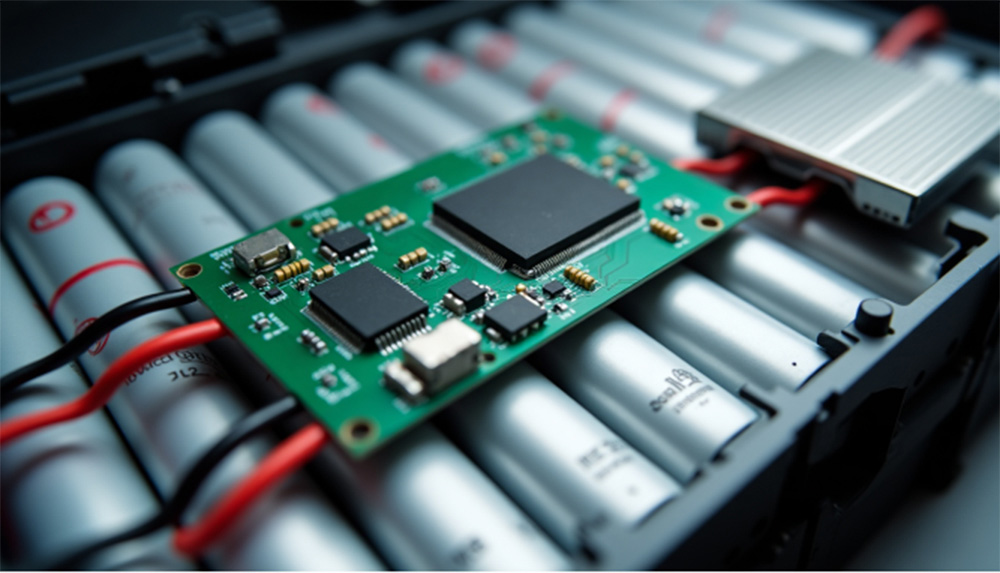
A Battery Management System (BMS) safeguards lithium-ion batteries by monitoring voltage, current, and temperature, preventing overcharge, discharge, and thermal runaway. It uses cell balancing, thermal management, and advanced architectures. Emerging trends include AI-driven analytics, wireless BMS, and IoT integration for optimized performance.


